If your shelf has printables, library books, class flyers, and field trip ideas but Monday still feels foggy, choose one small theme for the next five days and write down only one idea per day. The goal is not a perfect unit study. The goal is a simple plan that helps learning at home feel doable when breakfast dishes, work calls, and tired children are all in the room.
Reviewed by Whizki Editorial Team, Early Childhood Education Editors.
Start with one small theme
A small theme gives the adult a shelf to place ideas on, so every book, printable, class, and outing does not compete for attention. For a child age 3 to 7, a theme like community helpers works well because children already see mail carriers, firefighters, librarians, grocery workers, and doctors in real life. NAEYC guidance reminds early-childhood teachers to connect learning to children’s daily experiences, so a familiar theme usually beats a fancy theme.
The community helpers example can begin with one question: Who helps people in our town? A parent in homeschool, a caregiver doing afternoon learning, or a kindergarten teacher can answer that question with five light touches across the week. The adult chooses the starting pieces, and the child’s comments shape what stays in the plan.
The adult can place a printable on Monday, a library book on Tuesday, a class on Wednesday, a field trip on Thursday, and child-led play on Friday. The adult does not need to call the week a formal unit study. The plan is simply a set of invitations with dates and minutes, plus room to record what really happened.
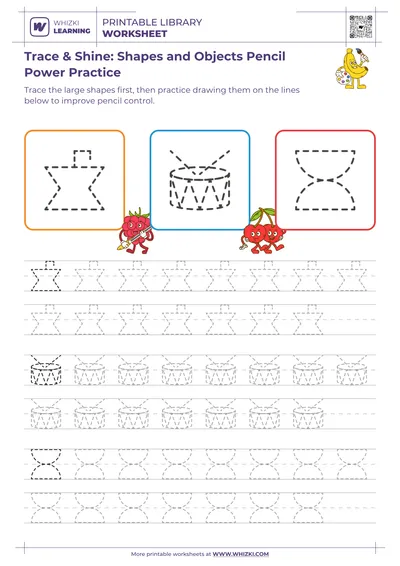
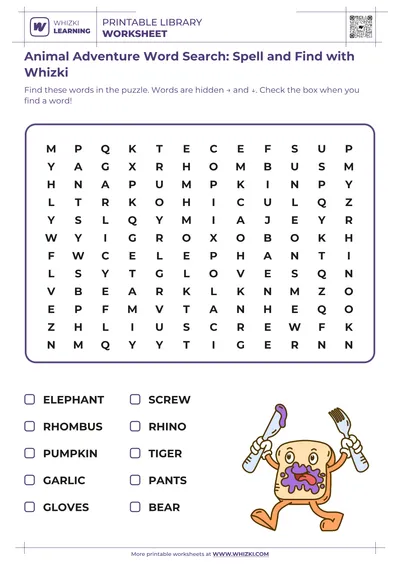
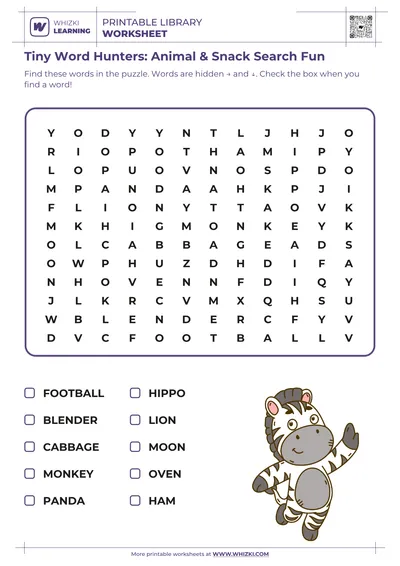
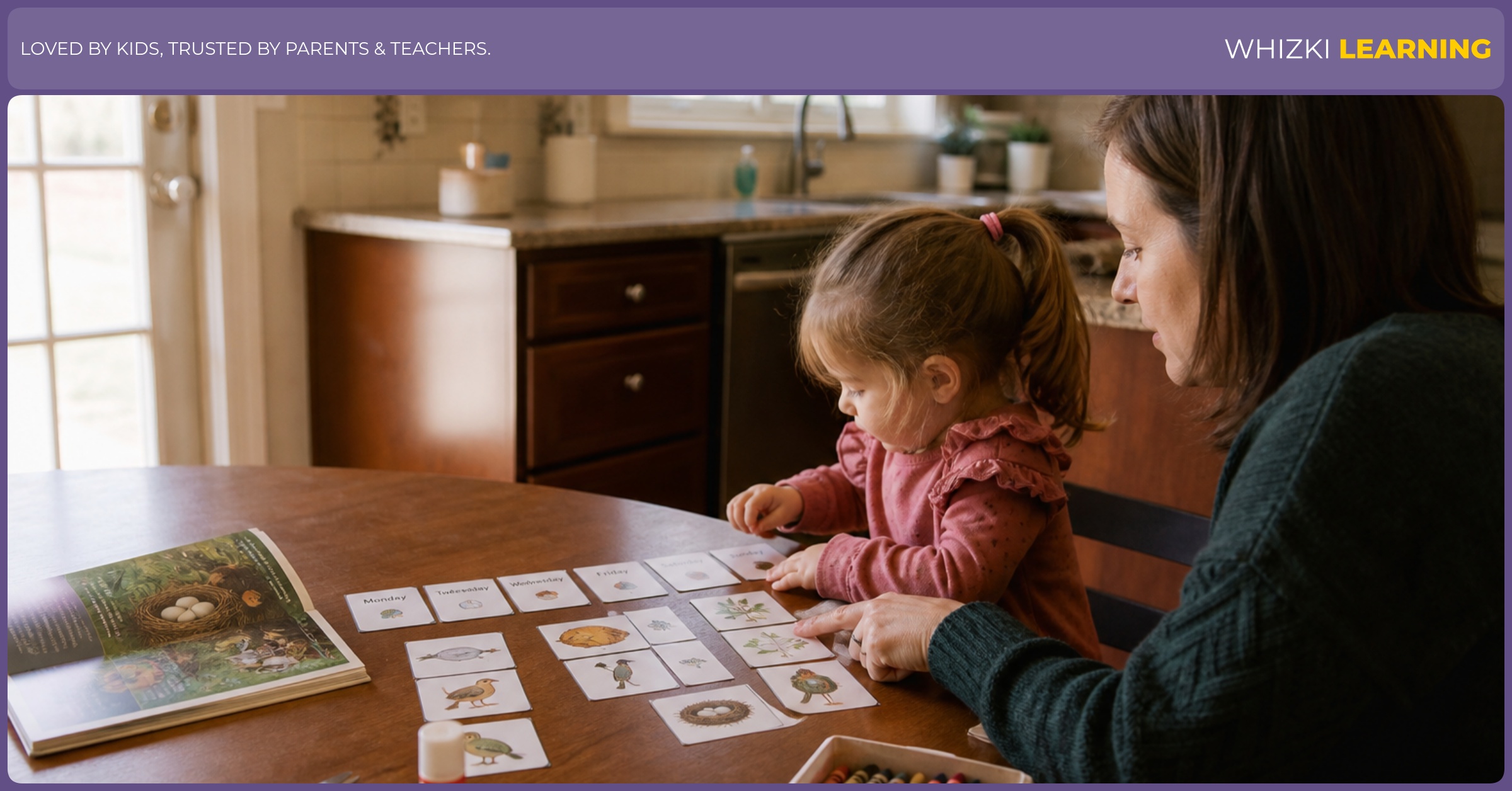
For the printable piece, choose a simple picture sort, tracing sheet, or matching page from the free printable library and use the page for 10 to 12 minutes. A community helper page can invite cutting, matching, naming, and short oral sentences without turning the kitchen table into a full lesson plan. A page that feels too easy can become a conversation starter, and a page that feels too hard can move to another day.
Put real dates and minutes on the plan
Real dates reduce decision fatigue because the adult stops asking, “Should we do the book or the class today?” The community helpers plan can read Monday, August 17, printable sort for 12 minutes; Tuesday, August 18, library book for 15 minutes; Wednesday, August 19, preschool music or story class for 30 minutes; Thursday, August 20, fire station walk-by or grocery store helper hunt for 45 minutes; Friday, August 21, block town play for 20 minutes. Orton-Gillingham lessons use short, clear routines because young children learn best when the task, time, and language stay predictable.
The adult can use the family learning planner to place those dates in one view and keep the plan realistic. The adult manages the planner, and children do not create accounts or sign in. A young child can help choose a sticker, book, or pretend-play prop, but the adult owns the planning and record keeping.
The minutes matter because preschool and kindergarten learners often show their best thinking in small windows. Occupational-therapy basics often use the idea of “just-right challenge,” which means the activity is hard enough to engage the child and short enough to avoid overload. A 12-minute printable can be enough for pencil grip, visual matching, and spoken vocabulary when the adult stays nearby.
Connect the pieces without forcing a unit study
The printable connects to the library book when the adult uses the same words in both places. During the Monday picture sort, the adult might say, “The firefighter helps with emergencies,” and during the Tuesday book, the adult might pause at a firefighter page and invite the child to find the hose. Speech-language pathology practice often builds vocabulary through repeated words in meaningful settings, so repetition across paper, story, and real life is helpful.
The class connects when the adult listens for one small link instead of demanding a perfect match. A library story time about trucks, a preschool music class with a helper song, or a homeschool co-op visit from a nurse can all sit inside the same week. The adult can jot one sentence after class, such as, “Mara sang the helper song and named the librarian.”
The field trip connects when the adult keeps the outing ordinary and local. A walk past the post office, a short visit to the library desk, or a grocery store search for workers in aprons can count as rich early learning. Reggio-inspired teaching values observation of the child’s real questions, so the adult watches for curiosity instead of delivering a speech.
Make room for the child-led idea
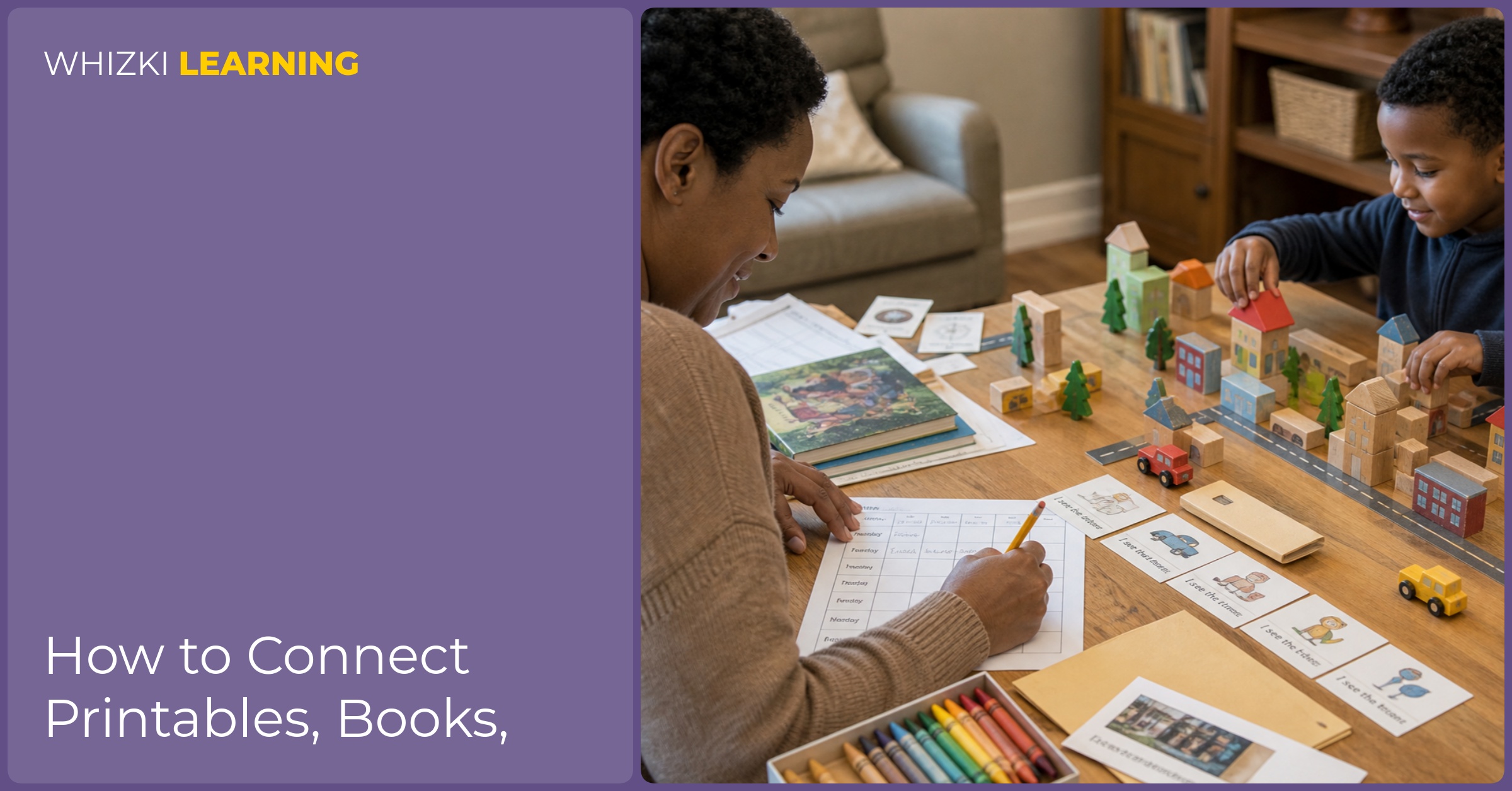
The child-led idea is the part of the plan that keeps home education from feeling like a checklist. In the community helpers week, a child might build a block fire station, turn a cardboard box into a mail truck, or line up stuffed animals for a pretend clinic. Montessori practice gives children real materials and space for purposeful play, and that same respect fits learning at home.
The adult can schedule the child-led idea for Friday, but the child may start the idea on Tuesday afternoon. The adult can move Friday’s block town to Tuesday and record the change. The record should show the child’s real learning path, not the adult’s wish for a tidy week.
The adult can add one gentle skill to the child-led play without taking over. A parent might place envelopes near the block town for name writing, add toy bandages for fine-motor practice, or invite counting by saying, “Three people are waiting at the clinic.” Occupational-therapy basics remind adults that hand strength and coordination grow through play with tape, clothespins, blocks, crayons, and pretend tools.
Record completed, skipped, and moved
The useful record has three plain labels: completed, skipped, and moved. Completed means the printable, book, class, outing, or play invitation happened in some form. Skipped means the adult chose rest, illness care, travel, or family needs instead of forcing the activity.
Moved means the idea still fits, but the day changed. The Thursday field trip might move to Saturday because rain made the walk miserable. The Tuesday library book might move to bedtime because the morning fell apart, and the record can still name the date and minutes.
The adult can write short notes without turning the planner into a report. A note like “completed, 10 minutes, named three helpers” gives more value than a long summary that the adult will never reread. NAEYC’s developmentally appropriate practice supports observing what the child can do in real contexts, and a short note can capture that context.
Review the useful record before planning again
The review step closes the loop: choose what to try, record what actually happened, then review the useful record. On Sunday night or Monday morning, the adult can scan the week and ask which activity gave the most engagement. The answer might be surprising, because the skipped book or moved outing often tells the adult something useful about family rhythm.
The community helpers week might show that the printable worked best after snack, the library book worked best at bedtime, the class was too long, the field trip was worth repeating, and the child-led block town carried the most language. Reggio and Montessori observation both ask adults to notice the child before choosing the next material. The review can lead to another small theme, or the review can lead to a lighter week with only books and play.
The planner record is for family memory, teacher planning, and calmer decision making. Families with state, district, or program requirements should follow local guidance from a trusted source. The weekly record is most useful when the adult keeps the language honest, short, and focused on the child in front of the adult.
Plenty of materials can become a burden when every page and outing feels equally important. A one-theme weekly plan gives each idea a place, and the completed, skipped, and moved notes give the adult permission to learn from real life. Start with one theme, five small invitations, and a review you can finish while the coffee is still warm.