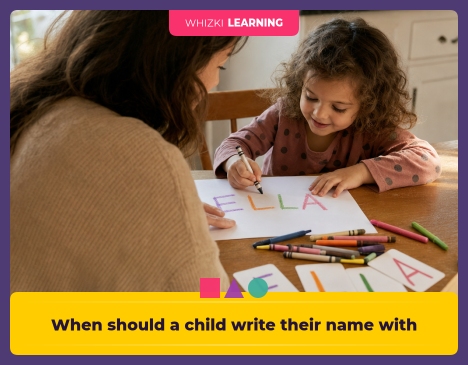
Most children write a recognizable first name between ages 4 and 5, so the unsigned preschool paper on your counter is usually practice, not panic; tonight, invite your child to make one big first-letter rainbow with crayons and stop while the work still feels friendly. Name writing grows from hand strength, line play, and knowing the letters in a familiar name. A child who is 3 or newly 4 may still be scribbling, tracing, or copying only the first letter.
Reviewed by Whizki Editorial Team, Early Childhood Education Editors.
The typical age range for name writing
The typical range I see in preschool and kindergarten is broad: many children can write a recognizable first name sometime between 4 and 5. NAEYC guidance reminds teachers to watch developmental progress over time, because early writing changes in small, uneven jumps.
A recognizable name does not have to look like adult handwriting. A 4-year-old may use huge letters, backwards letters, mixed capitals, uneven spacing, or a missing middle letter, and the name still counts as meaningful early writing.
A 3-year-old who scribbles a "signature" or draws lines under a picture is doing important work. In Reggio-inspired classrooms, teachers treat those marks as communication first, then gently add letter talk when the child shows interest.
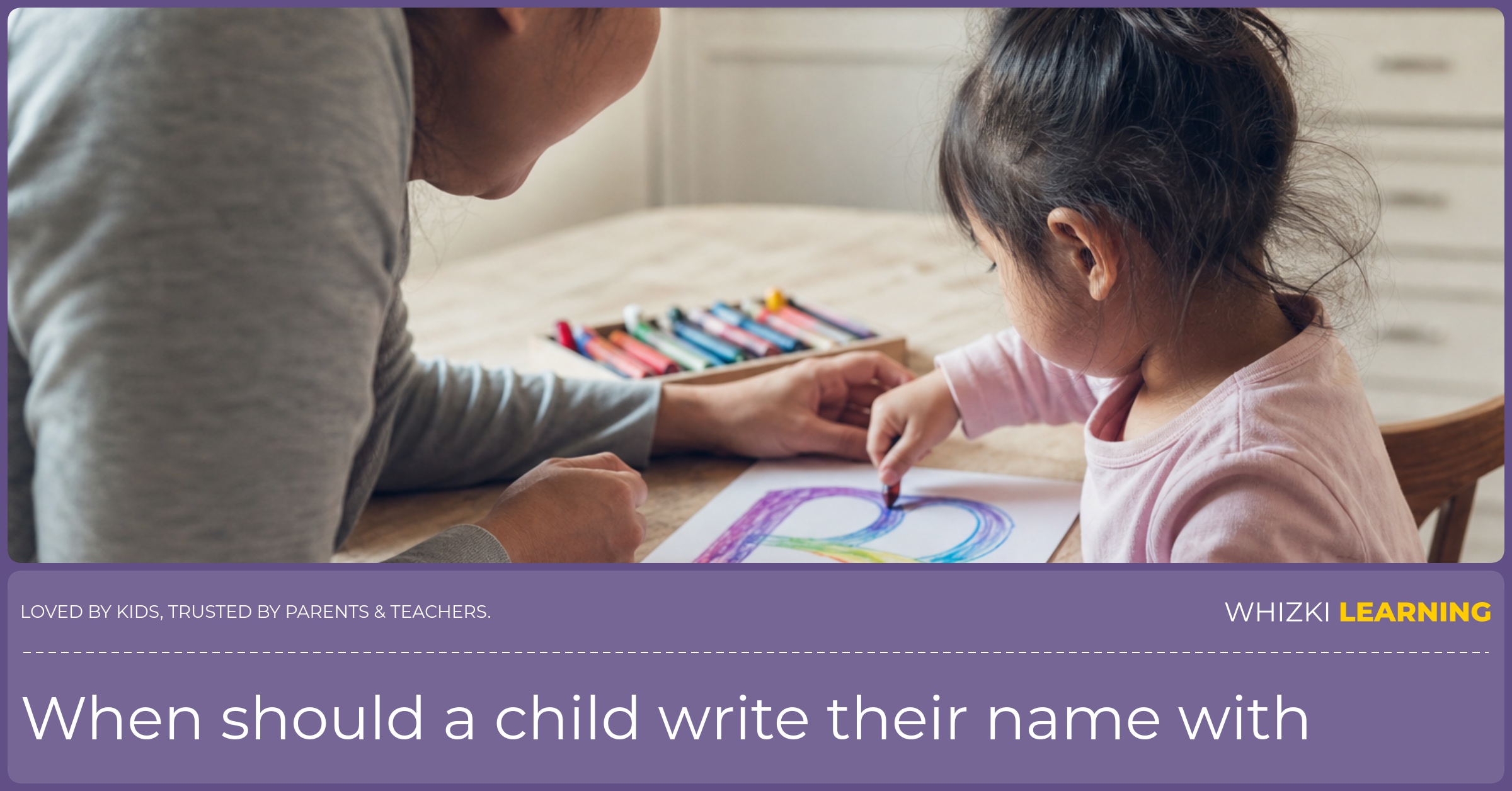
What comes before a written name
Name writing starts before a pencil makes neat letters. Occupational-therapy basics look at shoulder stability, wrist movement, finger strength, and the ability to cross the body midline during play.
Pre-writing strokes usually come before a full name: vertical lines, horizontal lines, circles, crosses, diagonal lines, and simple shapes. The handwriting walk-through on how handwriting develops from scribbles can help parents see why a swirl or line is part of the path.
Letter recognition matters too, especially the letters in a child's own name. The Orton-Gillingham approach uses multisensory practice, so a child might say the letter name, trace the letter in sand, build the letter with play dough, and then try the letter on paper.
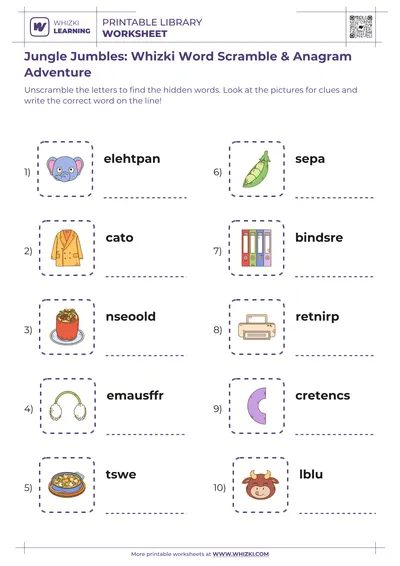
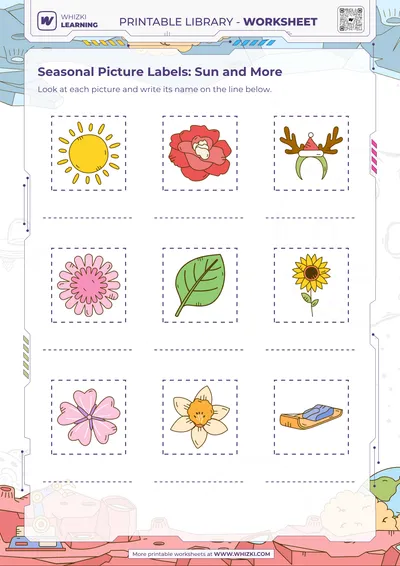
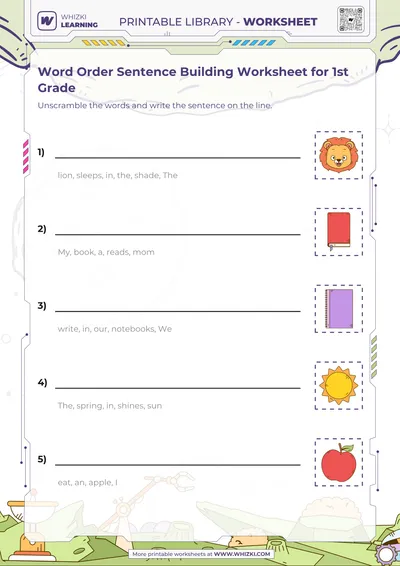
When a child wants paper practice, a simple name page, tracing strip, or alphabet sheet from our printable library can make practice feel ready without turning the kitchen table into a lesson plan. Choose one page, use a thick crayon, and end after a few good tries.
What is not a red flag
The following name-writing quirks are usually not red flags for ages 3 to 7. Montessori and Reggio observation both ask adults to look at the child's whole pattern: curiosity, play, drawing, cutting, building, and willingness to try.
Backwards letters are common in early childhood because the brain is still sorting direction, size, and orientation. Reversals in a 4-year-old name, such as a backwards J or S, are usually part of normal visual-motor learning.
A fist grip is also common in younger preschoolers, especially with skinny pencils. Occupational therapists often suggest shorter crayons, broken chalk pieces, and vertical surfaces because those tools invite fingers to do more of the work without a lecture about grip.
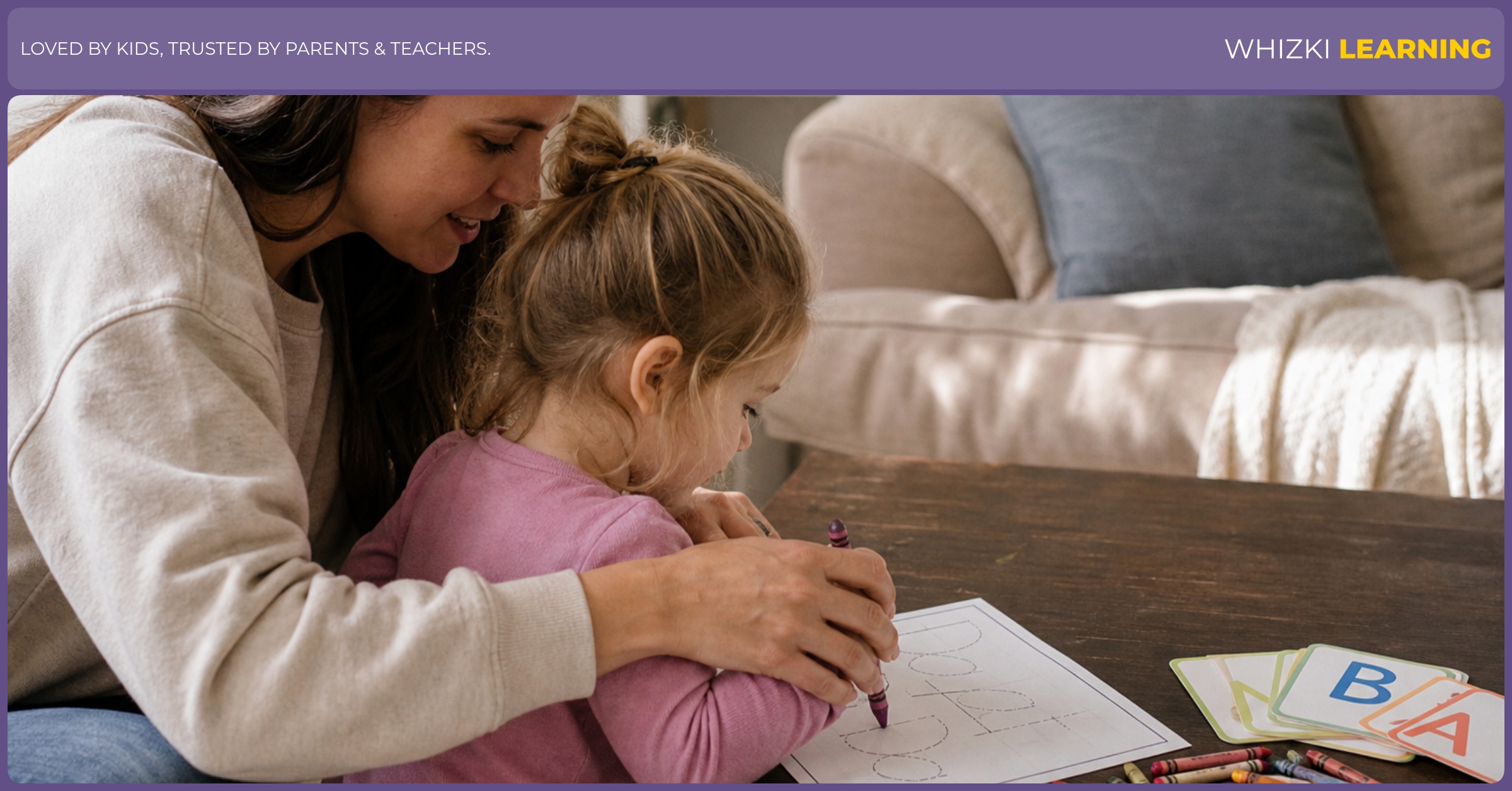
A gentle 3-step start at home
Step one is name joy before name correction. Say the name slowly, clap the syllables, point to the first letter, and find the same letter on a cereal box or street sign.
Step two is big movement before small writing. An occupational-therapy rule of thumb is to build large shoulder and arm patterns first, so a child can sky-write the first letter, paint the letter with water on the sidewalk, or form the letter with a rope on the floor.
Step three is one short paper try. Use a thick crayon, write the child's name in light marker, and invite the child to trace once, copy once, or add only the first letter if the full name feels too much.
Alphabet knowledge supports the whole routine, but alphabet practice should stay playful. The alphabet learning hub is useful when a child wants to meet one letter at a time through sounds, pictures, and simple activities.
When to ask for extra support
Extra support is worth asking about when a 5- or 6-year-old avoids all drawing and writing, seems unusually frustrated by crayons, or cannot copy simple lines after many playful chances. A kindergarten teacher, pediatrician, or occupational therapist can look at hand use, vision, posture, and practice history without blaming the child.
Speech-language pathology practice reminds adults that language and literacy grow together, so letter names, sound awareness, and name writing often support each other. A child who cannot recognize any letters in a first name by kindergarten may need more direct, playful letter work rather than more pressure to write.
The goal is not a perfect signature before kindergarten. The goal is a child who knows the name has meaning, recognizes some name letters, uses drawing tools with growing control, and feels safe trying again tomorrow.
A child's first written name is a milestone, but the path can look messy, funny, and very personal. If weekly encouragement would help, join the weekly newsletter for calm, practical early learning ideas.