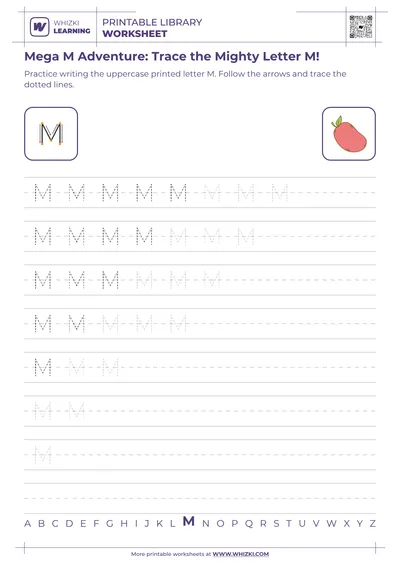
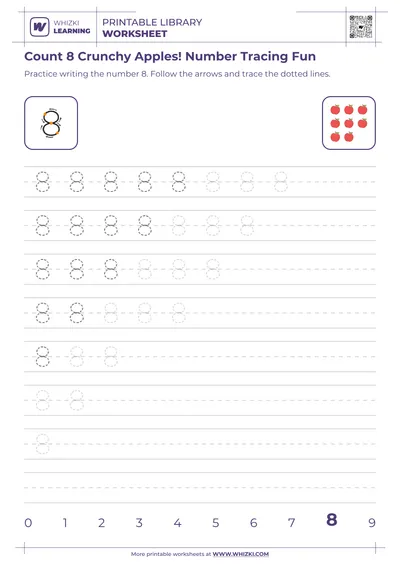
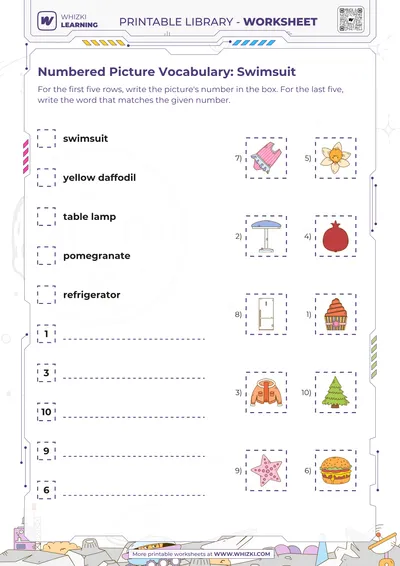
Some days it feels like kindergarten reading is one more word to memorize, and you are stuck repeating yourself at the kitchen table. Word families make practice feel more doable because the same sound chunk shows up again and again. our A-Z alphabet pages and our sight-words printables can support the daily routine while word families do the heavy lifting for decoding.
Reviewed by Sarah Mitchell, M.S., CCC-SLP, Speech-Language Pathologist.
Why word families work for early decoding
Word families are groups of words that share a common spelling pattern and a similar sound, like -at in cat, bat, and sat. When a child learns the pattern, the child can use the same decoding move across many words, which is exactly what Orton-Gillingham style practice looks for, repeated in small, clear steps.
Word families also help kids notice rhyme and rhythm, because many word-family words sound alike at the end. That patterning matters in Reggio-inspired classrooms where children learn through noticing, comparing, and talking about what they see in print.
When parents try to memorize whole words, the list grows fast and confidence can dip, especially when a child meets a new word. NAEYC guidance supports building early literacy skills through frequent, meaningful practice, and word families give that practice a predictable structure.
Occupational-therapy basics remind us that attention and fine-motor effort are real, so short, repeatable tasks are easier to sustain than long worksheets. A word-family routine keeps the child’s brain busy with one job at a time, sound by sound, instead of switching strategies every minute.
Six high-yield word families to practice first
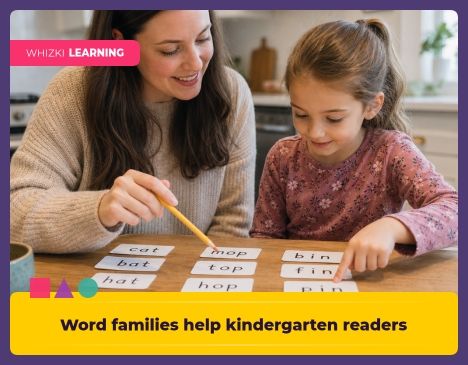
Speech-language pathology practice often starts with the most useful, frequent patterns, because kids need quick wins before harder spelling choices. These six word families are great for kindergarten readers because they are common and they give clear, repeatable end sounds.
Use each family for a few days, then rotate, so the child keeps the pattern in working memory without getting bored. This matches the Orton-Gillingham approach of systematic, cumulative practice, where the same decoding chunk comes back in fresh words.
- -at: cat, bat, sat, hat
- -an: can, man, fan, Dan
- -og: dog, log, fog, jog
- -ig: big, pig, rig, wig
- -et: pet, net, set, vet
- -ip: lip, tip, sip, zip
For a seventh option that fits the same routine, add -un with sun, run, fun, and bun. The NAEYC lens on play-based learning says children learn best when practice feels like a game, not a test.
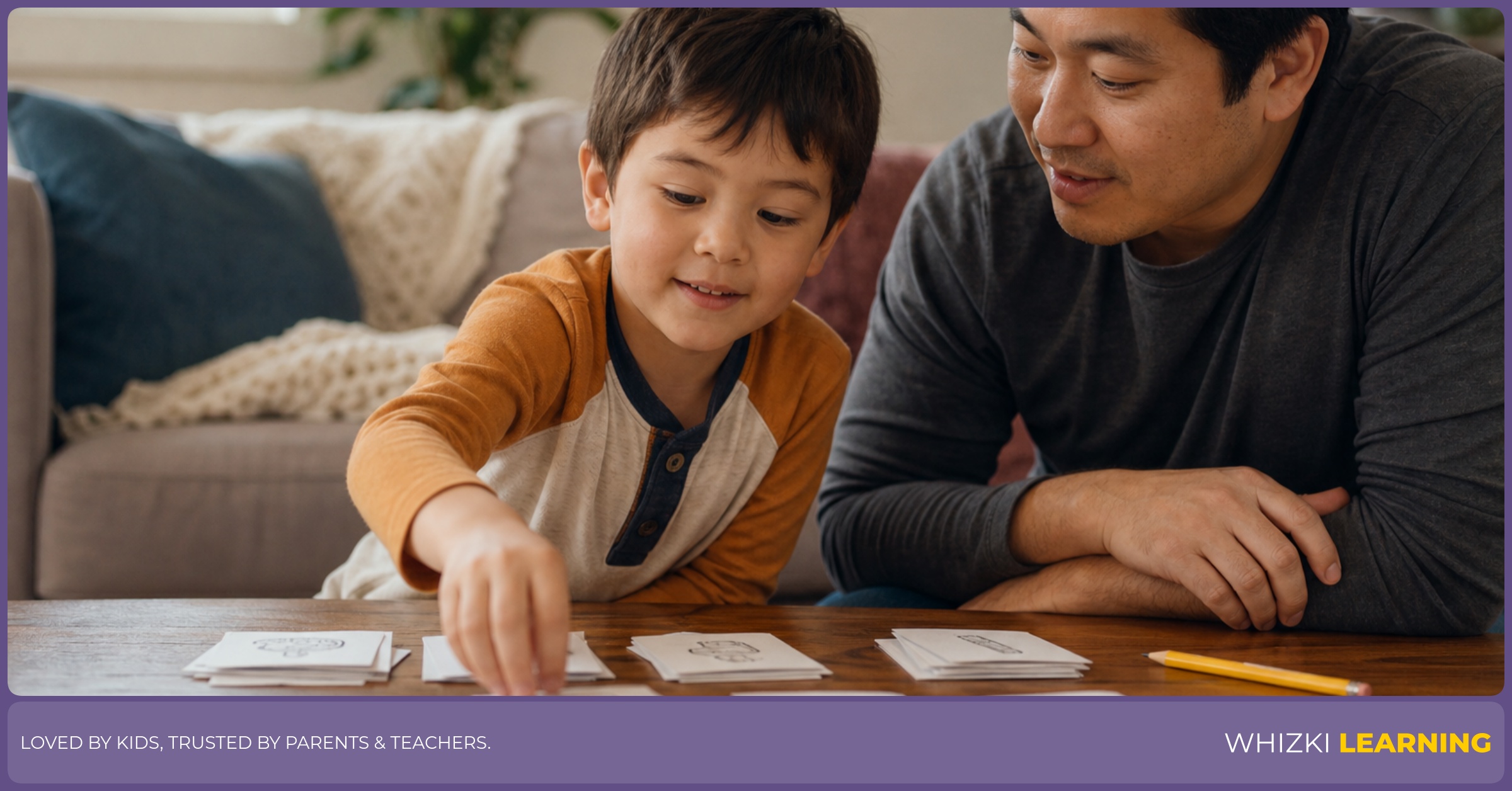
Paper game: Family sort (5 minutes, screen-free)
For a quick, hands-on routine, use the family sort game with word cards that all end the same way. This kind of structured practice fits the Orton-Gillingham idea of clear rules and immediate feedback, and it also supports fine-motor work through picking up, sorting, and placing cards.
Set out 4 small piles labeled with the ending sound, like “-at,” “-an,” “-og,” and “-ig.” Then the parent says the word, the child repeats it, and the child places the card in the matching pile while the child’s finger points to the ending letters.
- Make or print 16 word cards, 4 from each family.
- Model once, “cat goes in -at,” then hand the child the next card.
- After the sort, read the pile together, “cat, bat, sat, hat,” with smooth, connected sounds.
- End while it is still fun, even if the child wants to keep going.
Reggio-inspired teaching encourages conversation, so ask a simple noticing question: “What do you hear at the end?” If the child misses a card, treat it as a clue, not a mistake, and try again with the ending sound.
Whizki Learning has printable practice that pairs letter-sound work with word-family patterns, so kindergarten readers can rehearse the same decoding chunk across many words. If you want a ready-to-go routine, check the sight-words printables and use them alongside word-family sorts for quick, confident reading practice.
If you want one next step for tonight, pick just one family, like -at, and do a 5-minute family sort with four words. Tomorrow, keep the same family for one more round, then switch to a new family after the child can read the first set without sounding out every single word from scratch.
When word families become familiar, decoding starts to feel automatic, and reading time gets calmer for both the child and the adult. If a child is still struggling after consistent practice, a speech-language pathologist can help check whether letter-sound knowledge, phonological processing, or attention needs extra support.