
If the Christmas calendar already feels crowded, choose one 10-minute learning focus for the week and put every extra idea in a maybe pile. A calm month does not need daily crafts, perfect photos, or a new activity every morning. The useful action for today is to write four words on one page: stories, numbers, making, and memories.
Reviewed by Whizki Editorial Team, Early Childhood Education Editors.
The one-page Christmas month plan
The one-page Christmas month plan is simple: Monday begins the focus, Tuesday is rest, Wednesday repeats the focus, Thursday is rest, Friday adds a tiny share, Saturday is optional, and Sunday is rest. NAEYC guidance reminds early-childhood educators that young children learn best through relationships, play, and predictable routines. A 10-15 minute cap protects the good feeling around the table.
Week one is stories, with picture books, oral retelling, and favorite seasonal words. Week two is numbers, with counting real objects such as ornaments, socks, crackers, or pinecones. Week three is making, with paper, tape, crayons, and recyclable bits, and week four is family memories, with photos, names, recipes, or simple drawings.
The one-page version works best when the adult writes only what can actually fit into family life. If a printable calendar helps, the family learning planner can hold the four themes without turning December into a checklist race. Families who celebrate a different winter holiday can keep the same learning structure and swap in their own books, foods, songs, and family words.
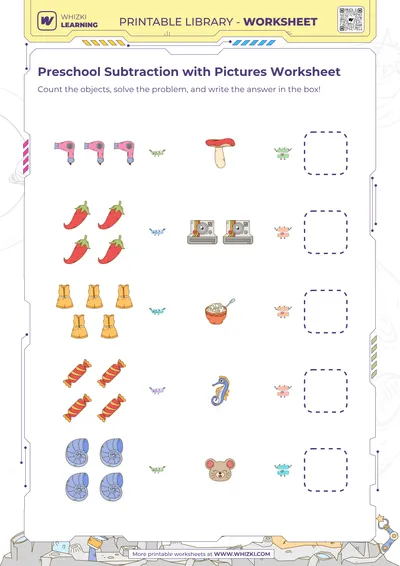
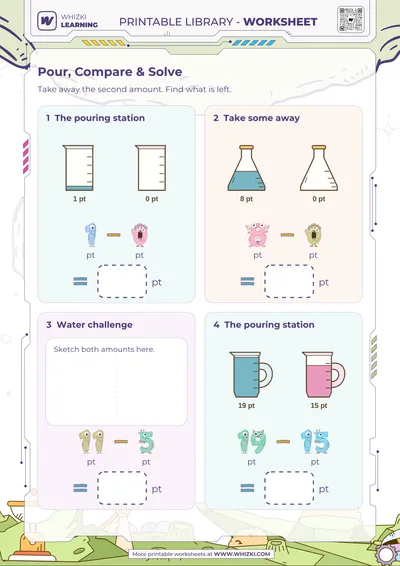
A small printable packet can make the table setup faster on a full week. The holiday and culture printables are useful when a child wants to color, sort, trace, or talk while an adult cooks nearby.
Week one: stories that can stop after one book
The story focus begins with one basket, one book, and one short retell. In Orton-Gillingham practice, teachers keep language work clear, multisensory, and repeatable, so the story basket can include a book, three picture cards, and one crayon for circling a favorite detail. The adult reads the book, invites the child to choose one picture, and says, "Tell me the first thing that happened."
For ages 3 and 4, the story work can be naming characters, pointing to a setting, or acting out one page with a stuffed animal. For ages 5-7, the story work can add beginning, middle, and end, or a simple sound hunt such as listening for the first sound in bell, bow, or cookie. The sound hunt stays playful because the goal is hearing language, not proving reading readiness.
The story focus can end as soon as the child retells one part, draws one picture, or asks to hear the book again. Reggio-inspired teaching values the child’s chosen meaning, so a drawing of grandma’s cookies can count as story work even when the adult expected a Santa book. The adult can write the child’s exact words under the drawing and stop before the table mood turns sour.
Week two: numbers with real things
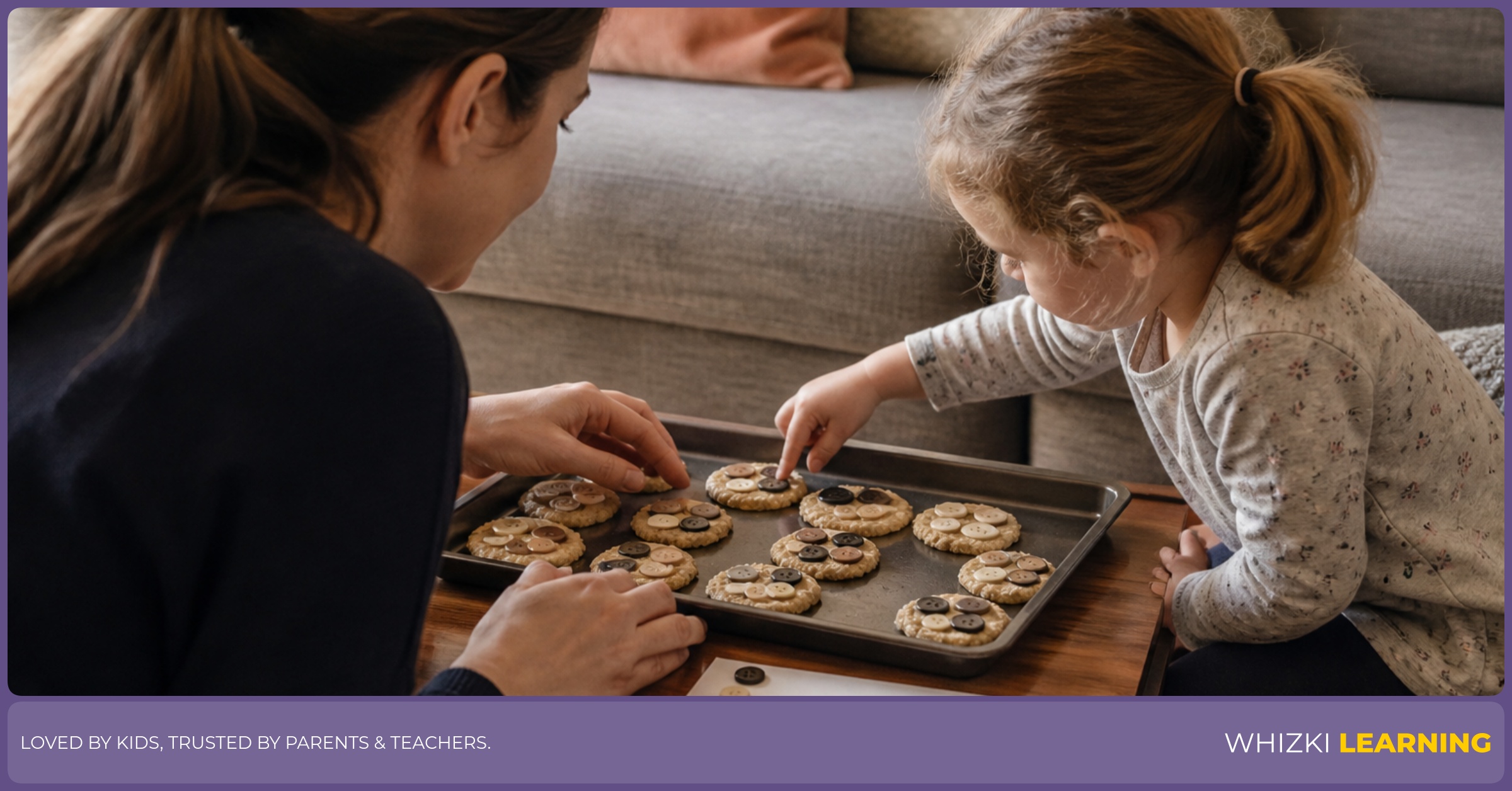
The numbers focus begins with objects the child can touch and move. Montessori-influenced practice gives young children concrete materials before symbols, so five napkins, six buttons, or three wrapped books are better than a full worksheet page. The adult says one number word for each object and lets the child slide the object into a row.
The occupational-therapy rule of thumb is to watch the body before pushing the task. A child who is leaning on the table, switching hands often, or dropping tiny pieces may need bigger items such as cotton balls, blocks, or socks. The number work still counts when the child lines up four big objects and taps each object once.
For ages 3 and 4, the number activity can be counting to three, matching two cups with two spoons, or putting one sticker on one card. For ages 5-7, the number activity can be comparing more and fewer, building a set of ten, or writing the matching numeral after counting. The adult can stop the activity after 10-15 minutes, even when the child has counted only one small set.
Week three: making without a perfect craft
The making focus begins with process materials, not a model the child must copy. Reggio classrooms often treat paper, cardboard, yarn, tape, and found objects as languages children use to show ideas. A Christmas making tray can hold scrap paper, envelopes, crayons, tape, glue stick, ribbon pieces, and a few recycled boxes.
The adult role during making is to name the child’s action and offer one small next step. The adult might say, "The tape is holding the roof," or "The red paper became a door," and then wait. The making activity builds planning, hand strength, and vocabulary without requiring a finished ornament or display piece.
For ages 3 and 4, the making focus can be tearing paper, sticking tape, scribbling a card, or placing fabric scraps in a box. For ages 5-7, the making focus can include folding a card, writing a name, drawing a map to a family gathering, or labeling one part of a creation. The making focus needs adult supervision with scissors, string, small beads, and anything near the mouth.
Week four: family memories, rest days, and swaps
The family memories focus begins with real family language. Speech-language pathology practice often uses personal stories because familiar people, places, and routines help children organize words. A child can look at a photo, name a person, tell one memory, or draw a food that belongs on the holiday table.
The adult can make a tiny memory page with one photo, one drawing, or one dictated sentence. A preschooler might say, "We put lights on the tree," and the adult can write the sentence exactly as spoken. A kindergartener or first grader might copy one name, write one label, or add a speech bubble.
Rest days are Tuesday, Thursday, and Sunday on the plan, and those days are real learning days too. NAEYC guidance values rest, family connection, and play, so a rest day can be library return day, pajama reading, outside time, or no planned activity at all. A Christmas runway with pauses is easier for children and adults than a month packed with nonstop tasks.
The plan can flex around concerts, travel, illness, sensory overload, and tired adults. When the week gets messy, the adult can keep the theme and shrink the activity to one question: "What story did we hear," "How many do you see," "What did you make," or "Who do you remember?" A screen break, a movie night, or takeout dinner does not erase the learning month.
Age adjustments and classroom use
The age adjustment is simple: younger children need fewer steps, bigger materials, and more movement. Occupational-therapy basics remind adults that small muscles fatigue faster than adult eyes expect, so a three-year-old may be finished after two stickers and a crayon mark. A six-year-old may want to add letters, numbers, or invented spelling, and the adult can welcome the extra layer without making every child do the same work.
The classroom or homeschool version can use the same four themes with a small group. The teacher can place story props in one basket, counting objects in one tray, making materials on one shelf, and memory paper near the writing area. Orton-Gillingham routines support short, clear, repeated practice, so the teacher can reuse the same question pattern all month.
The honest limit is that a one-page plan will not solve every hard December moment. The plan gives the adult fewer decisions and gives the child a familiar rhythm, which matters when routines are already stretched. If a child shows ongoing distress around speaking, fine-motor tasks, hearing directions, or family changes, the family can ask the pediatrician, school team, or a licensed therapist for guidance.
A calm Christmas learning month is not a performance. A calm month is one small focus, a few real materials, and permission to rest before everyone is worn out.
When the adult has only ten minutes, the adult can pick the theme of the week and do the smallest version. The smallest version still counts because young children learn through repeated, warm moments with the people who know them best.