

If your house is already choosing between cookie plans, school events, travel bags, and a child asking when Christmas starts, try one ten-minute basket today: paper, crayons, and one familiar song or story you can repeat tomorrow. The Christmas runway is meant to lower the number of choices adults make during busy weeks, while children keep the comfort of small repeated routines.
Reviewed by Whizki Editorial Team, Early Childhood Education Editors.
Why November 24 is a planning runway
Documented fact: November 24 is an editorial start date, not a rule for families. NAEYC guidance reminds early-childhood teams to plan around predictable routines, active play, and family context, so a month gives caregivers time to choose less rather than add more.
November 24 also gives adults a quiet place to put choices before the calendar gets crowded. A parent can open the family learning planner, pick two or three repeatable ideas, and ignore the rest without feeling behind.
Proposed check: write down one planning choice, one literacy activity, one counting moment, one making project, one world learning conversation, one feelings practice, and one reuse idea. The check should take five minutes, and the same ideas can return across several days because young children often learn better through familiar practice than through fresh tasks every morning.

What we review before publishing
The review method starts with a real table question: could a tired adult explain the activity in under a minute while a child stays hands-on? Reggio-inspired observation helps with that question because the adult watches what the child does with materials before adding more directions.
For literacy, the Orton-Gillingham approach keeps the page grounded in sound, symbol, and touch. A Christmas letter hunt may ask a child to say the sound, trace the letter with a finger, and find the same letter on a gift tag, rather than race through a sheet for completion.
For math and making, occupational-therapy basics keep the materials realistic for ages 3 to 7. The activity might use five pom-poms, a glue stick, child scissors, or folded paper, and the honest limit is that a printable supports practice while adult presence, play, and conversation do the heavier teaching.
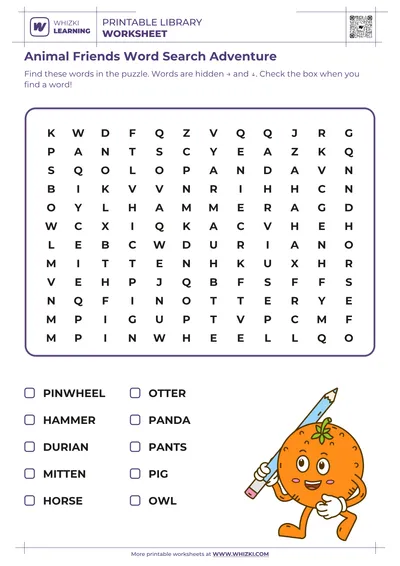
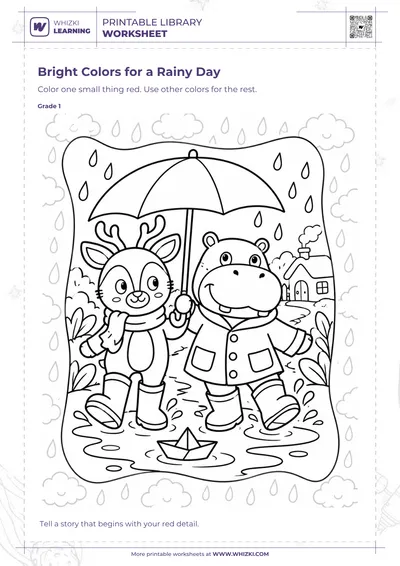
For families who want ready-to-print choices, the seasonal collection keeps simple pages in one place through the holiday and culture printables library. Pick one page, repeat the page twice, and let a child add crayons, counters, or cut paper before a new page appears.
How the learning streams stay gentle
The planning stream comes first because adults need fewer decisions during December, not a louder to-do list. The same thinking shaped the previous fall season guide, where a small bag of familiar materials did more good than a packed schedule.
The literacy and math streams stay short because speech-language pathology practice often favors repeated language, clear modeling, and turn-taking over long explanations. A child can clap syllables in stocking, count four buttons on a paper snowman, or match beginning sounds during a five-minute kitchen-table moment.
The world learning and feelings streams stay concrete because NAEYC guidance asks educators to respect family culture and child development. A preschooler can compare two holiday foods, name happy or worried faces in a story, or ask who celebrates which tradition, while an adult keeps the conversation warm and factual.
A 20-minute field-note plan
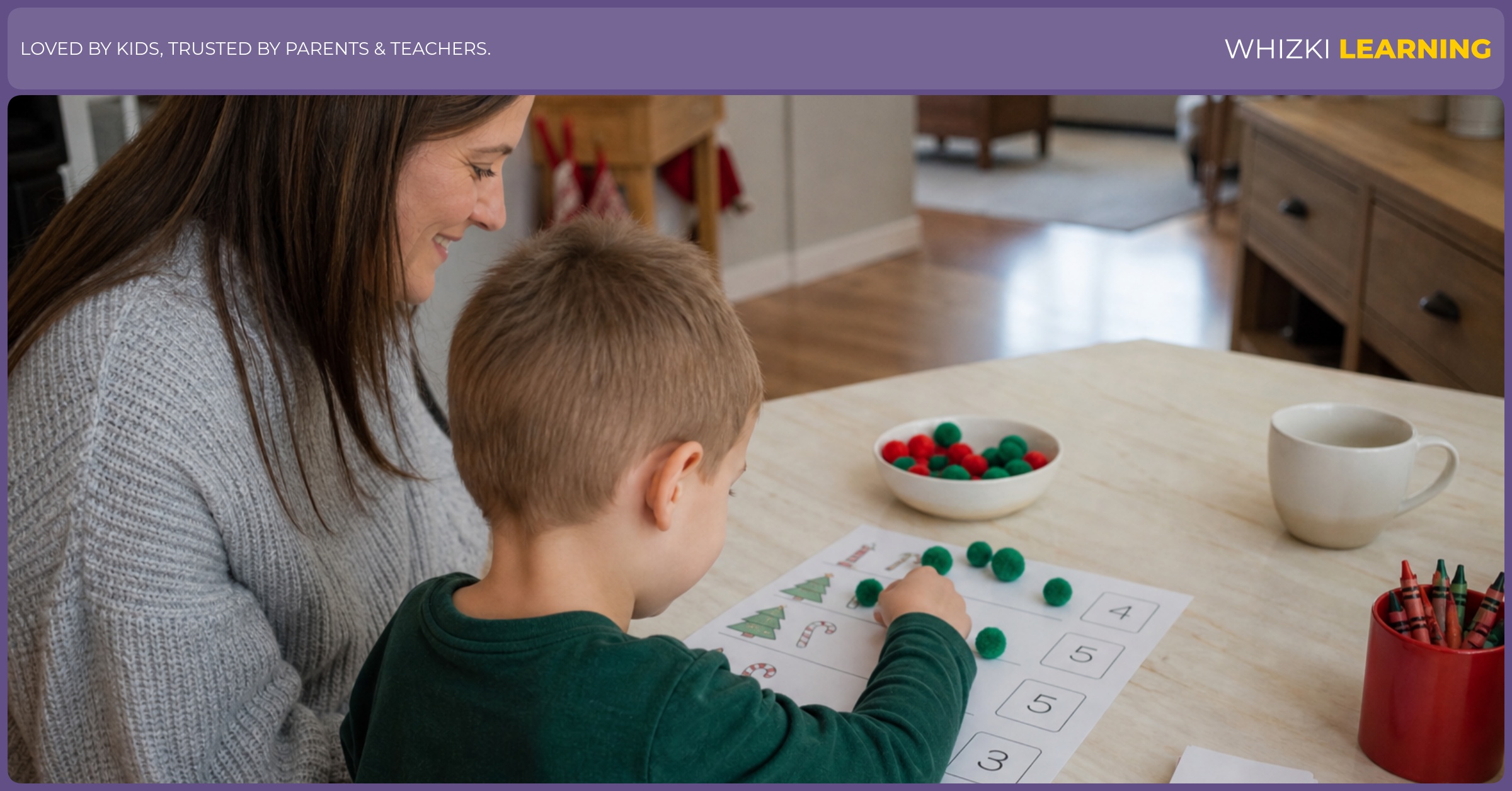
The 20-minute plan uses paper, crayons, five small counters, one book, and one envelope for saving work. Occupational-therapy heuristics favor stable seating, reachable materials, and short fine-motor bursts, so the setup matters as much as the worksheet.
Minutes 0 to 5 are for reading or singing the same short Christmas text from yesterday. Minutes 5 to 10 are for one letter or sound, such as finding every S in a sentence and tracing the sound with two fingers.
Minutes 10 to 15 are for counting objects into a cup, onto a paper tree, or beside a picture. Minutes 15 to 20 are for making and reuse, such as turning the paper into a card, puppet, label, or envelope note for another day.
Age adjustments keep the plan fair for different children. Ages 3 and 4 can point, scribble, sort, and count with help, ages 5 and 6 can trace, cut, match, and explain a choice, and age 7 can add a sentence, make a simple graph, or teach the activity to a younger sibling.
What the runway does not try to do
The Christmas runway does not replace free play, outdoor time, reading aloud, or family rest. NAEYC developmentally appropriate practice keeps reminding teachers that young children need movement, relationship, and choice, so a seasonal page should never swallow the whole afternoon.
The editorial limit is also practical: screen use happens in real homes, and no printable fixes a hard travel day or a late bedtime. A worksheet can be a bridge back to hands-on attention, but a worksheet is not a full behavior plan, reading program, or guarantee of kindergarten readiness.
The reuse stream exists because children often enjoy revisiting a known page with a new tool. Montessori practical-life thinking shows up here in simple care, cutting, folding, sorting, and returning materials to a basket, which helps a child feel capable without turning December into a performance.
A one-month runway gives adults breathing room and gives children repetition they can trust. Choose one tiny routine today, repeat the routine tomorrow, and let the season stay human-sized.