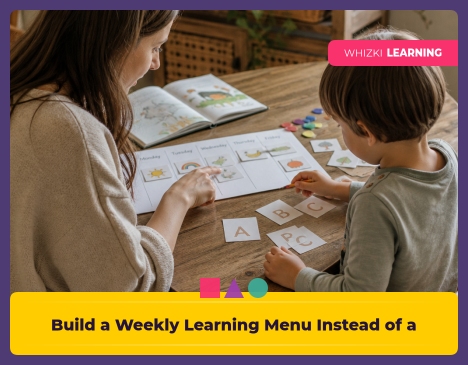
When Sunday night turns into a tug-of-war over worksheets, screen time, and who has to sit at the table, write six small learning choices on a sticky note for tomorrow. A weekly learning menu gives the adult a plan without asking a 3- to 7-year-old to follow a school bell at home. The first win is simple: choose one reading choice, one hands-on math choice, and one movement choice, then stop while the mood is still decent.
Reviewed by Whizki Editorial Team, Early Childhood Education Editors.
Why a menu works better than a clock
A weekly learning menu is a short set of invitations, not a minute-by-minute school schedule. NAEYC guidance reminds early-childhood educators to match learning to age, attention, culture, and real life, and a menu fits that kind of responsive planning. The menu keeps the adult from waking up each morning and inventing the whole day from scratch.
A Reggio-inspired teacher watches what the child is curious about before adding the next material. A parent can use the same habit at the kitchen table by noticing whether the child reaches for story cards, blocks, crayons, or a basket of shells. The observation helps the menu feel like guidance instead of a battle plan.
The weekly menu also protects the adult from overplanning. A 20-minute plan can still count when a child is sick, a baby needs attention, or a work call runs long. The honest limit is that the menu will not make every day calm, but the menu can make the next choice easier.
The six spaces on the menu
The first two spaces are reading and hands-on math. An Orton-Gillingham approach keeps early reading practice explicit and multisensory, so a reading space might be a read-aloud, sound sorting with picture cards, or finger tracing one letter in sand. A math space might be counting snack crackers, building stair-step towers, or matching buttons to number cards.
The next three spaces are drawing or writing, world learning, and movement. Drawing or writing can be scribbles with dictation for a 3-year-old, name practice for a 5-year-old, or one sentence with help for a 7-year-old. World learning can be weather watching, a family map, a plant jar, or a photo talk about a place the child knows.
The final space is open choice because young children need some ownership. Occupational-therapy basics remind teachers and parents that small bodies learn through touch, balance, pressure, and movement, so open choice may be play dough, water painting, blocks, or animal walks. Most menu spaces need 5 to 12 minutes, and movement can be shorter when energy is high.
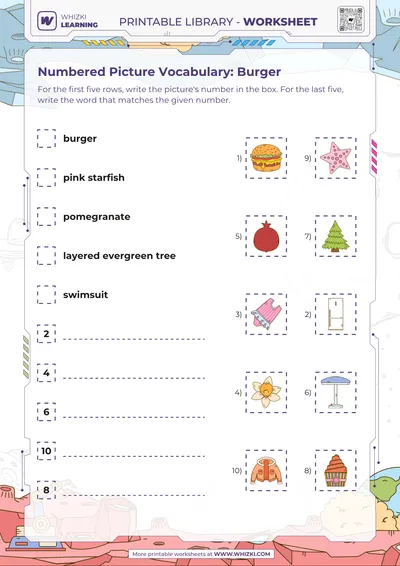
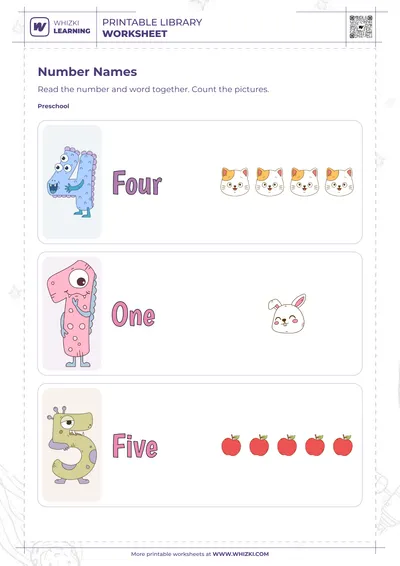
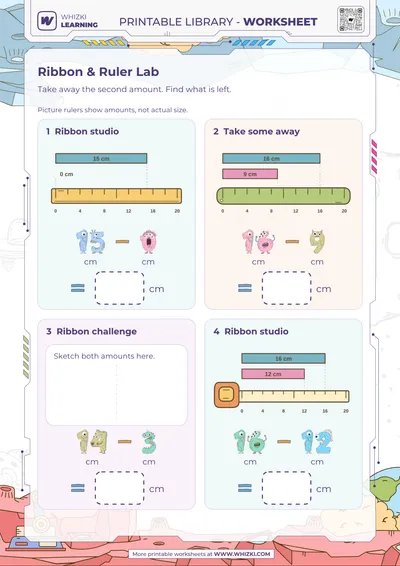
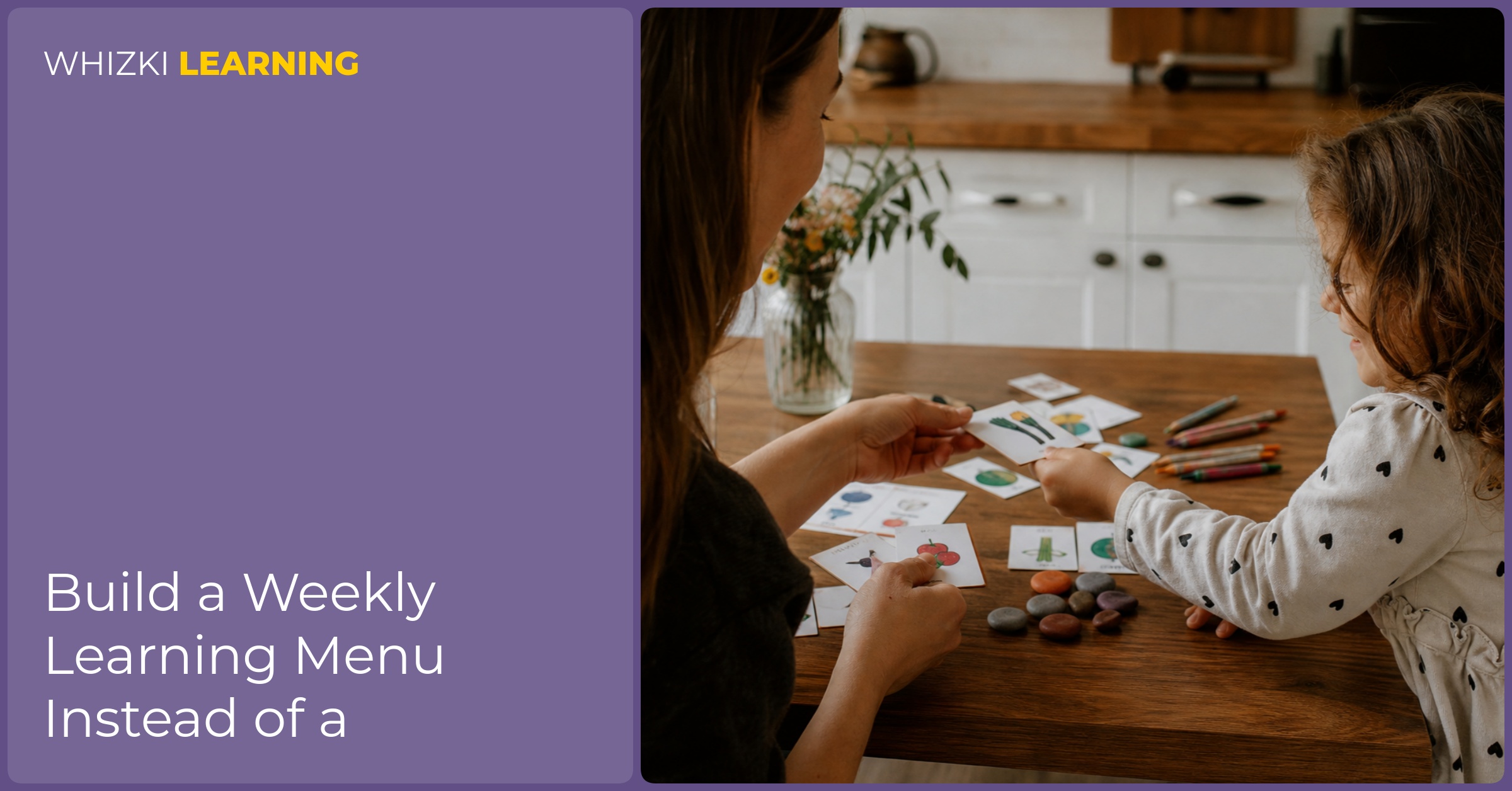
A one-page menu feels easier when the materials are already near the table. A seasonal tracing page, picture card, or counting mat from the printable library can fill one menu spot without turning the whole morning into paper work.
A three-day menu for busy weeks
A three-day menu is often enough for a real family week. Montessori observation helps here because the adult prepares a few clear materials and watches how the child uses each material. The three-day version works well during travel weeks, therapy weeks, new-baby weeks, or any stretch when five planned days would create more stress.
Monday can be a reading and movement day. Read one familiar picture book, ask the child to find one sound or repeated word, and then act out three pages with bear walks, tiptoe steps, or big jumps. The Orton-Gillingham habit is to keep the sound practice clear, brief, and connected to what the child can hear and say.
Wednesday can be a hands-on math and drawing day. Count five spoons, make a longer and shorter row, and draw the snack or tool the child liked best. The occupational-therapy lens says the pencil does not have to be perfect, because hand strength grows through pinching, rolling, pressing, tearing, and drawing.
Friday can be a world learning and open choice day. Look out the window, name the weather, compare two leaves, or talk about a family errand on a simple map. The Reggio habit is to treat the child's question as a door, so open choice may grow from that question rather than from the adult's original plan.
A five-day menu for fuller weeks
A five-day menu gives more rhythm without turning the home into a classroom schedule. NAEYC-aligned practice still leaves room for play, rest, family culture, outdoor time, and child choice. The fuller version works best when the adult writes choices in pencil and expects one or two changes.
Monday can focus on read-aloud and sound play, while Tuesday can focus on counting and building. Use one picture book, one letter sound, and one small pile of counters for Monday. Use blocks, cups, or socks for Tuesday, and keep the math language concrete with more, less, same, first, and last.
Wednesday can focus on drawing or writing, while Thursday can focus on world learning. A 3- or 4-year-old can draw a story and tell the adult the words, while a 5- to 7-year-old can copy a name, label a picture, or write a short sentence with support. A speech-language practice of modeling clear words helps the adult expand the child's sentence without turning the conversation into a quiz.
Friday can be movement plus open choice. The child can make an obstacle path, choose a favorite earlier activity, or teach the adult how to play a made-up game. The five-day version should end with something the child wants to repeat, because repetition is how early skills get sturdy.
How to choose activities without overplanning
The decision tree starts with the child's body, not the worksheet stack. A Montessori teacher might ask whether the child needs movement, quiet hands, food, or connection before asking for table work. A parent can ask the same question in ten seconds before choosing the next menu space.
If the child is tired, choose read-aloud or open choice. If the child is wiggly, choose movement before pencil work. If the child is eager, choose the harder skill first and save the cozy activity for the end, which fits NAEYC guidance about meeting children where the day actually begins.
The weekly menu is easier to maintain when the plan lives in one visible place. Families who want a broader page can use the family learning planner to jot down the six spaces, materials, and a backup idea. If a worksheet has already become a sore spot, the previous parent systems guide offers a calmer way to pause the paper without turning the pause into a power struggle.
What to prepare and what to skip
The preparation can stay small. Put one book, one pencil cup, one small math container, one movement idea, and one open-ended material in a basket before the week begins. Occupational-therapy practice favors real grasping, pinching, lifting, pouring, and pressing, so household objects often work better than a tall stack of pages.
The menu also needs a skip plan. Skip a space when the child is hungry, overstimulated, melting down, or already learning through deep play. Screen time does not need shame added to the family load, and the menu can simply give the next off-screen choice when the adult has the bandwidth.
The adult should ask for help when daily learning time brings extreme distress, frequent pain with writing tools, speech that is hard for familiar adults to understand, or a sudden loss of skills. A pediatrician, teacher, occupational therapist, or speech-language pathologist can help sort out whether the child needs more support. The menu is a planning tool, not a diagnosis or a promise about school placement.
A weekly learning menu gives the family a place to begin and a place to stop. Start with three days if the week is packed, or try five days when the home rhythm has more room.
The best version is the version the adult can actually repeat. One book, one counting game, one drawing, one real-world question, one movement break, and one open choice can carry a surprising amount of early learning.