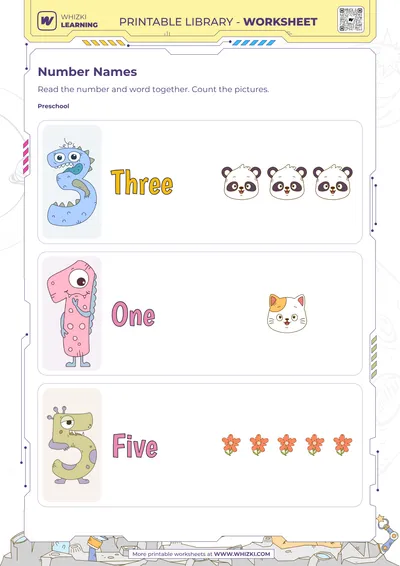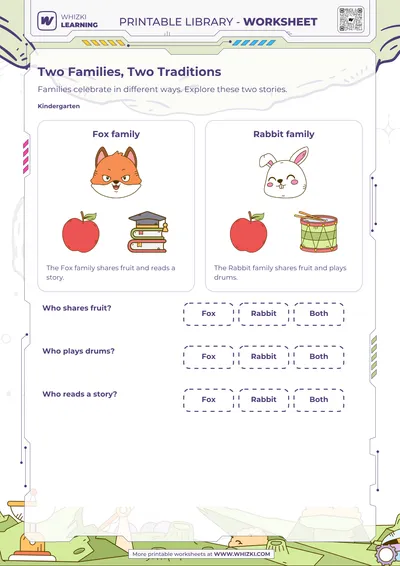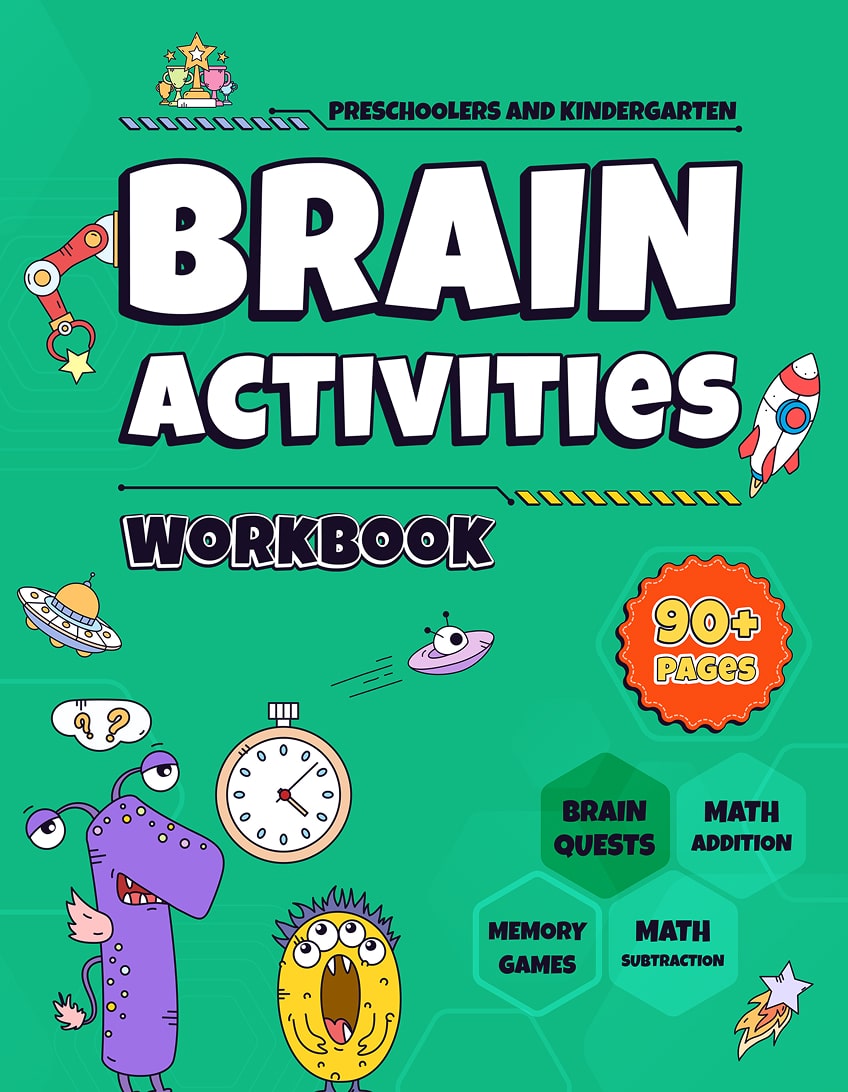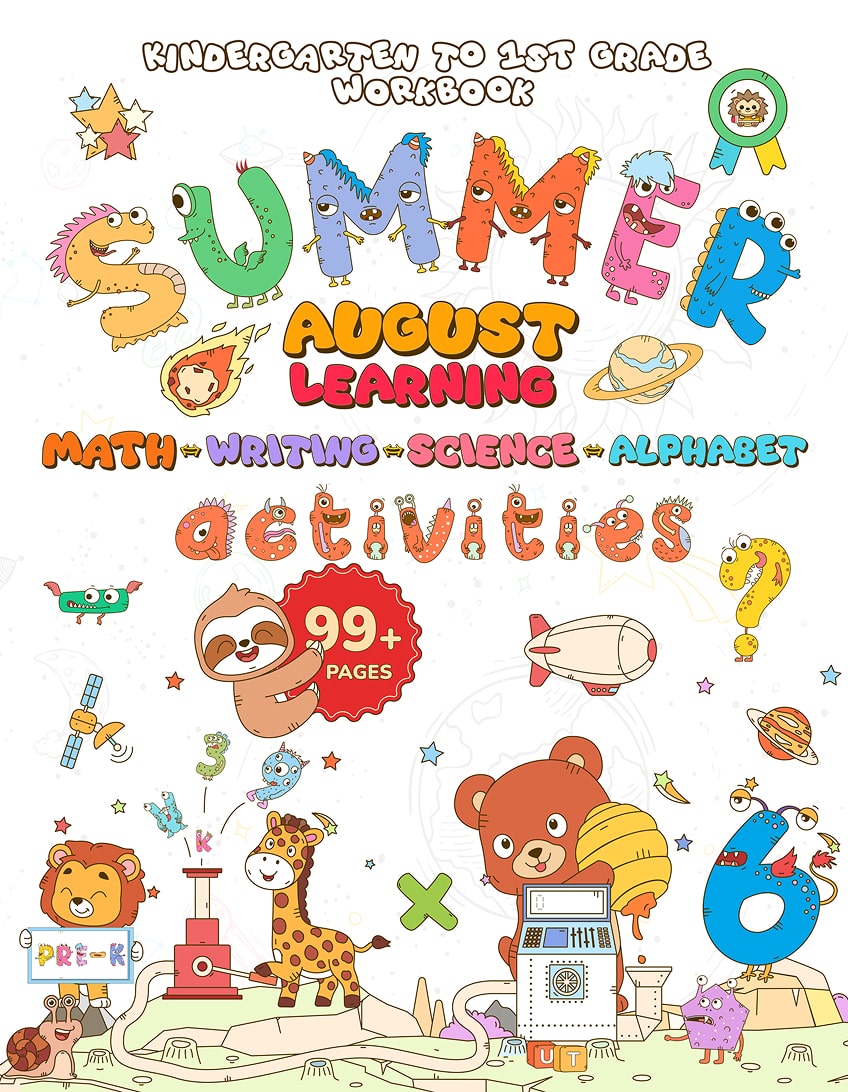
A holiday worksheet pack can look adorable in a cart and still leave a parent or teacher wondering whether the pages will fit a tired 4-year-old at the kitchen table, so today print one page in grayscale and ask, “What skill does this page practice?” The page goal should be simple enough to say out loud, like cutting curved lines, matching first sounds, counting to five, or tracing one capital letter. A release checklist slows the decision down without pretending that a checklist replaces child use, teacher judgment, or recorded testing.
Reviewed by Whizki Editorial Team, Early Childhood Education Editors.
Field note: process, not promise
The release checklist is a workbench record, not a guarantee that every child ages 3 to 7 will love or finish every page. NAEYC guidance keeps the review grounded in developmentally appropriate practice, which means the worksheet has to match the child, the setting, and the adult support available.
Documented fact: The checklist records what an editor can see before release, such as age label, page goal, print legibility, image tone, link path, and copy wording. Proposed next step: A parent or teacher can copy the same idea with a sticky note, a pencil, and five quiet minutes before a holiday activity goes in the folder.
The checklist also names limits in plain language. A page can pass a release review and still need adult help, a shorter sitting, or a different activity for a specific child.
Holiday pages are easier to choose when the product page names the skill before the decoration. The holiday and culture printables are best treated as one possible paper option beside books, talk, crafts, cooking, movement, and family stories.
Check skill coverage before the holiday theme
The distinct-skill check asks whether one page is mostly about one thing. The Orton-Gillingham approach taught me to separate sound work, letter formation, and blending practice when a child is new to print, because mixed directions can hide the exact skill a child is practicing.
The worksheet set review also scans the pack as a whole, so a seasonal download does not become twelve copies of the same tracing task with different hats. Parents comparing the worksheet sets can use the same lens by checking whether the pack includes early math, prewriting, vocabulary, visual discrimination, and fine-motor practice without crowding one page.
Documented fact: The release checklist can record that a page says ages 3 to 5, ages 4 to 6, or ages 5 to 7. Proposed check: A caregiver can place a dot on any page that needs scissors, small boxes, or several written answers, then save the dotted pages for older children or a helper table.
Check age labels and friendly imagery
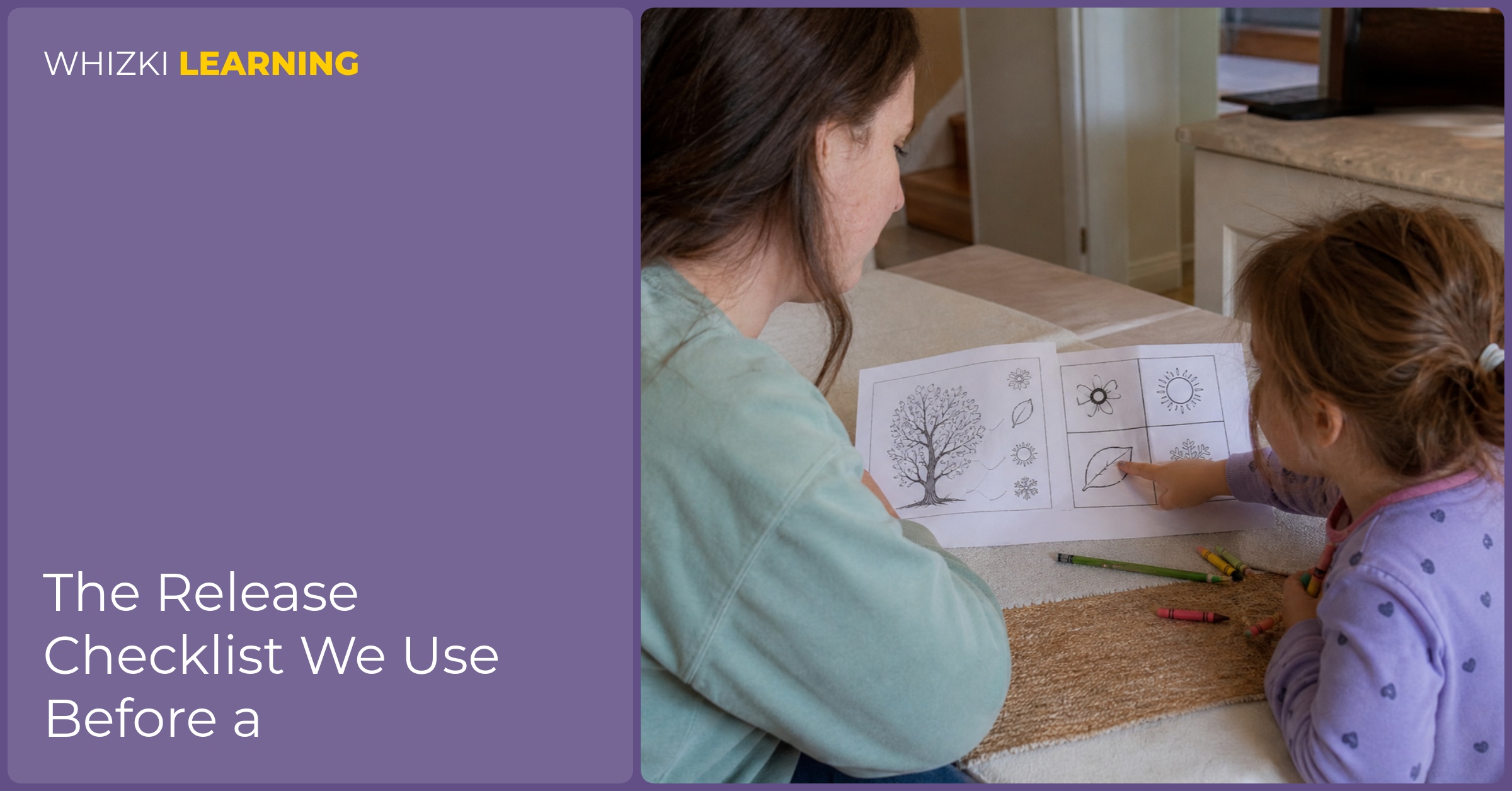
Age labels do real work when age labels name the support level a child is likely to need. A 3-year-old may need chunky marks and adult pointing, a 5-year-old may manage short directions with a reminder, and a 7-year-old may need a page that feels respectful rather than babyish.
Friendly imagery should invite attention without turning the page into visual clutter. Reggio observation practice reminds adults to notice what the child actually looks at, so the picture review asks whether the snowman, candle, pumpkin, or family table helps the task instead of stealing the task.
The picture-word review also checks whether labels, icons, and directions are doing the right job on the page. The previous field notes guide explains why some pages need pictures, some pages need words, and some early-learning pages need both with room to breathe.
Check grayscale print and motor load
Grayscale print quality matters because many homes and classrooms print in black ink, draft mode, or photocopy stacks. An occupational-therapy rule of thumb I use is simple: the page should keep the important boundary visible after printing, and the mark-making space should match the hand control expected from the age label.
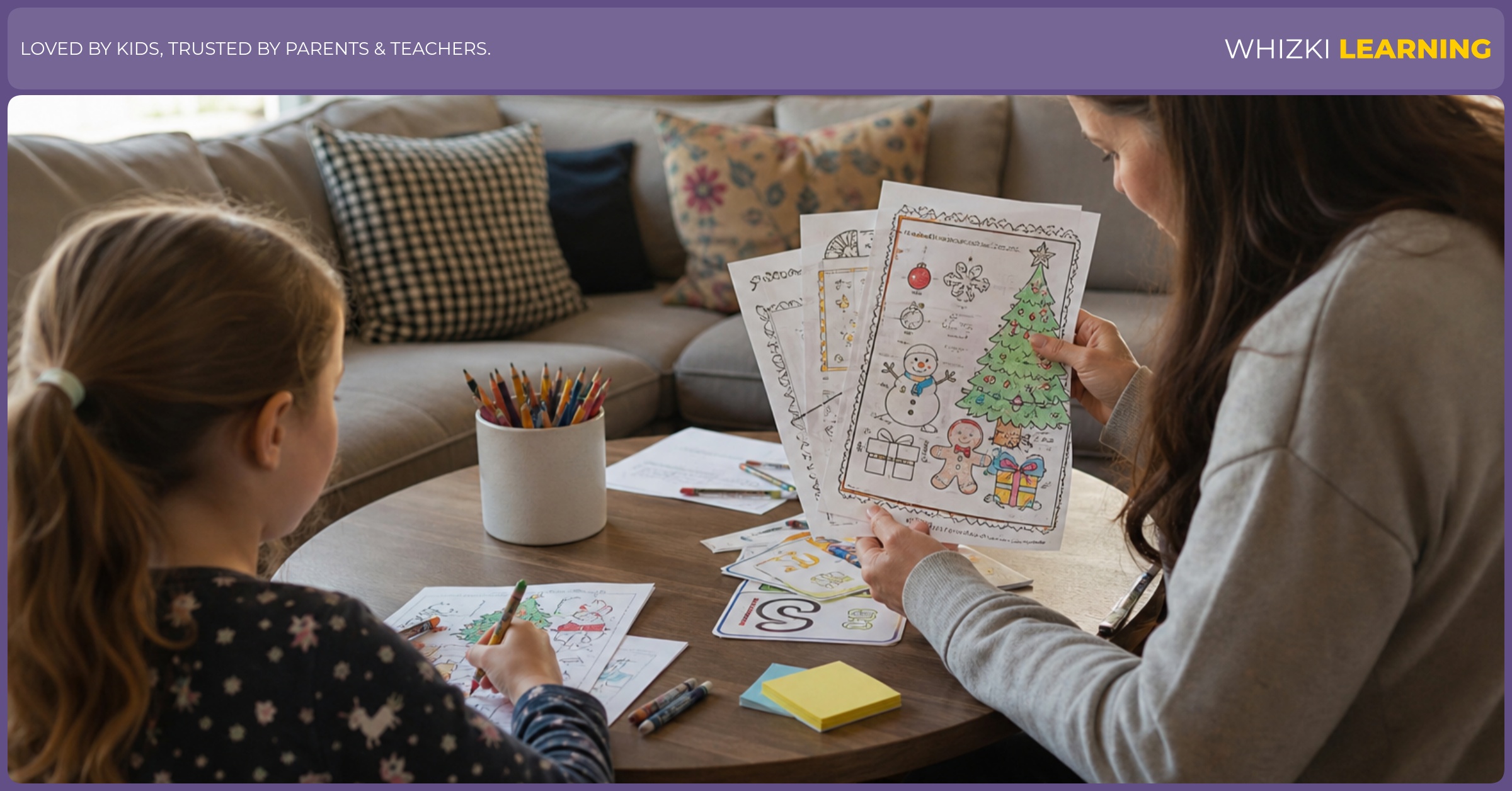
The independent page check asks whether a child can start the page after one adult read-aloud. A useful home test takes about eight minutes with a printer, a pencil, a crayon, child-safe scissors if needed, and one quiet surface, while a preschool teacher may run the same check during planning time before copies go into cubbies.
Documented fact: The release checklist can flag thin lines, low contrast, tiny boxes, crowded cutting paths, and directions that depend on color alone. Proposed check: A caregiver can print one page on low-ink mode, set the page under normal kitchen light, and circle any place where the child would need the adult to explain the picture rather than the skill.
Check repeated art, links, and product copy
Repeated-art review is not anti-cute, because children often like seeing a familiar character again. Montessori observation has trained many teachers to watch whether repetition supports independence or becomes filler, so the release review asks whether the reused image teaches a new skill, reviews an old skill, or simply takes up space.
Link accuracy is part of respect for a busy adult. The editor clicks every product link, learning-hub link, and download path before release, because a broken path can waste the ten minutes a parent had before dinner or the planning block a kindergarten teacher guarded carefully.
Truthful product copy keeps the worksheet in its proper place. The copy may say that a pack gives practice, review, seasonal vocabulary, or a printable activity, but the copy should not promise reading mastery, school placement, calm behavior, or a full curriculum from paper alone.
Use the checklist at home or school today
A home or classroom version of the release checklist can be small enough to use during real life. NAEYC guidance supports flexible materials, so a parent can preview two pages after breakfast, a homeschooler can sort pages by age band on Sunday night, and a preschool teacher can choose one page for a center while leaving space for blocks, stories, movement, and conversation.
A practical today plan is to choose one holiday page, print the page in grayscale, name the main skill, read the age label, check the image, and decide whether the page can stand alone if the page is pulled from the pack. In Orton-Gillingham tutoring, clean task boundaries make mistakes easier to understand, and the same idea helps a caregiver decide whether a missed answer came from the skill, the directions, the print, or the page design.
The checklist works best when the adult stays honest about the child in front of the page. A child who is hungry, tired, sensory-seeking, new to English, or still building pencil control may need a shorter activity, a verbal answer, a shared turn, or a completely different hands-on choice.
A release checklist is a process record, not a quality guarantee beyond the review that was actually completed. A thoughtful holiday worksheet can support one small moment of practice, and the adult beside the child still matters more than the paper.