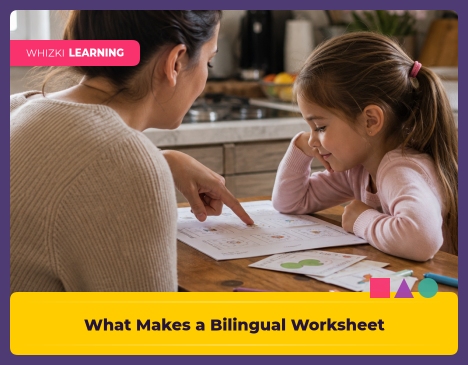
When one caregiver reads English and another reaches for Spanish, Arabic, Mandarin, or another home language, a worksheet direction can become the tiny thing that slows the whole table down. The useful action for today is simple: cover one language, read the direction aloud, then cover the other language and ask whether the adult would do the same action with the child. The worksheet direction passes the first home check when both readings lead to the same pencil move, finger point, or spoken response.
Reviewed by Whizki Editorial Team, Early Childhood Education Editors.
Parallel meaning before matching words
The bilingual worksheet direction needs parallel meaning more than matching word count. In Orton-Gillingham lessons, the adult wording stays steady because the child is already working hard on sound, symbol, and movement; bilingual directions deserve the same care. A direction such as "Trace the letter" should lead to the same hand action in both languages, even when the grammar lands in a different order.
The documented design fact is that languages do not map neatly word for word. Speech-language pathology practice often separates the message a child needs from the exact wording an adult uses, and the same separation helps worksheet design. The proposed check is to ask, "Would both adults point to the same crayon, same letter, and same starting place after reading the direction?"
Line length and visual order help the adult
The bilingual worksheet layout has to protect the adult from hunting around the page. Occupational-therapy basics remind teachers to reduce visual clutter when a child is using a pencil, because the child's eyes, hand, and attention are already busy. The adult direction should sit near the task, follow the same left-to-right or top-to-bottom order as the page, and keep both languages close enough to compare without scanning across the whole sheet.
The design choice I trust is equal dignity in the two languages, not one large language plus one tiny afterthought. NAEYC guidance on family language and access supports treating home language as part of the learning environment, and the worksheet can show that respect through size, spacing, and placement. If the second language has to become unreadably small to fit, the better fix is usually a shorter direction, more white space, or a two-line direction rather than miniature text.
Verbs need to fit ages three to seven
The worksheet verb should name an action a young child can actually do. NAEYC's developmentally appropriate practice asks adults to match tasks to children's current abilities, and Montessori-style observation pushes the adult to watch the hand before adding more language. For ages 3 and 4, verbs like touch, point, say, match, trace, and color usually carry more meaning than explain, compare, or analyze.
The age adjustment changes the direction before the worksheet changes the whole activity. A preschool page might say, "Touch the apple. Say /a/." A kindergarten page can carry a little more sequence, such as "Circle the pictures that begin with /m/, then say each word." The honest limit is that a worksheet direction cannot replace adult modeling, especially when a child is new to the school language or new to pencil work.
Alphabet examples must belong to the language
The alphabet example has to fit the alphabet being practiced, not the alphabet the designer knows best. The Orton-Gillingham approach links sound, symbol, mouth movement, and hand movement, so a bilingual page should avoid pretending every language uses the same sound-letter pattern. A Spanish example for ñ, an English example for short a, and an Arabic example for letter shape position each need their own logic.
The family language plan around the worksheet matters, too. The previous bilingual home guide is useful here because the adult can decide which language carries the routine before the paper comes out. The worksheet direction becomes easier when the child hears one steady adult routine, such as "Spanish for breakfast practice" or "English for library folder time," rather than switching mid-direction because the page feels crowded.
A four-minute review before the page goes home
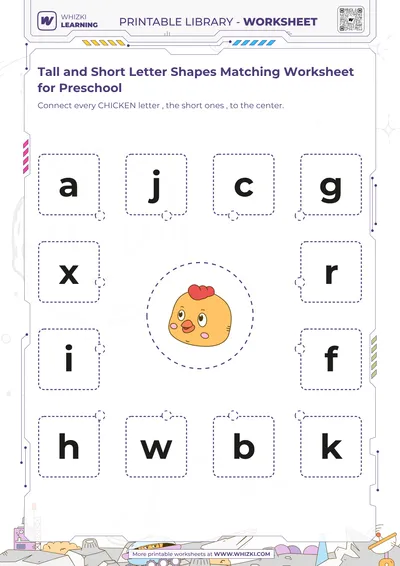
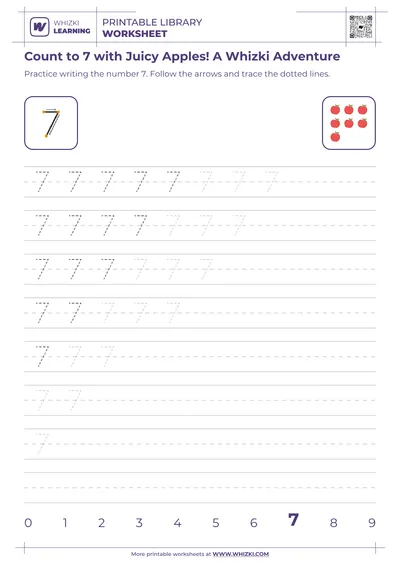
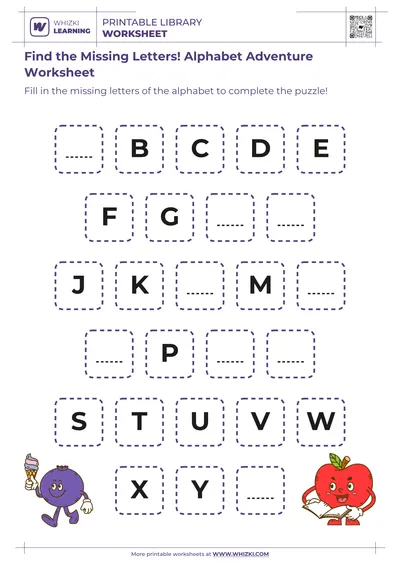
The review routine can be short enough for a teacher planning table or a parent printer basket. Reggio practice treats the prepared environment as a teacher, so the page itself should guide the adult without needing a long speech. Before using a bilingual printable from the printable library, read both directions aloud, check whether the eye goes to the same first spot, and make sure the child-facing action is visible.
The proposed four-minute check has three parts: meaning, eyes, and hands. Meaning asks whether both languages tell the adult to do the same thing, eyes asks whether both directions sit in the same visual order, and hands asks whether the verb matches what a 3- to 7-year-old can do with a finger, crayon, scissors, or pencil. Occupational-therapy heuristics around motor planning support that last question, because unclear language often looks like behavior trouble when the real problem is a hidden motor demand.
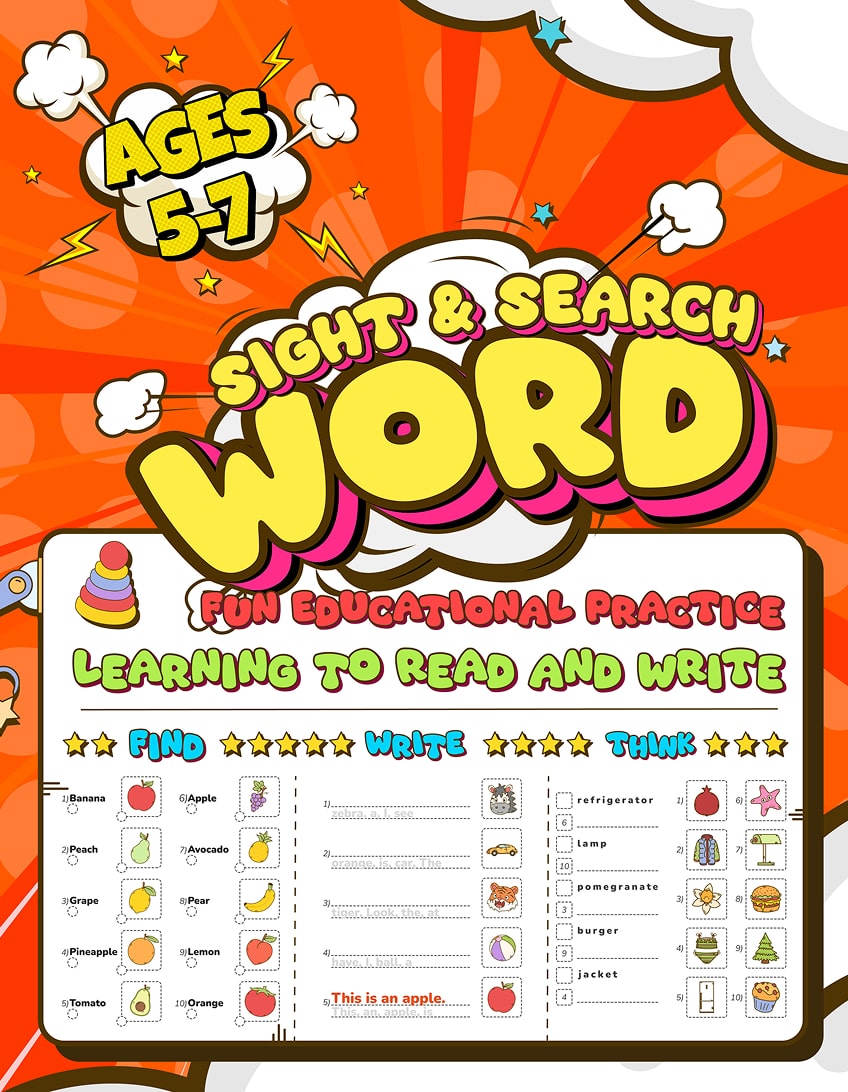
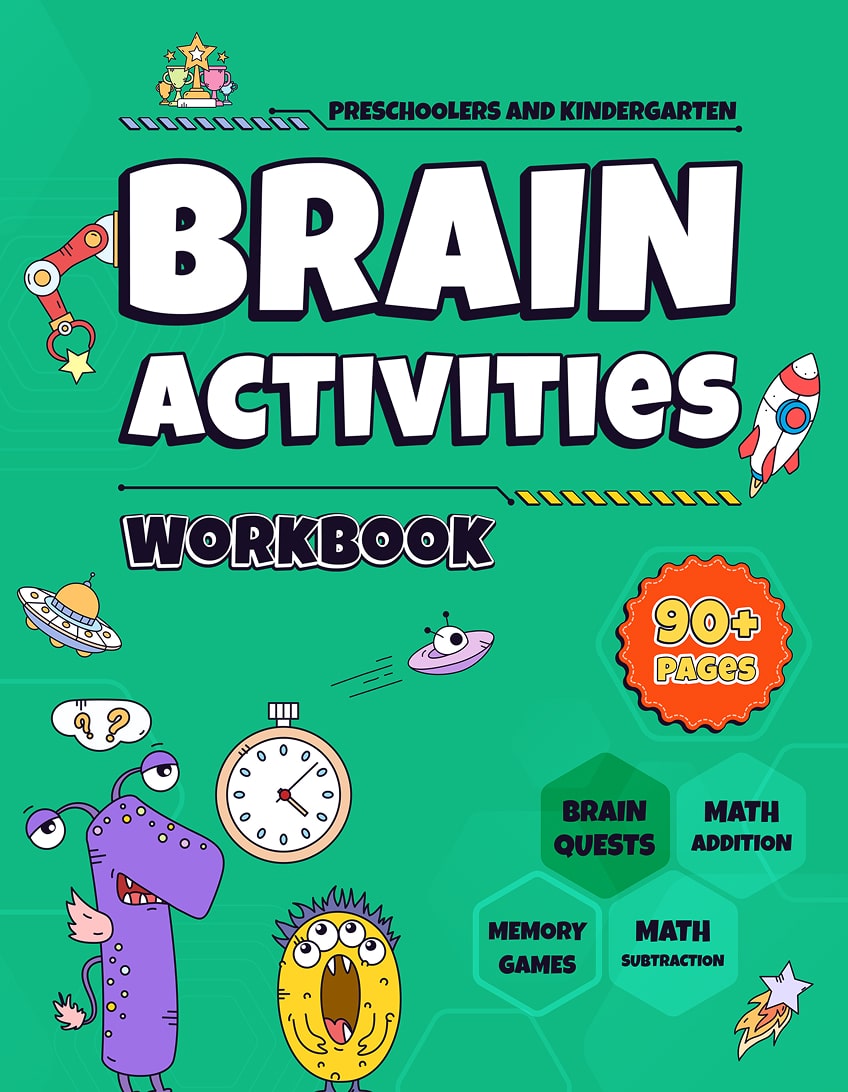
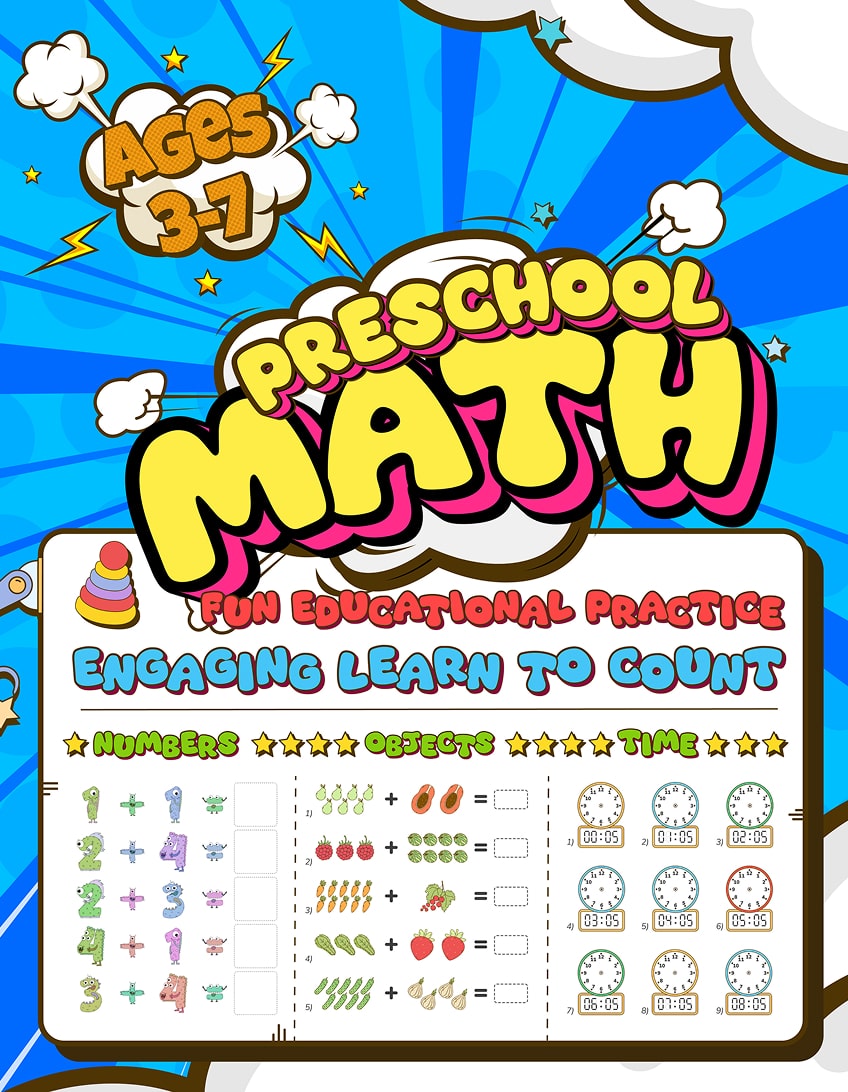
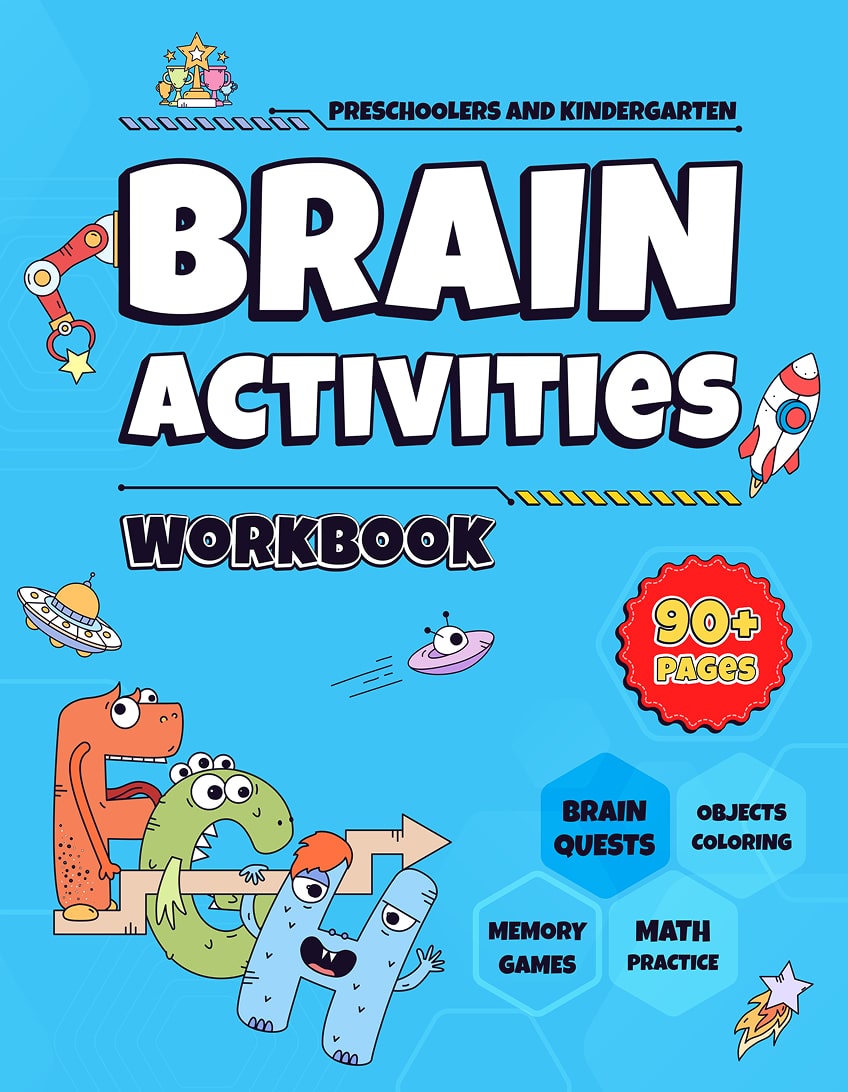
For families who like paper ready to go, the printed workbooks can sit in the same basket as crayons, child scissors, and a glue stick. A workbook is still only one tool, so the adult voice, home language routine, and quick direction check matter more than finishing every page.
A bilingual worksheet direction is easy to use when the adult can read, point, and begin without translating under pressure. The best pages respect both languages on the page, keep the child action concrete, and leave enough visual breathing room for small hands and real family life. If a direction fails the cover-one-language check, shorten the wording before blaming the child or the adult.