
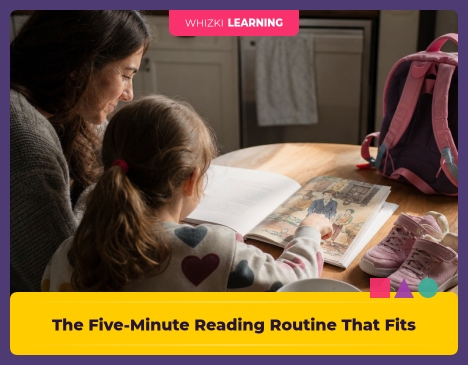
When the morning choice is “read a book” or “get shoes on,” try one familiar book at the table for five minutes, then stop before the backpack scramble turns into a standoff. The routine is small on purpose: no packet, no perfect read-aloud voice, and no need to finish the story. A preschooler, kindergartner, caregiver, teacher, or homeschool parent can use the same four moves today with the book already on the couch.
Reviewed by Sarah Mitchell, M.S., CCC-SLP, Speech-Language Pathologist.
The five-minute routine
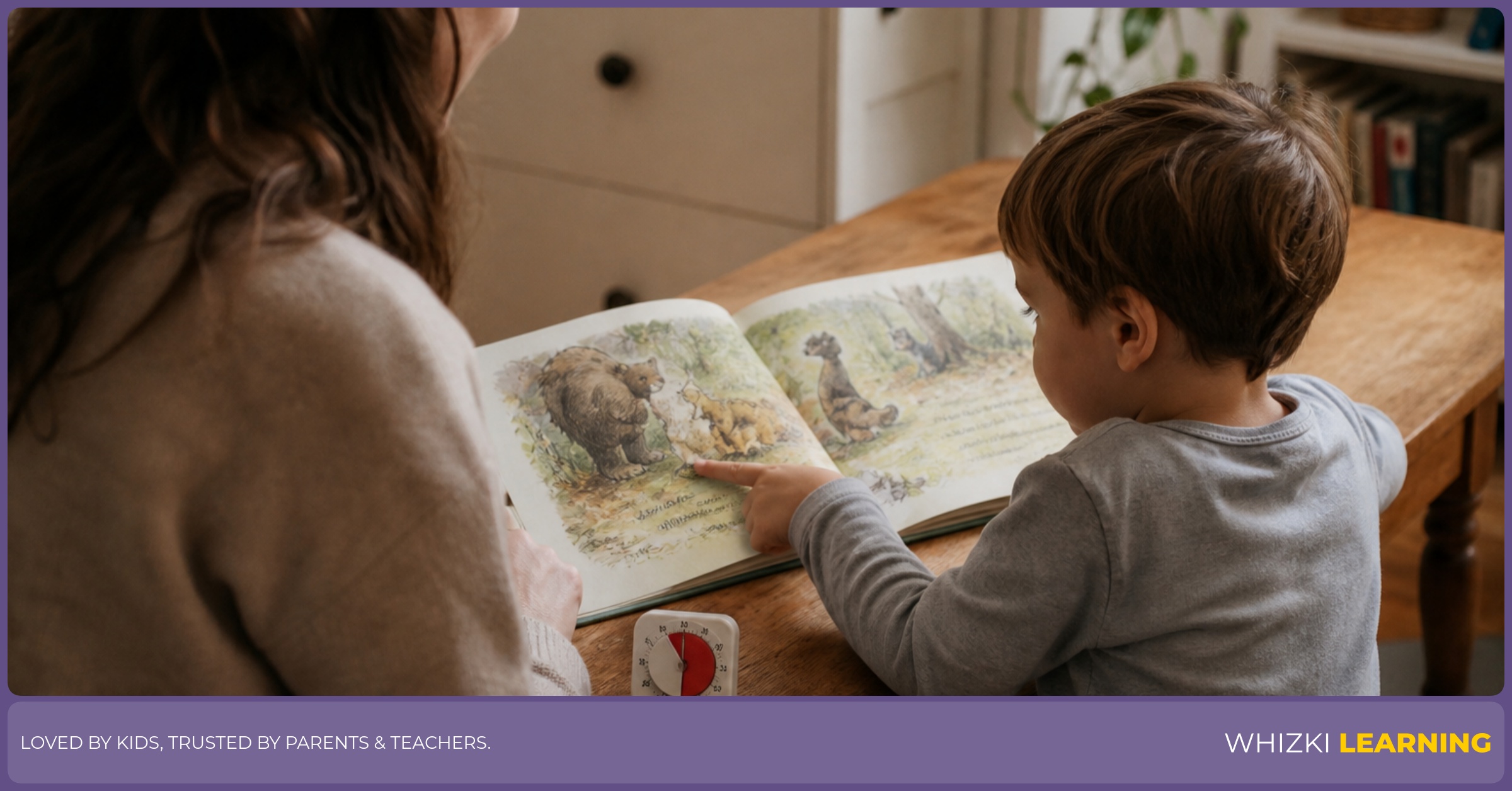
The five-minute routine needs one familiar picture book, a kitchen timer, and the adult’s calm voice. The Orton-Gillingham approach reminds teachers to make literacy multisensory and predictable, so the child sees the page, hears the words, and touches one letter without a long drill.
The child chooses any page, even a page near the end. The adult reads the page, or the adult reads most words while an emerging reader joins on a repeated phrase. The child finds one target letter, such as the first letter in the child’s name, or retells one event from the picture. The adult closes the book after the small job and says, “Reading time is done for morning.”
The stopping point matters because the child learns that reading can be short, safe, and complete. A timer can help the adult stop, because adults are often the ones who add “just one more page” when the clock is already tight. Five minutes is enough for shared attention, letter noticing, oral language, and a clean handoff to shoes.
Why one familiar book works before school
A familiar book lowers the planning load for the adult and the language load for the child. Speech-language pathology practice often starts with shared attention and meaningful talk before asking for perfect word reading, and a well-loved page gives the child a place to join.
The child’s page choice is not a delay tactic when the adult gives a clear boundary. Reggio-inspired teaching treats choice as information about interest, so the adult can notice whether the child returns to a funny picture, a favorite character, or a page with a big bold letter.
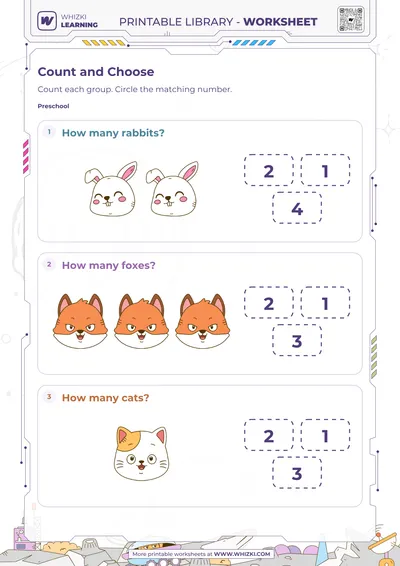
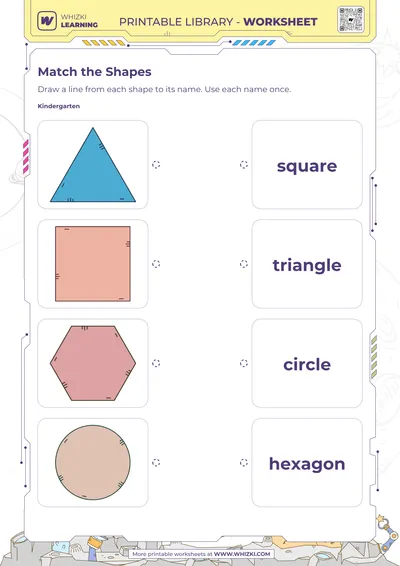
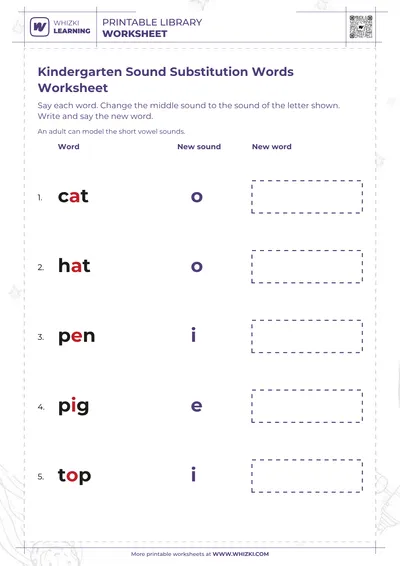
If a printable helps the adult remember the letter job, Whizki Learning has simple letter support inside the alphabet learning hub. The printable is only a backup cue, because the book, the child’s finger, and the adult’s voice are the main materials.
A one-page letter sheet can sit beside the breakfast spot for mornings when the adult brain is already full. Choose one letter from the alphabet learning hub, then let the child find that same letter on the book page.
The no-reading-mood option
The no-reading-mood option is still a literacy routine: place the closed book on the table, invite the child to point to the cover picture, and ask the child to tell what might happen on one page. The occupational therapy rule of thumb I use is match the body first: hungry hands can hold a banana, wiggly feet can stand at the counter, and sleepy eyes can look at one picture instead of tracking every word.
When the child says no to reading, the adult can say, “No page today, cover talk only.” The adult names one picture on the cover, waits for the child to add a word or gesture, and then closes the book. The no-reading-mood option protects the habit without making the morning feel like a test.
For children who finish the tiny routine in twenty seconds and start grabbing every book nearby, the adult can borrow the stop signal from the previous parent systems guide. A clear finish line helps fast movers know that done means done, not louder, longer, or messier.
Age adjustments for ages three to seven
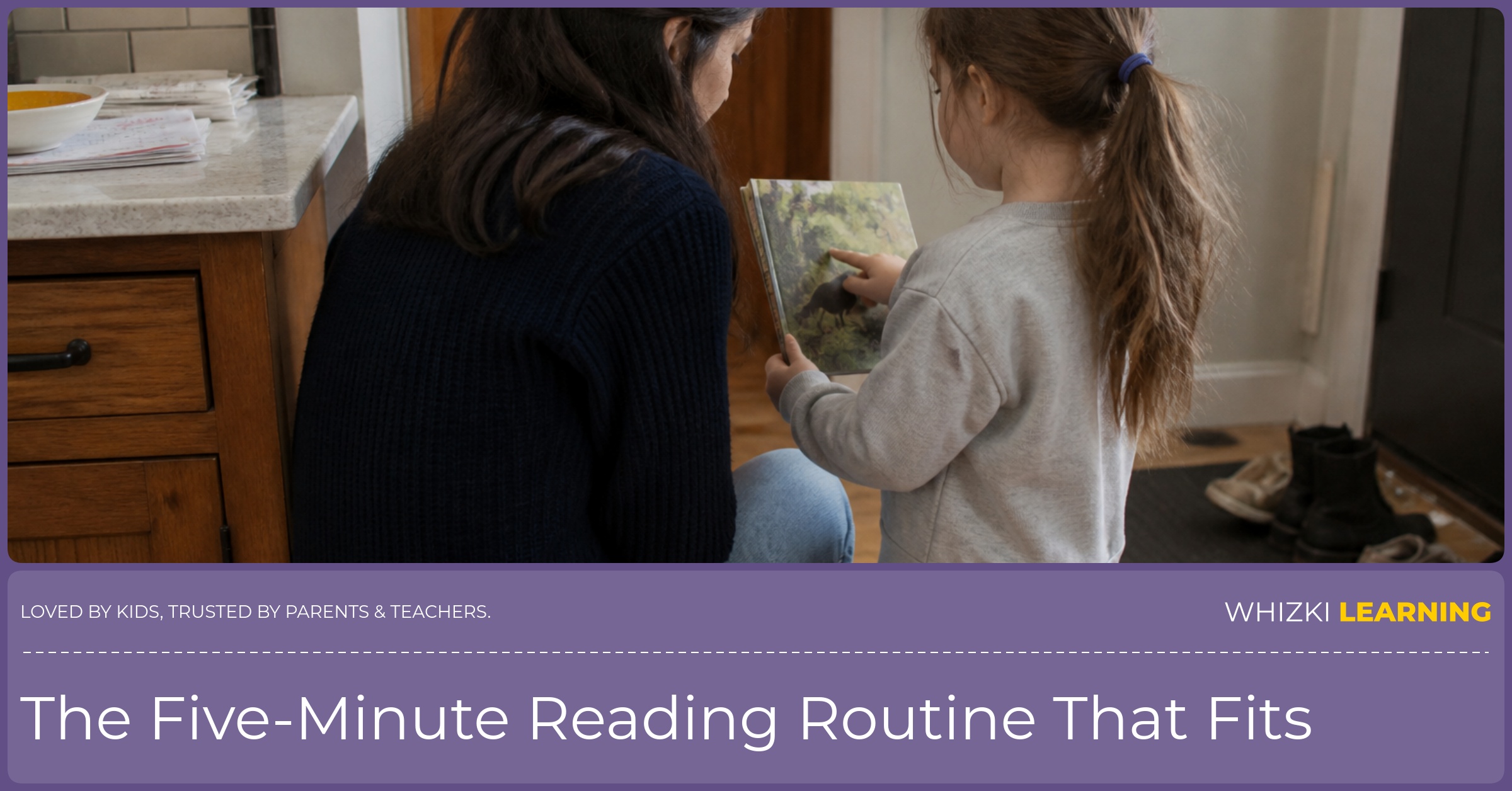
A three- or four-year-old can point to one picture, copy one sound, or find a letter that looks like a stick, circle, or mountain. NAEYC developmentally appropriate practice reminds adults to match the task to the child’s current control, so a wiggly preschooler may need the adult to accept a gesture as the answer.
A five- or six-year-old can help read a repeated line, clap the syllables in one character name, or find the first sound in a familiar word. The Orton-Gillingham approach builds from sound to symbol, so the adult can say the sound clearly before asking the child to hunt for the letter.
A seven-year-old who already reads simple books may use the same routine for fluency, expression, or a short retell. The routine cannot replace a full reading lesson, and the routine cannot answer concerns about hearing, speech, vision, or learning needs. A parent or teacher should ask a pediatrician, speech-language pathologist, occupational therapist, or reading specialist when a concern lasts across settings.
Make the routine repeatable
The repeatable part is the adult plan, not the book title. Montessori practical-life work often uses a prepared place for materials, so the book can live in a basket near breakfast with the timer and one bookmark.
The family can choose the book the night before and mark the likely page with a sticky note. A caregiver who wants a calmer weekly rhythm can place the reading slot inside the family learning planner, especially when different adults handle drop-off on different days.
The teacher or homeschool parent can use the same routine at arrival time with one basket book and one child at a time. The honest limit is that five minutes will not fix every rushed morning, but five protected minutes can keep reading from becoming one more argument before the day begins.
The five-minute reading routine counts when the child hears one page, touches one letter, or tells one event. The morning routine also counts when the adult protects the ending and gets everyone to shoes without turning reading into a lecture. Tomorrow can use the same book, the same page, and the same calm stop.