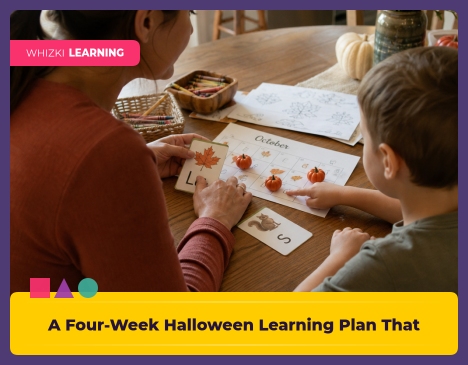
October can become a family debate fast, one child wants costumes every day, another child wants no spooky talk at all, and the grown-up just wants learning to keep moving, so choose one tiny focus for the current week and stop there. A ten-minute word game, a bowl of pumpkin seeds, or a quiet crayon page is enough for today. The October runway can stay playful without turning Halloween into a month-long production.
Reviewed by Whizki Editorial Team, Early Childhood Education Editors.
Start with a small October setup
The October setup works best when the grown-up chooses a weekly focus before choosing supplies. The NAEYC guideline I lean on in preschool planning is simple: young children learn through active, meaningful play, and family culture matters. A child who loves costumes can use pumpkins and friendly words, while a child who dislikes Halloween can use leaves, apples, cats, or lanterns instead.
The planning step takes about fifteen minutes. Write four boxes on paper or use the family learning planner, then label the boxes friendly vocabulary, pumpkin math, pattern tracing, and calm Halloween day. The plan becomes a menu, not a contract, and skipped days do not need make-up work.
The materials can stay humble: crayons, scrap paper, a pencil, child-safe scissors, stickers, ten small counters, and one small pumpkin or orange ball. A preschooler may need three to five minutes and a grown-up nearby, while a kindergartner or first grader may enjoy ten to fifteen minutes with more choice. The honest limit is that October energy can be uneven, so the grown-up should stop while the child still feels successful.
Week 1: friendly Halloween vocabulary
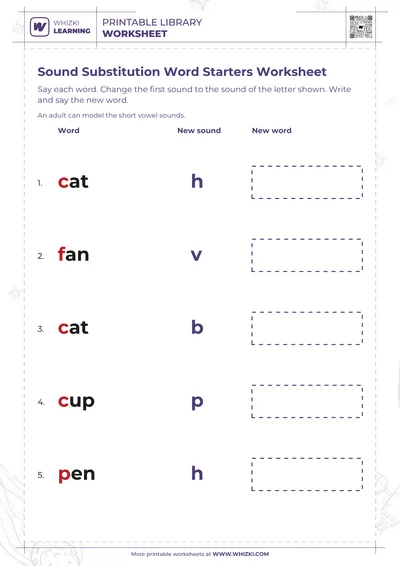
The week-one goal is language, not spooky excitement. In Orton-Gillingham practice, a child hears, says, taps, and sees a word so the sound and meaning connect in more than one way. Use friendly words such as pumpkin, cat, leaf, hat, moon, treat, orange, or parade, and skip any picture or word that makes the child tense.
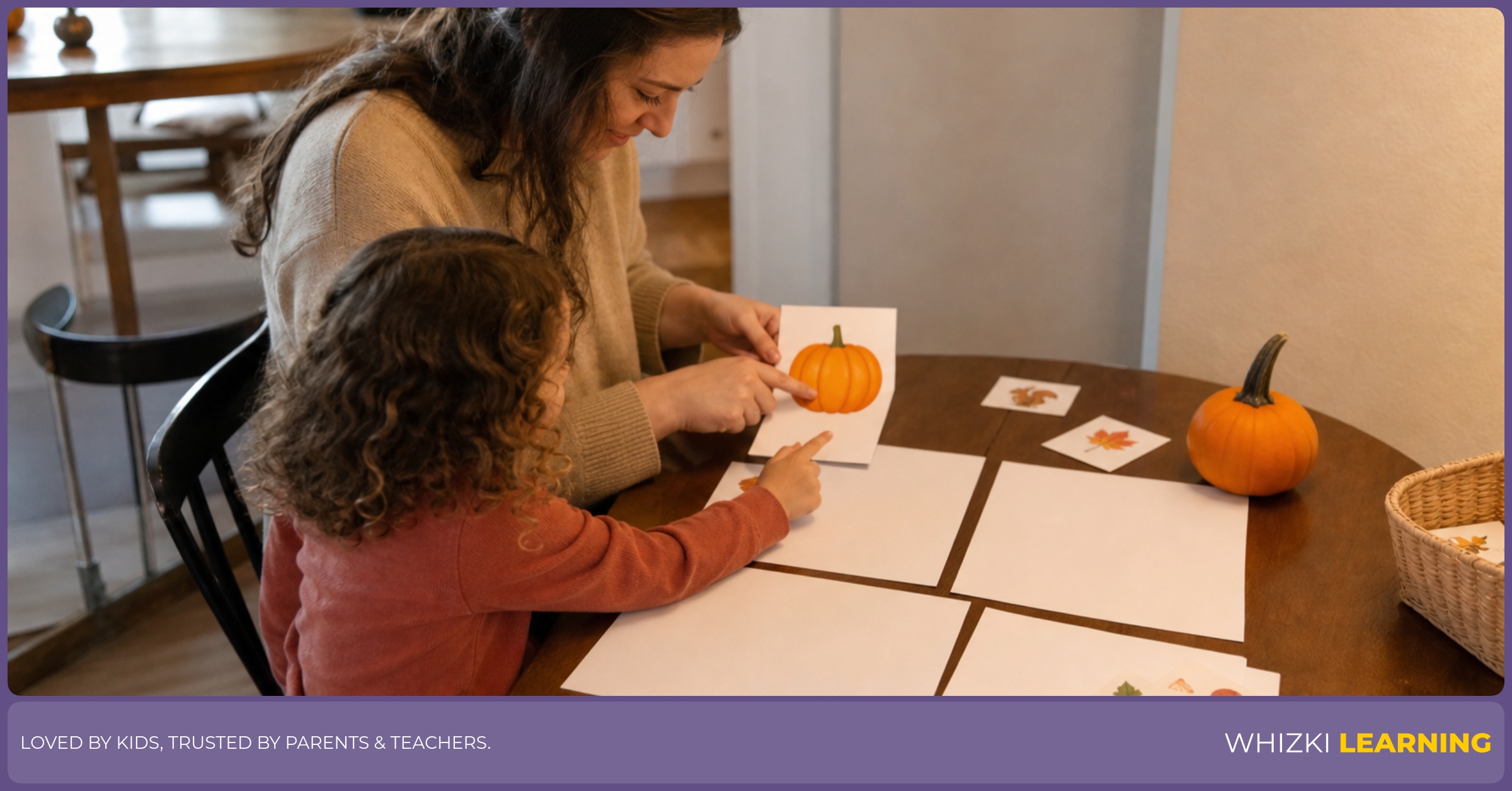
The ten-minute routine can begin with three picture cards or quick sketches. The grown-up says one word, the child repeats the word, and the pair claps the syllables together. A 3-year-old can point to the matching picture, a 4- or 5-year-old can sort by first sound, and a 6- or 7-year-old can copy one word with a model.
The vocabulary limit matters because too many seasonal words blur together. Pick three to five words for the week and reuse the same words during snack, read-aloud time, or a walk around the block. Speech-language pathology practice often starts with clear, repeated words in real situations, and October gives families plenty of real objects to name without needing a themed worksheet every day.
If prepared pages would save planning time, the Halloween Learning Activities Pack can give you gentle vocabulary, coloring, tracing, and early math choices in one place. The printable pack is a helper, not a full curriculum, so pair the pages with talk, movement, and real objects on the table.
Week 2: pumpkin math with real objects
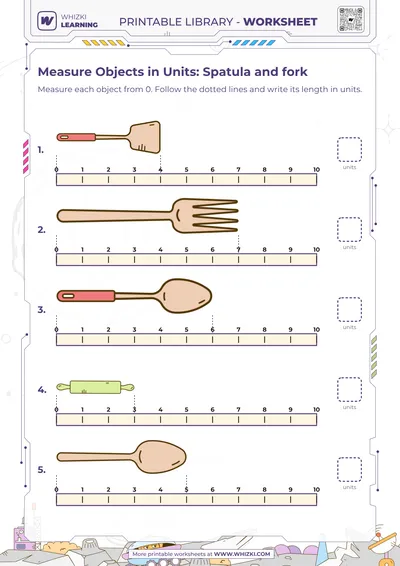
The week-two goal is counting that a child can touch. Montessori and early-childhood math routines often move from hands-on objects to pictures and then to symbols, because young children need to feel quantity before a numeral makes sense. A small pumpkin, ten seeds, mini erasers, buttons, or dry pasta can become the whole lesson.
The eight- to twelve-minute activity begins with one pumpkin mat drawn on paper. The child places one counter at a time on the pumpkin while the grown-up counts slowly and points to each counter. A 3-year-old may count to three with help, a 4- or 5-year-old may match counters to numerals 1 through 5, and a 6- or 7-year-old may compare two small groups using more, fewer, or same.
The math talk should stay short and concrete. Say, “You put four seeds on the pumpkin,” rather than asking rapid-fire questions. The honest limit is that candy counting can become all about eating for some children, so household counters are often calmer during practice and real treats can stay separate.
Week 3: patterns, tracing, and pencil readiness
The week-three goal is pencil readiness through patterns and controlled lines. Occupational-therapy basics remind me to watch the whole body before correcting the fingers: feet supported, paper steady, elbow resting, and the tool short enough for a comfortable grasp. A short crayon, golf pencil, or broken chalk piece can help little hands more than a long pencil.
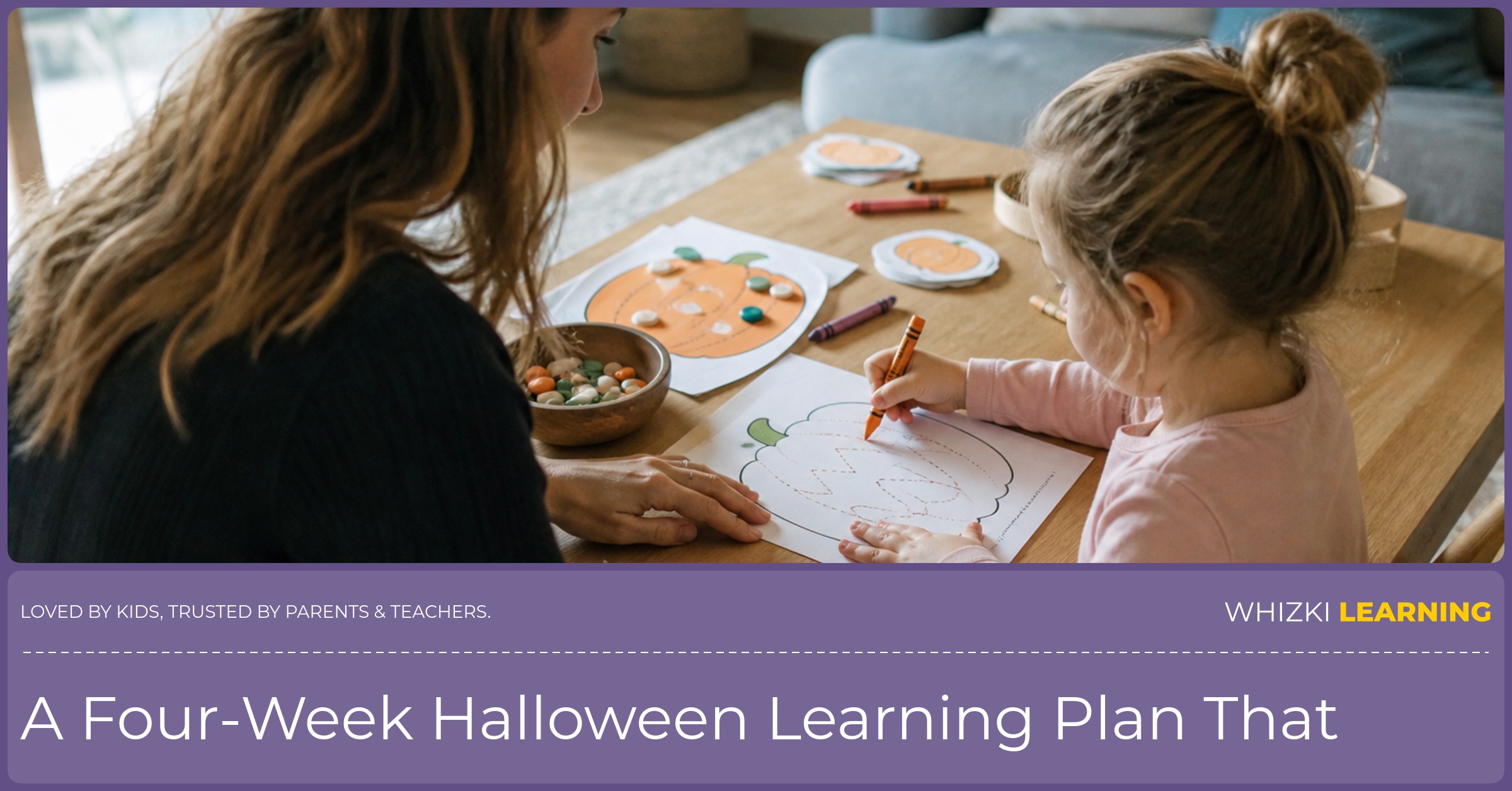
The pattern practice can take ten minutes on a tray or tabletop. Make an orange-black-orange pattern with blocks, leaves, pom-poms, or paper squares, and invite the child to continue the pattern for two or three more pieces. A 3- or 4-year-old can copy an AB pattern, a 5-year-old can try ABB or AAB, and a 6- or 7-year-old can draw the pattern on paper after building the pattern by hand.
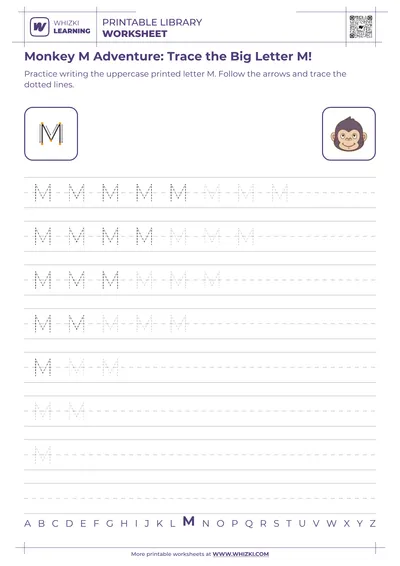
The tracing practice should feel like a path, not a handwriting test. Draw wide pumpkin vines, fence lines, zigzags, and gentle curves, then ask the child to drive a crayon along the road. The Orton-Gillingham approach also supports saying the movement aloud, such as “down, around, stop,” because language can guide the hand before letters become automatic.
The fall routine can connect to daily life if October already feels full. The coat, zipper, sock, and shoe practice in the previous fall season guide gives fine-motor practice without adding another table task. Real fastening, pushing, pulling, and lining up shoes count as learning for ages 3-7.
Week 4: a calm Halloween-day activity
The Halloween-day goal is regulation through predictable play, not extra stimulation. Reggio-inspired teaching gives children time to represent ideas with simple materials, and a calm table invitation can help a child choose a role in the day. Offer paper, crayons, stickers, and a small basket of friendly objects such as leaves, fabric squares, or toy animals.
The activity can be a “kindness delivery” card station for ten to twenty minutes. The child makes one card for a neighbor, sibling, teacher, or stuffed animal, then dictates a sentence while the grown-up writes the words. A younger child can scribble and choose a sticker, while an older child can copy a name, draw a picture, or read the card aloud.
The Halloween-day limit is that timing matters. Place the calm activity before costumes, visitors, or evening plans if the child tends to get worn out. If Halloween is not celebrated in the home, the same station can become an autumn card, thank-you note, or cozy-day drawing without losing the literacy and fine-motor practice.
How to adjust the plan for your child
The best adjustment is often subtraction. NAEYC developmentally appropriate practice asks adults to match learning to the child in front of the adult, not to a perfect calendar. If a child resists a page, offer real objects first, shorten the time, or switch the theme to pumpkins, animals, weather, or family plans.
The plan also needs room for sensory preferences. Occupational-therapy heuristics often look at texture, sound, light, movement, and body position before assuming a child is refusing to learn. A child who dislikes sticky pumpkin pulp can count smooth buttons, and a child who dislikes costumes can sort paper leaves in regular clothes.
The grown-up can keep notes without turning October into an assessment. Write one quick line after practice: “counted five seeds,” “copied cat,” or “needed help holding paper.” The note helps the next activity fit the child, and the note does not label the child or predict school readiness.
A four-week Halloween plan should make October easier, not heavier. Choose one friendly focus, set a short timer, and let the child’s comfort guide the theme, because steady practice with words, counting, patterns, and kindness is enough for ages 3-7.