
The Halloween bucket is on the table, one child wants spooky words, another child wants no scary pictures, and dinner still needs to happen, so choose six friendly pictures today and play for ten minutes. A pumpkin, bat, cat, hat, web, and moon give children real words to say, sort, describe, and use in a tiny story. The Halloween picture vocabulary game works with hand-drawn cards, magazine cutouts, or a printed page, so the setup can stay simple.
Reviewed by Sarah Mitchell, M.S., CCC-SLP, Speech-Language Pathologist.
Set up six friendly pictures
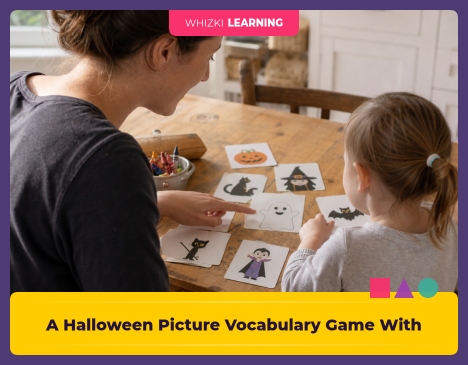
The Halloween picture vocabulary game needs six familiar pictures: pumpkin, bat, cat, hat, web, and moon. The pictures should look friendly and clear, with one object per card, because preschoolers often name the biggest or brightest thing first. NAEYC guidance supports play with concrete materials, and picture cards let language practice feel like a game instead of a quiz.
The materials can be index cards, sticky notes, a paper plate cut into squares, or a printable page. An adult can draw quick outline pictures in five minutes, and a child can color the cards before the game starts. Coloring adds hand work, and occupational-therapy basics remind teachers and parents that short crayon strokes, peeling tape, and placing cards all build useful fine-motor practice.
The setup works best at a kitchen table, rug, or low shelf where the child can reach every card. I put the six cards in a small semicircle, say each name once, and ask the child to touch the picture after hearing the word. The Reggio habit of watching before teaching helps here, because the child’s first reach tells the adult which pictures are already easy and which pictures need more modeling.
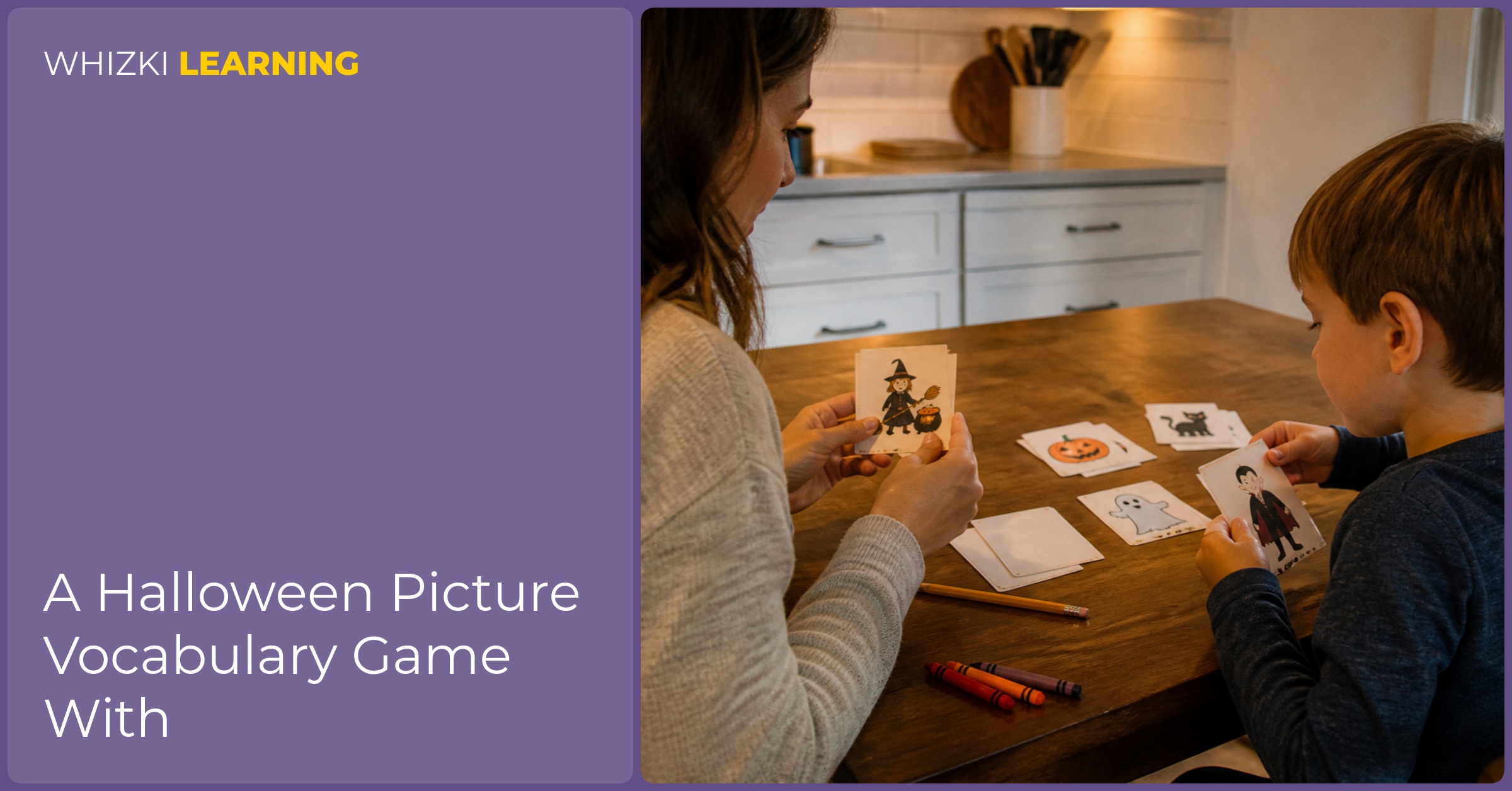
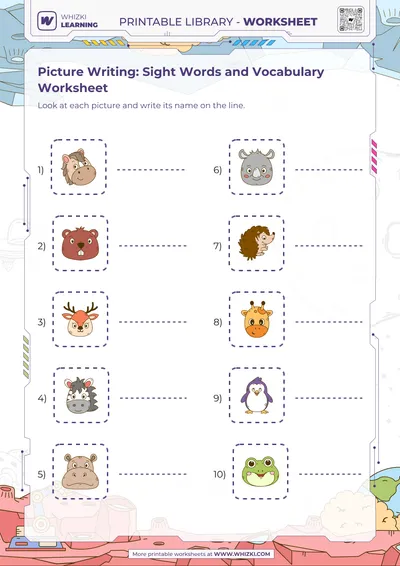
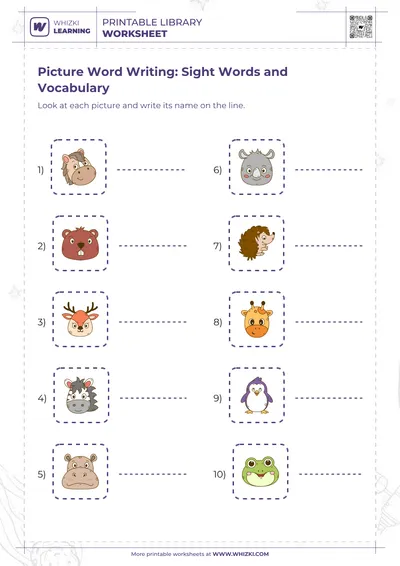
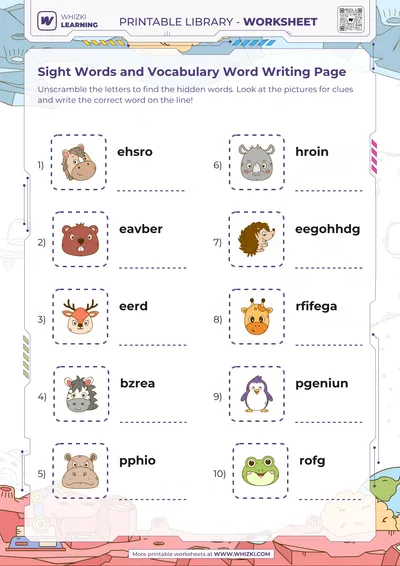
If drawing cards is not realistic today, Whizki Learning has holiday and culture printables that can give the game a quick starting point. Choose a page with calm, familiar pictures, then cover any extra images so the child sees only six choices.
Play the naming and first-sound round
The naming round begins with the adult pointing to a card and saying, “I see a pumpkin,” then the child gets a turn to name a card. If the child says “pupkin” or “punkin,” the adult can answer with the clear model, “Yes, pumpkin,” without stopping the game. Speech-language pathology practice often uses modeling and recasting because children hear the target word inside a real exchange.
The first-sound round comes next, and the Orton-Gillingham approach fits well because the game asks children to hear one sound before connecting sound to print. Say, “Pumpkin starts with /p/,” while tapping the picture one time, then place the card near a small pile for /p/. Repeat with bat, cat, hat, web, and moon, using the sound rather than the letter name for the first pass.
The alphabet link can be gentle for children who are ready for letters. A parent or teacher can place a lowercase p beside pumpkin and a lowercase b beside bat, then stop before the table feels crowded. For more letter practice on another day, the alphabet learning hub can help connect sounds, letter shapes, and familiar words without turning Halloween play into a worksheet stack.
Use the nonreading version first
The nonreading version uses pictures only, so no child has to decode a word to join the game. The adult names the card, the child copies the word or points, and the pair sorts pictures by sound, color, or where the object might be found. Montessori practice favors hands-on matching and sorting because children can show understanding before spoken or written language is fully steady.
The nonreading version also protects the mood of the activity. A three-year-old may only name pumpkin and cat, while a kindergarten child may notice that bat begins with the same mouth shape as ball. The useful goal is shared language, not perfect pronunciation, fast answers, or reading every printed word.
The picture-only game can include a choice board for children who speak very little in the moment. Put two cards in front of the child and ask, “Which one is moon?” then wait without filling the silence right away. In real classrooms, that extra wait time often gives a cautious child room to point, tap, or whisper the answer.
Describe each picture like a real conversation
The describing round turns six nouns into useful vocabulary. Ask one concrete question at a time: “What color is the pumpkin?” “What can a bat do?” “Where could a hat go?” Speech-language pathology practice often builds language through attributes, actions, and locations because those details help children move beyond single-word answers.
The adult can model a short sentence and let the child copy or change the sentence. Try “The cat is black,” “The moon is bright,” or “The web is sticky,” while keeping the tone light. If a child gives a silly answer, the adult can accept the idea and add a clear model, because playful talk often keeps children engaged longer than correction.
The Halloween picture vocabulary game also supports children who need movement. Place the six cards across the floor and let the child hop to the picture that matches the clue. Occupational-therapy basics often use body movement with learning because some children listen better when large muscles get a job too.
Make a tiny story with three cards
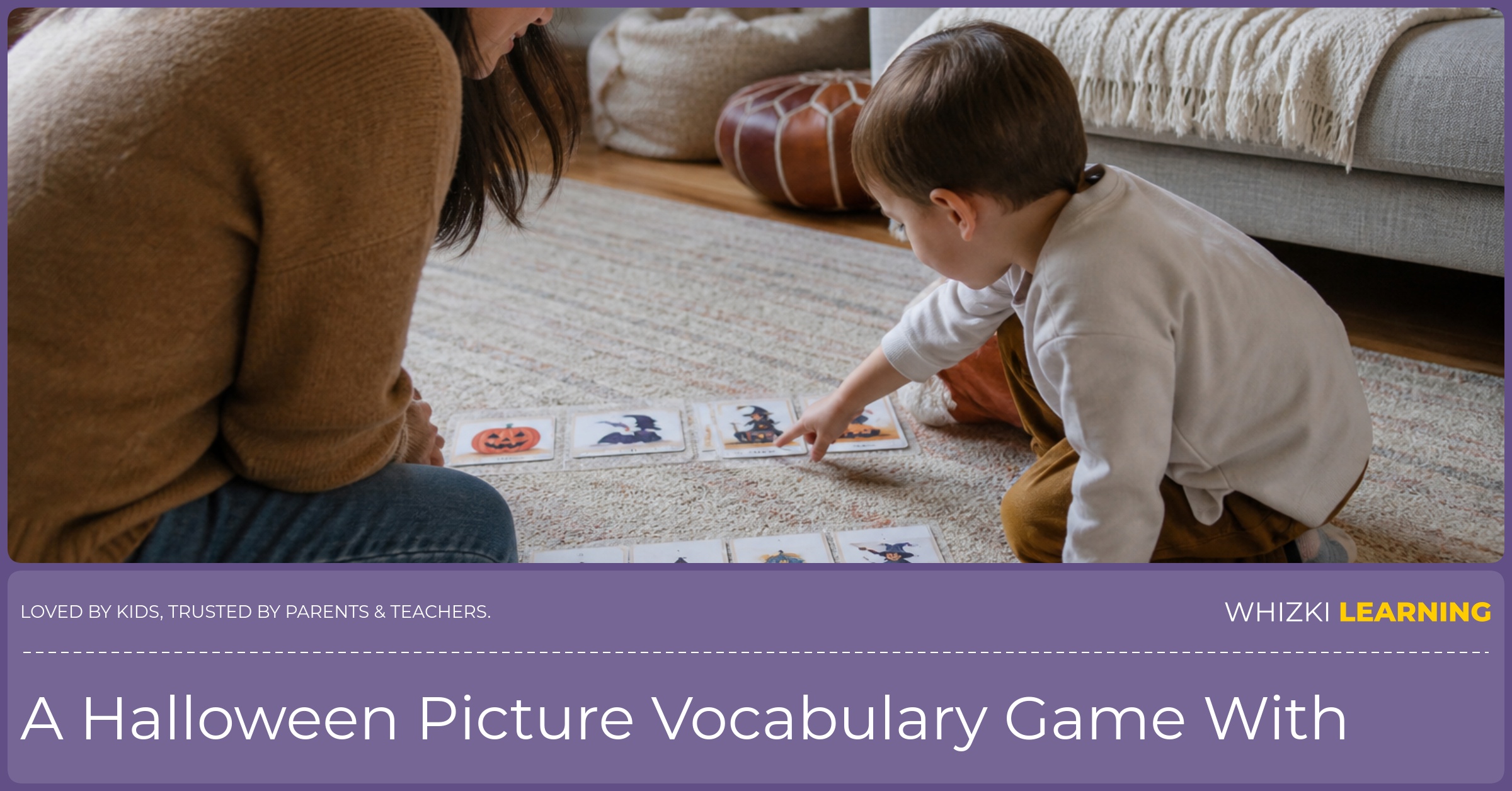
The tiny story round uses only three cards, because young children can hold a small sequence more easily than a long plot. Pick cat, hat, and moon, then say, “The cat found a hat under the moon.” The story can be funny, plain, or unfinished, and the child can move the cards while the adult says the sentence.
The next turn belongs to the child, with support as needed. A preschooler might say, “Bat pumpkin moon,” and the adult can expand the idea into, “The bat flew over the pumpkin to the moon.” The Reggio approach values the child’s idea as the starting point, so the adult builds language from the child’s arrangement rather than demanding a preset answer.
The story round can connect to a larger fall routine if the family or classroom is already using a seasonal plan. The previous fall season guide offers a broader rhythm for songs, art, books, and printables, while the six-card story can stand alone on a busy afternoon. The small game is enough when the child is tired or the room is noisy.
Adjust the game for ages three to seven
The age adjustment starts with the child in front of you, not the number on a birthday cake. For ages three and four, keep the game to naming, pointing, color words, and two-card choices. NAEYC guidance reminds adults that young children learn through active, playful practice, so a short round with success is better than a long round with arguing.
For ages five to seven, add first-sound sorting, a beginning letter beside each picture, and a three-card story. A child who already reads simple words can match the printed word to the picture after the oral game is finished. The printed word should come after hearing and saying the word, which matches Orton-Gillingham practice of moving from sound to symbol in a clear order.
The honest limit is that one Halloween picture vocabulary game will not teach every seasonal word or fix a language concern. The game gives parents, caregivers, teachers, and homeschoolers a practical way to practice naming, sound awareness, describing, and storytelling with friendly words. If a child is hard to understand most of the time, loses words, or seems frustrated by everyday communication, a pediatrician or speech-language pathologist can help decide the next step.
The Halloween picture vocabulary game is small on purpose. Six friendly pictures can carry a lot of language when the adult slows down, names clearly, sorts by first sound, asks one describing question, and finishes with a tiny story. Keep the cards in a bag for another day, because repeated play is where young children often become braver with words.