When your child proudly says, “Mira, I found the red zapato,” the friction is real: you want to honor the smart answer without turning breakfast into a correction session. A mixed-language answer can show clear thinking, missing vocabulary, or a sentence pattern still under construction. Today, answer the idea first, then repeat the sentence once in the language or form you want your child to hear.
Reviewed by Whizki Editorial Team, Early Childhood Education Editors.
Mixed-language speech is information
A mixed-language sentence is often a child using every tool available to keep the conversation moving. In a Reggio-inspired classroom, I would write the sentence down as an observation before deciding what to teach. NAEYC guidance on developmentally appropriate practice points adults toward responsive talk, which means the adult response starts with meaning rather than embarrassment.
The adult response can sort the sentence into three possible goals. The knowledge goal asks, “Does the child understand the idea?” The vocabulary goal asks, “Which word is the child reaching for?” The language-form goal asks, “Which grammar pattern or sound pattern needs a clear model?”
The sentence “La bear is sleeping” may show correct knowledge about the picture even when the noun is still moving between languages. The sentence “I goed al parque” may show a past-time idea, a missing English verb form, and a familiar Spanish place word. The mixed-language answer gives the adult a map for the next ten seconds.
Choose the teaching goal before you recast
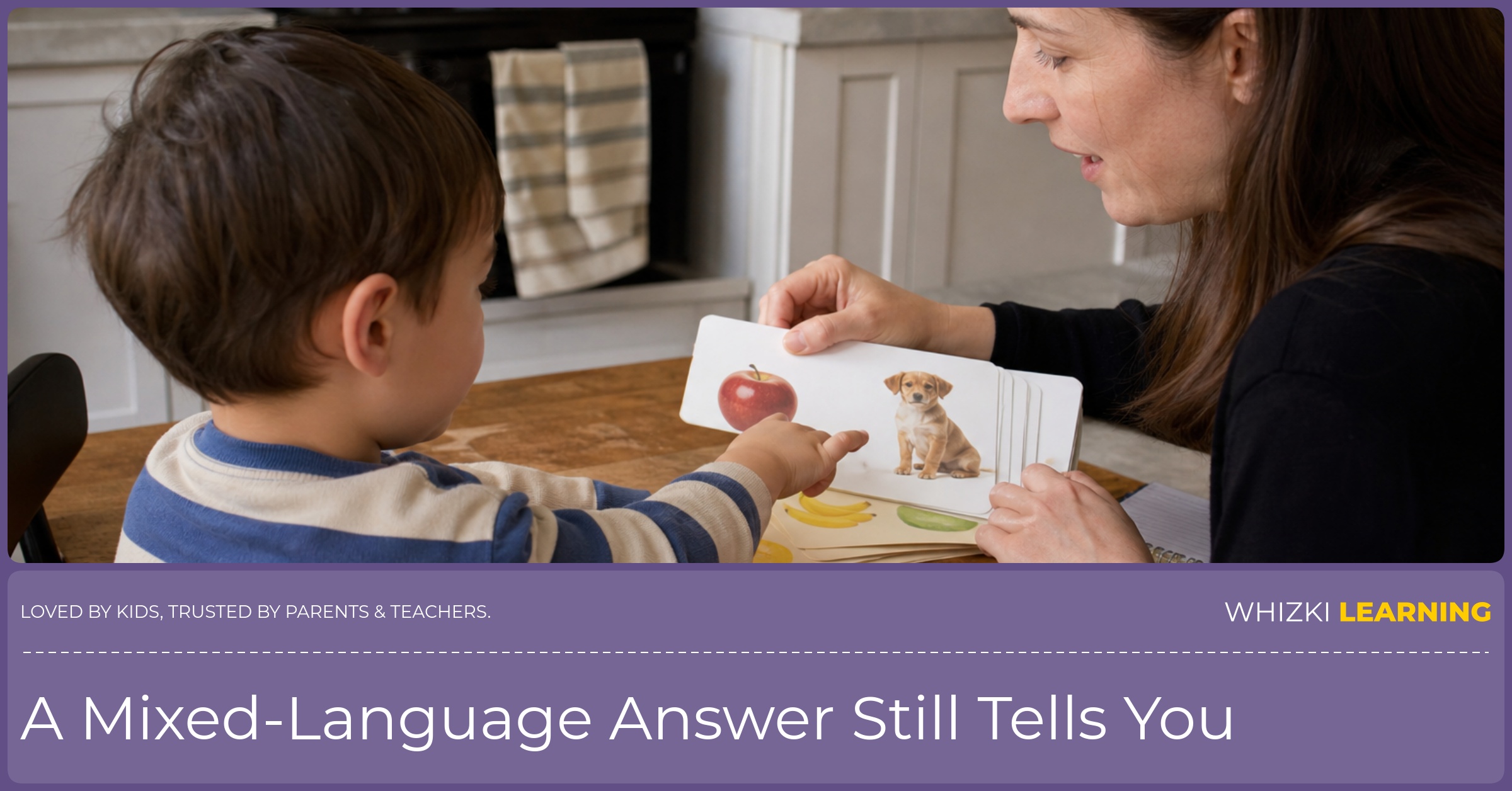
A speech-language pathology recast gives a child a cleaner model without demanding a public do-over. The adult keeps the child's meaning, changes one target, and moves the conversation forward. The Orton-Gillingham approach uses a similar respect for precision, because one sound, word, or pattern gets attention at a time.
For a knowledge goal, the adult confirms the idea and adds a small amount of content. If a child says, “El dog is bajo the table,” the adult can say, “Yes, the dog is under the table, hiding by the chair.” The teaching target is comprehension, so the adult does not need a repeated sentence.
For a vocabulary goal, the adult names the word in both languages when the family or classroom uses both languages. If a child says, “I need the cuchara,” the adult can say, “You need the spoon, la cuchara, for the yogurt.” The teaching target is the label, so the adult gives the label and keeps the snack moving.
For a language-form goal, the adult offers the full sentence once and invites use only when the child has enough energy for a try. If a child says, “She no have blue,” the adult can say, “She does not have blue. You can tell me, She does not have blue.” The previous bilingual home guide can help families make directions clear when two languages share the table.
A ten-second recast routine
A ten-second recast routine needs no worksheet, timer, or special setup. Occupational-therapy basics remind adults that young children listen better when the body is steady, the task is short, and the adult voice stays predictable. The routine works best when the adult is close enough for eye contact but not blocking the child's hands.
First, the adult answers the meaning: “Yes, the puppy is wet.” Next, the adult models the target: “The puppy is wet” or “El cachorro is wet means the puppy is wet.” Last, the adult pauses for two quiet beats and accepts either a repeat, a nod, a point, or a return to play.
For ages 3 and 4, the recast routine should sound like friendly narration during blocks, snack, or bath toys. For ages 5 through 7, the recast routine can include a gentle choice, such as “Do you want the Spanish word or the English word?” The honest limit is simple: a tired child may need connection more than a language lesson.
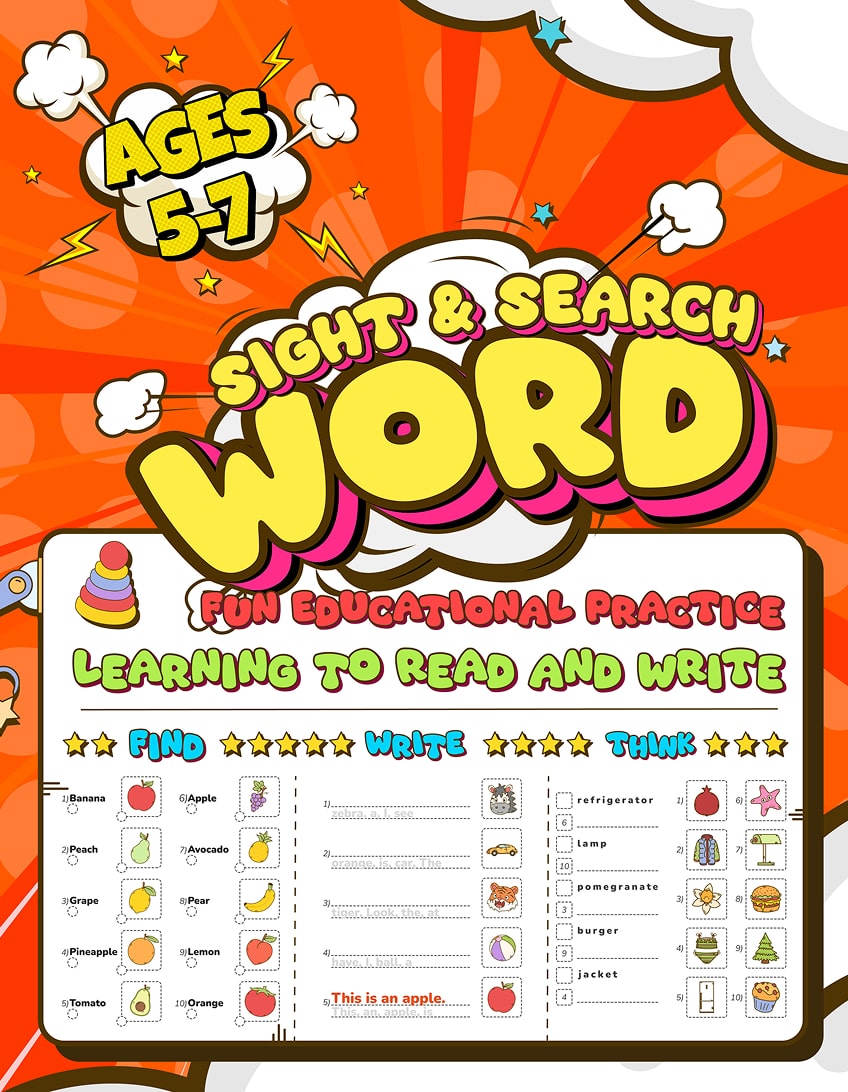
If a printable helps your child focus, choose one page with pictures your child already knows and keep the talk bigger than the page. The alphabet learning hub has letter pages that can support sound practice while the adult still treats mixed-language answers as useful information.
Make a small language plan
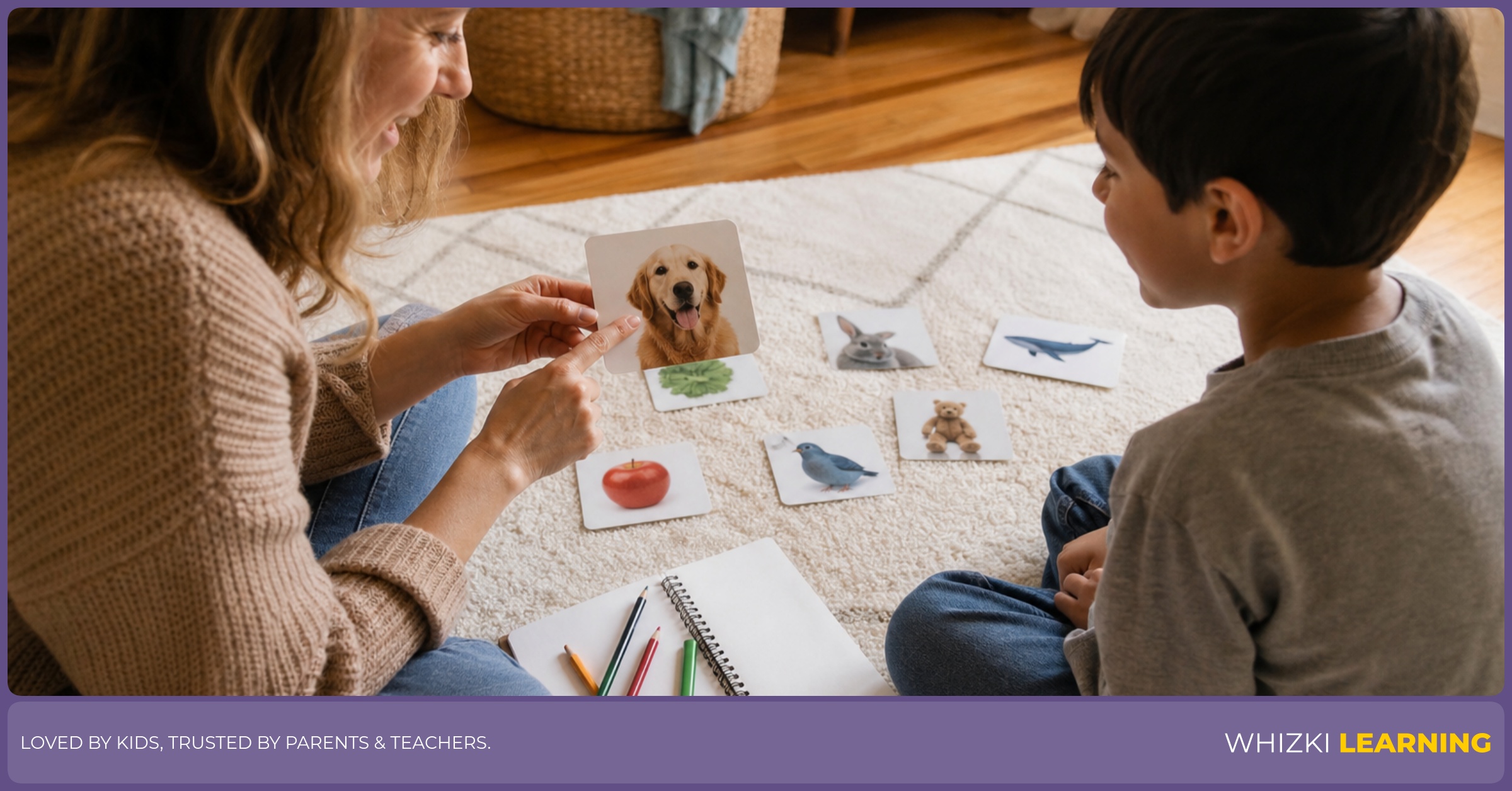
A small language plan protects the child from constant correction. Montessori and Reggio observation habits both ask the adult to prepare the space, watch the child, and adjust the lesson after seeing real use. The plan can fit on a sticky note near the reading basket.
The home plan can name one priority for the week: knowledge during science play, vocabulary during meals, or sentence form during story retells. The classroom plan can match the same idea during centers, so one adult is not correcting every mixed-language sentence while another adult ignores every sentence. The homeschool plan can keep the target tied to a book, a cooking task, or a nature walk.
The learning hub can give families quick practice ideas when a child wants paper, cards, or a short table activity. Use the learning hub as a menu, not as a measure of your child. A printable can start a conversation, but the adult response does the teaching.
A mixed-language answer is not a failure to choose a language. The answer is a child showing knowledge with the words available in that moment, and the adult job is to decide the smallest helpful response. When the adult chooses knowledge, vocabulary, or form before speaking, the correction gets kinder and the teaching gets clearer.