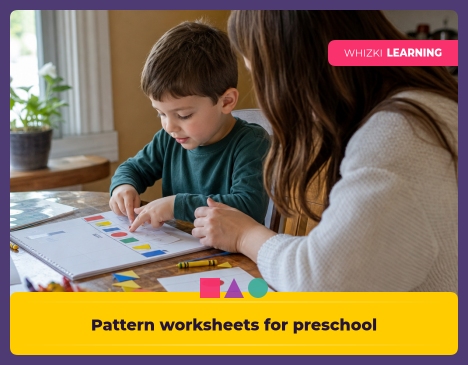
If pattern worksheets turn into broken crayons, wiggles, or “I don’t know,” start with one AB row using two favorite colors and stop while your child still feels successful. Pattern work is early math, but pattern work also asks for attention, language, hand control, and confidence. NAEYC guidance keeps the goal small for ages 3 to 7, playful practice before perfect paper.
Reviewed by Whizki Editorial Team, Early Childhood Education Editors.
What pattern worksheets teach before kindergarten
Pattern worksheets teach a child to notice what repeats, name the unit, and predict what comes next. A preschool pattern page may look simple, but the child is comparing color, shape, size, position, and order at the same time. In real classrooms, a strong pattern page gives the child one clear job instead of a crowded page with too many directions.
The Orton-Gillingham approach reminds teachers to move from concrete to visual to spoken language, and that same path works beautifully for early math. A child can tap red, blue, red, blue with fingers, say the pattern out loud, and then color the row on paper. The worksheet becomes easier when the body has already rehearsed the repeat.
A helpful printable gives families a clean starting point when the day is already full. I like choosing one page from our printable library, adding two crayons, and saving the next page for another day. Pattern practice also pairs well with counting language from the numbers learning hub because children often count the repeating parts before children can explain the pattern rule.
Pattern stages by age, from AB to ABC
Pattern stages are age guides, not a race chart. A 3-year-old may copy an AB pattern with blocks before a pencil pattern makes sense. Montessori observation and Reggio practice both value watching the child’s strategy first, because the child’s hands often show understanding before the child can explain the idea in words.
An AB pattern usually fits many 3- and 4-year-olds when the repeat uses two obvious choices, such as red, blue, red, blue. An AAB or ABB pattern often fits many 4- and 5-year-olds after the child can copy AB with steady attention. The adult can say, “red, red, blue,” while pointing, because rhythm helps the child hear the repeat.
An ABC pattern often fits many 5- to 7-year-olds, especially when the child has had plenty of sorting, matching, and copying practice. ABC asks the child to hold three parts in working memory, so the worksheet should have fewer rows and larger spaces. A child who can build ABC with toy animals may still need extra time to color ABC on paper, because pencil control adds a second challenge.
Cut-and-paste, color, and drawing patterns
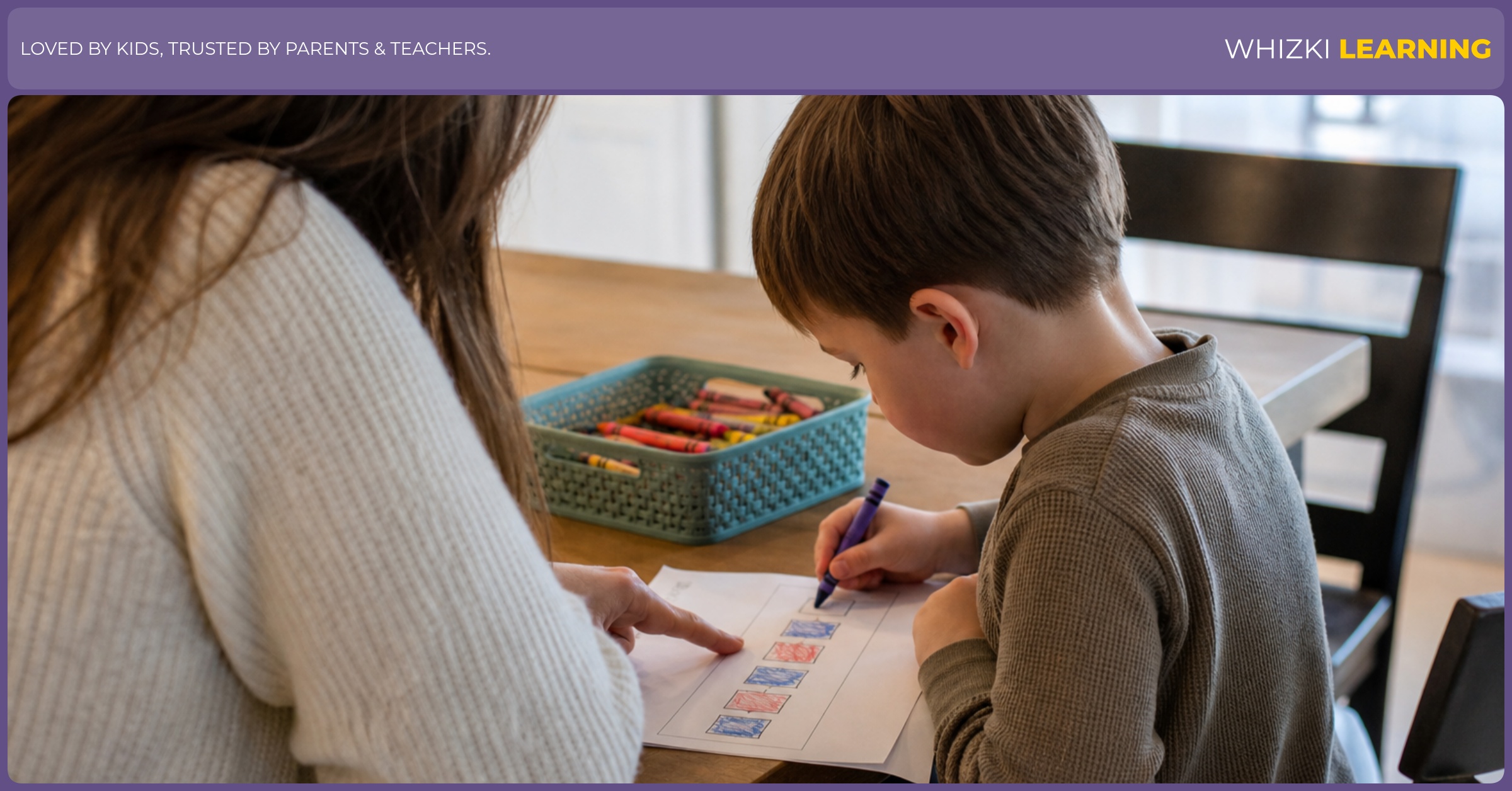
Cut-and-paste pattern worksheets are often best when the child understands the pattern but avoids drawing or coloring. Occupational-therapy basics call attention to the hidden motor load in worksheets, because scissors, glue, crayon pressure, and sitting posture all use different skills. A cut-and-paste page lets the child focus on “what comes next” while the adult handles sticky glue caps and tiny scraps as needed.
Color pattern worksheets are useful when the child can follow a model and enjoys crayons. The adult can reduce frustration by limiting the choice to two or three colors and circling the first repeat unit with a finger before coloring begins. A child who colors slowly may finish one row and still get the math benefit.
Drawing pattern worksheets are the most demanding format for many preschoolers and kindergarteners. A child has to plan the pattern, form the shape, control the pencil, and stay in the row. I save drawing patterns for short sessions after the child has already succeeded with objects, stickers, or cut pieces.
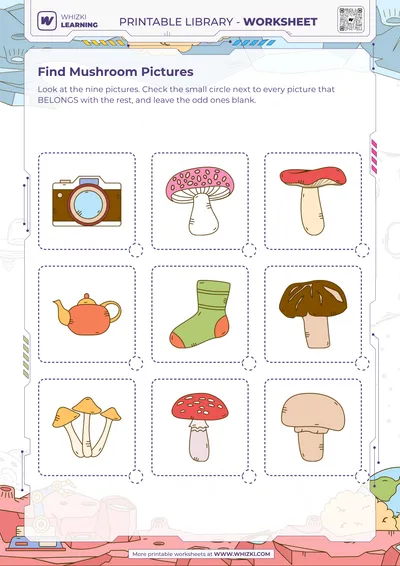
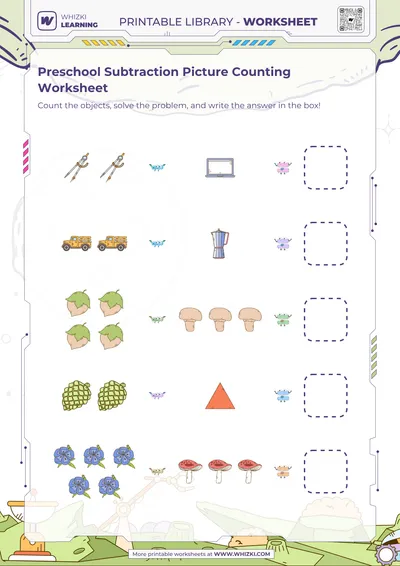
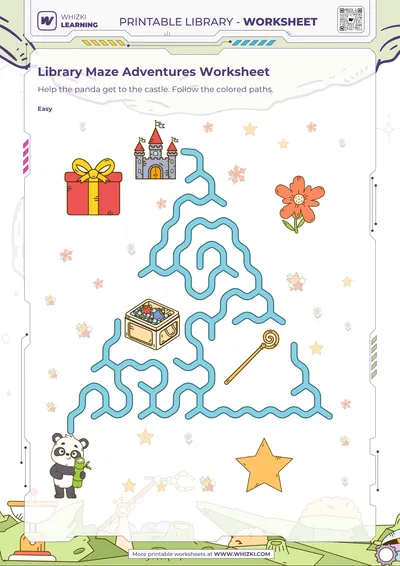
The Pattern Practice Pack in our worksheet sets gives AB, AAB, ABB, and ABC pages with color, cut, paste, and finish-the-row formats. The complete pack lives in Plus for families who want the full printable set in one place.
How to use a worksheet without a power struggle
A worksheet routine works best when the adult sets the page up like a small invitation, not a test. NAEYC guidance favors developmentally appropriate practice, which means the child needs choice, movement, and a clear stopping place. The adult might say, “Choose red and blue or yellow and green,” then offer one row instead of the whole page.
The first minute matters because the child is deciding whether the page feels possible. The adult can model the first two spaces, point to the repeat, and ask the child to finish the next space. A child who guesses can still learn when the adult calmly returns to the spoken rhythm, “circle, square, circle, square.”
The best correction is short and physical. The adult can cover the extra pictures with a sticky note, slide a finger under the row, and say the pattern unit again. Long explanations usually make the worksheet harder, while a clean visual field helps the child see the repeat.
The sock-drawer pattern game
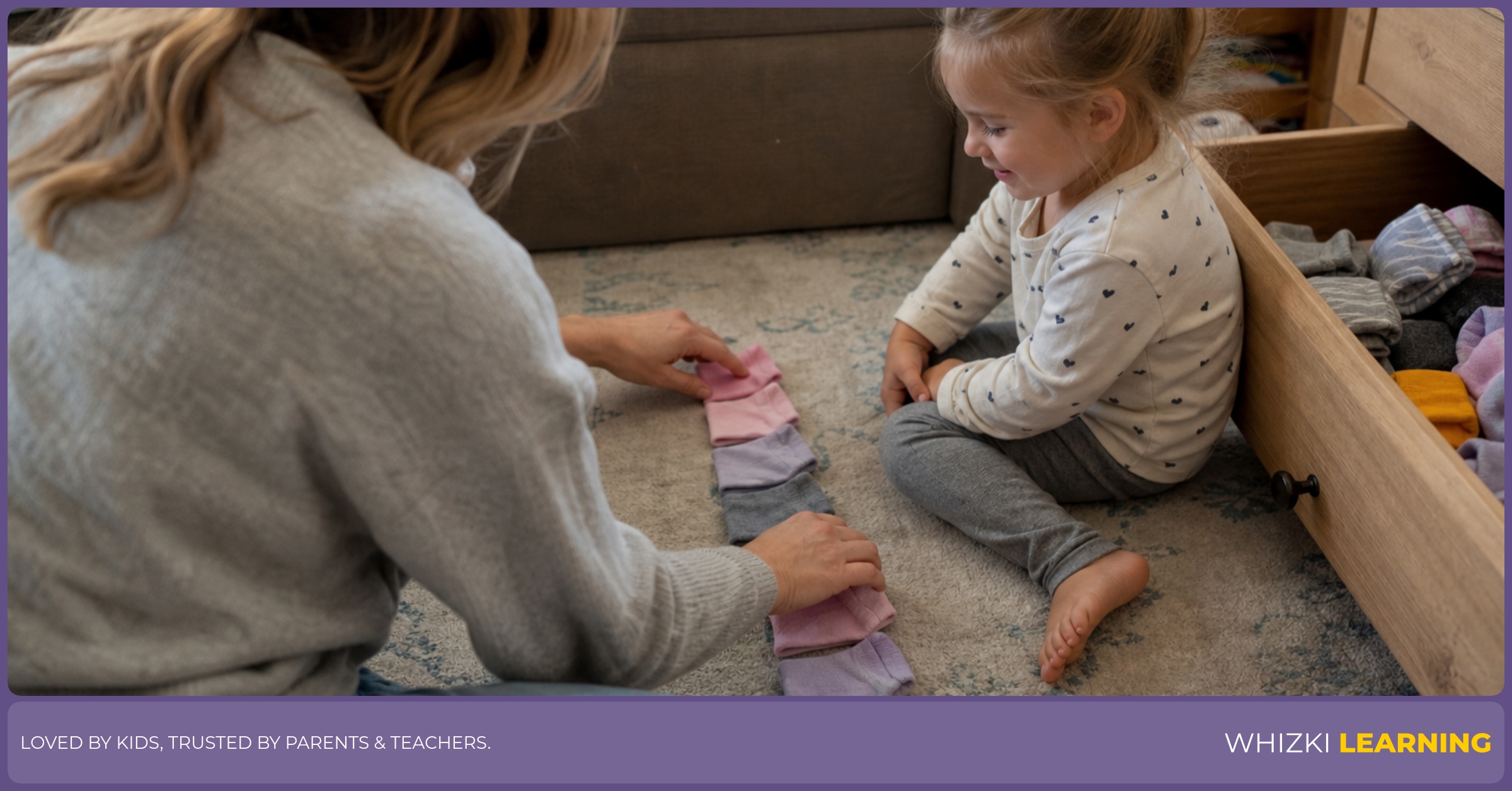
The sock-drawer pattern game turns laundry into early math without making the kitchen table feel like school. Reggio-inspired practice starts with real materials from the child’s world, and socks are perfect because the child can sort color, size, stripe, and texture. The adult can build red sock, blue sock, red sock, blue sock, then pause and let the child choose the next sock.
The sock pattern becomes stronger when the adult names the unit out loud. The adult can say, “red, blue is the part that keeps coming back,” then sweep a hand under each pair. If counting joins the game, a simple number 1 practice page can connect one sock, one space, and one choice.
The sock game also shows whether the worksheet level is right. A child who can continue AB with socks but struggles on paper may need a larger printable, fewer rows, or a cut-and-paste version. A child who creates red, red, blue with socks may be ready for AAB on the next printable session.
When to repeat, move on, or ask for help
A child is ready to move on when the child can copy the pattern, continue the pattern, and explain the pattern with a simple phrase. Speech-language practice often uses modeling and recasting, so the adult can say the sentence the child is reaching for, such as “The red, blue part repeats.” The child does not need formal math words before kindergarten, but the child does need chances to talk about the pattern.
A child may need to repeat the same stage when the pattern falls apart after the model disappears. Repeating AB for several weeks is normal for many preschoolers, especially when fine-motor work is still developing. Occupational-therapy basics suggest changing the tool before changing the goal, so chunky crayons, stickers, tongs, or large paper pieces may help.
A family should ask a pediatrician, occupational therapist, speech-language pathologist, or school support team when pattern practice always ends in distress, the child cannot match or sort familiar objects by age 5, or hand use seems unusually hard. Professional guidance can separate a math readiness issue from vision, language, attention, or motor needs. Early help is practical, and early help can make table work feel kinder for everyone.
Pattern worksheets for preschool are most useful when the page matches the child in front of you. Start with AB, use real socks or blocks first, and choose cut-and-paste, color, or drawing based on the amount of hand work your child can manage that day.
A calm pattern routine is one row, one clear repeat, and one small win. Tomorrow can bring AAB, ABC, or another sock-drawer round, because steady practice beats a long worksheet battle every time.