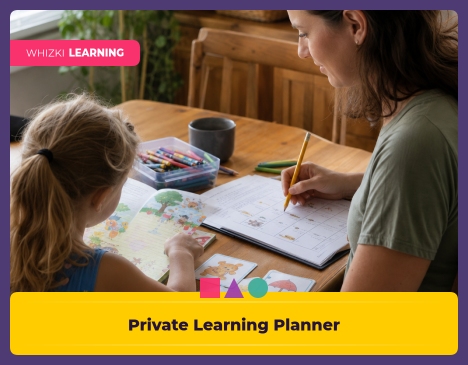
Privacy questions feel urgent when a child is pulling on your sleeve, dinner is half-started, and a new planner asks for details, so the next step is to write down only what helps you plan tomorrow and leave out anything that could identify or track your child outside the learning record. A family learning planner for ages 3 to 7 works best as a small adult notebook: choose what to try, record what actually happened, then review the useful record. The adult manages the planner, and the child does not need an account for learning at home to be organized.
Reviewed by Whizki Editorial Team, Early Childhood Education Editors.
What a private learning planner should record
A helpful learning record starts with a nickname, age, and broad learning stage because NAEYC guidance reminds early-childhood teachers to observe children in ways that support care without collecting extra personal details. A broad stage might say “beginning to hear rhymes,” “counting small groups,” or “building pencil control,” which is enough for planning without needing a full profile. The purpose of the planner is to help the adult choose the next right activity, not to label the child.
Activities, books, and minutes are good to add because the adult can see patterns across real days. An Orton-Gillingham lesson note might say that the child matched three sound cards, traced sandpaper letters, and listened to one short read-aloud for ten minutes. The record stays useful because the note describes what actually happened instead of guessing what the child “should” have done.
Parent notes, basic expenses, and adult-chosen awards can belong in the planner when those details help the adult remember the learning story. A Reggio-inspired observation might say that the child returned to a block bridge three mornings in a row, while a Montessori-style note might say that the child repeated a pouring work with steady hands. An adult-chosen award can mark effort, kindness, practice time, or finishing a small project, without asking the child to supply private information.
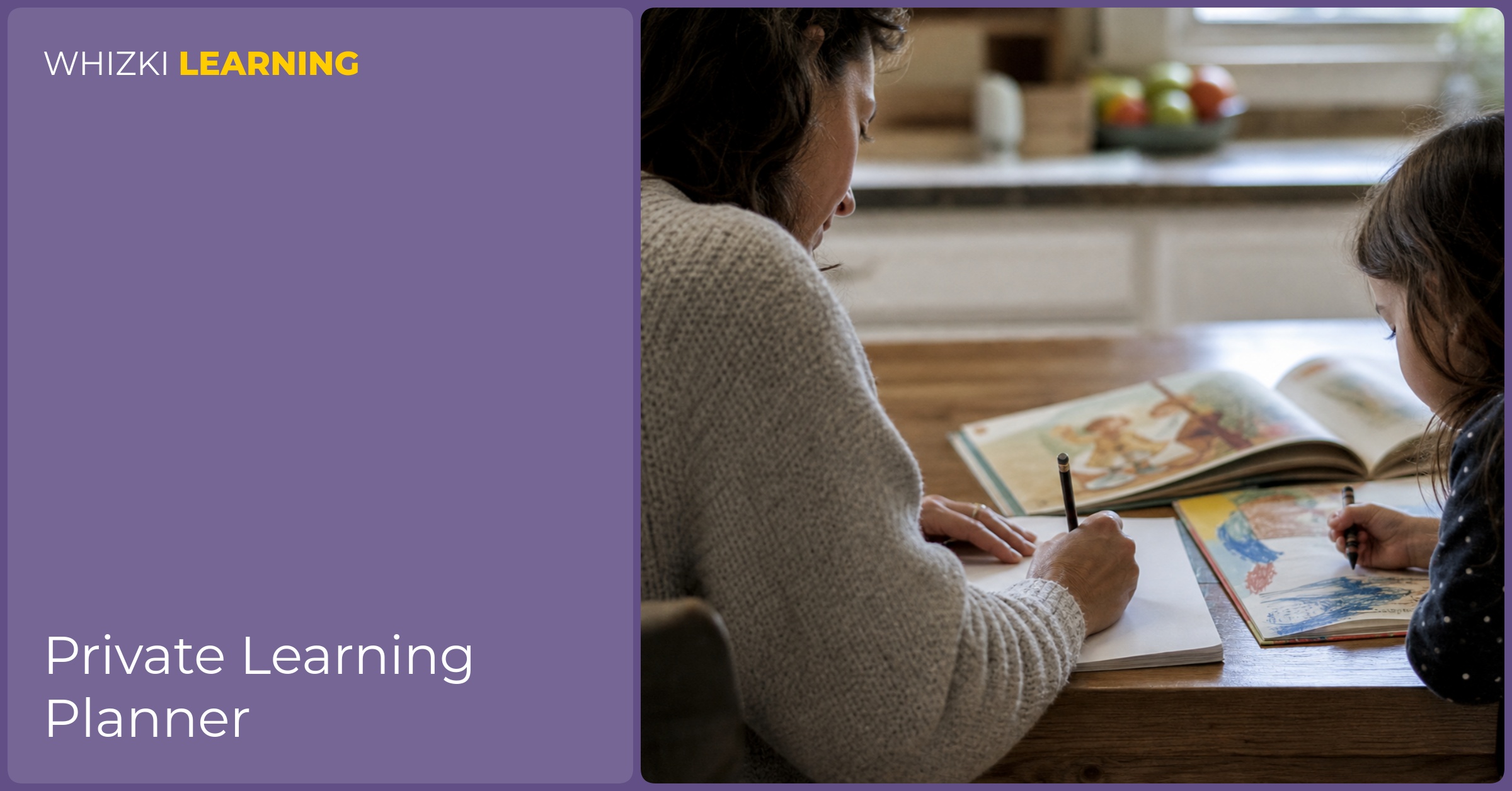
What a private learning planner should leave out
The leave-out list matters because a preschool or kindergarten planner does not need a child email, full birth date, home address, or school ID to help an adult plan tomorrow. Occupational-therapy documentation basics use a minimum-helpful-information habit: keep the detail that supports the task and skip the detail that does not change the next activity. A nickname and age usually give enough context for home education planning.
Health history, payment data, and sensitive identifiers should stay out of the learning record unless a separate trusted professional system has a clear reason to hold that information. A speech-language pathology practice note, for example, separates therapy records from a family’s everyday book log or sound game notes. A family planner should not become a catch-all file for medical, billing, or identity details.
Other sensitive identifiers can include login credentials, government numbers, exact daily locations, or notes that reveal private family circumstances beyond the learning moment. The safer habit is to write, “practiced scissors for five minutes with help,” instead of writing personal background that the next lesson does not require. The record stays calm, useful, and respectful when the adult records learning behavior rather than private identity data.
How adult control and child access work
The adult manages the planner, and children do not create accounts or sign in. NAEYC-aligned digital practice for young children puts adults in charge of tools, timing, and records because children ages 3 to 7 are still learning boundaries, consent, and safe routines. The child can enjoy books, blocks, counters, songs, and printables while the adult handles the planning record.
Implementation details belong in the privacy policy, not in a child’s hands during a lesson. Adults can read planner data practices to understand how planner information is handled, stored, and supported. The practical parent rule remains simple: add learning details that help tomorrow and skip personal details that do not.
The planner record is not official attendance, a transcript, proof of compliance, or legal advice. Homeschool and home education rules vary by location, so the adult should check local requirements outside the planner when a formal record is required. The family learning record can still be useful as a private planning aid for choosing activities and remembering progress.
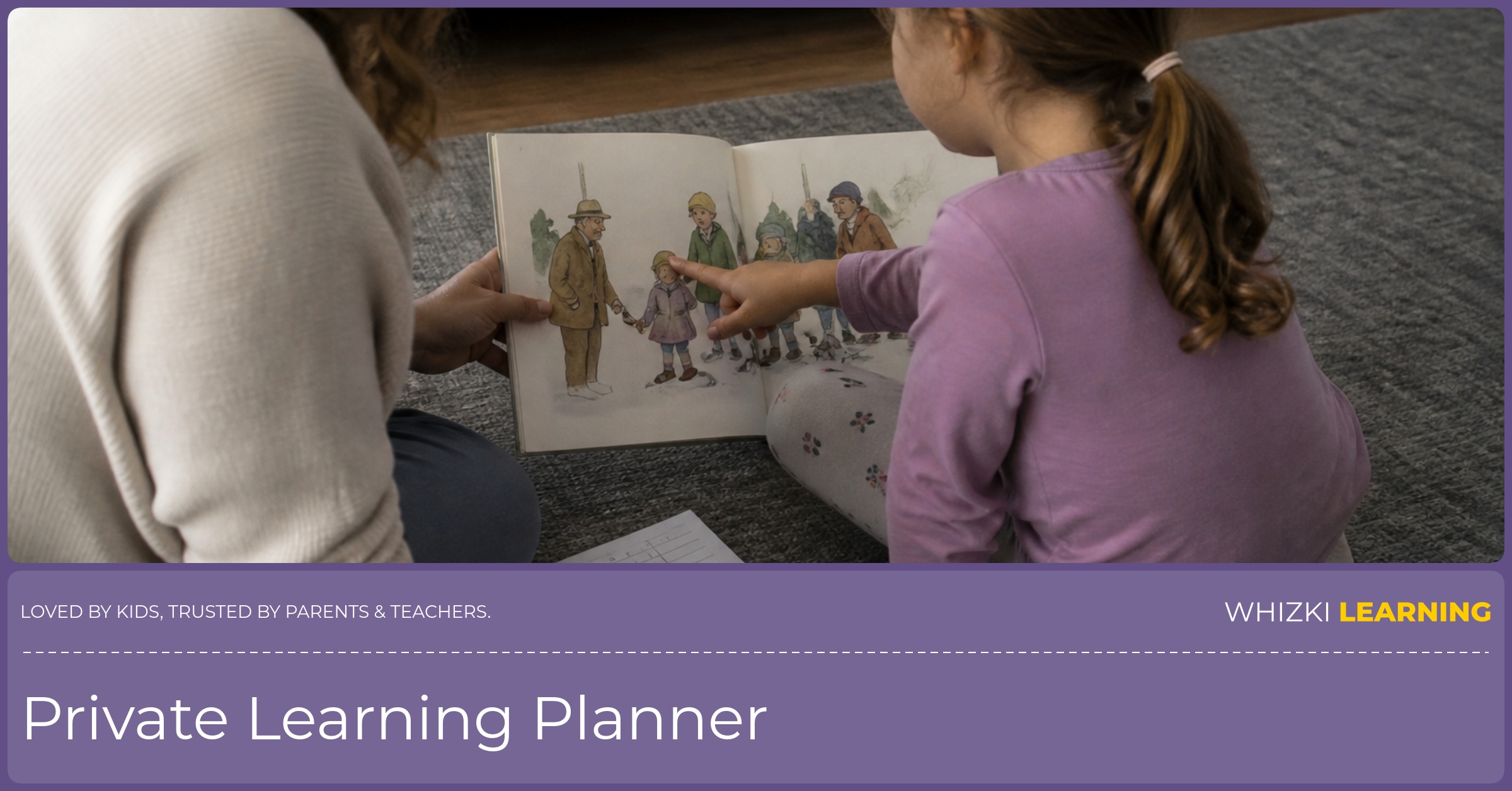
A simple planning loop for learning at home
The planning loop begins when the adult chooses what to try next, such as a rhyme game, a counting walk, a read-aloud, or a short name-writing practice. An Orton-Gillingham routine might focus on one sound and one touch-based letter activity because young children learn best through short, repeated, multisensory practice. The choice stays small enough to fit a real family day.
The planning loop continues when the adult records what actually happened, not what the adult hoped would happen. A Reggio-style observation values honest notes about interest, attention, repetition, and questions because the child’s real response guides the next invitation. The note might say that the child loved the animal book, avoided the pencil grip work, and counted four crackers accurately.
The planning loop closes when the adult reviews the useful record and chooses one next step. An occupational-therapy heuristic would look for function: did the activity help the child use hands, body, attention, or language with a little more control. The next step might be shorter, more playful, more tactile, or repeated because the record points to a practical adjustment.
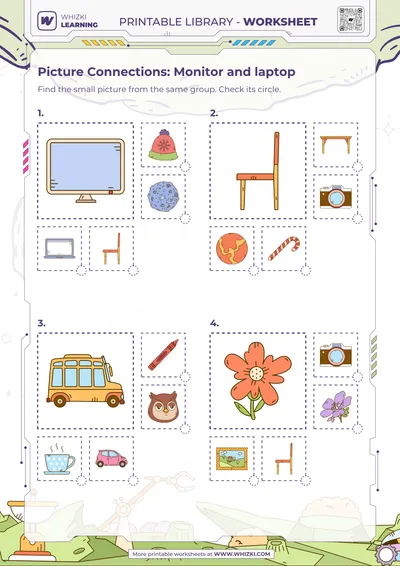
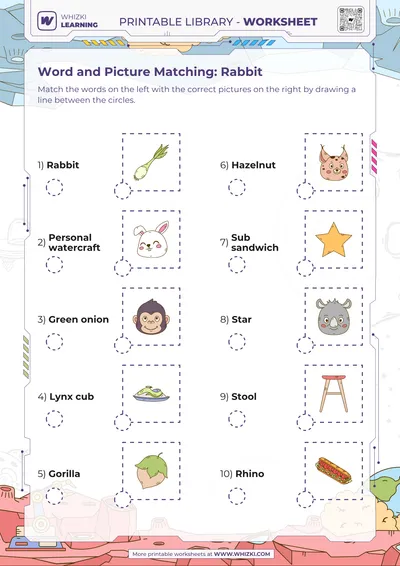
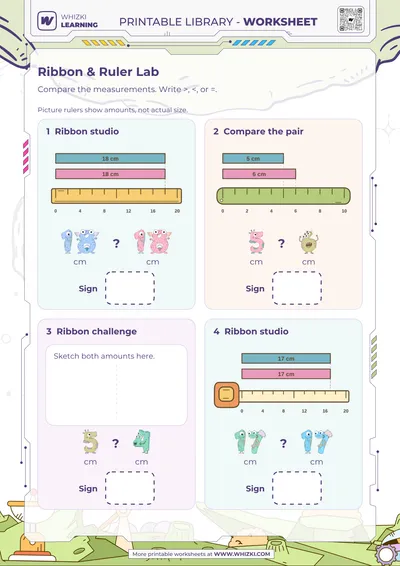
For families who like a tidy place for notes, the family learning planner keeps book titles, activities, minutes, and parent notes in an adult space. A printable page or workbook activity can still stay on the table, while the adult records only the helpful learning facts after the activity.
Quick examples for ages 3 to 7
A preschool example could read, “Milo, age 3, enjoys animal books, listened for seven minutes, named cow and duck, and clapped during the rhyme.” Speech-language practice often values the exact words a child used, but a family planner can keep the note broad unless a professional has asked for specific tracking. The record helps the adult choose another animal book, a farm song, or a matching game.
A prekindergarten example could read, “Nina, age 4, matched red, blue, and yellow buttons, counted three objects, and needed help stopping after cleanup.” Montessori observation would notice independence, repetition, and order without turning the note into a judgment. The adult can plan a shorter sorting tray and a clear cleanup cue for the next learning at home session.
A kindergarten example could read, “Sam, age 5, heard the first sound in sun, sat for twelve minutes, and earned a helper badge chosen by the adult for careful effort.” Orton-Gillingham practice favors clear sound notes, while NAEYC guidance keeps assessment tied to play, routine, and developmentally fitting tasks. The planner does not need Sam’s email, exact birthday, address, school ID, health history, payment card, or any other sensitive identifier to make tomorrow’s lesson better.
Privacy is not about keeping no records at all; privacy is about keeping the right records on purpose. Choose the next activity, write down what really happened, and review only the details that help the adult plan the next warm, doable day. A simple, adult-managed record can support homeschool planning while still protecting the child’s personal information.