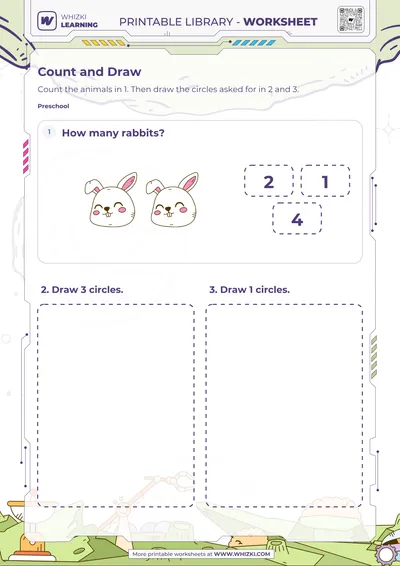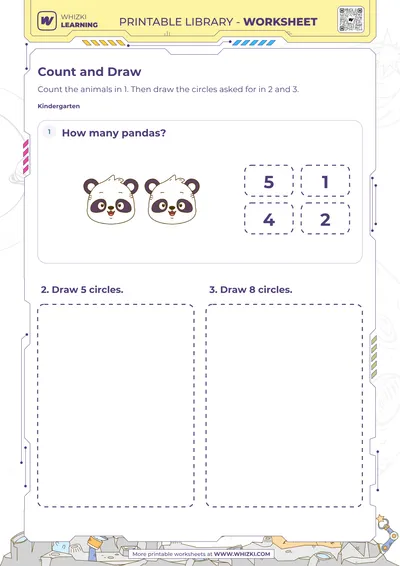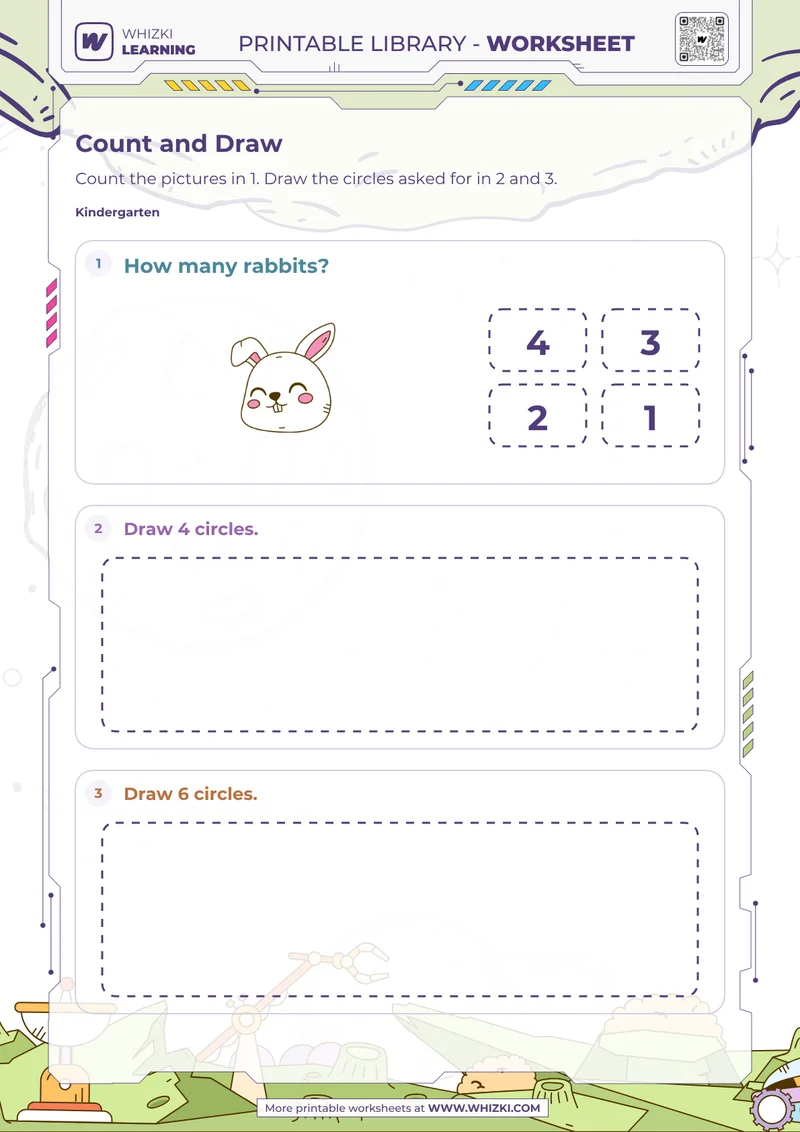


Circle groups → Counting objects one by one → Connects a requested number to a drawn amount.
Kindergarten student → Drawing circles to show quantities → Represents numbers up to ten with simple marks.
Parent and child → Checking counts together → Finds extras or missing circles by recounting carefully after drawing.

Five-year-olds can know the number words and still lose track once they start drawing. This worksheet keeps the task small and hands-on: count the circles in one group, then draw two requested groups of circles, with each drawing staying at ten circles or fewer.
It is a good fit when a kindergartener can count a small set with some help and can make simple circle marks. The page gives practice with one-to-one counting, because each circle needs one count word, and with number sense, because the drawn group has to match the requested amount.
Sit nearby and let your child point to each circle in the first group while counting aloud. Then read the requested numbers together, or have your child read them if ready. After each drawing, count the new circles slowly. If there are too many or too few, pause and recount before fixing it.
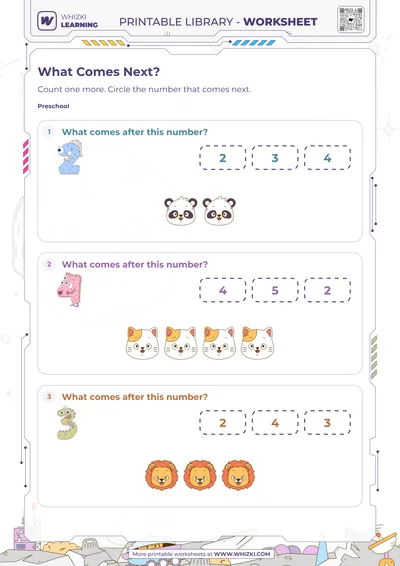
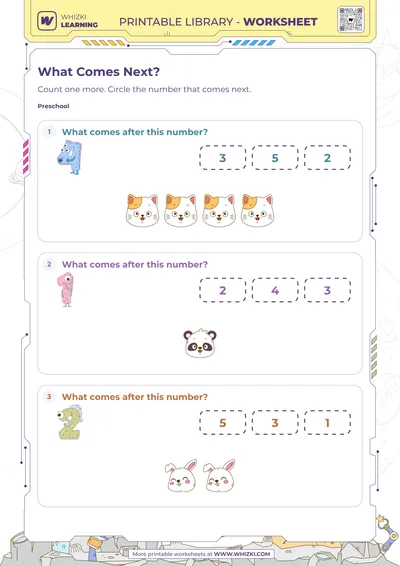
When this feels comfortable, move to number order with the Find the Missing Numbers Worksheet, which helps connect counting to what comes before and after. If groups of ten are becoming familiar, the Tens and Ones Kindergarten Worksheet is a gentle next step for seeing numbers as groups and leftovers.
Boost your child’s skills with our discounted workbooks. Engaging activities for preschool, kindergarten, and grade 1 - now at special sale prices!


Fast shipping
Secure Payment
Licensed Teachers
For the planet
Printed in the USA
Helpful guides for parents and teachers, and tips for making learning at home super fun.

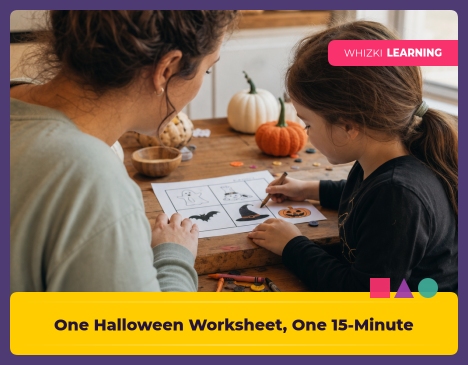
Use one Halloween worksheet in a calm 15-minute flow: preview, try, talk with objects, then stop and store, with age adjustments for preschool and kindergarten.

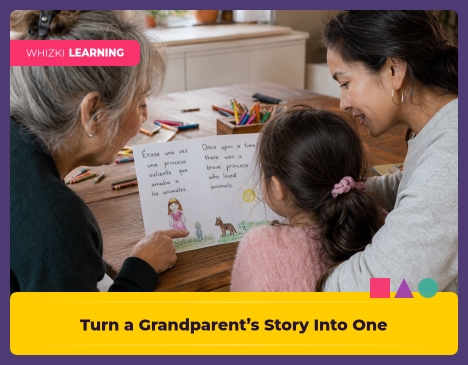
A simple plan for turning one grandparent memory into a bilingual keepsake page with exact words, a child drawing, and clear privacy boundaries.

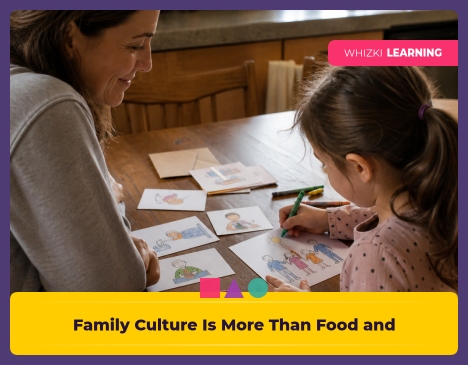
A practical guide for inviting family stories about names, language, music, routines, celebrations, and places without putting children on display.

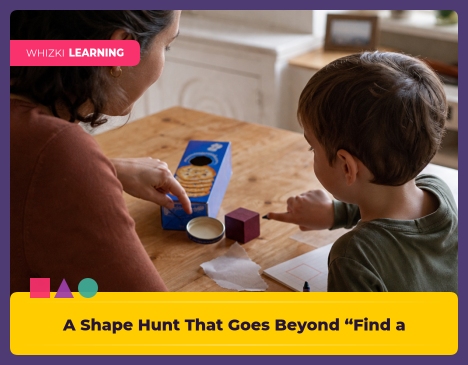
Turn a quick room search into early geometry talk by asking about sides, corners, curves, and shapes inside everyday objects.
Get exclusive activities, expert tips, and inspiration for a more meaningful, offline family life.