If your 5-year-old is not reading yet and school forms, family comments, or bedtime comparisons are making your stomach tighten, take a breath and ask your child’s teacher what letter names, sounds, and book behaviors the class is working on right now. No, a 5-year-old does not need to be reading independently, and many kindergarten children are still pre-readers. At 5, the stronger goal is steady exposure to letters, sounds, stories, writing tools, and playful talk about print.
Reviewed by Whizki Editorial Team, Early Childhood Education Editors.
The short answer: no, many 5-year-olds are pre-readers
Kindergarten reading grows on a wide timeline, and a child who is not reading books alone at 5 can still be right on track. NAEYC guidance reminds early-childhood teachers to look at development, experience, language, play, and instruction together before labeling a young child as behind. A calm question for school is, “What reading-readiness skills are expected in this classroom by winter or spring?”
The Orton-Gillingham approach gives teachers a useful frame because reading is built step by step: sounds, letters, blending, spelling, and meaning. A 5-year-old may know many letters and still need months of practice before blending sounds into words feels natural. A child may also memorize a favorite book and “read” the pages from memory, which is a normal pre-reading behavior.
Reading instruction includes more than sounding out words, and parents can get a clear overview in the five pillars of reading. Phonemic awareness, phonics, fluency, vocabulary, and comprehension do not arrive in a neat row for every child. A 5-year-old who loves stories, notices rhymes, and talks about pictures is building real reading soil even before independent reading appears.
What most 5-year-olds are expected to know
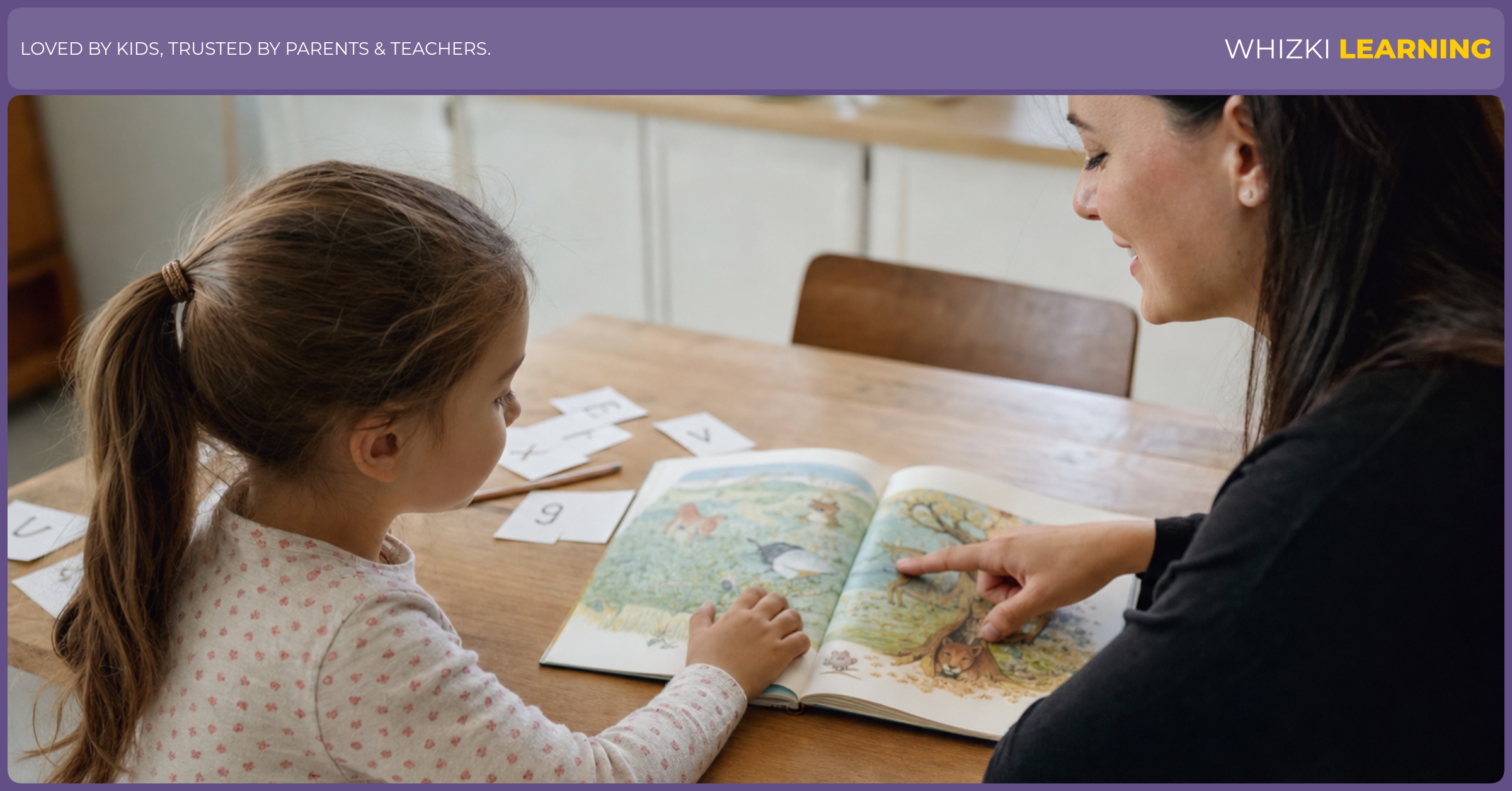
A typical 5-year-old is often working on naming many uppercase letters, recognizing some lowercase letters, saying several letter sounds, and spotting a familiar printed name. Speech-language pathology practice also looks for oral language skills, such as retelling a simple event, hearing rhymes, clapping syllables, and answering questions about a story. A child does not need every letter sound mastered before kindergarten reading instruction begins.
Print awareness matters at 5 because a child learns that books have covers, pages turn in one direction, words carry meaning, and print shows up on signs, labels, recipes, and notes. Montessori classrooms often build this awareness through careful handling of real materials, while Reggio-inspired classrooms listen for what children notice in their own drawings and dictated stories. A child who points to a cereal box word or asks what a street sign says is practicing early literacy.
Occupational-therapy basics matter too because reading and writing share attention, posture, eye tracking, hand strength, and pencil control. A 5-year-old may be ready for sound games but still tire quickly during handwriting, and that mismatch is common. Short, playful practice through the alphabet learning hub can support letters without turning home into a worksheet battle.
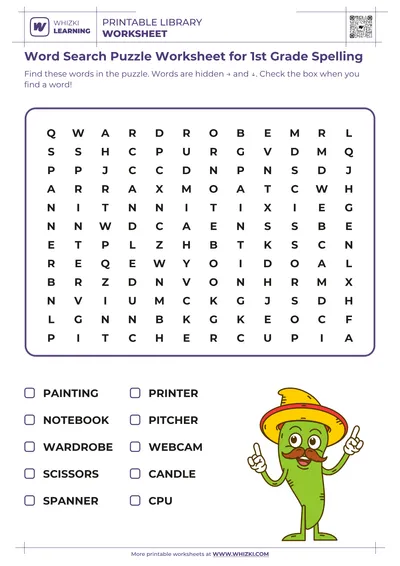
For low-pressure practice, a single alphabet page or tracing sheet can make letter talk concrete. The printable library is most useful when a caregiver chooses one page, sits nearby, and treats any attempt as information rather than a test.
Why the normal range is so wide
The normal range is wide because 5-year-olds arrive with different birthdays, languages, attention spans, motor skills, hearing histories, preschool experiences, and book routines. Reggio-inspired observation asks adults to watch what the child actually does before rushing to a fixed conclusion. A young kindergartener with a summer birthday may look different from an older classmate for reasons that have nothing to do with effort.
Language experience can shape early reading readiness in ways that are easy to miss. A bilingual child may know a story deeply but answer in another language, and a child with frequent ear infections may need extra checks on hearing before sound work feels clear. A speech-language pathologist or pediatrician can help when listening, speech clarity, or sound awareness concerns keep showing up.
The Orton-Gillingham lesson sequence is helpful because the sequence does not assume that a child will guess words from shape or memory. The sequence moves from hearing sounds to matching sounds with letters, then to blending and reading simple words. A child who needs repeated practice is not being stubborn, because repeated multisensory practice is part of how many young readers learn.
When to check in with the teacher
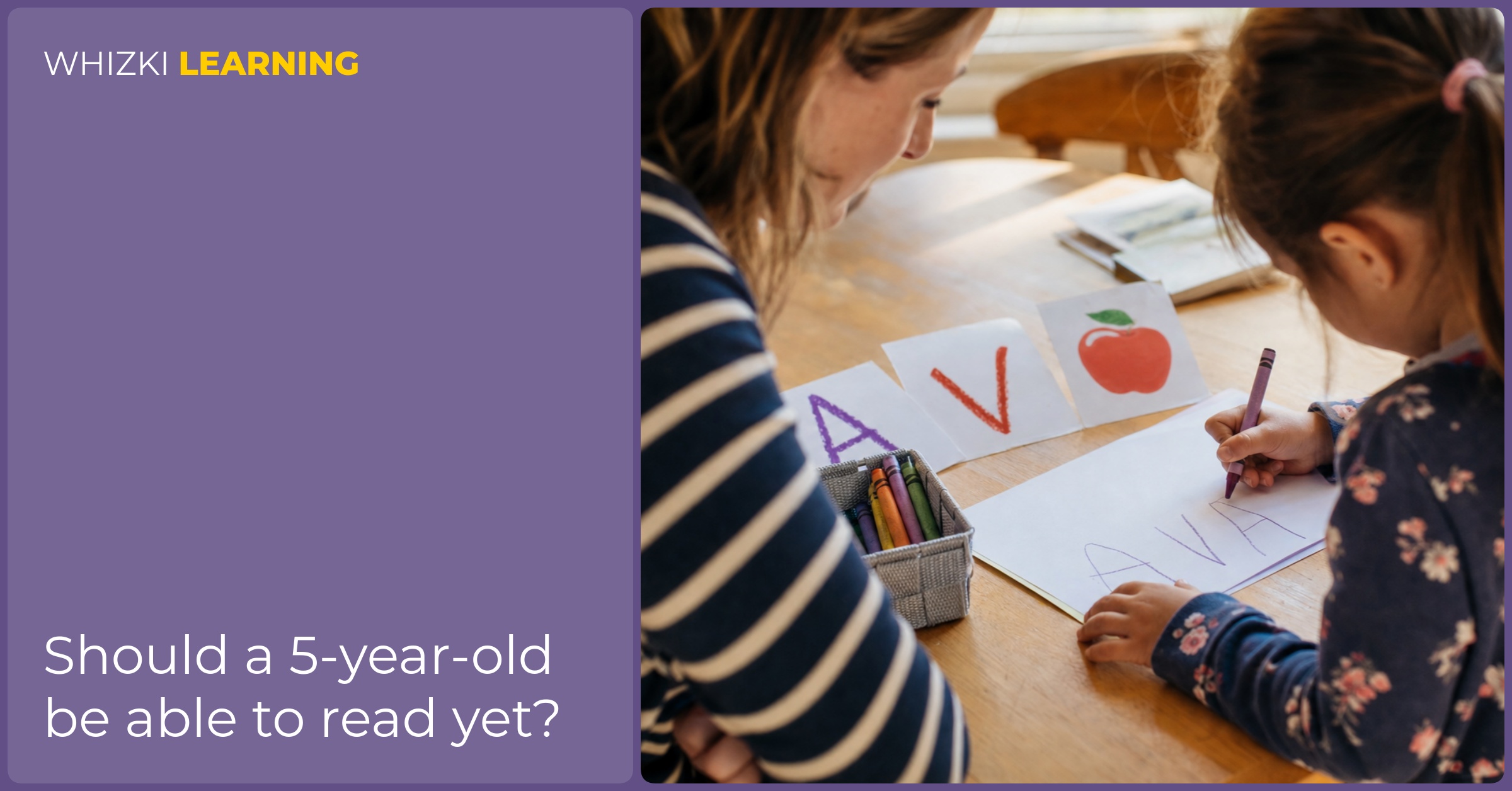
A teacher check-in is wise when a 5-year-old seems unusually frustrated by letters, avoids books every time, cannot recognize a printed name after steady classroom exposure, or does not seem to hear rhymes or beginning sounds. NAEYC guidance supports early, low-stress communication between families and teachers rather than waiting for a big problem. A check-in is not a diagnosis, because a check-in is a way to compare home observations with classroom observations.
A hearing or vision screen is worth asking about when a child frequently guesses, loses place on a page, turns one ear toward speech, squints, or misses directions that other children hear. Occupational-therapy heuristics also consider whether fatigue, posture, grip, or eye movement makes print work harder than expected. A pediatrician, school nurse, occupational therapist, or speech-language pathologist can help sort out the next step when the same pattern appears across settings.
The most useful teacher conversation is specific and brief. Ask which letters the child knows, which sounds are secure, whether rhyming and syllable games are developing, and what the classroom will practice next. Ask for one home activity that takes five minutes, because a small routine done with warmth beats a long drill done with tension.
How to support reading at home without pressure
Read-aloud time is still one of the best reading supports for a 5-year-old. NAEYC-aligned practice values conversation during books, so pause to name a character, predict what might happen, or connect a picture to the child’s day. A child can build vocabulary and comprehension while the adult does the actual reading.
Sound play works best when sound play is short and silly. Try asking, “What starts like sun?” during a walk, clapping the parts in a snack word, or finding the first letter in the child’s name on a grocery label. Orton-Gillingham tutoring often uses multisensory routines, so tracing a letter in sand, building a letter with play dough, or tapping sounds with fingers can make the learning easier to feel.
Home support should protect the child’s relationship with books. Stop before the child is drained, praise careful noticing, and model calm curiosity when a letter or sound is forgotten. A 5-year-old who feels safe to try will usually give adults more useful information than a child who feels tested.
The reading question can feel heavy, but a 5-year-old who is not reading yet is often doing the normal work of becoming ready. Keep reading aloud, keep talking with the teacher, and keep practice brief, warm, and hands-on. For steady, calm ideas at your kitchen table, join the weekly newsletter.