
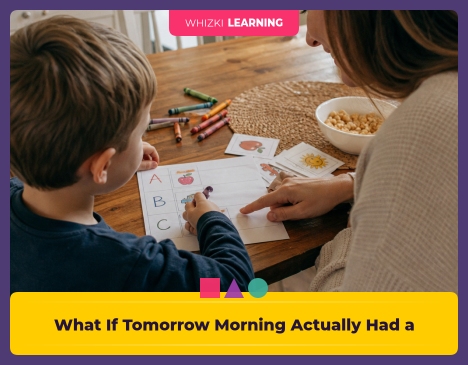
Tomorrow morning can go sideways over one sock, one spilled cup, or one child who suddenly needs the blue crayon, so tonight write a three-part card: one must-do routine, one five-minute learning choice, and one stopping point. The card is small on purpose because a tired adult and a half-awake child need fewer words, not a full schedule. A sticky note, index card, or scrap of paper is enough for a first try.
Reviewed by Whizki Editorial Team, Early Childhood Education Editors.
The three-part card
The three-part card starts with the part of morning that has to happen no matter what. NAEYC guidance reminds early-childhood teachers to use predictable routines because young children feel safer and participate better when the next step is visible. At home, the must-do routine might say shoes and backpack, breakfast dish to sink, or brush teeth and choose socks.
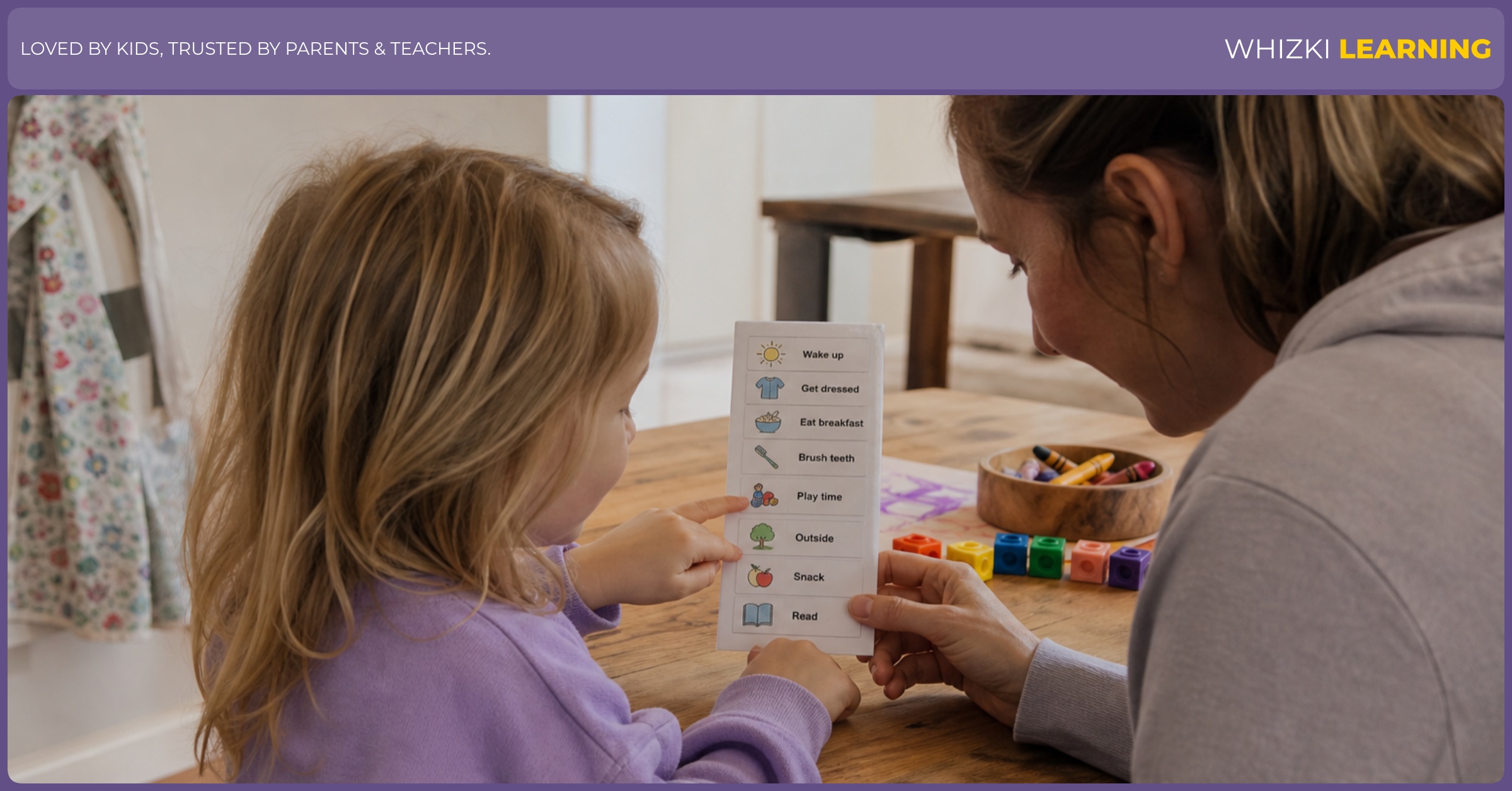
The must-do routine should be one small chain, not the whole morning. A preschool child may need a picture next to the words, while a kindergarten child may enjoy checking the words with a marker. The adult still stays nearby because a card supports a routine, and the card does not replace connection.
The five-minute learning choice is the second box on the card. The choice can be letter sound with a spoon tap, count five cereal pieces, draw one family member, read two pages, or sort socks by size. The five-minute limit keeps the learning small enough to survive a real morning.
The stopping point is the third box, and the stopping point is the part many adults forget to name. A clear ending might be when the timer rings, when the page goes in the folder, or when the breakfast plate is empty. Children ages 3 to 7 often leave an activity more easily when the adult names the finish before the activity begins.
Decision tree for the morning
The decision tree begins before breakfast: if the child is calm, offer the learning choice after the must-do routine. If the child is hungry, tired, or already arguing, move the learning choice after food or skip the learning choice for that morning. Occupational-therapy practice often starts by lowering the motor and sensory load before asking a child to do harder thinking.
The decision tree also needs a late-day rule. If the household has less than five minutes, keep the must-do routine and the stopping point, then drop the learning choice without a speech. The card still teaches planning because the adult is showing how to adjust without turning the morning into a debate.
The decision tree needs a resistance rule too. If the child says no to both choices, the adult can say, “The routine is first, and the learning box is closed today.” A Montessori-style respect for purposeful work helps here because the adult protects the environment from becoming too full of choices.
Preschool version
The preschool version uses pictures, objects, and very few written words. Reggio-inspired observation helps the adult notice what the child already reaches for in the morning, such as crayons, animal figures, blocks, or a favorite book. The card works better when the learning choice comes from materials already sitting in the kitchen or living room.
The preschool card can say potty, shoes, and bag in the must-do box, then choose counting bears or draw a circle in the learning box. The adult can set a phone timer, sand timer, or kitchen timer for five minutes, then point to the stopping box and say, “When the bell rings, the marker rests.” A three-year-old may only handle two minutes at first, and that shorter practice still counts.
The preschool version should stay playful and physical. A speech-language practice I use often is offering two clear choices with the same sentence shape, such as “Do you want counting or drawing?” The repeated language lowers the talking demand while the child still gets a real choice.
Kindergarten version
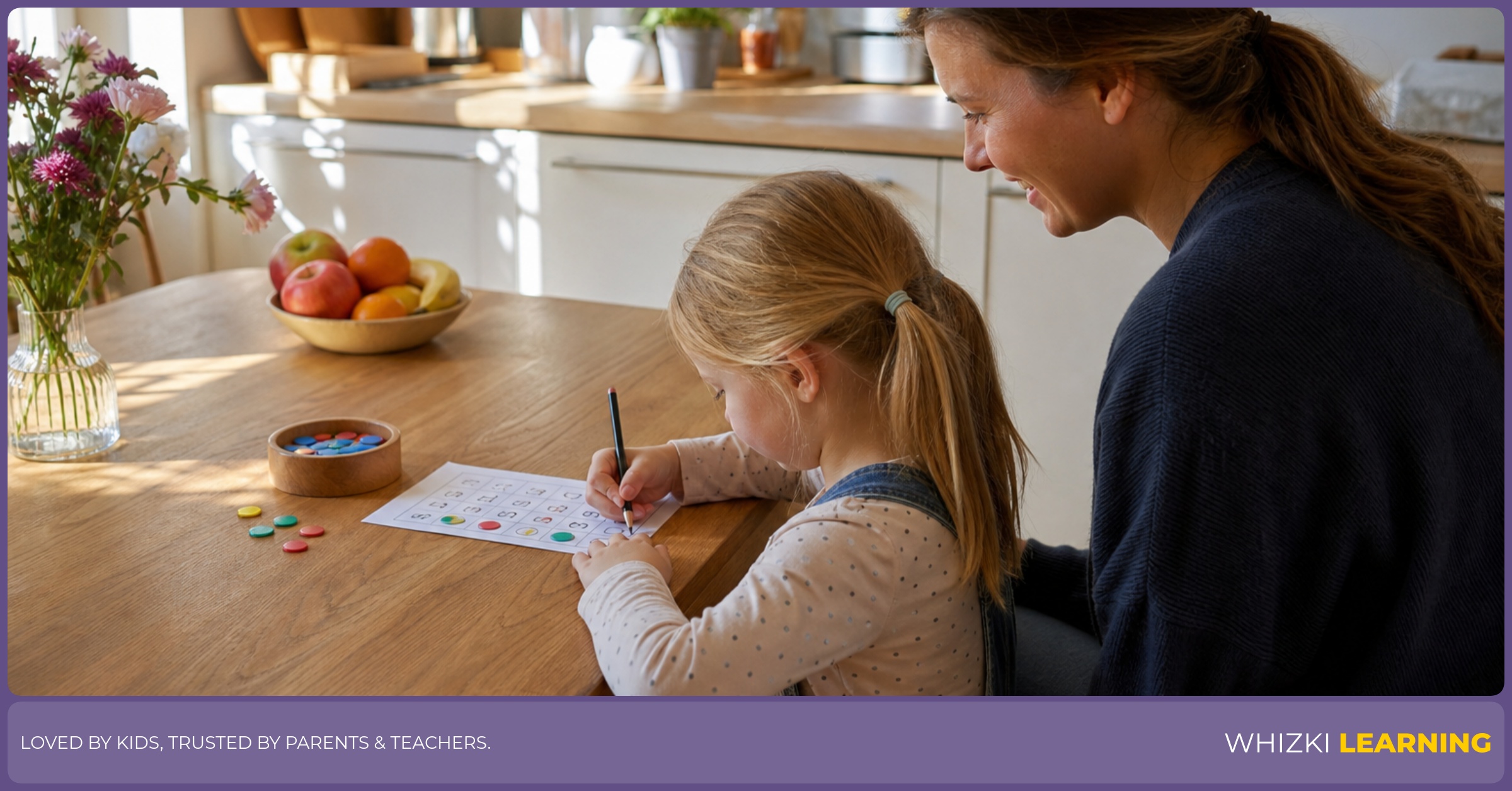
The kindergarten version can carry more print because many five- and six-year-olds are beginning to connect sounds, symbols, and meaning. The Orton-Gillingham approach favors short, multisensory practice, so the five-minute learning choice can include saying a sound, tracing a letter, tapping syllables, or reading a tiny decodable line. The point is accuracy and confidence, not a pile of completed pages.
The kindergarten must-do box might say dress, pack folder, and put lunch in bag. The learning box might offer short-a word tapping or number writing to 10, and the stopping box might say close pencil box and put card by the door. A child who reads the card aloud gets a little fluency practice during a task the family already has to do.
The kindergarten teacher, homeschool parent, or caregiver can keep extra ideas in the activity library for mornings when the child wants a fresh choice. A fresh choice should still be tiny, such as one letter sound, one rhyme pair, or one counting set. Too many options can turn the card into another place for arguing.
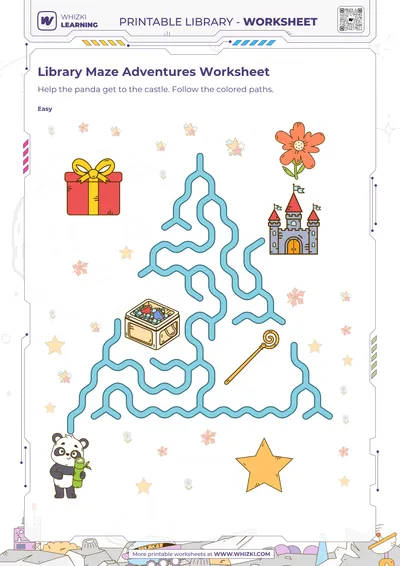
If drawing a card from scratch feels like one more job, the family learning planner can give you a printable place for the must-do, the five-minute choice, and the stopping point. Use the page as a starting point, then cross out anything that does not fit your real morning.
Why one visible card works
One visible card works because the plan becomes part of the room instead of another instruction floating in the air. Occupational-therapy basics often use visual cues to reduce repeated verbal prompting, especially during dressing, packing, and transitions. The card should sit where the morning actually happens, such as the fridge, breakfast table, shoe basket, or classroom cubby shelf.
The card should fit on one index card because a small space forces the adult to choose the most useful words. Reggio and Montessori classrooms both treat the prepared space as a teacher, and the same idea can help at home. A crowded page asks a young child to scan, sort, and decide before the real work has even started.
The visible card also gives the adult a kinder script. Instead of repeating “Hurry up” six times, the adult can point to the must-do box and say, “The card says shoes.” The card does not make every morning peaceful, but the card gives the family a shared place to look when the morning gets noisy.
Checklist for tonight
Tonight’s checklist has four moves: pick the must-do routine, pick two learning choices, pick the stopping signal, and place the card where the child will see the card. NAEYC guidance on family engagement supports routines that respect the family’s actual schedule, so the best card is the card the adult can use tomorrow. Fancy handwriting and color coding are optional.
The materials can stay basic. Use an index card, sticky note, envelope flap, or half sheet of paper, plus one marker and one clip or magnet. If the child wants to decorate the card, set a two-minute decorating limit so bedtime does not turn into a craft project.
The honest limit is that the card will not fix hunger, lost shoes, adult stress, or a too-late bedtime. The card can reduce some talking, protect one tiny learning moment, and name the end before everyone is out the door. For many families and classrooms, that small amount of order is enough to make tomorrow morning feel more possible.
Sunny Hedge parent-coach note: start with the easiest morning, not the hardest morning. Try the card on a day when the adult has ten calm minutes the night before, then reuse the same card for several days before changing the learning choice. Children ages 3 to 7 often trust a routine after the routine has had time to feel familiar.