
When a child needs one clear practice page and the adult keeps clicking through almost-right choices, write the exact skill on a sticky note first, such as “lowercase m,” “counting 1 to 5,” or “scissor curves,” before opening any printable page. The May 5, 2026 audit looked at that same kitchen-table problem from the library side. A big collection can still miss the one path a family or teacher needs at 4:30 on a busy afternoon.
Reviewed by Whizki Editorial Team, Early Childhood Education Editors.
What the May 5 audit counted
The May 5, 2026 audit counted 140 valid early-learning paths across level, subject, skill, and age routes for children ages 3 to 7. The audit found 65 filled paths and 75 empty paths. The audit also found 47 empty paths covered by a generator and 28 empty paths without generator coverage.
A path, in plain parent language, is the route a caregiver might take when looking for a certain kind of practice. A level path might help a preschooler, a subject path might point to early math, a skill path might point to letter sounds, and an age path might point to age 5 materials. The audit treated those routes as real family decisions, not as tidy website labels.
Reggio-inspired documentation asks teachers to notice where the environment invites a child forward and where the environment gets in the child’s way. The audit used that same practical lens. A missing path matters because a family may stop searching before finding a useful page.

How the audit changed priorities
The audit changed the work order because an empty path with generator coverage is a different problem from an empty path with no coverage at all. A generator-covered gap may need a better doorway, cleaner naming, or a scheduled batch of pages. A gap without generator coverage needs design attention before a family can benefit from a future page.
The 28 paths without generator coverage moved higher on the review list because those paths cannot be fixed by simply filling a queue. The 47 generator-covered paths still matter, but those paths have a partial route to completion. The review separated “missing from view” from “missing from the system,” which is the kind of distinction teachers make when planning centers.
The Orton-Gillingham approach reminds educators to build from clear, ordered skills rather than a pile of mixed practice. That thinking shaped the priority call. A missing short-vowel route for a 5-year-old, for example, carries a different instructional weight than a decorative seasonal page with no specific skill target.
NAEYC guidance also asks early-childhood programs to use materials that fit the child’s age, culture, language, and current ability. The audit could not answer every classroom context question, and the audit should not pretend to do that. The audit did show where the collection needed clearer bridges for real caregivers making real choices.
If a family wants a low-pressure place to start while the review work continues, the printable library is a sensible browsing spot for letters, numbers, tracing, coloring, and early skill practice. Choose one page, add crayons or a pencil, and stop before the child is tired.
Why a large library still has gaps
A large early-learning library can look full and still have useful gaps because families search by need, not by inventory count. One adult may search by age, another adult may search by subject, and a kindergarten teacher may search by the exact skill that will fit tomorrow’s small group. A library can contain many good pages and still miss the pathway that gets the right page into the right hands.
Occupational-therapy basics also matter when reviewing early printable work. A child who is building hand strength may need wide lines, short strokes, and room for a whole arm movement before tiny handwriting practice is useful. A filled path that ignores pencil grip, fatigue, or cutting readiness may look complete while still being too hard for many 3- to 5-year-olds.
Speech-language pathology practice adds another useful check for early literacy pages. A letter page may need clear picture names, mouth-friendly sounds, and no confusing image choices when a child is sorting first sounds. A missing or weak path can hide inside a beautiful page if the vocabulary does not match how young children actually say and hear words.
A 12-minute check to try today
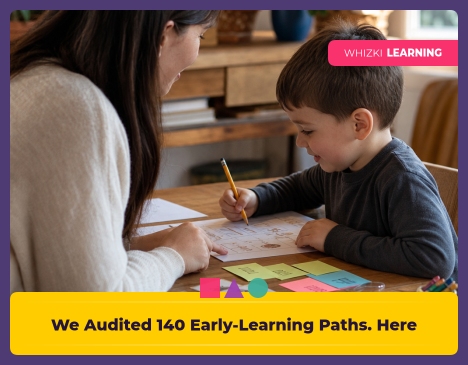
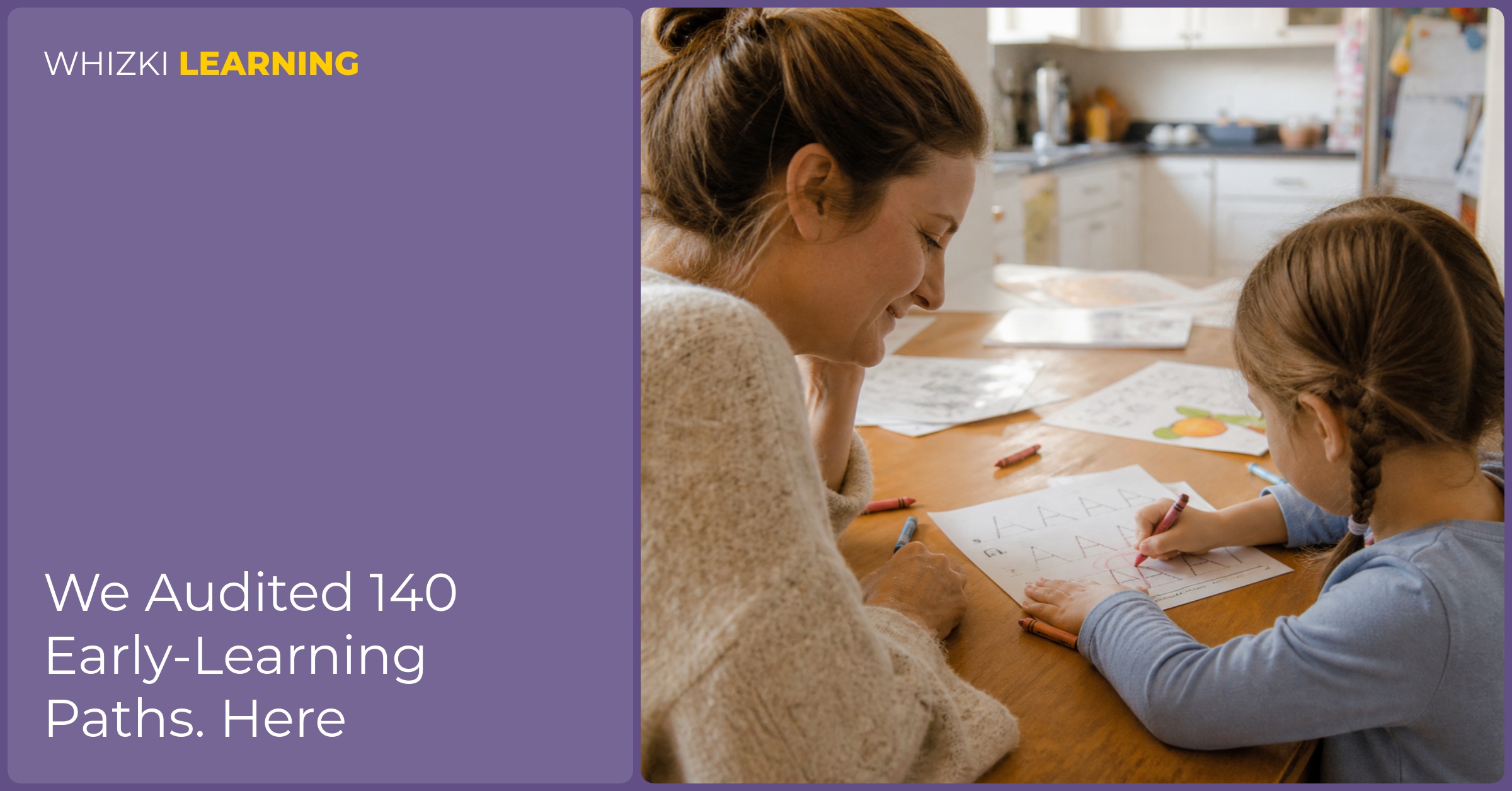
A 12-minute home or classroom check can copy the spirit of the audit without turning the evening into a project. Gather three printed pages, one sticky note, a pencil or crayon, and a timer. Write one skill on the sticky note, then keep only the page that truly matches that skill.
For ages 3 and 4, choose one page with big marks, matching, coloring, or simple lines and plan for five quiet minutes. For ages 5 and 6, choose one page tied to one sound, one number range, or one fine-motor pattern and plan for eight to ten minutes. For age 7, choose one page that reviews a known early skill with a little more independence, and sit nearby instead of turning the page into a test.
The same check works for classroom folders and homeschool baskets. If a teacher wants ready-grouped pages, the worksheet sets can help compare themes, skills, and age fit without making a child complete a whole packet. The adult choice still matters more than the size of the stack.
Montessori observation offers a good stopping rule: watch the child’s hands, face, and return to the task. A child who keeps asking for help may need an easier skill, clearer directions, or a shorter page. A child who avoids every pencil, crayon, or scissor task across many days may need a conversation with the child’s teacher, pediatrician, or occupational therapist.
What happens next
The next review step is to sort the 28 paths without generator coverage by child need, not by which page is fastest to make. The design team should ask whether a missing route affects alphabet awareness, early number sense, fine-motor access, vocabulary clarity, or age-fit browsing. That order respects the way early-childhood teachers plan from children first.
The 47 empty paths with generator coverage need a different kind of follow-up. The follow-up should check labels, page titles, age tags, and whether a caregiver can find the path from more than one starting point. Orton-Gillingham sequencing, NAEYC age-fit guidance, and Reggio-style observation all point to the same idea: a useful path is visible, specific, and kind to the child in front of the adult.
A content audit is not a promise that every family will find the perfect page on the first try. A content audit is a way of admitting where the shelves are full, where the signs are missing, and where new materials need careful design. For today, one sticky note with one skill is enough to make the next printable choice calmer and more useful.