
When letter practice turns into wiggles, snack requests, and pencil complaints, pick three C action words and act the words out beside the table. C verbs give a young child a reason to move, talk, listen, and look at print without making the routine feel like a worksheet battle. The next step is simple: read one tiny sentence, do the action together, then let the child choose the next card.
Reviewed by Whizki Editorial Team, Early Childhood Education Editors.
How to teach C verbs without a battle
The letter C routine works best when the child says a word, moves the body, and hears the /k/ sound at the start. The Orton-Gillingham approach often connects sound, mouth, hand, and page, so a child is not left staring at print alone. For the sound and shape of the letter, pair these words with our letter C learning page.
The NAEYC guidance for early literacy fits what many preschool and kindergarten teachers see every day: young children learn language through play, talk, and short meaningful routines. A C verb list should feel like a warm-up, not a test. Say the word, act the sentence, point to the first letter, and stop while the child still wants another turn.
This guide covers verbs, which means action words only. If the child is ready to name objects, use first words starting with C; if the child wants to describe objects, save describing words starting with C for another day. Separating nouns, verbs, and adjectives keeps the kitchen-table routine clear for ages 3-7.
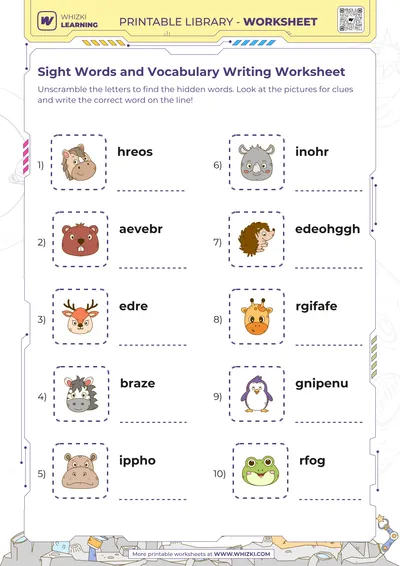
Mid-routine help: print a matching action-word page and tape the sheet near the blocks, sink, or coat hooks. The sight-words printables give you a quick page to point to while a child moves, says the word, and traces the word.
Body action verbs that start with C
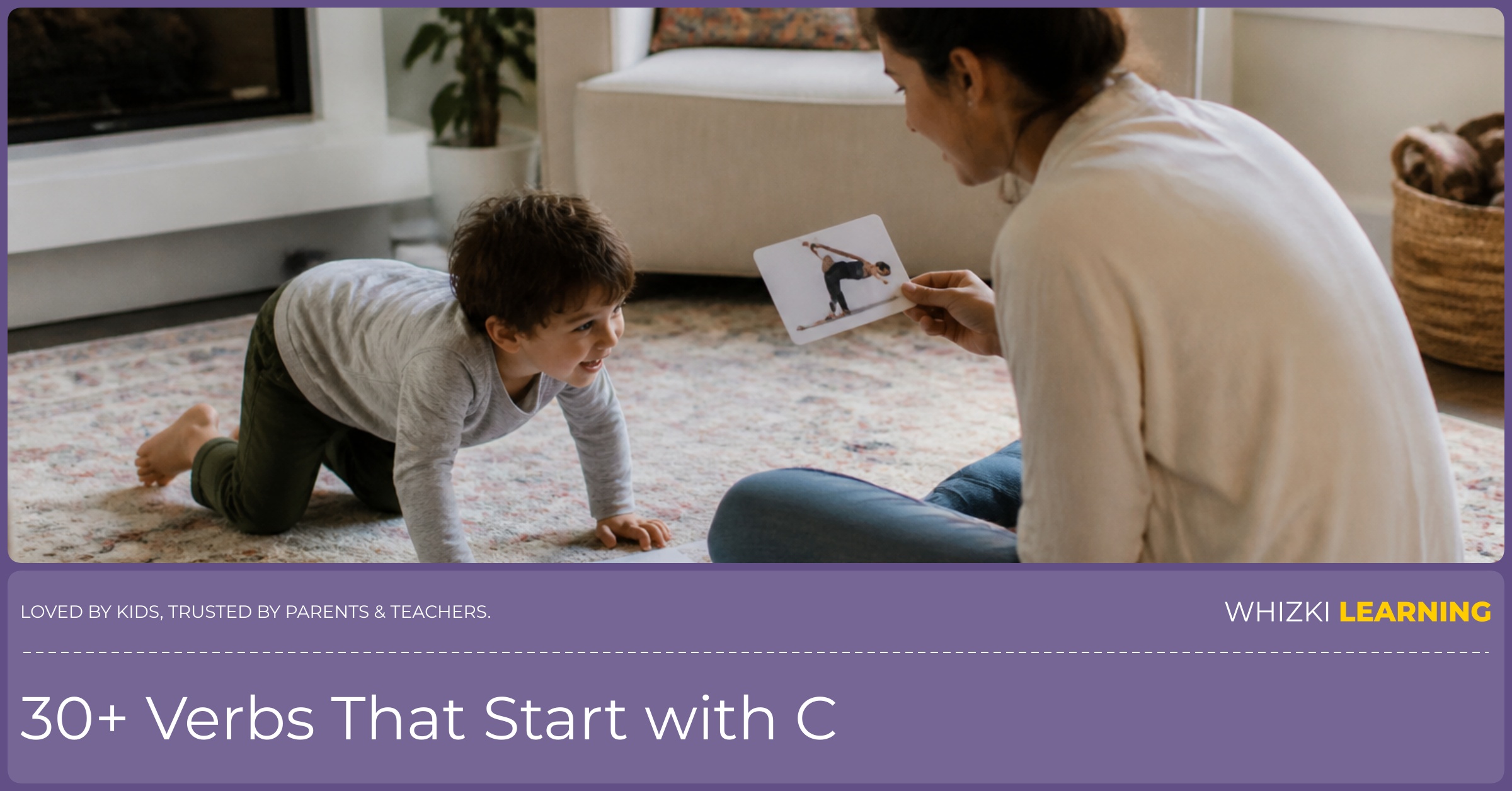
Body verbs are a good first set because the child can feel the word right away. Occupational-therapy basics remind teachers and parents that big movement can settle attention before fine-motor work begins. A child who has just moved with purpose is often more available for a short tracing or reading turn.
Body action words also help children hear verbs as something a person does. Read each sentence in a calm voice, then do the action together. If the child changes the action in a safe way, follow the child's idea once, then return to the printed word.
- Clap beside your knees.
- Crawl under the table.
- Climb onto the cushion.
- Crouch like a frog.
- Carry one soft pillow.
- Catch the blue sock.
- Chase a rolling scarf.
- Circle around the chair.
- Cross your two arms.
- Curl into a ball.
- Creep past the doorway.
- Cough into your elbow.
Household action verbs that start with C
Household verbs make vocabulary feel useful because the words belong to the child's real day. Montessori and Reggio-inspired classrooms often treat daily tasks as learning moments, because children can touch the basket, shelf, spoon, paper, and cloth while hearing the word. The home routine can use the same idea without turning cleanup into a lesson plan.
Household action words are especially helpful for children who resist sitting still. Give one safe job, say the C verb, and let the child finish the tiny task. A preschooler may need a model first, while a kindergartener may enjoy reading the first word before acting.
- Clean the small spot.
- Close the cabinet door.
- Collect three toy cups.
- Clear the low shelf.
- Cover the mixing bowl.
- Check the shoe basket.
- Choose one safe spoon.
- Comb your teddy bear.
- Cook pretend carrot soup.
- Cut the scrap paper.
- Crumple the old receipt.
- Clip the paper corner.
Play action verbs that start with C
Play verbs give children language for the pretend scenes already happening on the floor. Speech-language pathology practice often uses simple action words during play because verbs help children build longer sentences. A block tower, stuffed animal, blanket tent, or toy truck gives the word a real place to land.
Play action words also leave room for child choice, which matters in Reggio-inspired observation. Watch what the child is already doing, then add one printed C verb that matches the play. The adult can say, "Your truck can do that word," and point to the first letter before the child acts.
- Color the big star.
- Create a block tower.
- Cuddle the stuffed cat.
- Cheer for the puppet.
- Chant a silly rhyme.
- Chat with the bear.
- Click two building bricks.
- Clink two wooden spoons.
- Crash the soft blocks.
- Cruise the toy truck.
- Camp under the blanket.
- Copy one funny face.
Charades game and trace-the-word tip
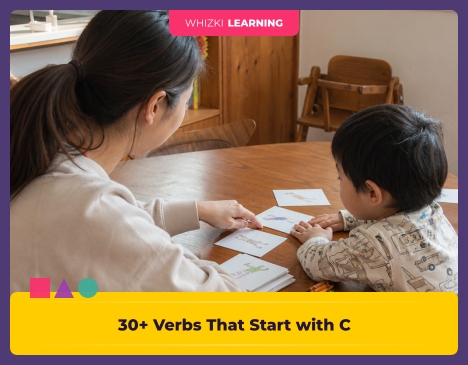
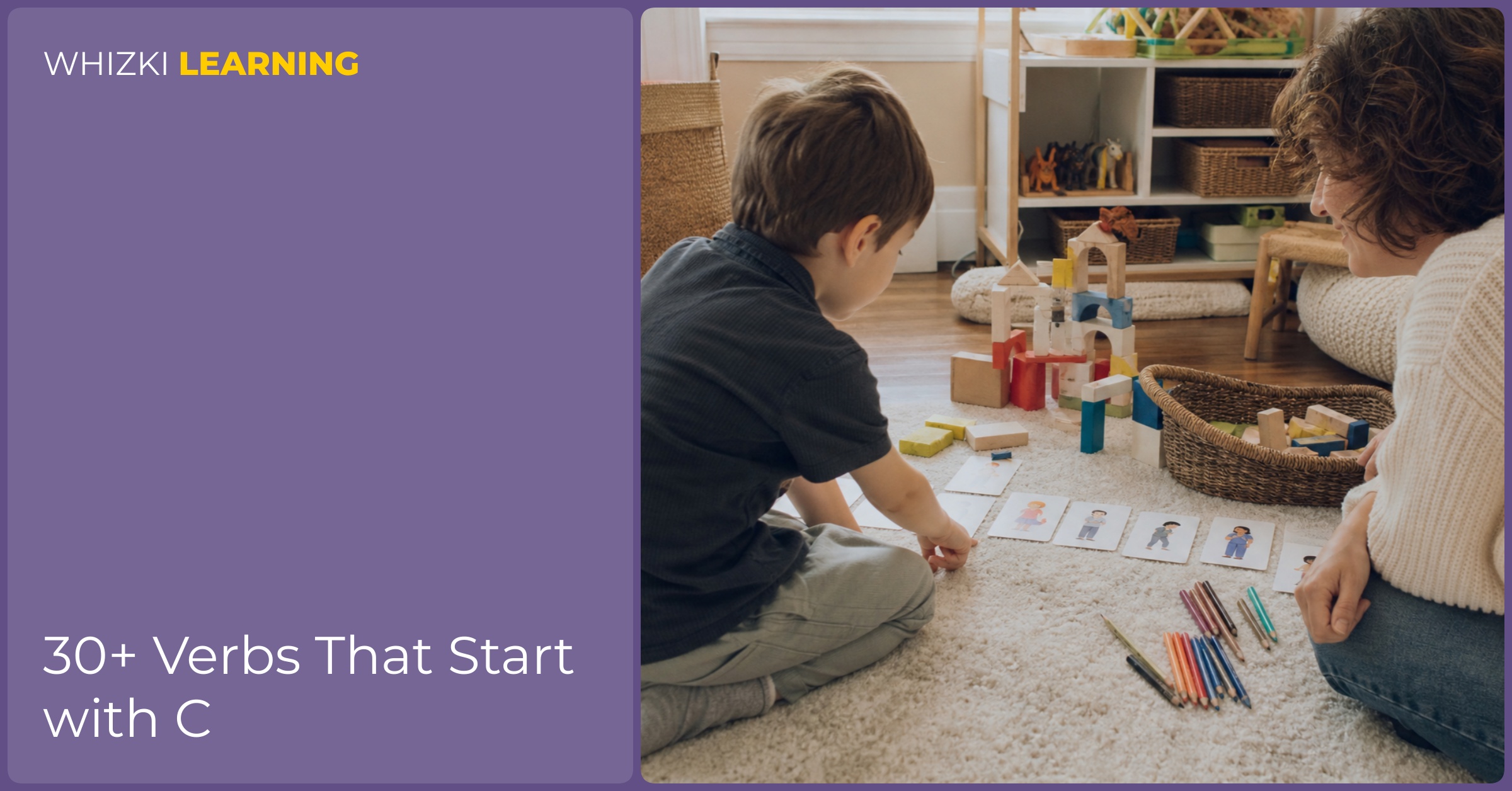
The C verb charades game needs only small paper cards and a few open feet of floor space. Write six C action words from the lists on separate cards, place the cards face down, and let the child pick one card for the adult to whisper or read. The child acts the word, the adult guesses, and the next turn switches roles, which keeps the game social and low-pressure.
The occupational-therapy rule of thumb for young writers is to prepare the hand before asking for careful pencil work. Before tracing, invite the child to press fingertips into play dough, squeeze a sponge, or push palms together for a few seconds. The short hand warm-up helps the child notice finger placement without a lecture about grip.
The trace-the-word tip is to trace big before tracing small. In an Orton-Gillingham-style routine, the child says the C sound, traces the first letter in the air, traces the whole word with a finger, and then uses a crayon on paper. Keep the tracing line wide for preschoolers, and let kindergarten readers try a smaller line only after the word feels familiar.
C verbs work because the child can do the word, hear the word, and see the word in one short routine. Choose one group for today, keep the sentences playful, and repeat favorite words across the week. A child does not need a long list in one sitting; a child needs many small, successful turns with language that makes sense.