PreschoolKindergartenFirst Grade

What to Say After “I Don’t Know” Without Giving Away the Answer

Nov 5, 2026
What to Say After “I Don’t Know” Without Giving Away the Answer

When your child looks at a letter card, a counting page, or a picture puzzle and says “I don’t know,” the hard part is resisting the urge to feed the answer so everyone can move on. Try one tiny move today: wait five quiet seconds, then ask, “What do you notice?” That question lowers the pressure and gives the child a place to start without turning the moment into a quiz.

Reviewed by Whizki Editorial Team, Early Childhood Education Editors.

Use the five-step prompt ladder

The prompt ladder is a small decision tree for the moment after “I don’t know.” NAEYC guidance reminds early-childhood educators to match support to the child’s next small step, and the ladder keeps the adult from jumping straight to the answer.

Step one is wait. Count five slow beats in your head, keep your face soft, and let the child look at the page or object. The wait tells the child that thinking time is part of learning, not a sign that something has gone wrong.

Step two is notice, then reduce choices. Ask, “What do you notice on the page?” or “What part looks familiar?” If the child still freezes, cover extra items with your hand and offer two real choices, such as “Are you looking at the curved letter or the straight letter?”

Step three is model the first step, then offer a pause. Say, “I’m going to start by looking at the first sound,” or “I’m going to touch each block once.” The pause can be a sip of water, a stretch, or a quiet minute with the page turned over, because a short reset often protects the relationship better than another question.

Try sample language without making a test

Letter work feels better when the letter has a job, a sound, and a shape. The Orton-Gillingham approach often begins with seeing, saying, hearing, and touching, so adult language can sound like, “The letter has a tall line and a little bump. Trace the shape with your finger and tell me the sound your mouth wants to try.”

Counting work needs the child to connect one touch to one number word. A Montessori-style one-to-one correspondence habit can sound like, “Let’s move one cracker for each word. I’ll start with one, and you keep the hand moving slowly.”

Picture logic work grows from observation before guessing. A speech-language practice I use often is to name visible clues first, so adult language can sound like, “The dog has a leash, and the child has shoes on. What place might come next in the story?”

Practice choices are easier when the adult is not searching during the lesson. The Learning Hub can give a caregiver or teacher a quick place to pick one letter, number, or picture task before the child arrives at the table.
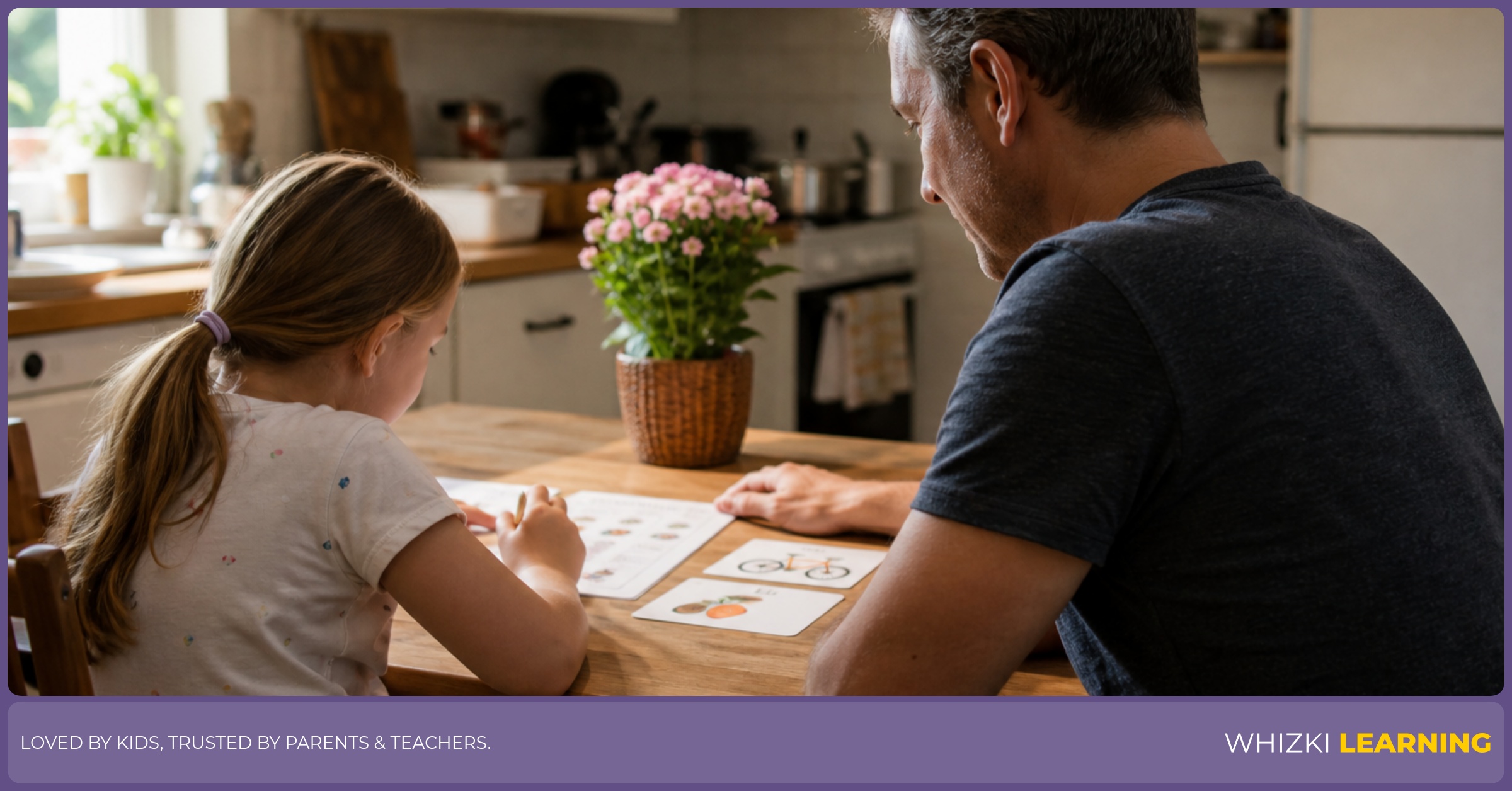
A parent and young child sit at a kitchen table using paper cards while the adult waits and points gently.

Set up the page so the answer can come out

The setup matters because many “I don’t know” moments are really “I can’t find where to look” moments. Occupational-therapy basics often start with the environment, so reduce clutter, place only one pencil or crayon nearby, and turn the page so the child can reach without twisting.

The page should show fewer choices than an adult thinks are easy. For a three-year-old, two picture options may be plenty; for a six-year-old, four letter choices may still feel busy after a long day at school or co-op.

The adult plan should be chosen before the child sits down. The previous parent systems guide is useful when the problem is not the child’s effort, but the adult having too many papers and no quick way to choose.

A calm printable can give the child one clear place to look instead of a busy page full of choices. The printable library works well when you pick one short page, cover half with a sticky note, and stop while the child still has energy.
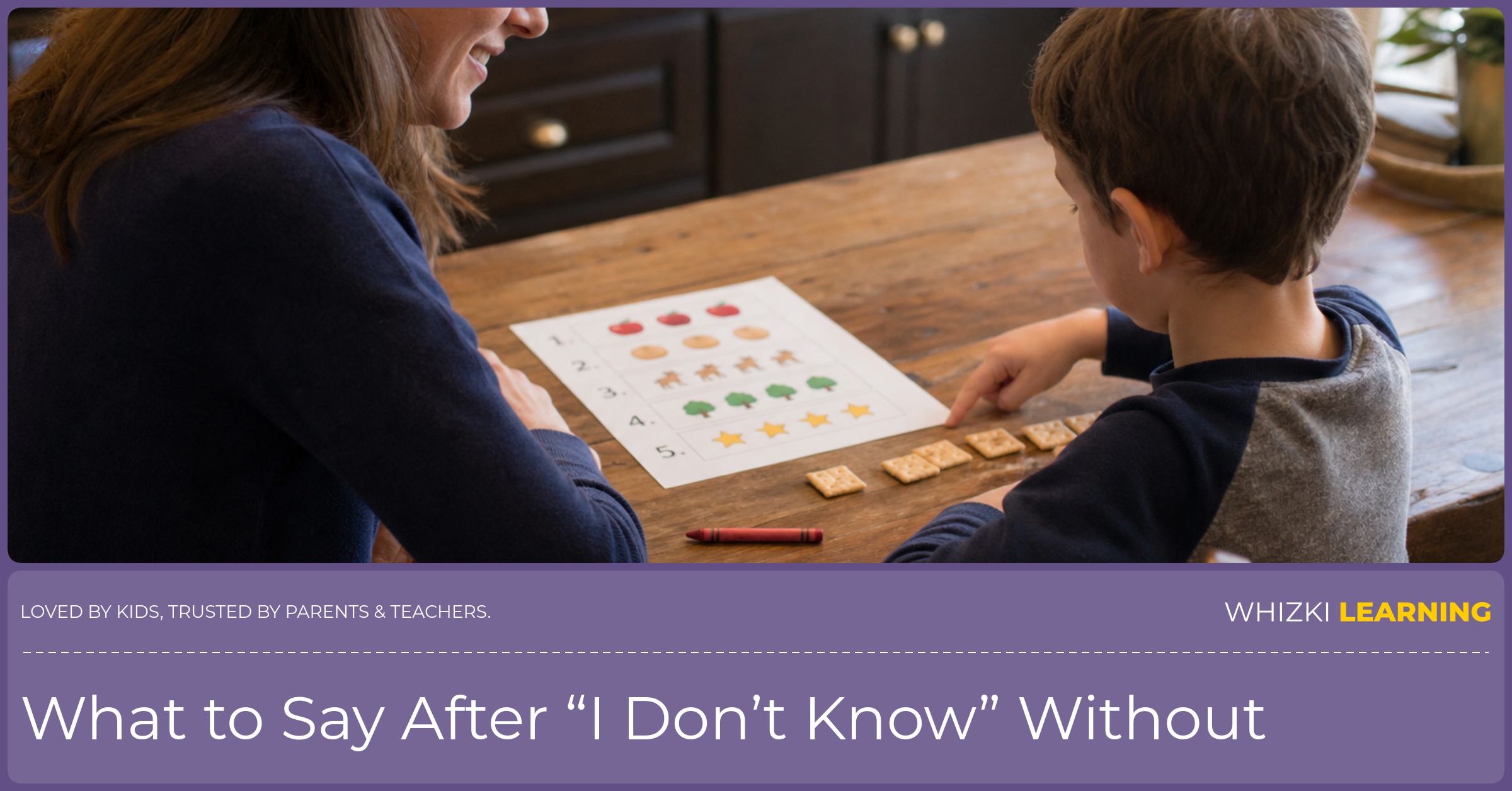
A caregiver and child use crackers, a crayon, and a simple printed page to practice counting and picture choices.

Adjust the ladder for ages three to seven

For ages three and four, the prompt ladder should be short and concrete. Reggio-inspired observation helps here because the adult watches the child’s hands and eyes, then offers language for the clue the child already noticed.

For ages five and six, the prompt ladder can include a little more self-talk. NAEYC-aligned kindergarten practice still values play and relationships, so a teacher might say, “Your eyes went to the first picture. Start with that clue and see where the story goes.”

For age seven, the prompt ladder can invite the child to choose a strategy. An Orton-Gillingham-style reading moment might sound like, “Do you want to tap the sounds, trace the word, or cover the ending first?”

The honest limit is that repeated shutdowns across many settings deserve a slower look. If a child often cannot begin even with wait time, reduced choices, and warm modeling, a pediatrician, speech-language pathologist, occupational therapist, or school support team can help sort out the next right support.

A child’s “I don’t know” is not a dead end; a child’s “I don’t know” is a place to begin more gently. Keep the ladder small: wait, notice, narrow, model, and pause. The answer matters, but the child learning how to start matters even more.

Tracing the Number 4 with Yeti Picture Worksheet Tracing the Number 4 with Yeti Picture Worksheet
Practice writing 4, using a large formation model and dotted tracing rows. Add a short, adult-led conversation about the value.
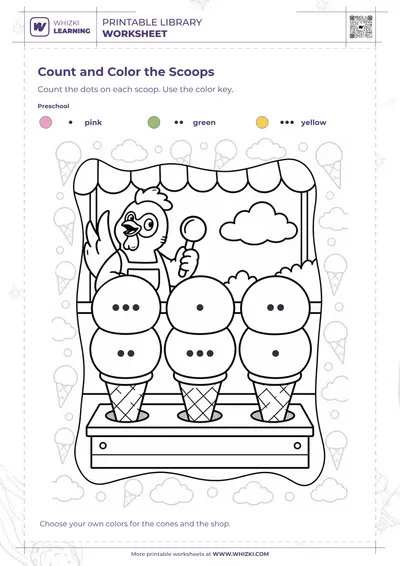
Ice Cream Scoops Count and Color Worksheet Ice Cream Scoops Count and Color Worksheet
Count the dots on each scoop. Use the color key. Choose your own colors for the cones and the shop.
Shape Tracing Adventure: Ready, Set, Draw! Shape Tracing Adventure: Ready, Set, Draw!
Trace the bird face, pear-shaped fruit, and boat designs, using large models and smaller practice rows. Follow separate details and changes of direction with adult support.

One idea. A place in your week.

Add an activity to your Family Learning Planner, choose a day, and keep a note of how it went.
See the Family PlannerFree for one learner. Children do not sign in.

Frequently asked questions

What should I say first when my child says I don’t know?

Say, “Take a quiet breath and tell me one thing you notice.” The notice question gives the child an entry point without giving the answer away. If the child cannot begin after repeated warm support, ask the teacher or pediatrician what patterns the adult team is seeing.

Why does waiting help before I prompt again?

Waiting helps because young children often need extra seconds to look, plan, and move. Adult silence can reduce the feeling that every answer must come fast. If waiting leads to distress or refusal every time, ask a professional for guidance on the learning task and the setting.

How long should a parent wait after asking a question?

A five-second wait is usually enough for a first try with children ages three to seven. The short wait gives thinking time while keeping the moment from dragging. If the child looks tired or overloaded, end the task and return later with fewer choices.

Can I give choices without giving away the answer?

Yes, two thoughtful choices can help a child compare clues instead of guessing wildly. Choice reduction works because the child can focus on one difference at a time. If the child always picks randomly, step back to easier materials or ask a teacher for a skill check.

Should I correct the wrong answer right away?

Correct the wrong answer gently after you name what the child did well. Clear feedback helps the child connect the clue to the answer without feeling tricked. If correction leads to strong avoidance over many days, pause home practice and talk with a trusted professional.

Keep learning with Whizki

Find more ideas on Google

Add Whizki to your preferred sources to find relevant articles in Top Stories and see them highlighted in Google’s AI results.

Add Whizki on GoogleOpens Google · Select Whizki to save

Limited-time savings
on Whizki workbooks.

Boost your child’s skills with our discounted workbooks. Engaging activities for preschool, kindergarten, and grade 1 - now at special sale prices!

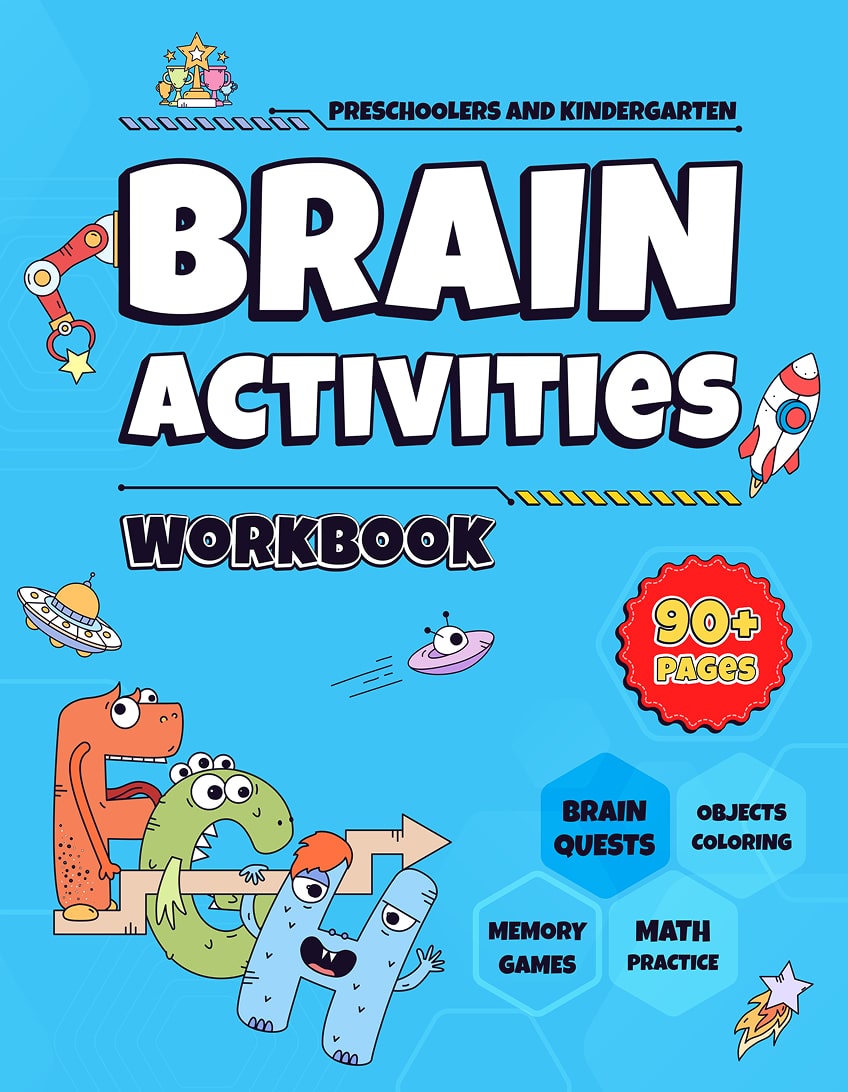
Summer Brain Activities Workbook for Preschool and Kinderg... Workbook Cover BackgroundSummer Brain Activities Workbook for Preschool and Kindergarten: Coloring, Logic Puzzles, Brain Quests, Social StudiesA summer thinking workbook for ages 4 to 6. Coloring, logic puzzles, brain quests, and short social studies activities for the slow afternoo...

-45% $10.99

List Price: $19.99
Buy Now
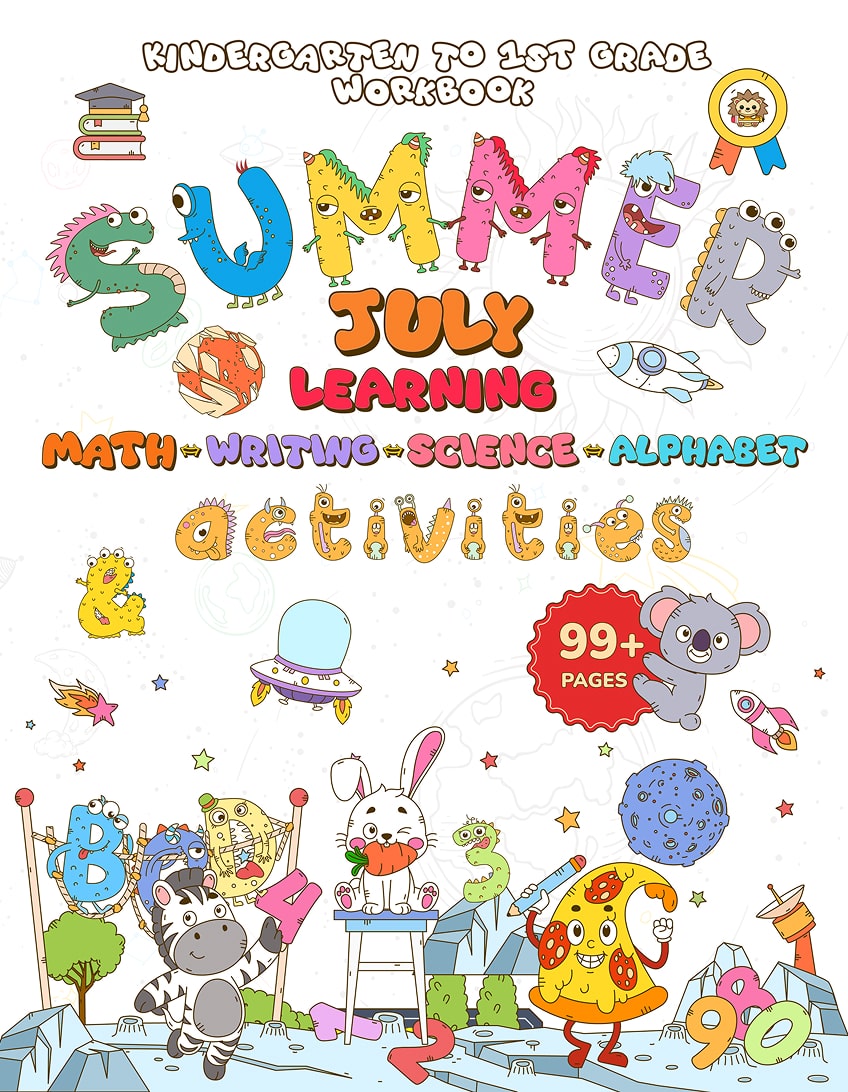
July Summer Learning Workbook for Kindergarten to 1st Grad... Workbook Cover BackgroundJuly Summer Learning Workbook for Kindergarten to 1st Grade: Alphabet Tracing, Math, Numbers, Preschool ActivitiesA July workbook for the middle of summer. Alphabet tracing, early math, number practice, and pencil work for kids moving from kindergarten i...

-27% $10.99

List Price: $14.99
Buy Now
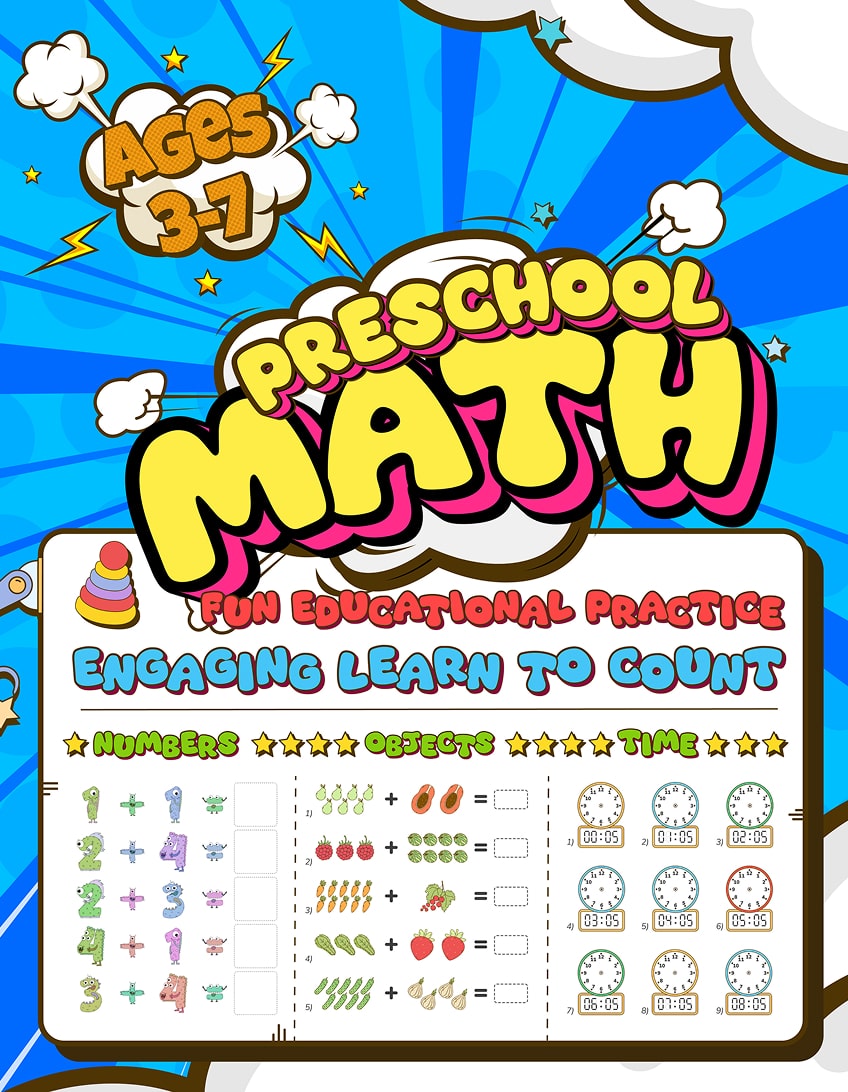
Preschool and Kindergarten Math Workbook Ages 3-7: Numbers... Workbook Cover BackgroundPreschool and Kindergarten Math Workbook Ages 3-7: Numbers, Counting, Shapes, Time, Simple AdditionA long-format early math workbook for ages 3 to 7. Numbers, counting, shapes, telling time, and gentle addition for kids who are still learn...

-40% $8.99

List Price: $14.99
Buy Now
June Summer Learning Workbook for Kindergarten to 1st Grad... Workbook Cover BackgroundJune Summer Learning Workbook for Kindergarten to 1st Grade: Math, Reading, Writing, Science, Brain QuestsA workbook for the slow weeks of June. Reading, math, writing, science, and brain quests for kids stepping from kindergarten into 1st grade.

-27% $10.99

List Price: $14.99
Buy Now

Join the Screen-Free Movement.

Get exclusive activities, expert tips, and inspiration for a more meaningful, offline family life.

Enter your email address to receive Whizki learning ideas.

Copyright © 2025 - 2026 Whizki Learning. All rights reserved.