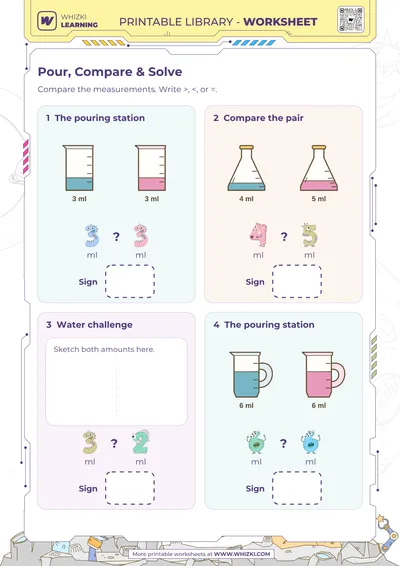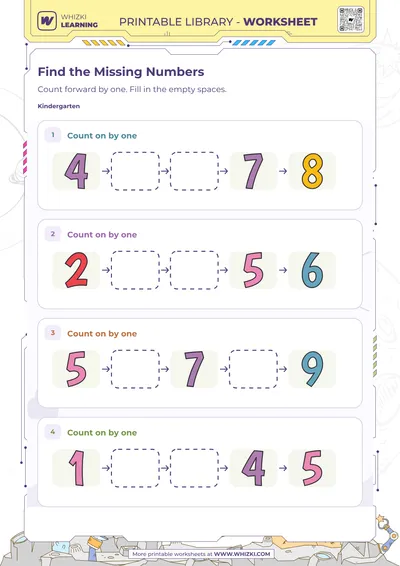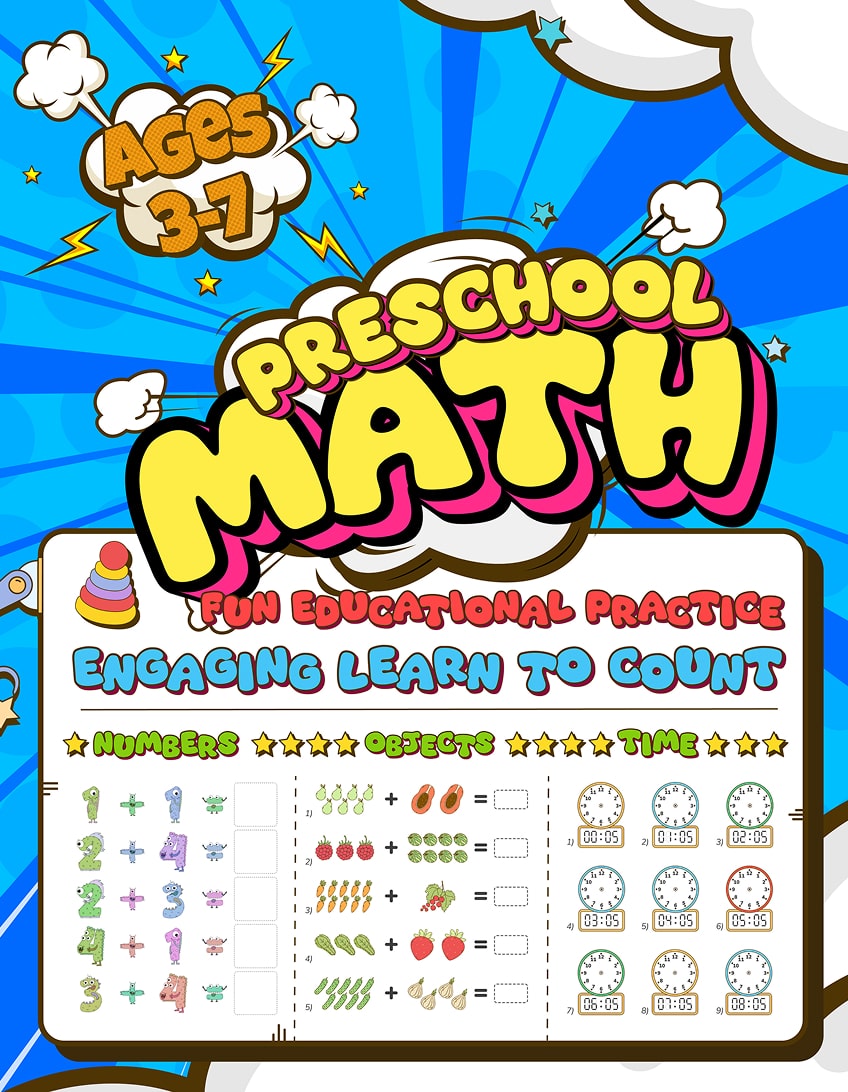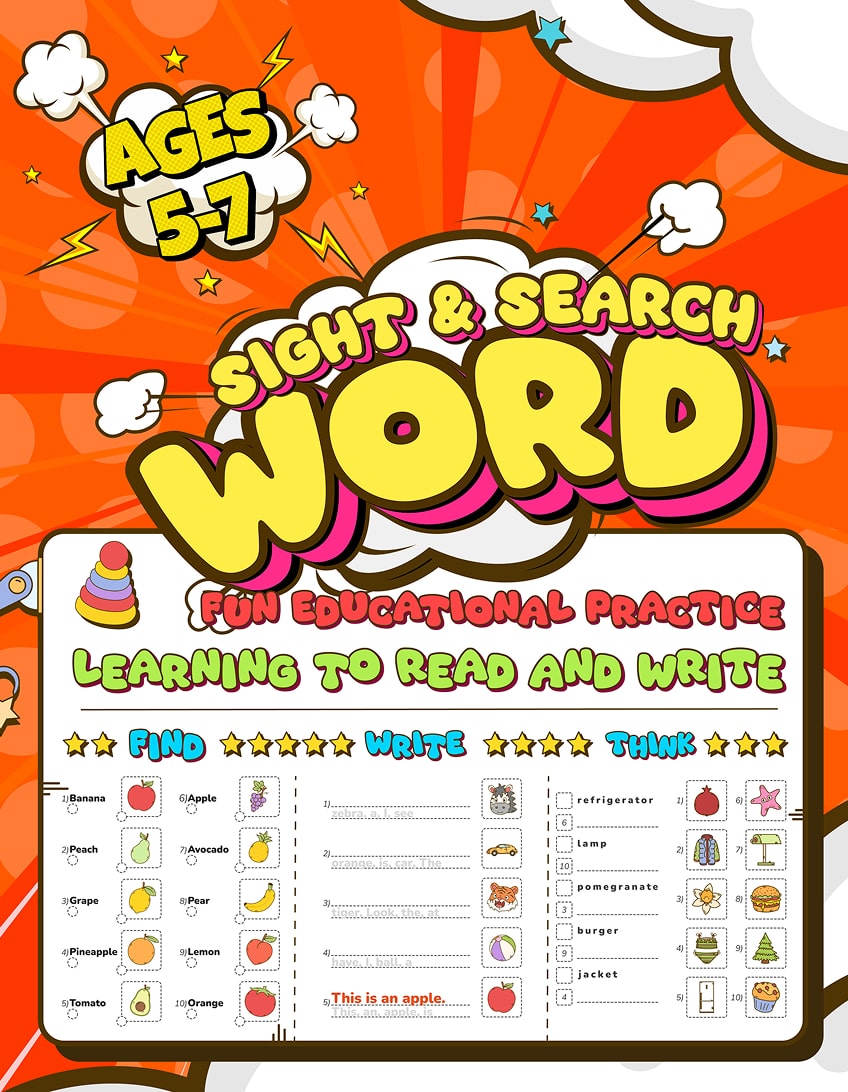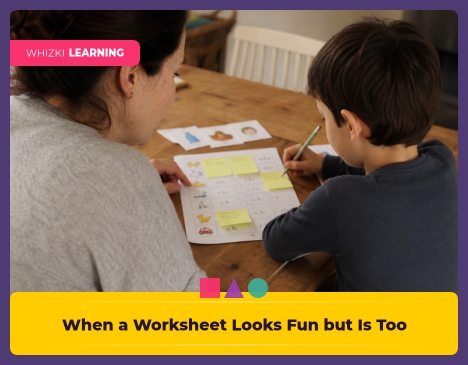
When a child stares at a cheerful worksheet and says, “I don’t know what to do,” try one action today: cover the decorations with sticky notes and ask, “Where does the pencil go first?” The worksheet may look adorable and still ask too much of a 3- to 7-year-old’s eyes, hands, and working memory. The family decision is not “fun or boring,” because the better question is “can the child find the task without a rescue speech?”
Reviewed by Whizki Editorial Team, Early Childhood Education Editors.
Documented facts before opinion
The worksheet is part of the learning environment, not just a cute page. NAEYC guidance on developmentally appropriate practice asks adults to match materials to a child’s age, development, culture, and setting. For ages 3 to 7, a busy layout can raise the visual and motor demand before the child ever practices the intended skill.
The Orton-Gillingham approach keeps the teaching target explicit, sequential, and visible. A phonics page that asks for the /m/ sound should make the /m/ task easier to see than the mouse, moon, maze, and border art around the page. The worksheet can be playful, but the skill needs to win the child’s attention first.
The Reggio Emilia tradition reminds teachers to respect beauty, materials, and child curiosity. Decorative art is not the problem by itself, because warm images can invite a child into the page. The honest tradeoff is that every charming detail uses space and attention, so task clarity sometimes requires fewer cute pieces than an adult designer first wants.
The proposed rejection check
The proposed rejection check takes about 90 seconds before a page goes into a backpack, binder, or morning bin. The adult looks at the draft from the child’s seat, not from the designer’s desk. The check is a rejection check on purpose, because a page that fails can be simplified before a child has to struggle through adult clutter.
The first pass is visual hierarchy, meaning the main job should be the easiest thing to notice. If the title, border, characters, arrows, and stickers all shout at the same volume, the worksheet has no clear starting place. Montessori practice often uses prepared materials with one clear point of interest, and the same idea helps a paper task feel calmer.
The second pass is answer space, because tiny blanks change the task from thinking to squeezing. Occupational-therapy basics remind educators to watch posture, wrist room, pencil grasp, and line size before blaming a child’s effort. A preschooler may need a box the size of a sticky note, while a kindergartener may still need more space than an adult expects. The worksheet should give the hand room to show the brain’s answer.
The third pass is rule load, especially mixed response rules. A page that says color, circle, trace, match, and write on the same small sheet may be testing direction-following more than the skill named at the top. Speech-language practice often reduces competing demands when adults want to hear or see one target clearly, and worksheet directions deserve the same respect.
Materials, time, and age adjustments
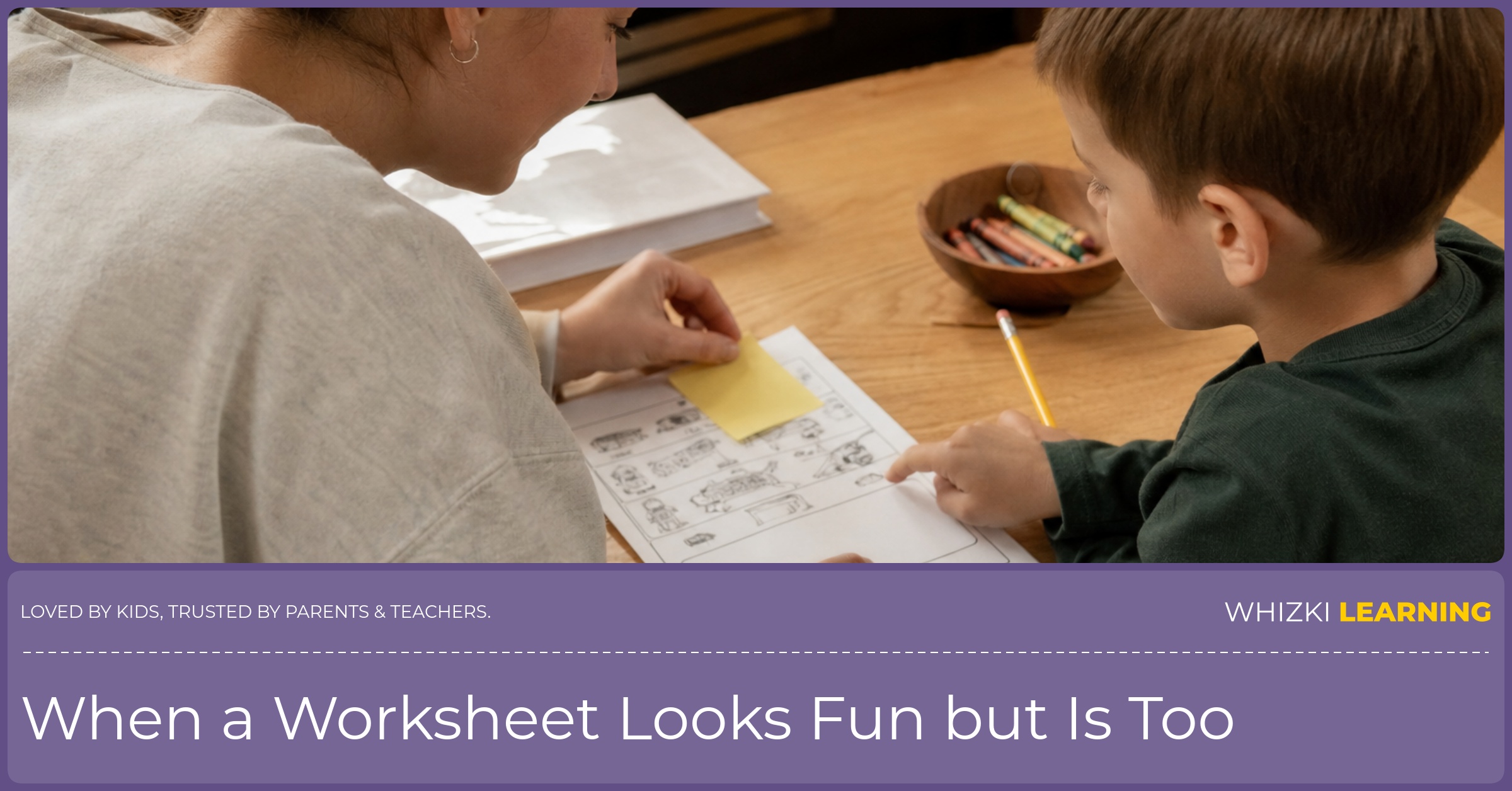
The material list is simple: one draft worksheet, two sticky notes, a dark marker, a blank sheet of paper, and a paper clip. The review takes five minutes if the adult prints one page and tests the child’s view from a real table. The adult can also lay a blank sheet over half the worksheet to see whether the main job becomes easier to spot.
For ages 3 and 4, the worksheet should usually ask for one action, such as point, cover, match, or circle. For age 5, the worksheet can carry one main direction plus a short model, as long as the answer spaces stay large. For ages 6 and 7, the worksheet can include a second step when the first step is visually complete and the child has practiced the response rule before. The age adjustment is about task load, not about making every page plain.
The adult limit matters, because a worksheet is not a full lesson, a diagnosis, or proof of readiness. A page can support a hands-on lesson, teacher talk, movement game, or book conversation, but the page cannot replace those experiences. If handwriting causes pain, avoidance, or major fatigue across many settings, an occupational therapist or the child’s school support team can give more specific guidance.
The printable sets in the printable library can be a low-pressure starting point when a family wants paper practice without building every page from scratch. I still recommend the same 90-second clarity check before any printable lands in front of a tired child.
Field note from the review table
The field note from my review table starts with a grayscale printout, because color can hide layout problems. I look for the skill path the way a Reggio teacher observes the environment, asking what the material invites the child to do first. I also keep the scope narrow, the same way I described in the previous field notes guide.
The rejected draft had a cheerful farm border, five animals, three icons, and a tracing line for each answer. The target skill was beginning sounds, but the page also asked children to color, trace, and draw a line to a barn. The worksheet looked friendly to adults, yet the child’s first question would likely be about the animals rather than the letter sound.
The design choice was to keep one farm picture at the top and remove the decorative border from the work area. The answer boxes became larger, and the directions changed to one response rule: circle the picture that starts with the sound. The page lost some visual charm, but the task became kinder to a young learner’s eyes and hand.
Try the cover-and-point routine today
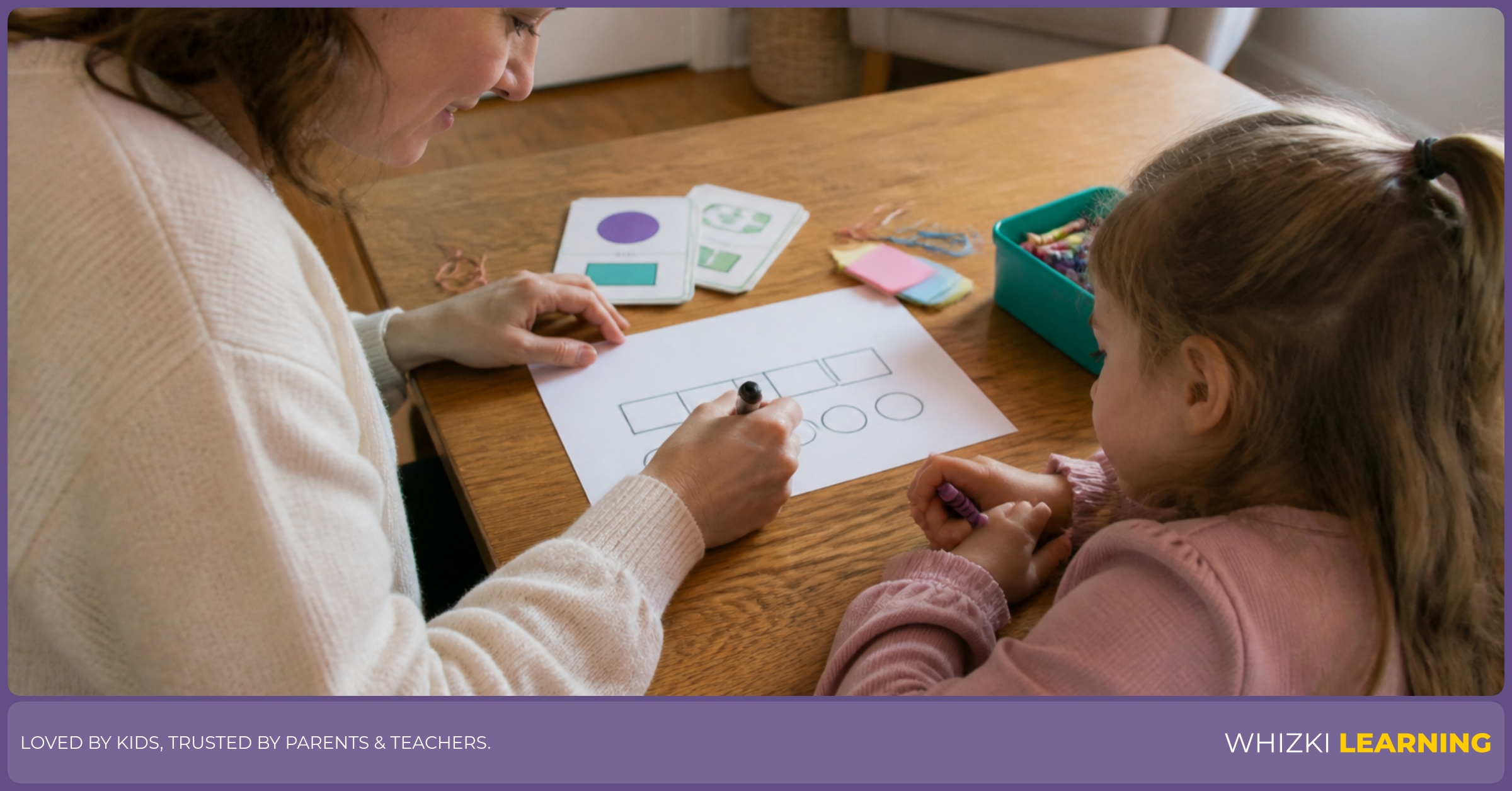
The cover-and-point routine works well at home, in a preschool room, or at a homeschool table. The routine takes about six minutes and follows the Orton-Gillingham habit of naming one clear target before asking for a response. The adult says the goal out loud, such as “Today the job is to find the picture that starts with /m/.”
The adult covers extra art with sticky notes and asks the child to point to the first place the pencil should go. The adult then reads only the needed direction, waits, and watches the child’s hand before adding more words. If the child begins correctly after the cover, the worksheet problem was likely visual clutter rather than lack of understanding.
The child may still need a break, a movement choice, or a hands-on version with objects before paper practice. Occupational-therapy basics support offering larger tools, slant boards, short crayons, or standing work when paper tasks feel hard on the hand. A teacher, therapist, or pediatric professional can help when frustration, vision concerns, or motor difficulty shows up often across daily tasks.
A busy worksheet is not a character flaw in the child or the adult who picked the page. A clarity check simply protects the learning moment before charm, clutter, and too many rules get in the way.
The best printable for ages 3 to 7 usually feels almost obvious once the child starts. The child should spend energy on the skill, not on guessing what the adult meant.