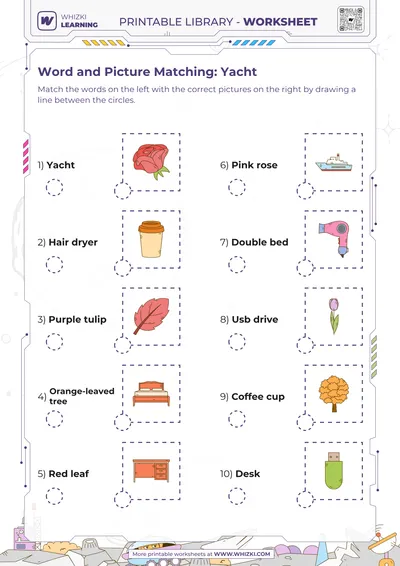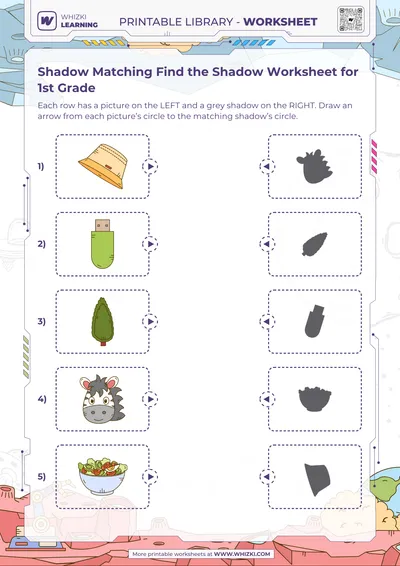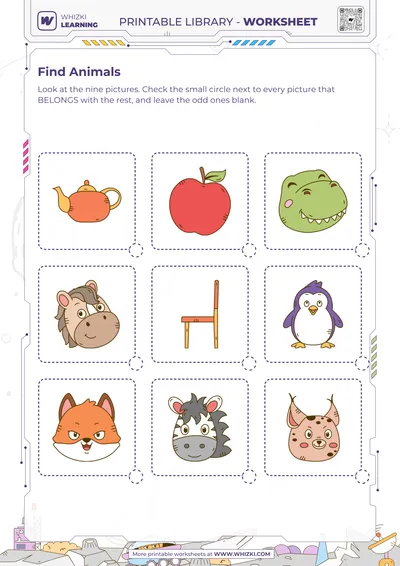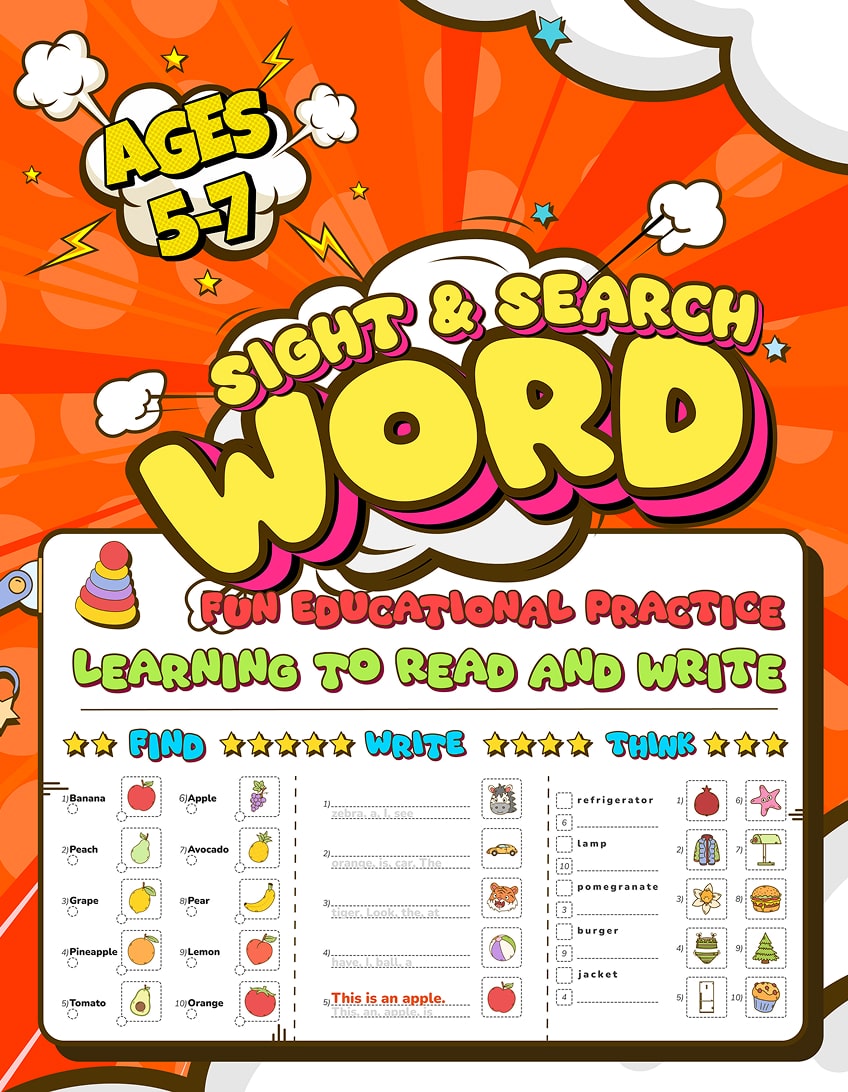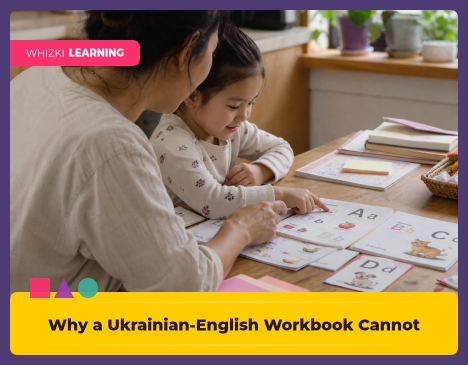
If your child asks why the Ukrainian-English workbook page does not look like the English page beside it, pick one letter pair today and name the job of the page before pencil work begins. The mismatch is usually a design choice, not a mistake. A translated alphabet page can look tidy to adults, but young children need a clear answer to the question, “Which language skill belongs on this page?”
Reviewed by Whizki Editorial Team, Early Childhood Education Editors.
Field note: alphabets do not line up
The documented fact is simple: English uses 26 letters, and Ukrainian uses 33 letters. The Orton-Gillingham approach treats sound-symbol links as exact teaching work, so a bilingual page cannot pretend that each English letter has one matching Ukrainian partner. A child ages 3 to 7 is still sorting shapes, names, and sounds, so false matches add noise.
The letter B is a useful example because English B usually stands for /b/, while Ukrainian В stands for /v/. Ukrainian Б carries the /b/ sound, but the shape is different from English B. A page that only translates the English B page would teach the wrong sound-symbol link.
The proposed check for today takes three minutes with sticky notes. Write English B on one note, Ukrainian В on another note, and Ukrainian Б on a third note, then say each sound while the child points. If the child is 3 or 4, stop after pointing and saying; if the child is 5 to 7, add one picture or object for each sound.
Field note: page density changes
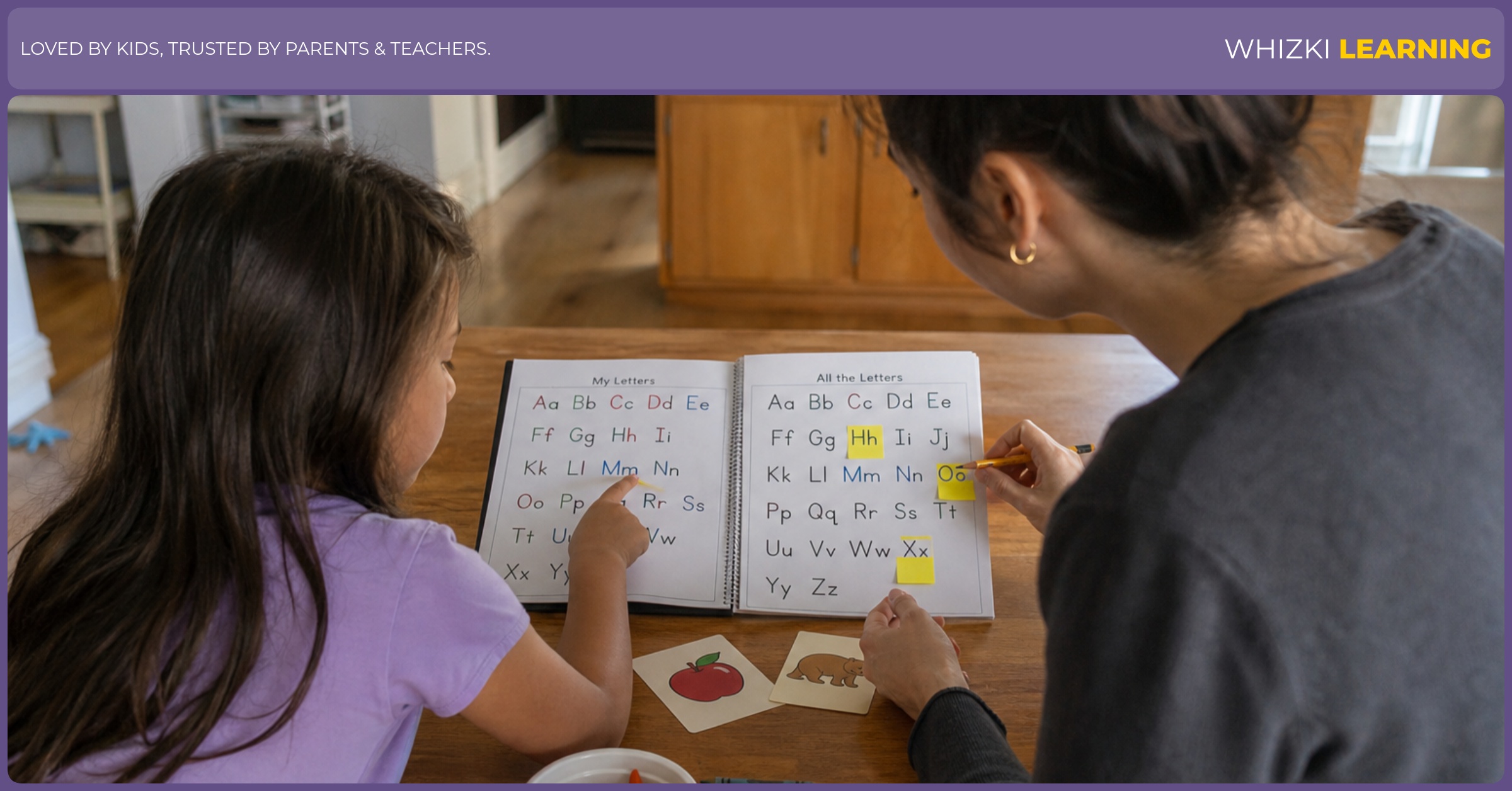
The documented fact is that a bilingual worksheet needs room for two scripts, two labels, adult directions, and child writing space. Occupational therapy basics remind early-childhood teachers to watch pencil grip, wrist position, and visual clutter before asking for neat tracing. A crowded page may ask too much of the eyes and the hand at the same time.
NAEYC guidance for preschool and kindergarten materials favors developmentally appropriate challenge, which means a page can be shorter and still be better. A Ukrainian-English page may use fewer pictures, bigger tracing paths, or extra white space because the language load is already higher. Page density is part of the lesson design, not decoration.
The proposed check uses a blank sheet of paper as a cover. Place the cover over the Ukrainian half of a bilingual page and ask the child to complete one English task, then switch and uncover the Ukrainian half. If the child relaxes when one language is hidden, the page may need shorter sessions rather than more pressure.
For families who want paper practice without building every page from scratch, the printed workbooks include early literacy activities designed for hands, eyes, and real home routines. A workbook can give structure, while your voice, stories, and small daily conversations carry the language learning.
Field note: examples are chosen, not translated
The documented fact is that example words do different jobs in different languages. Speech-language pathology practice often starts with familiar words and clear sounds, and Reggio-inspired observation asks adults to notice what a child already knows from home. A picture that works beautifully for an English sound may not help the Ukrainian sound at all.
The word apple is a common English example for A, but the Ukrainian word яблуко begins with a different letter and sound pattern. A direct translation would move the picture into the wrong alphabet lesson. A better bilingual page may choose a new Ukrainian example instead of forcing the English picture to stay.
The proposed check is a kitchen-table investigation, not a test. Open the alphabet learning hub, choose one English letter page, and ask which sound the picture is helping the child hear. Then say the Ukrainian word for the same picture and listen for whether the first sound still matches the lesson.
Field note: every task needs a language job
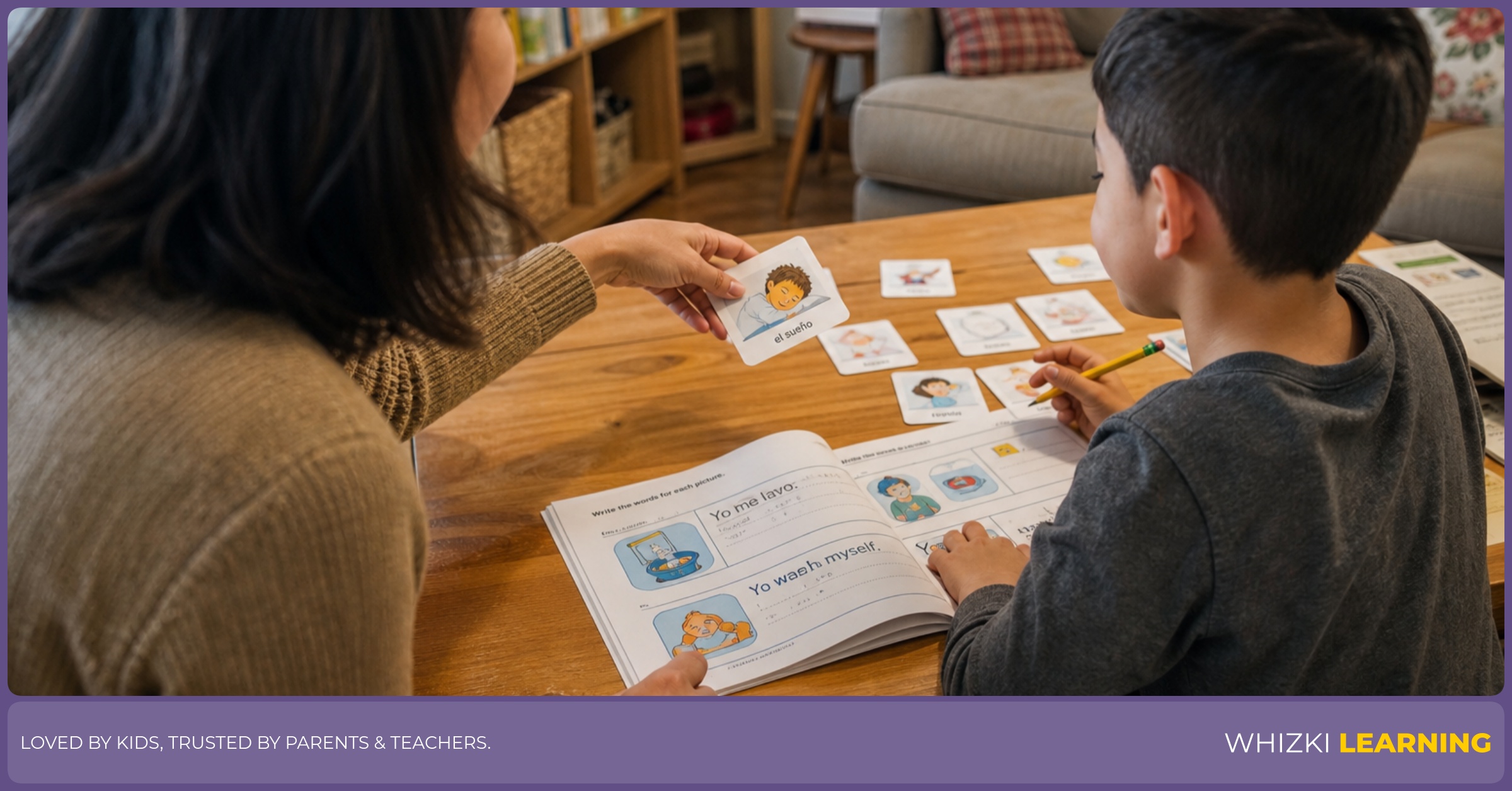
The documented fact is that a bilingual task must decide whether the main skill is English, Ukrainian, or shared motor practice. Orton-Gillingham lessons separate visual recognition, sound recall, and handwriting because those skills can grow at different speeds. A Ukrainian-English worksheet needs the same kind of decision before the page reaches a child.
A tracing line can belong to shared fine-motor practice because the pencil path is the target. A first-sound circle task belongs to one language because the sound depends on the spoken word. A picture-naming task may belong to either language, depending on the adult prompt printed on the page.
The proposed review method is the question I use before handing over a pencil: “What will the child know or do after finishing this box?” If the answer is “practice an English sound,” the Ukrainian prompt should not compete inside the same box. If the answer is “warm up the hand,” both scripts can appear nearby as long as the writing demand stays gentle.
How to use one page by age
The practical plan starts with observation, a habit shared by Montessori and Reggio classrooms. For a 3-year-old, use one page for five minutes of pointing, naming, and coloring. For a 5-year-old, add tracing or matching after the child has heard the target sound from an adult.
The same page can stretch for a 7-year-old by adding comparison talk. The child can notice that two letters look alike but say different sounds, or that one picture helps English while another picture helps Ukrainian. NAEYC-aligned practice keeps the task playful and brief, especially when a child is learning two scripts.
The honest limit is that a workbook page is a tool, not a full language plan. Young children also need lap reading, songs, family words, outdoor talk, and chances to hear both languages used for real reasons. Teachers and homeschoolers can use one page as a small lesson, then watch the child’s body and attention for the stopping point.
A Ukrainian-English workbook is strongest when the page respects both alphabets instead of squeezing one language into the shape of the other. The best next step is small: choose one page, name the language job, and shorten the work if the sound, script, or hand movement starts to blur. Clear design gives young children a fair path into both languages.