Learning Outcomes
Seasonal vocabulary words → sorting winter and summer items → stronger word-to-weather connections during daily season talk.
Weather & seasons names → placing pictures into Spring, Summer, Fall, Winter → improve recall of seasons and basic weather patterns.
Seasonal vocabulary words → practicing category checks with an adult → build confidence using new science vocabulary in sentences.

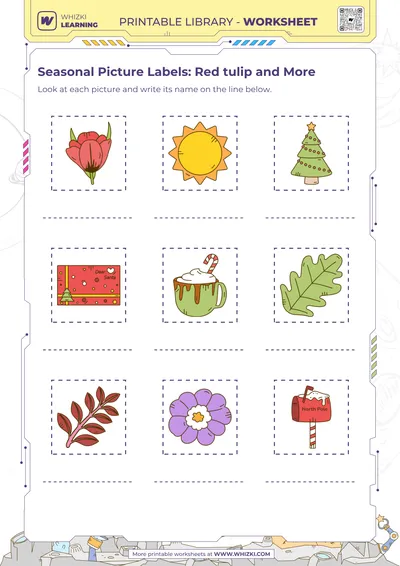
Seasonal Vocabulary Sorting Weather Worksheet for 1st Grade
Five-year-olds get bored fast with long weather pages, and many kids stall on remembering which seasonal words belong to winter versus summer. The Seasonal Vocabulary Sorting worksheet helps 1st graders practice matching seasonal vocabulary to Spring, Summer, Fall, Winter as part of Weather & Seasons learning.
Weather vocabulary matters because children connect weather clues to seasons, not just the season names. When seasonal words click, reading and talking about weather becomes easier in everyday science conversations and classroom activities.
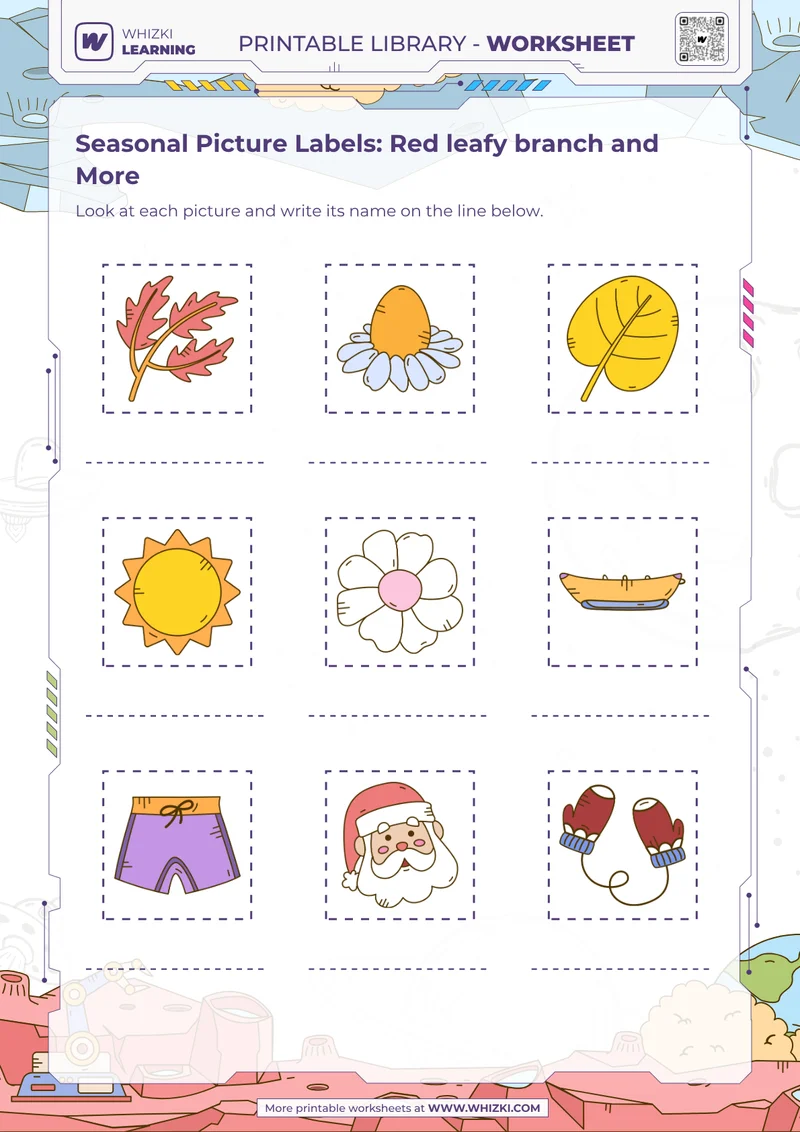
Use the Seasonal Vocabulary Sorting worksheet by setting four paper labels on the floor or table for Spring, Summer, Fall, and Winter. Start with clear matches like mittens and santa for Winter, then sun-round and swim-trunks for Summer, and finish by sorting red-oak, yellow-aspen, chamomile, white-flower, and banana-boat.
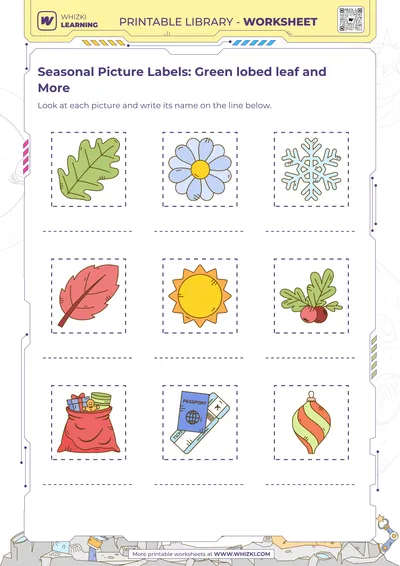
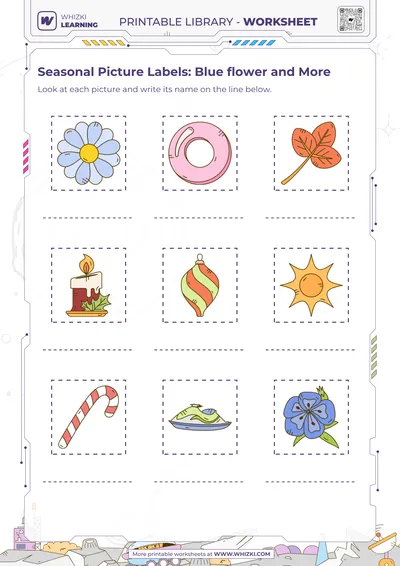
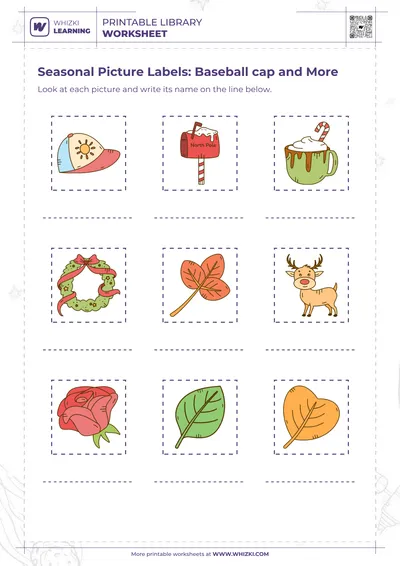
This specific Seasonal Vocabulary Sorting worksheet is built around one simple sorting action, so every picture match gives repeated practice with Weather & Seasons vocabulary. The familiar items (leaves, flowers, beach things, and cold-weather items) make the “why that season” conversation easy and quick.
Limited Time Sale
Kids’ Workbooks!
Boost your child’s skills with our discounted workbooks. Engaging activities for preschool, kindergarten, and grade 1 - now at special sale prices!


Fast shipping
Secure Payment
Licensed Teachers
For the planet
Printed in the USA
Find fresh ideas
To help your little learners grow!
Helpful guides for parents and teachers, and tips for making learning at home super fun.

Getting an energetic preschooler to sit still for handwriting practice often results in frustrating power struggles. This educator-approved playbook provides 10 screen-free, proprioceptive calm-down activities designed to regulate a dysregulated nervous system. Learn how heavy work, fine motor warm-ups, and breath control prepare a child's body and mind for successful, tear-free tracing and writing.
Sunny Hedge
When a preschooler complains of boredom, parents often feel immediate guilt and offer digital entertainment. This educator-approved guide explains the psychological mechanism of unstructured time and why boredom is the ultimate catalyst for independent play. Learn how to survive the initial complaining phase and utilize high-quality printed workbooks to bridge the gap between digital stimulation and deep, analog focus.
Sunny Hedge
Many parents panic when their preschooler cannot sit still for more than two minutes, fearing the child is not ready for formal schooling. This educator-tested guide explains why early attention spans are naturally short and provides a step-by-step plan to gently stretch cognitive stamina. Learn how to build a reliable 15-minute focus habit using screen-free, analog activities before the first day of kindergarten.
Sunny Hedge
The kitchen provides a natural, highly engaging mathematics classroom for preschoolers. This educator-approved playbook details 10 easy, screen-free number games using everyday pantry items and snacks. Learn how sorting pasta, measuring water, and counting blueberries builds foundational counting skills, one-to-one correspondence, and deep number recognition without any formal preparation.
Sunny HedgeJoin the Screen-Free Movement.
Get exclusive activities, expert tips, and inspiration for a more meaningful, offline family life.