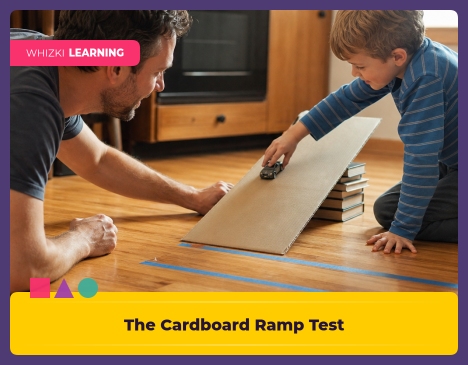
When a cardboard box becomes a living-room traffic jam and the toy car debate starts, set one piece of cardboard on a book and ask, What happens if we change just one thing? The cardboard ramp test gives children ages 3-7 a real science job without needing special supplies or a long setup. The useful action for today is simple: roll one object twice, change the ramp height or the ramp surface, and keep everything else the same.
Reviewed by Whizki Editorial Team, Early Childhood Education Editors.
What you need and how long it takes
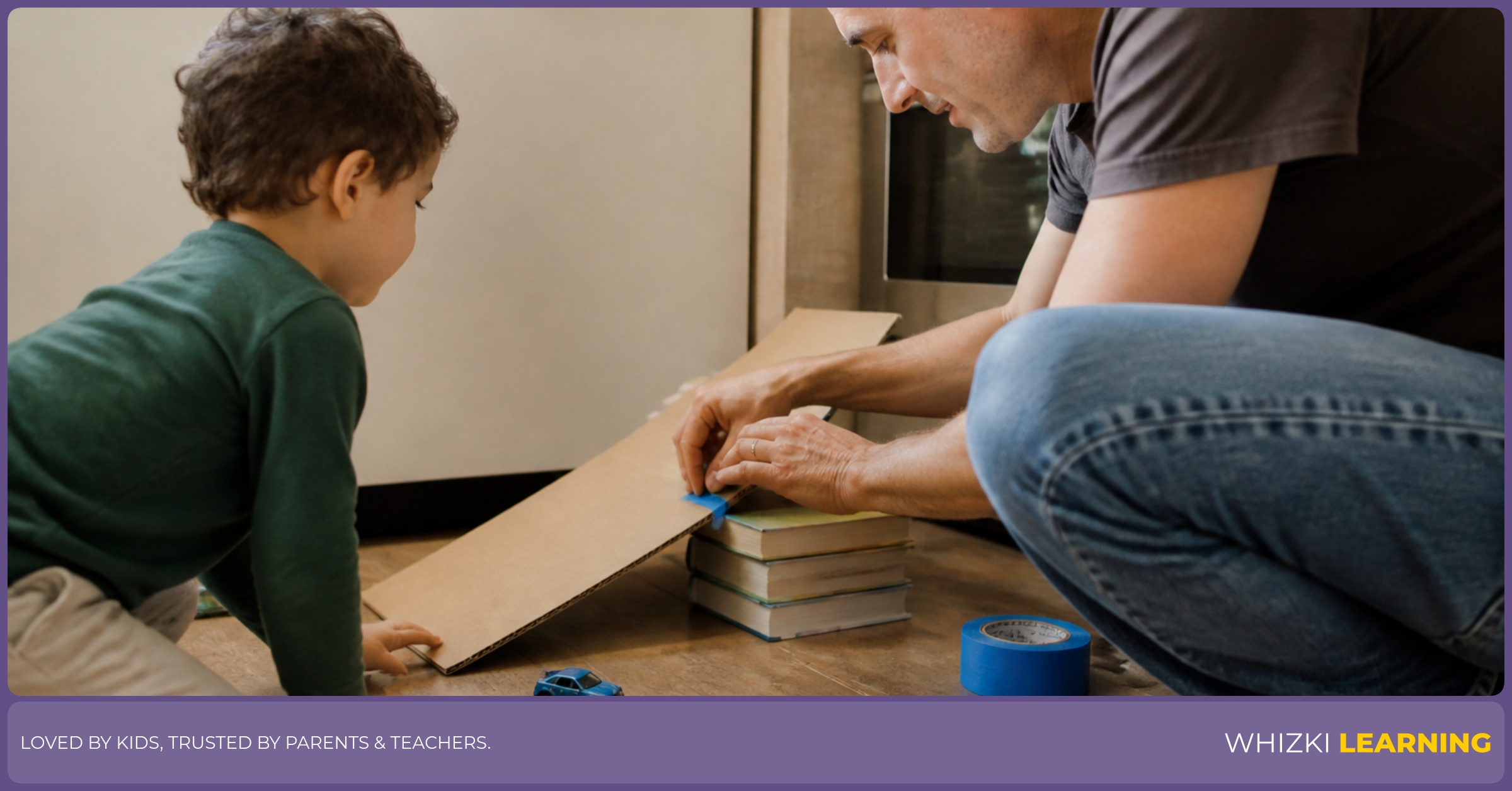
The cardboard ramp test needs a stiff piece of cardboard, one rolling object, tape, two or three books, and a clear landing area on the floor. The investigation usually takes 10 to 15 minutes with preschoolers and 15 to 25 minutes with kindergarteners or first graders who want to repeat the rolls. The NAEYC guideline of active, hands-on learning fits well here because children learn the science idea through movement, looking, and talking rather than through a lecture.
The rolling object should be one item for the whole first round, such as a toy car, a wooden spool, a ball, or a small cardboard tube. The cardboard ramp should rest on a stable base so the ramp does not wobble while the child releases the object. The adult job is safety and consistency, while the child job is release, watch, compare, and explain.
The setup works best when the adult says the one-change rule in plain language: “We are changing the book stack, and the car stays the same.” Reggio-inspired practice treats the cardboard, books, and floor as useful learning materials, so the child can help arrange the space and notice what the materials do. A strip of painter’s tape on the floor can mark where the object stops, but exact measuring is optional for children in the 3-7 age band.
Round one, change the height
The height comparison starts with the ramp resting on one book and the same object released from the same spot near the top. The child can roll the object, mark the stopping place with tape, and say what happened in ordinary words such as “far,” “near,” “fast,” or “slow.” Montessori practice often uses careful repetition with one clear variable, and the ramp height makes that repetition easy to see.
The second roll uses the same ramp, same object, same floor, and same release spot, with the ramp raised on two books instead of one. The adult can narrate the constant parts without turning the moment into a vocabulary quiz: “The car is the same, the floor is the same, and the ramp is taller.” The comparison invites the child to notice cause and effect through action before the formal phrase fair test ever needs to appear.
The adult should expect some wobbly results because a preschool hand may push without meaning to push. The best fix is a small starting line made from tape or a crayon mark, plus the phrase “open your fingers and let the car go.” Occupational-therapy basics call that a motor plan, and the clear hand cue helps children focus on releasing rather than shoving.
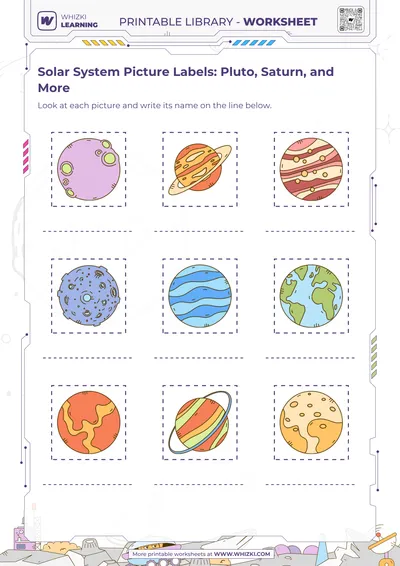
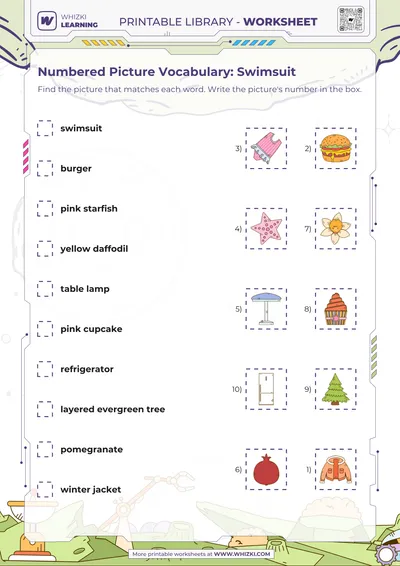
A simple recording page can help children draw the first ramp and the taller ramp without turning the activity into a worksheet-only lesson. For families who like a ready page beside the cardboard, the printable library can sit next to the tape and crayons as a low-pressure helper.
Round two, change the surface
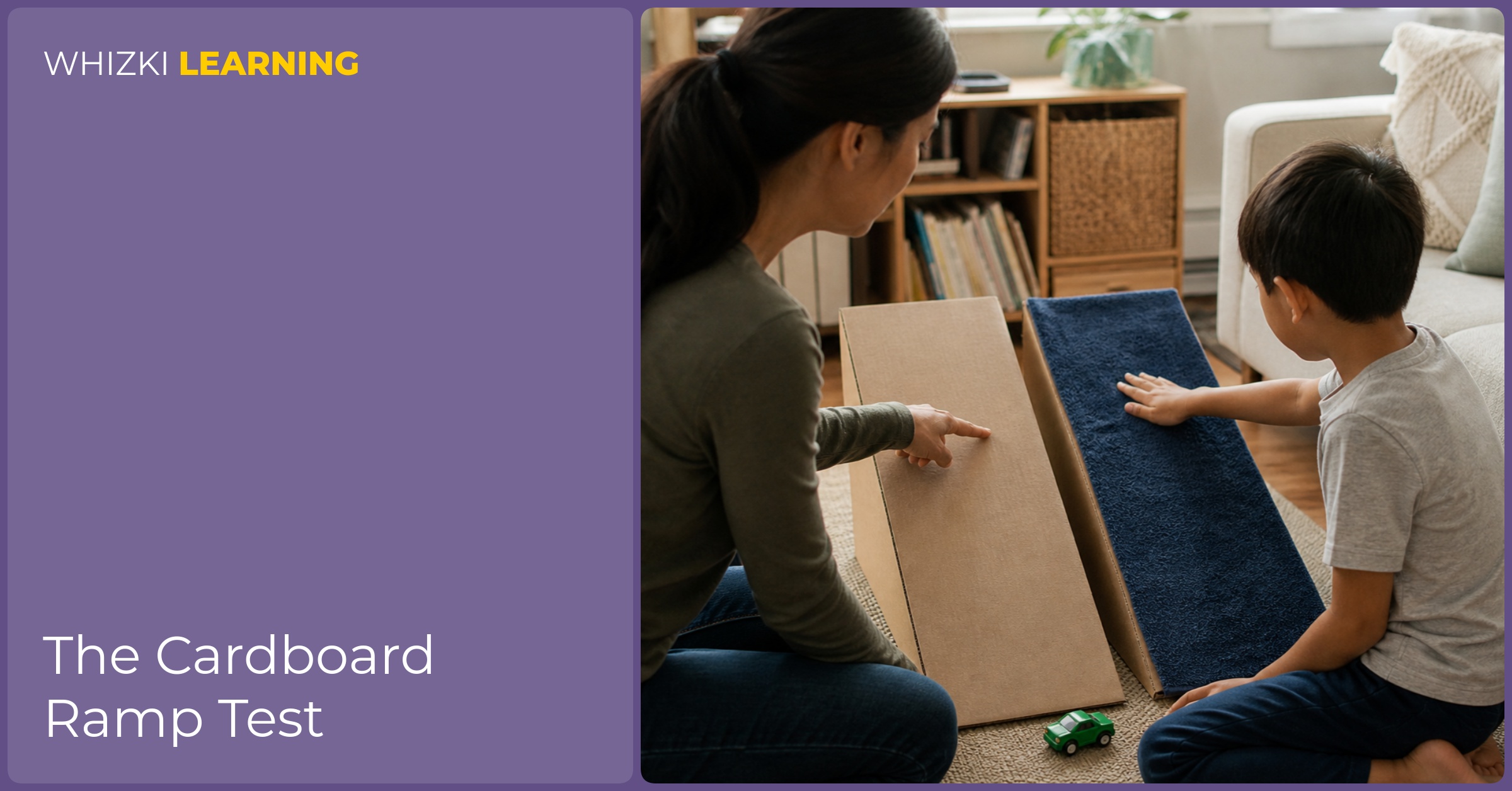
The surface comparison begins after the height comparison is finished or on another day when the child still has interest. The ramp should stay at one height while the adult changes only the surface, such as bare cardboard first and a towel-covered ramp second. Occupational-therapy practice often uses texture and resistance to help children notice body feedback, and the towel gives the rolling object a clear new feeling.
The surface change can use wax paper, felt, a dish towel, corrugated cardboard, or a sheet of paper taped flat to the ramp. The adult should avoid changing both height and surface during the same comparison because two changes make the result muddy for young children. A child may still notice the object bumping, sliding, or slowing, and those observations are enough for early science work.
The cardboard ramp test connects naturally to a materials conversation if a child asks why one surface feels slick or rough. The adult can build on that curiosity with the previous world lab guide, especially when boxes, tubes, and packing paper are already on the floor. The limit is worth naming: a home ramp test compares everyday results, not exact speed or professional measurements.
What to say while children notice
The best ramp talk sounds like shared noticing, not an oral exam. Speech-language pathology practice often uses recasting, where the adult repeats a child’s idea with a little more language, such as “Fast” becoming “The car moved faster on the taller ramp.” The child still owns the observation, and the adult adds words the child can use next time.
The adult can ask prediction questions before a roll and comparison questions after a roll. A helpful prediction prompt is “Which ramp do you think will make the car go farther?” A helpful comparison prompt is “What changed, and what stayed the same?”
The cardboard ramp test also supports early math language without leaving the play. Children can compare near and far, first and next, same and different, more and less, or taller and lower. For more screen-free activity ideas across early skills, families can browse the Learning Hub when the next question pops up after play.
Age adjustments and honest limits
The age adjustment for a 3-year-old is to keep the investigation short, use one roll for each setup, and let the child move the tape marker after the object stops. The NAEYC principle of developmentally appropriate practice matters here because a young preschooler may learn more from one joyful comparison than from six repeated trials. The adult can stop while the child still feels successful.
The age adjustment for ages 5-7 is to invite a simple drawing of the ramp and a mark for where the object stopped. Orton-Gillingham teaching reminds adults to pair seeing, saying, moving, and touching when children are learning a new pattern, and the ramp investigation can use the same multisensory rhythm. The child can say the change, move the object, watch the result, and draw the stopping place.
The honest limit is that some homes do not have a perfect rolling space, and some children will want to build wild ramps instead of compare carefully. The adult can offer five minutes of free building after one careful comparison, which respects the child’s idea while protecting the science purpose. Ask an occupational therapist for guidance if a child consistently avoids the hand work, becomes distressed by ordinary textures, or cannot safely release objects after many relaxed tries.
The cardboard ramp test works because the child can see the rule: one change gives a clearer result. The activity also leaves room for family life, because a box, a book stack, and one rolling object can become a real investigation before dinner, after school, or during a quiet homeschool morning.
Sunny Hedge tip from real classrooms: stop after the child can tell someone else what changed. A child’s plain sentence, such as “The towel made the car stop sooner,” is the science win.