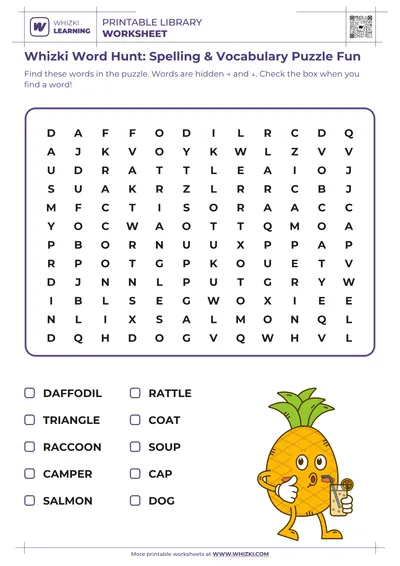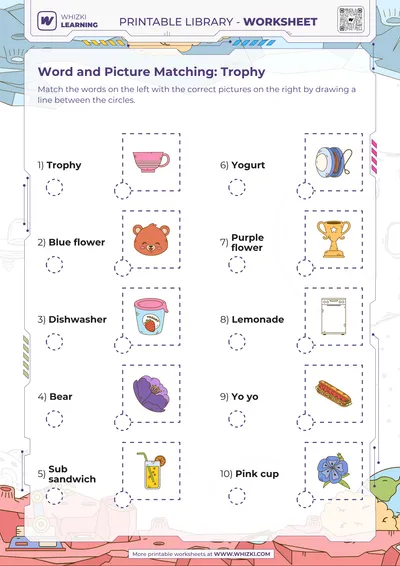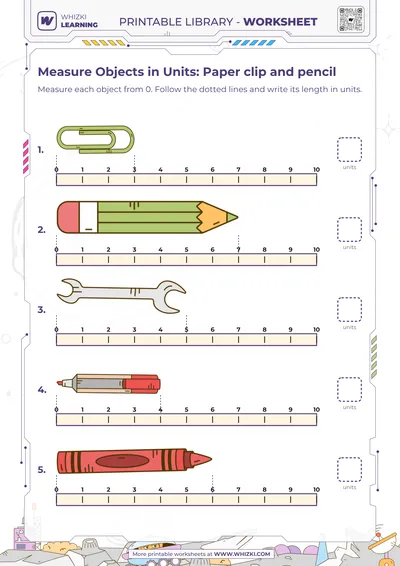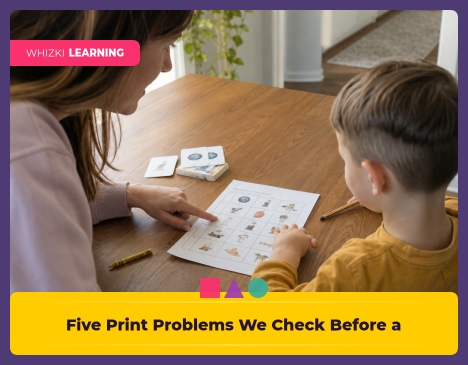
If your child gets frustrated after a freshly printed page, pause before blaming effort and try today’s two-minute check: hold the sheet at arm’s length, then mark any margin, picture, direction line, or writing box that makes the job harder. Preschool and kindergarten printables live in real homes with low toner, busy tables, and children who are still building pencil control. A small design snag can turn a fair practice page into a fight.
Reviewed by Whizki Editorial Team, Early Childhood Education Editors.
What counts as a release check
The release check is the last look at a new worksheet before a page is added for families or teachers. The release check does not make a promise about every older page in the archive, and the release check is not a child assessment. The release check asks a practical question from NAEYC’s developmentally appropriate practice lens: can a young child see, understand, and attempt the task without extra confusion from the page design?
The documented fact for the current workflow is simple: new pages get a print-focused review for clipped margins, weak grayscale contrast, crowded directions, undersized writing areas, and blurred or overpowering images. The design choice is also simple: a page can be cheerful, but the page still has to leave room for a child’s hand, eyes, and pace. The previous field notes guide explains why generator rebuilding became part of the quality work.
The proposed home check needs no special tool. A caregiver can print one page in draft mode, place the page under normal kitchen light, and ask where the child’s eye would go first. An educator can run the same check at the copy machine before making a class set.
Problem 1 and 2: margins and contrast
Problem 1 is clipped margins. A worksheet margin can disappear when a home printer scales a file, when a browser adds its own print setting, or when a copier grabs too much edge. In occupational therapy basics, the visual boundary matters because young writers often use the edge of the page as a cue for where the hand and pencil should go. The release check prints at ordinary settings and looks for missing letters, cut-off boxes, and page numbers sitting too close to the edge.
Problem 2 is weak grayscale contrast. A bright color on screen can turn into a pale gray shape on paper, especially when toner is low or economy mode is on. Orton-Gillingham practice asks children to connect sound, symbol, movement, and speech, so the printed symbol has to be clear enough for the child to name and trace without guessing. The release check treats grayscale clarity as part of access, not as a decorative preference.
The proposed fix is boring in the best way. The worksheet should pass a squint test from arm’s length, and the worksheet should still show the target line, picture boundary, and answer space in black-and-white draft printing. Fancy color can stay when color helps meaning, but grayscale clarity wins when color is only decoration.
Problem 3: directions that crowd the child
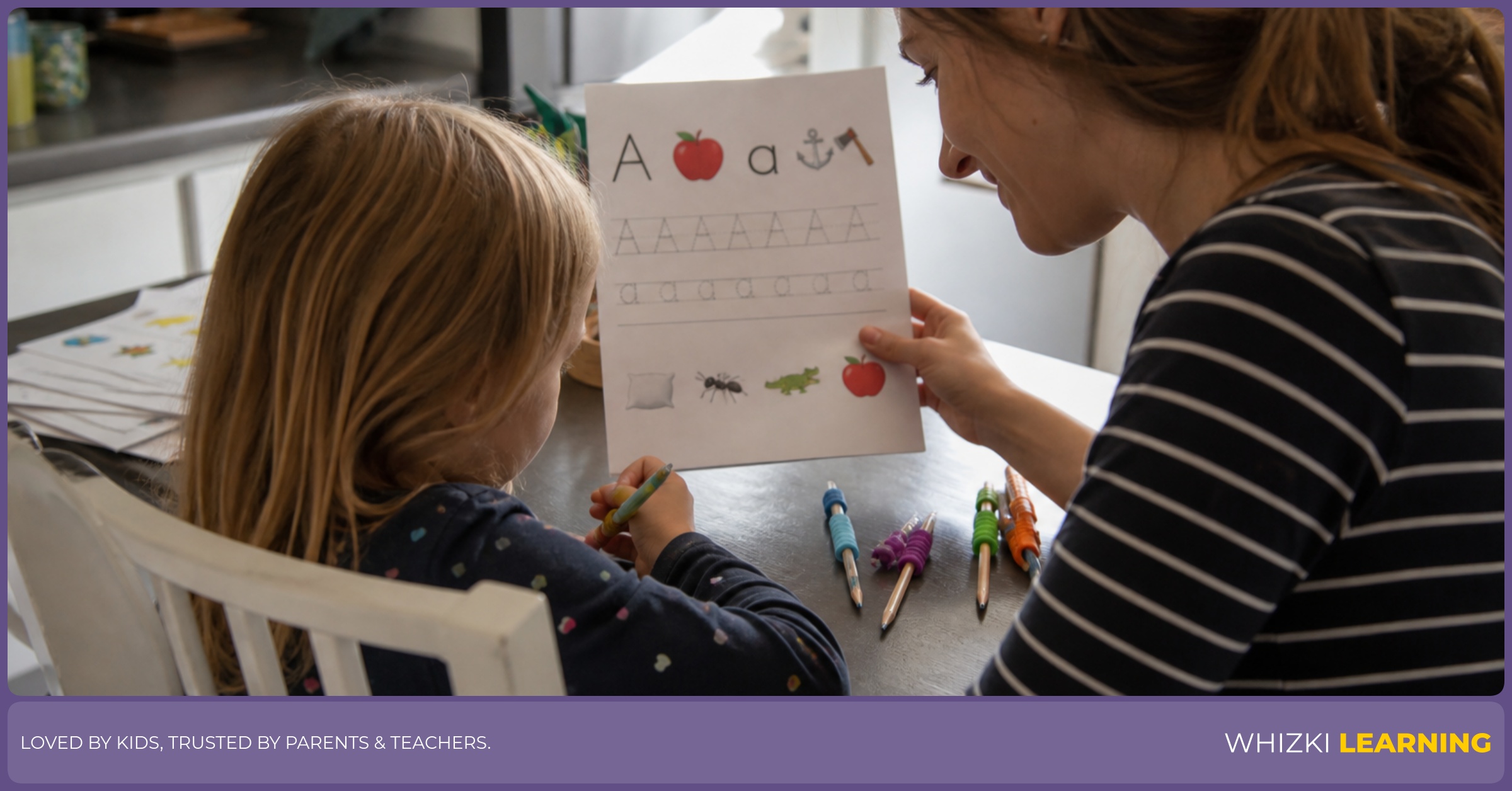
Problem 3 is crowded directions. A preschool worksheet with three fonts, a long instruction sentence, and a busy border asks a child to sort adult information before the child even starts the learning task. Reggio-inspired observation pushes educators to watch what children actually attend to, and crowded directions often steal attention from the letter, number, or fine-motor action.
The documented release check separates adult directions from child work space. The adult cue can be short and placed where a caregiver can read the cue aloud, while the child-facing area stays calm. The proposed next step at home is to cover extra directions with a sticky note and say the task in eight words or fewer.
When a family wants ready-made pages rather than editing margins at bedtime, the printable library is a low-pressure place to browse age-appropriate practice. Choose one page, print in draft mode first, and keep a crayon nearby for a quick contrast and space check.
Problem 4: writing spaces that fit small hands
Problem 4 is an undersized writing area. A three-year-old drawing a line, a five-year-old writing a name, and a seven-year-old copying a word do not need the same amount of space. Occupational therapy heuristics remind teachers that pencil grasp, shoulder stability, wrist movement, and visual spacing are still developing across ages 3 to 7.
The release check compares the writing box to the motion the task requires. A trace line needs room for a pencil to approach, move, and lift, while a blank answer box needs enough height for tall letters and enough width for uneven early spelling. The proposed home fix is to offer a marker or crayon for ages 3 to 4, a thick pencil for ages 5 to 6, and a regular pencil only when the child can write without squeezing hard.
Problem 5: images that blur or take over
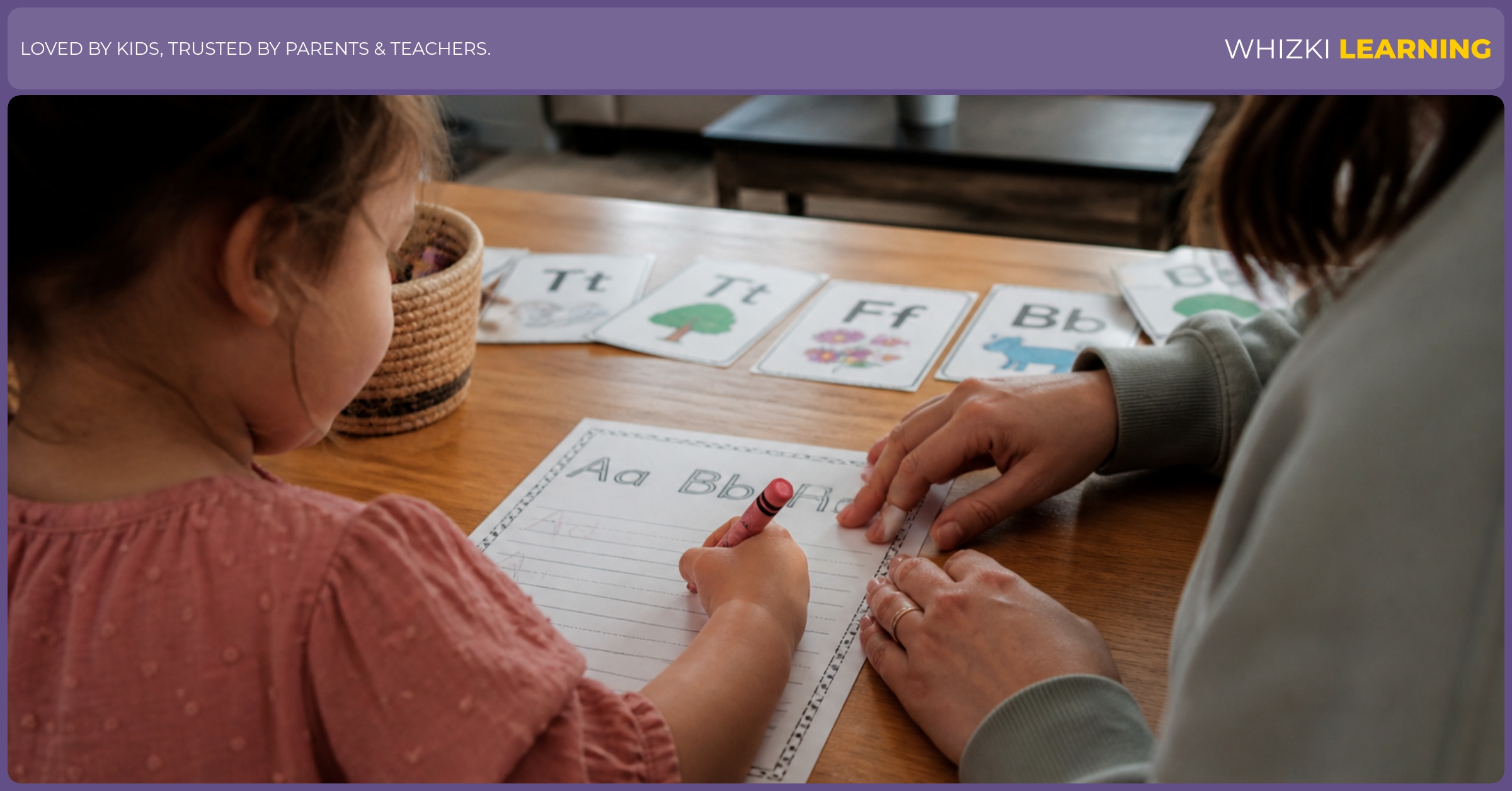
Problem 5 is a blurred or overpowering image. A picture can support vocabulary, but a picture can also swallow the page when the picture is fuzzy, too dark, or much more interesting than the target skill. Speech-language pathology practice often uses clear visual choices to support naming and comprehension, so the printable picture should help the child say the word or understand the action.
The release check asks whether the picture still reads after printing, and whether the picture leaves the target letter, number, path, or writing area in charge. A sweet animal face may need to shrink, lighten, or move to the side. A blurry image should be replaced rather than sharpened until the page looks muddy.
The quick decision tree before printing
The decision tree starts with the printer, not the child. If the page clips, scale the worksheet to fit paper and print once more; if the page still clips, the worksheet needs a margin revision before release. Montessori practice values prepared materials, and a printable counts as prepared only when the material can be handled without constant adult repair.
The decision tree moves to the child’s first look. If the child points to the decoration before the task, the image may be overpowering; if the child asks what to do after the adult reads the directions, the directions may be crowded. If the child writes outside the box because the box is tiny, the writing area is the problem before behavior is the problem.
The decision tree ends with one honest limit. A clear worksheet can support letter formation, pencil practice, counting, or vocabulary, but a worksheet cannot replace conversation, play, movement, read-aloud time, or a teacher’s observation. Orton-Gillingham, Reggio, Montessori, and NAEYC-informed work all point back to the same practical habit: watch the child and adjust the material.
A release check is a kindness to the adult and the child because the worksheet stops asking families to troubleshoot hidden design problems during practice time. The next printable you use can get the same kitchen-table review: print one copy, check the five problem spots, and change the page or the plan before the child sits down.