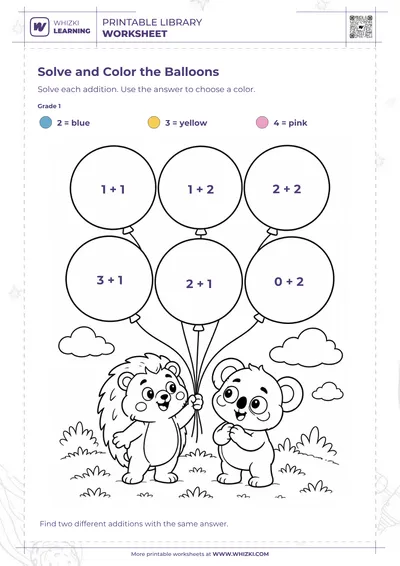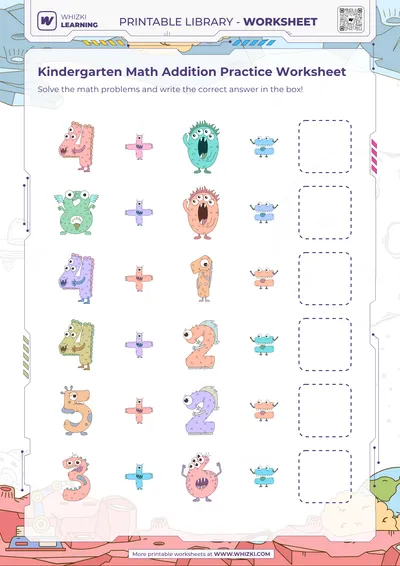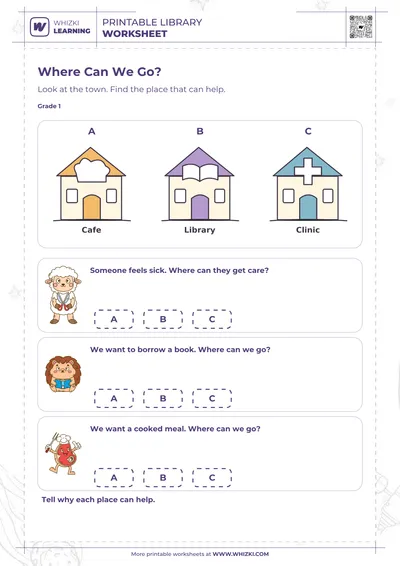
If a child melts down because Monday's tracing page has tiny boxes and Tuesday's page has fat lines, try one small check today: print two pages, lay them side by side at the kitchen table, and ask, "Do your eyes and hand know where to start?" In early childhood work, the worksheet is only useful when the page feels predictable enough for a 3- to 7-year-old to begin. The May 2026 rebuild was about reducing that adult-made friction before the pencil ever touches paper.
Reviewed by Whizki Editorial Team, Early Childhood Education Editors.
Field note from the rebuild
Documented fact: in May 2026, all 21 worksheet generators moved to one shared BaseWorksheetGenerator API. The shared API now carries common helpers for titles, subtitles, boxes, connectors, writing lines, images, assets, and shuffle behavior. The parent-facing goal is simple: a child who practiced tracing, matching, or circling yesterday should not have to relearn the page language today.
The design choice fits what I use in Orton-Gillingham lessons: keep the task pattern steady so the child can spend energy on the sound, stroke, or match. A common title helper means the page name sits in a familiar place, and a common writing-line helper means the hand sees a similar target. The worksheet still needs an adult to choose the right page for the child in front of the adult.
The move also follows the same field-note habit described in the previous field notes guide: name the constraint, fix the repeatable part, and keep human review in the loop. Shared code can reduce avoidable variation, but shared code cannot tell whether a puppy picture distracts a tired preschooler. A teacher, caregiver, or homeschool parent still has to look at the final page before the page goes into a folder.
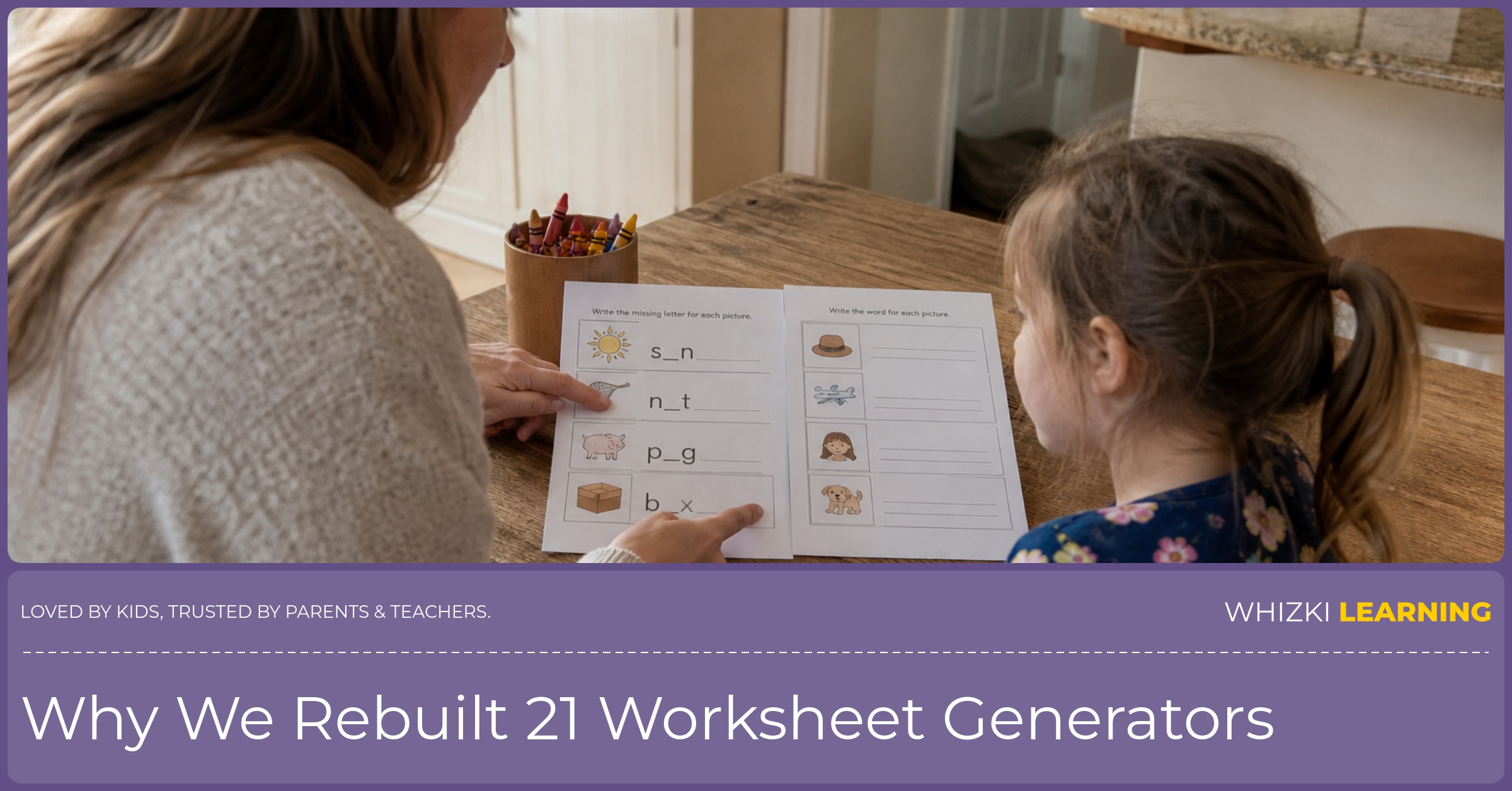
How shared helpers show up on paper
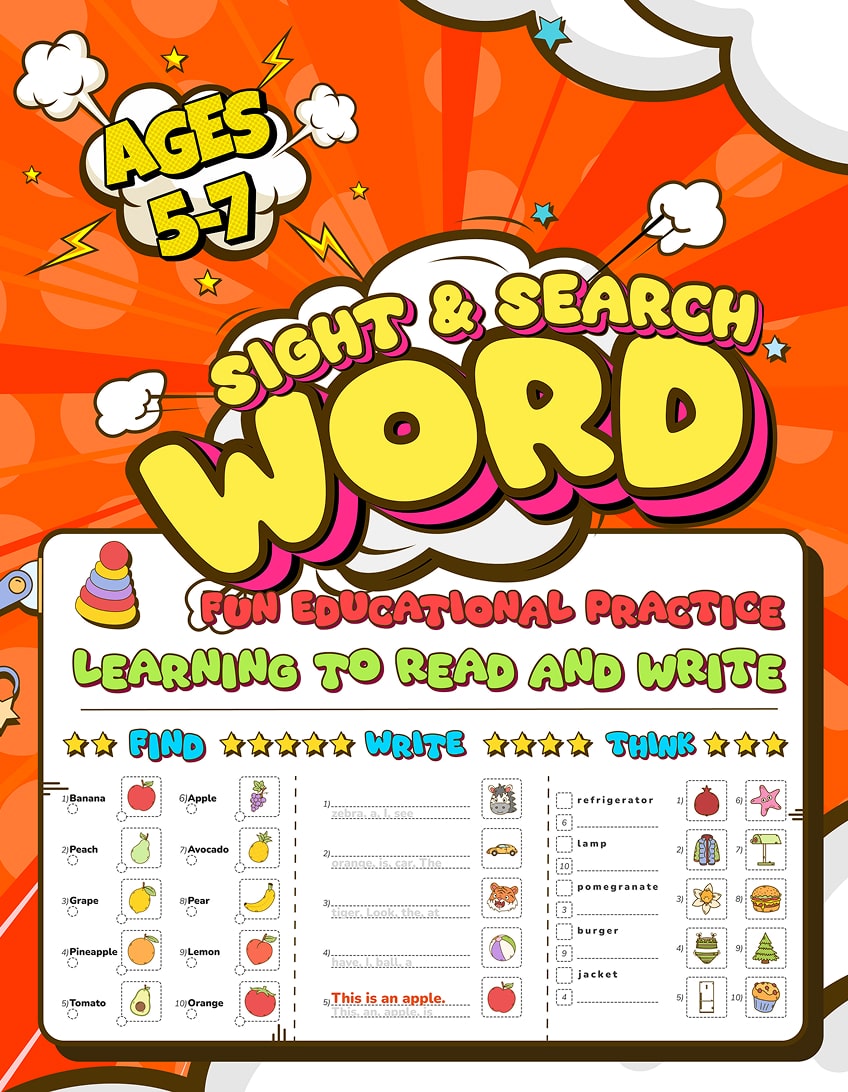
Documented fact: common title and subtitle helpers keep the directions in a more predictable location across generator types. Common box and connector helpers keep match-the-picture pages from changing visual grammar every time a different topic loads. NAEYC guidance reminds educators to match materials to age, language, culture, and ability, so consistent page structure supports choice without pretending one layout suits every child.
Documented fact: common writing-line helpers bring steadier spacing to early handwriting pages. In occupational-therapy basics, a young hand benefits when the line, starting point, and available space are clear before grip correction becomes the conversation. A 3-year-old may only make big vertical marks on one line, while a 6-year-old may copy a short word with a starting dot and a quiet margin.
Documented fact: common image, asset, and shuffle helpers handle pictures and mixed practice with fewer one-off rules. The shuffle helper matters because a page can vary practice order without moving into visual clutter. Speech-language pathology practice often uses careful picture selection for vocabulary and sound work, so final image review remains part of the job.
The printable library is useful when a child needs one short page for tracing, matching, or sound practice without opening a full workbook. Pick one page, print one copy, and stop while the child still has a little energy left.
A parent check before printing
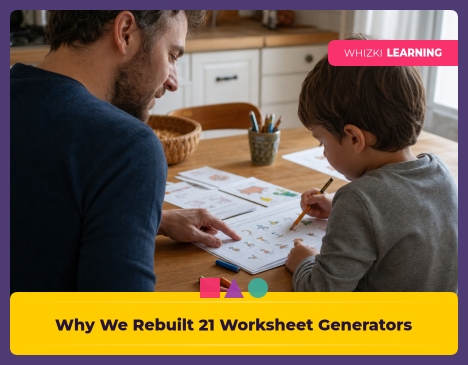
Proposed check: before printing a batch, choose one worksheet from the worksheet sets and preview the page at the actual size. The adult check takes about three minutes: scan the title, directions, line spacing, picture size, and answer space. Reggio-inspired observation helps here because the adult watches how the child approaches the material instead of assuming the material is ready because the file generated correctly.
The age adjustment is simple. For ages 3 and 4, the adult can use one task row, a thick crayon, and one verbal direction. For ages 5 to 7, the adult can offer a pencil, a shorter eraser, and two task rows if the child is still sitting comfortably.
The honest limit is important. A worksheet cannot build pencil control by itself, and a shared generator cannot notice fatigue, vision strain, language confusion, or a left-handed child's blocked view. Occupational-therapy heuristics still point families toward varied hand work, such as play dough, clothespins, short crayons, and big paper on the floor.
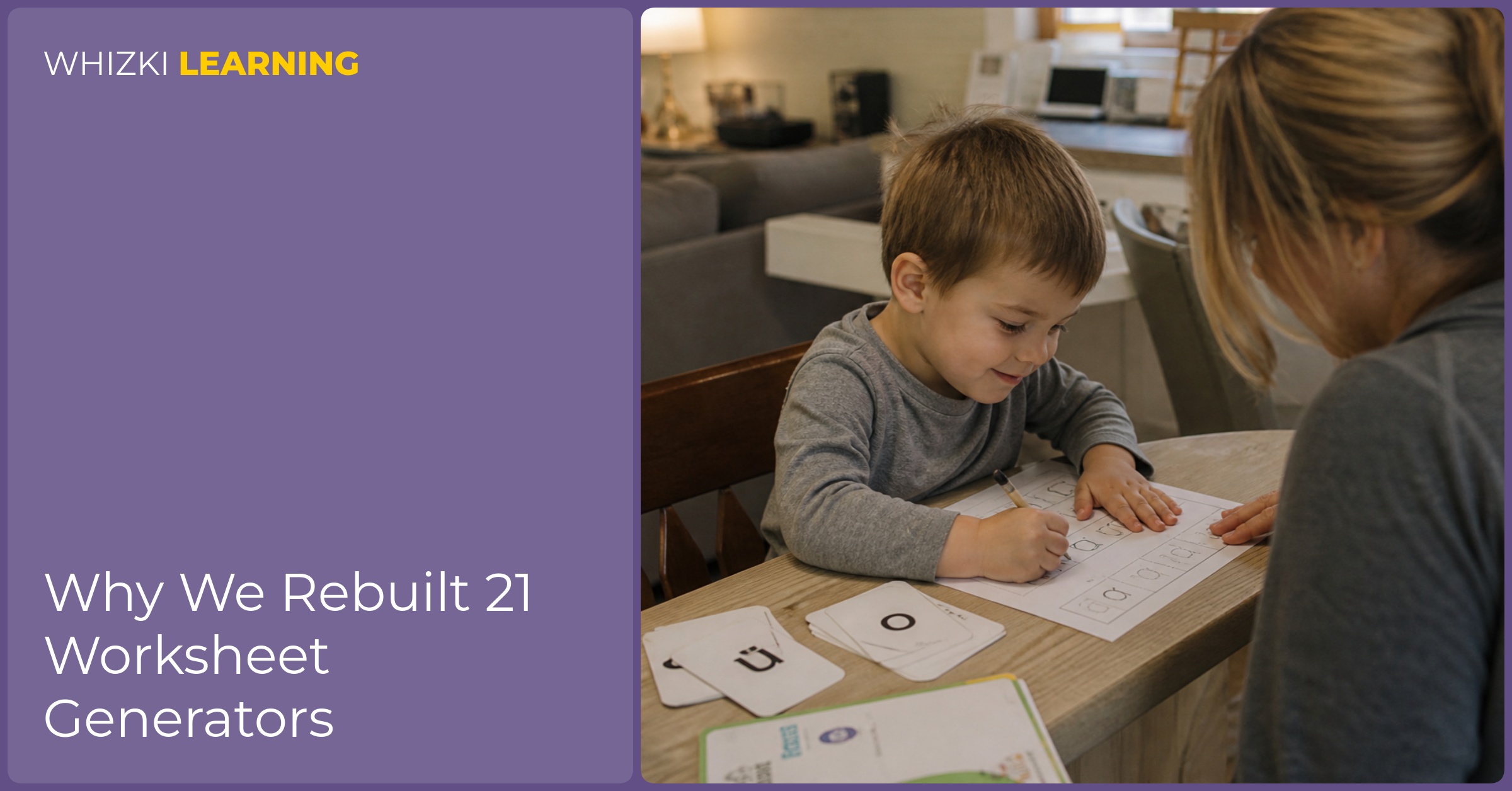
What visual review still catches
Documented fact: the shared API makes common page parts behave more consistently, and visual review still catches what code can miss. A page can have correct boxes and still feel crowded to a child who needs more white space. Montessori practice often protects ordered materials, but the adult still prepares the tray and watches the child's response.
Visual review looks for child-facing problems: a connector line that crosses a picture, a writing line that sits too close to the bottom edge, an image that prints too dark, or a shuffled set that accidentally places two confusing choices beside each other. The reviewer check is plain and practical. Print one sample, mark the page as a child would use the page, and recycle the page if the hand path feels awkward.
The review also protects fine-motor practice from becoming a behavior battle. If a child avoids a page, the adult can ask whether the pencil path, picture load, or direction length is the hard part. In my classroom notes, that question often helped me change the material before I corrected the child.
A seven-minute kitchen table trial
Try a seven-minute trial before saving a worksheet for regular use. Minute one is adult preview, minutes two through five are child use, and minutes six through seven are cleanup and a quick note. Orton-Gillingham teaching uses tight feedback loops, and the same habit works for printables because the adult can adjust one variable at a time.
For a 3- or 4-year-old, the adult can fold the worksheet so only one row shows and offer a broken crayon or short marker. For a 5- to 7-year-old, the adult can leave the full page visible and ask the child to choose the first item to complete. The age change keeps choice real while keeping the motor demand reasonable.
After the trial, write one note on the back: "lines too small," "pictures clear," or "directions needed reading aloud." The note is not a score for the child. The note is feedback for the adult and for the page, which is the spirit behind the May 2026 rebuild.
Shared worksheet code is the quiet adult work that children should not have to notice. The May 2026 BaseWorksheetGenerator move made titles, subtitles, boxes, connectors, writing lines, images, assets, and shuffle behavior more consistent across 21 generators, and the final printed page still deserves human eyes. If a page helps the child start calmly, use the page; if a page makes the child fight the format, change the page before blaming the pencil grip.