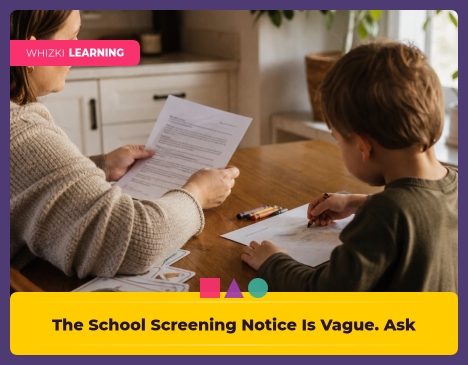
If a vague school screening notice showed up during dinner, bath time, or the backpack scramble, pause before guessing and send one clear email asking for the exact test name, format, length, language, other evidence, and next steps. Screening can be useful, but families deserve plain information before a child sits at a table, taps a screen, or answers questions with an unfamiliar adult.
Reviewed by Whizki Editorial Team, Early Childhood Education Editors.
Accurate information comes first
The school screening notice is a starting point, not the full plan. In early-childhood classrooms, NAEYC guidance reminds educators to use assessment in ways families can understand, with a child’s age, language, culture, and daily behavior in mind.
The parent job today is simple: ask for facts before forming a worry story. A preschool or kindergarten screening may look at speech sounds, hearing, vision, motor skills, early literacy, number sense, social participation, or general readiness, and each area needs different tools and different follow-up.
The school reply should name the actual screening and explain whether the screening is required, offered to every child, or suggested because of a teacher concern. Accurate information keeps the conversation grounded, especially for children ages 3 to 7 who can have very different comfort levels with strangers, pencils, headphones, and timed tasks.
Seven questions to send the school
Question 1: What is the exact name of the screening or assessment? The exact test name matters because a hearing screen, speech-language screener, kindergarten readiness inventory, dyslexia risk screener, or fine-motor checklist answers a different question.
Question 2: What level, form, edition, or age band will the school use? In Orton-Gillingham practice, teachers choose tasks carefully because a 4-year-old naming sounds, a 5-year-old blending syllables, and a 6-year-old reading simple words are not doing the same literacy work.
Question 3: Will the screening be paper, digital, oral, movement-based, or a mix, and how will the child answer? An occupational therapy basic check would ask about pencil grasp, seating, visual scanning, touch tolerance, and fatigue because the response format can affect what a young child can show.
Question 4: About how long will the screening take, and will the child get breaks? Question 5 asks what language the directions and child answers will use, Question 6 asks what other evidence will be considered, and Question 7 asks what happens after results, including who shares results, when families receive a copy, and whether a meeting is offered.
Use this short email
The school email can be short, kind, and direct. Speech-language pathology practice often starts with clear referral questions, and families can use the same habit by asking what the school wants to learn from the screening.
Email script: Hello, I received the screening notice for my child. Could you please share the exact test or screening name, the level or form, whether the format is paper, digital, oral, or movement-based, the approximate length and break plan, the language used for directions and responses, what other evidence will be reviewed, and what happens after results are available? Thank you for helping our family understand the process.
The email script gives the school room to answer without sounding like a challenge. The caregiver can add one sentence about a known need, such as glasses, hearing aids, home language, separation worries, pencil fatigue, or recent illness, because that context can change how an adult reads a young child’s performance.
How to read the school reply
The school reply should separate screening from diagnosis. A screening result may suggest that a child needs a closer look, but the result should not promise placement, label a child, or replace a full evaluation when a full evaluation is needed.
The school reply should also explain the other evidence used. Reggio-inspired and Montessori observation both value what children do during real work and play, so classroom notes, work samples, teacher observations, family input, vision or hearing information, attendance patterns, and language history can matter alongside a score.
The school reply should name the next action in plain words. A reasonable next step might be classroom support, another observation, a family conference, referral paperwork with consent, a recheck later in the year, or no action beyond routine monitoring.
What to do while you wait
The waiting period is a good time to protect the child’s confidence. The NAEYC position on developmentally appropriate practice fits here: short, playful practice tells more about a young learner than a long drill at the end of a tiring day.
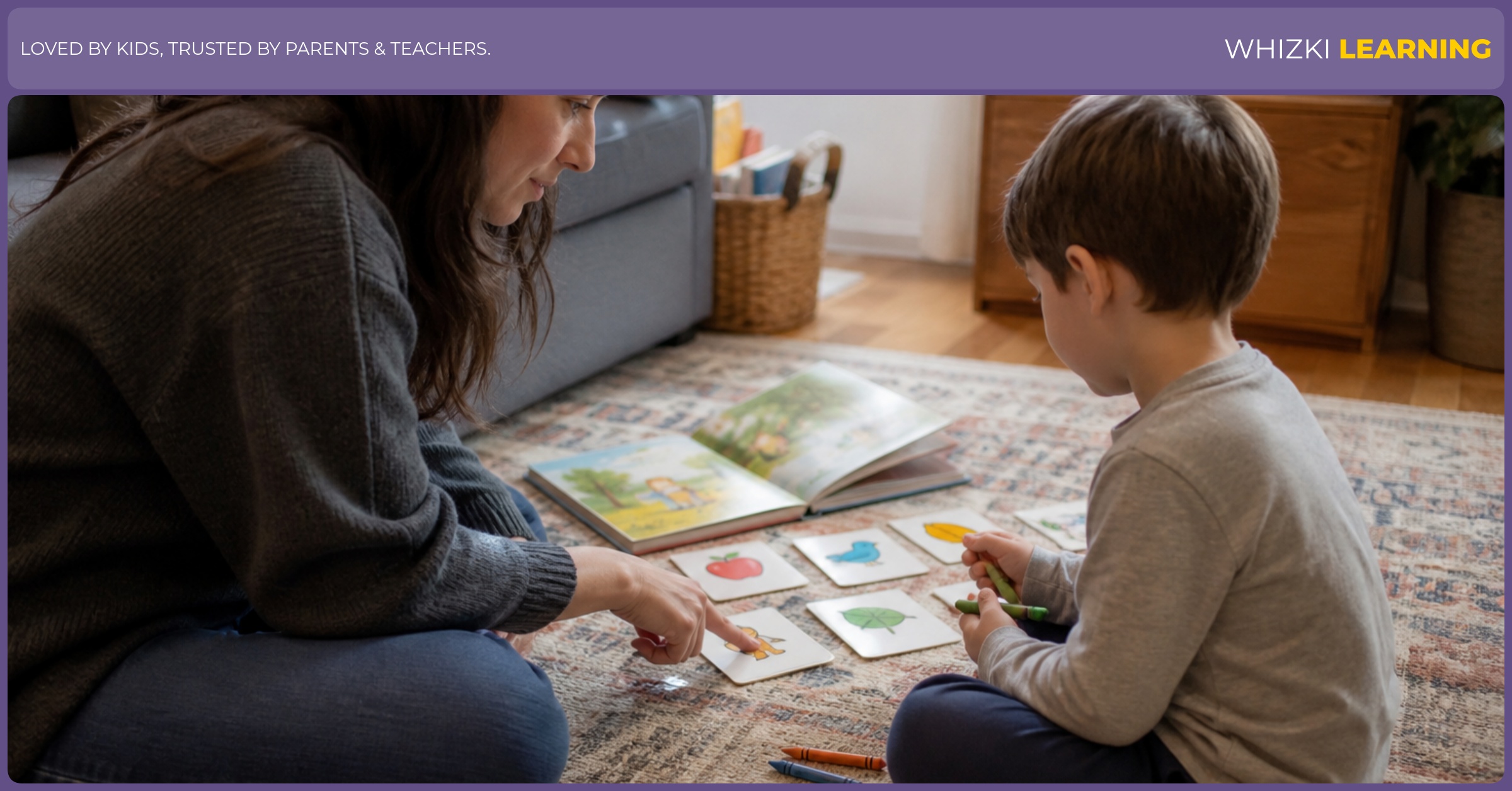
The home routine can be five minutes after snack: read one picture book, clap two-syllable names, sort spoons and blocks, draw a face, or take turns giving simple directions. If mornings are already crowded, the caregiver can borrow the same small-system thinking from the previous parent systems guide and choose one repeatable moment instead of adding a whole new program.
The caregiver should write down anything useful from home practice, such as needing extra wait time, mixing up similar sounds, switching hands often, avoiding scissors, or answering more easily in the home language. Occupational therapy and speech-language teams often appreciate concrete observations because a short note can explain what a child does across settings.
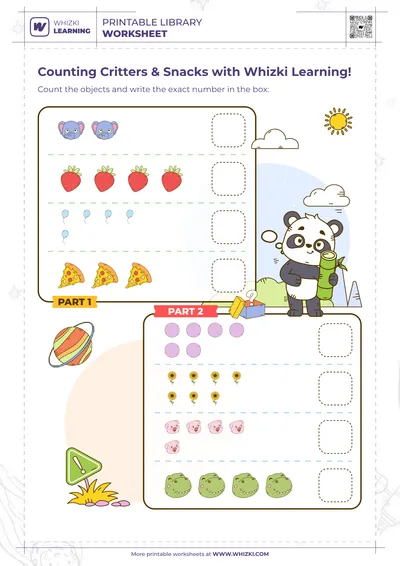
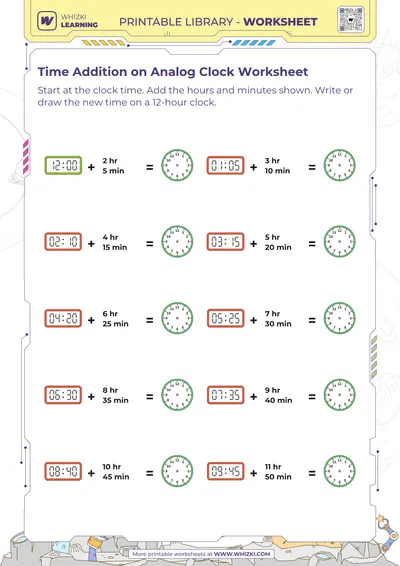
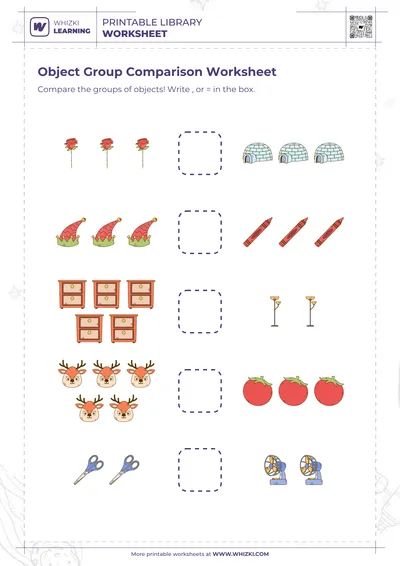
If a screening notice has everyone tense, a simple letter-sound, tracing, or counting printable can give a child a familiar warm-up without turning home into a test table. Browse the Learning Hub practice pages when a low-pressure page would help your family practice one skill for a few minutes.
A clear school screening notice should answer basic family questions before the testing day. When families ask for the test name, form, format, length, language, other evidence, and next steps, the conversation stays practical and the child stays at the center.