When your child asks for a snack and then rejects every option, try turning one safe food into a five-minute snack investigation before anyone takes a bite.
The five-senses snack investigation gives children ages 3 to 7 a calmer way to notice sight, smell, touch, and sound, with taste as a choice rather than a demand. The important limit is simple: allergy safety and sensory comfort come before curiosity every single time.
Reviewed by Whizki Editorial Team, Early Childhood Education Editors.
Set the snack lab limit first
The snack investigation starts with one rule: the child may observe without eating. The limit sounds small, but the limit keeps the activity in line with NAEYC guidance about respecting children as active decision-makers in daily routines.
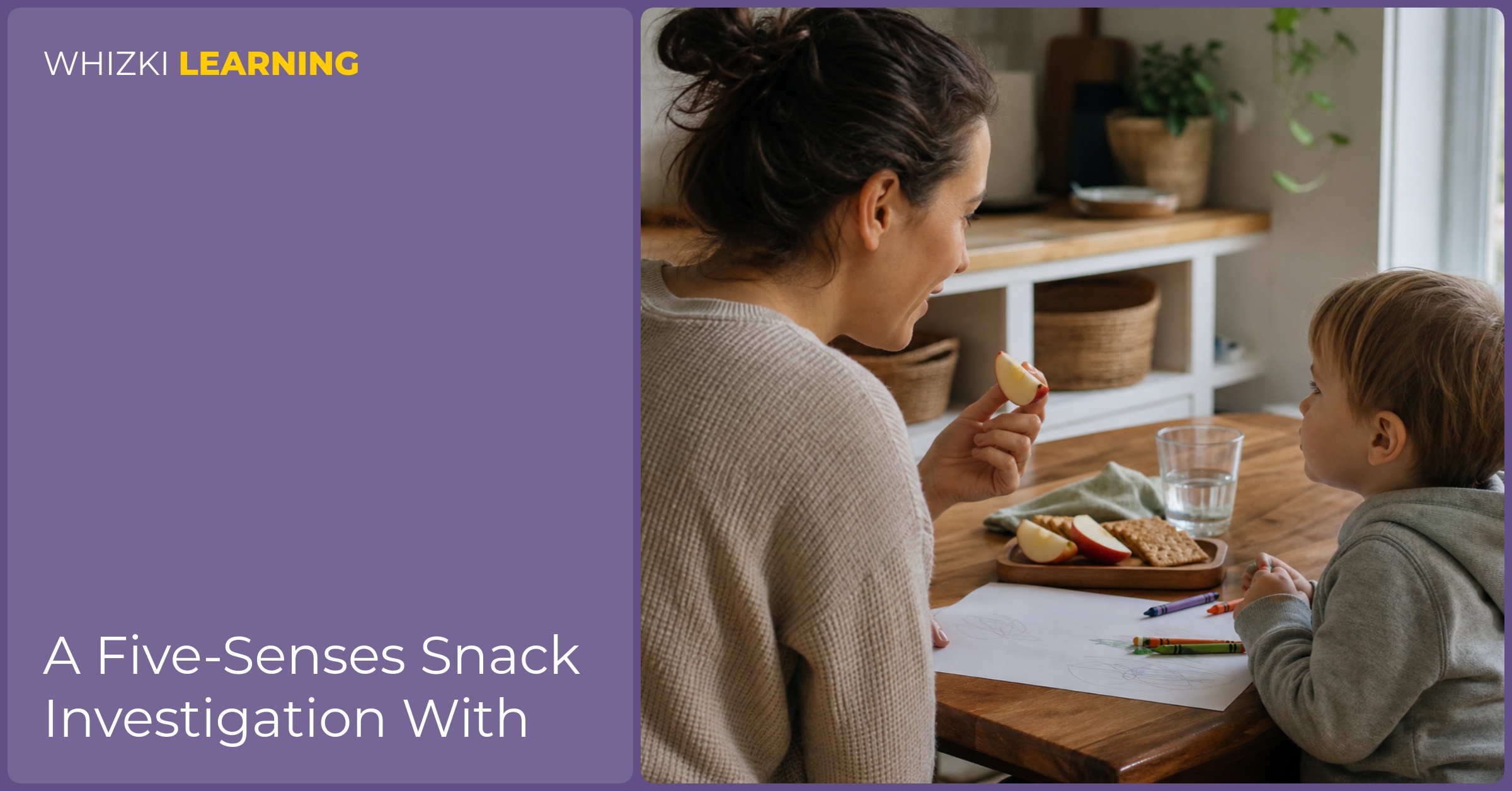
The materials stay simple: one safe snack, a small plate, a napkin, a cup of water, a pencil, and plain paper for drawing or dictating words. A familiar food works better than a surprise food because the investigation goal is noticing details, not proving bravery.
The allergy check happens before the plate reaches the table. The adult checks ingredient labels, avoids shared utensils when cross-contact matters, and skips any food that a family or school plan excludes. The investigation can use a sealed wrapper, a photo, or a pretend kitchen item when real food is not safe.
Run the investigation in five slow minutes
The five-minute snack investigation works best when the adult moves in the same order every time: sight, smell, touch, sound, and then optional taste. Orton-Gillingham lessons taught me that young children often learn new words more easily when a routine connects language to several senses.
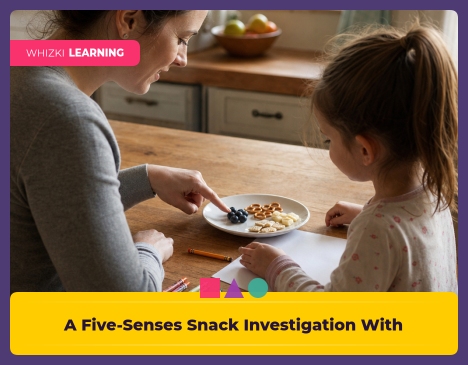
Sight comes first because looking is the least demanding step for many children. The adult might say, “I see a curved edge, a pale spot, and a shiny peel,” and the child can point, draw, or add a word. The adult records the child’s exact language when possible because child-owned words matter.
Smell and touch come next, with permission built in. The child may sniff from far away, tap with one finger, press with a fork, or keep hands off and describe what the adult demonstrates. Occupational-therapy basics remind adults to watch body signals such as pulling back, covering the nose, or stiff shoulders before offering the next step.
Sound happens before taste and can feel silly in a good way. The adult can snap a cracker, rub a grape on a napkin, or tap a carrot on the plate while the child listens for crisp, quiet, scratchy, or soft sounds. Taste stays last and stays optional, so “no thank you” remains an acceptable science answer.
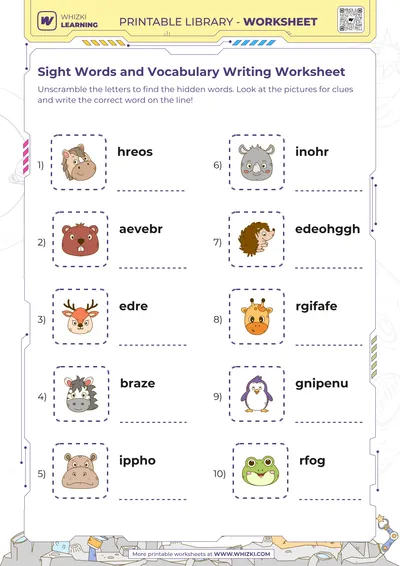
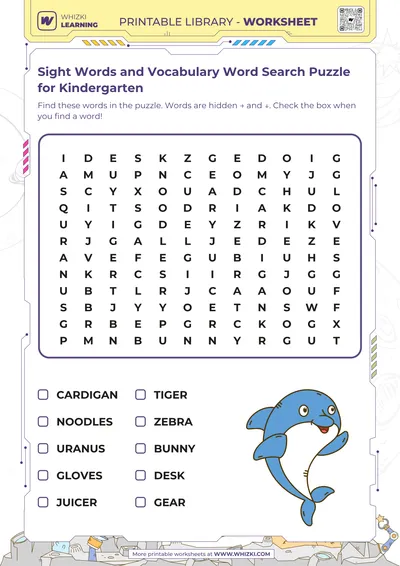
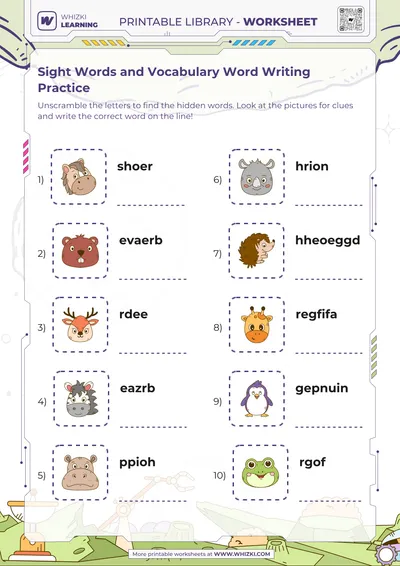
If a blank page helps your child settle, the printable library has simple science and vocabulary pages you can place beside a snack tray. A printed recording page is optional, and spoken observations count just as much for ages 3 to 7.
Use descriptive words instead of scores
Descriptive words keep the snack investigation from turning into a like-or-dislike contest. Speech-language pathology practice often builds vocabulary through modeling, expansion, and gentle recasting, so the adult can add one richer word to the child’s plain word.
For ages 3 and 4, the adult can offer two choices such as “round or flat” and accept pointing as an answer. For ages 5 to 7, the child can compare two safe foods with words such as speckled, damp, powdery, hollow, crunchy, or bendy. The older child can also sort words into look words, feel words, smell words, and sound words without needing a worksheet.
Ratings can shut down a cautious eater because “bad” and “gross” travel fast at a table. Descriptive language gives the adult better information, since “sticky on my fingers” is more useful than “I hate it.” The adult can still honor dislike by saying, “Sticky was too much today, so the snack can stay on the plate.”
Adjust for allergy, texture, and classroom needs
The allergy-safe version of the snack investigation uses school or family rules as the plan, not as an afterthought. NAEYC-aligned practice asks adults to create inclusive routines, so the class can investigate safe objects such as wrapped items, clean spoons, or food photos when one child cannot handle a shared snack.
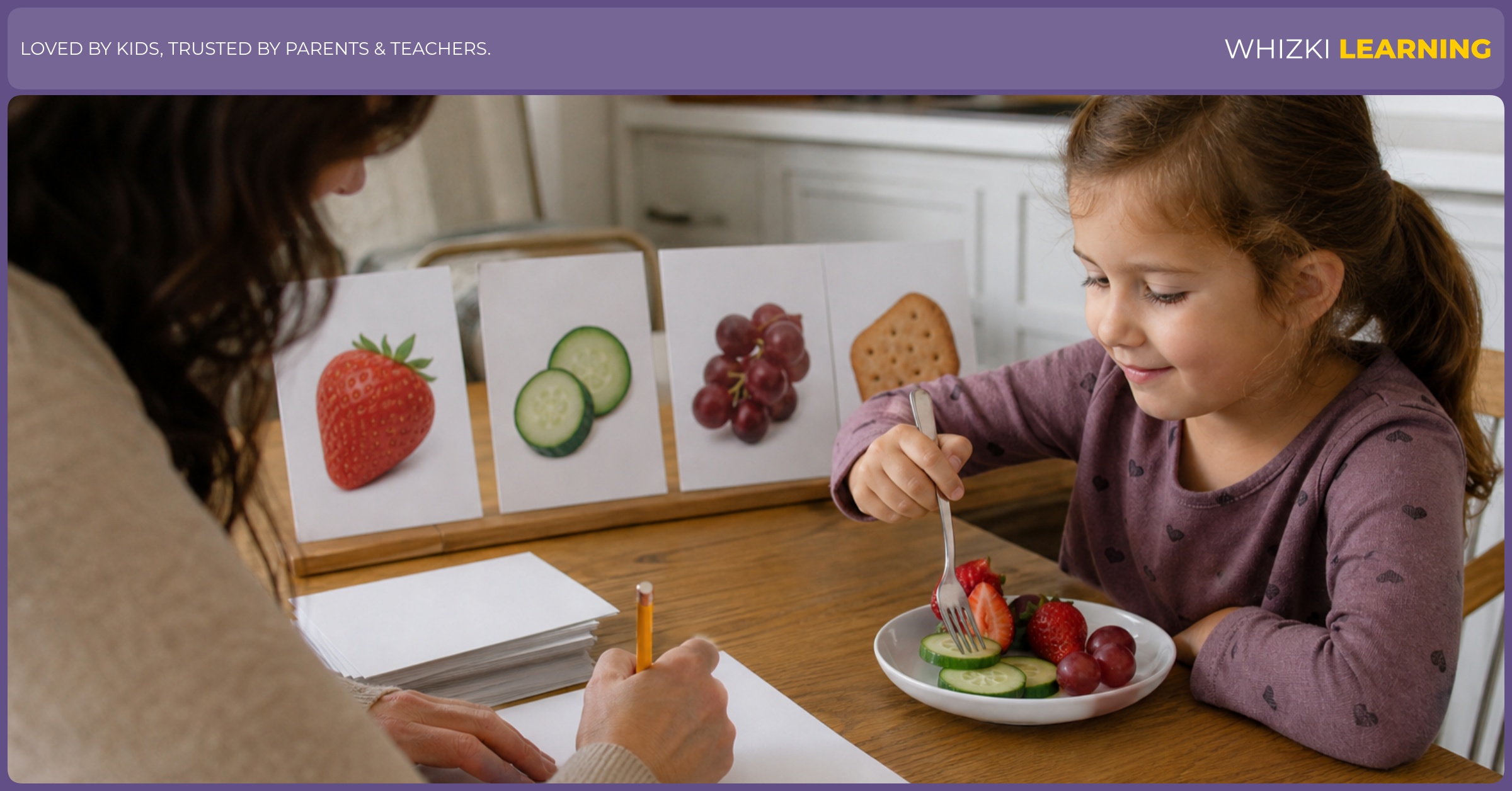
The texture-sensitive version of the snack investigation offers tools before touch. A child may use tongs, a spoon, a napkin barrier, or an adult model because occupational-therapy routines often reduce demand by changing the task surface first. The adult should stop the investigation if gagging, panic, or repeated refusal appears.
The group version works with a tray that travels slowly around the table. Reggio-inspired observation values children’s theories, so one child might notice color while another notices sound, and both observations belong in the same conversation. A teacher can write class words on chart paper without asking every child to eat.
The home version pairs well with other world learning routines. If your child enjoyed looking closely in the previous world lab guide, use the same quiet looking-before-touching rhythm at the snack table. For more child-paced activity ideas, keep the Learning Hub handy when planning a week of short explorations.
A simple script for the adult at the table
The adult script should sound calm and almost boring. Montessori-style presentation reminds adults to show one small action at a time, then pause long enough for the child to try, refuse, or ask for help.
The adult can say, “First eyes, what do you notice?” and wait without correcting the child’s first answer. The adult can continue with, “Now nose from far away, now finger or tool if you want, now ears while I break a tiny piece.” The adult can finish with, “Taste is a choice, and observing is enough.”
The script protects the relationship at the table. A parent, caregiver, teacher, or homeschooler can repeat the same lines with apple slices, crackers, cucumber rounds, cereal pieces, or another safe food. The routine usually feels smoother after a few tries because the child knows the adult will not spring a surprise bite at the end.
A five-senses snack investigation is small on purpose, because young children do better when science fits inside real family life. The best result is not a clean plate, but a child who can say more about the world with eyes, nose, hands, ears, and maybe mouth. Stop while the activity still feels safe, and try again another day with one familiar snack.