If your kindergartener’s backpack comes home with a sight-word list that looks longer than your grocery list, take a breath and ask the teacher which five words matter most for the next two weeks. Most kindergarten programs aim for about 25 to 50 sight words by the end of the year, and district lists vary a lot. A child who knows fewer words in October can still become a steady reader when practice stays short, warm, and consistent.
Reviewed by Whizki Editorial Team, Early Childhood Education Editors.
The usual year-end goal is 25 to 50 words
A common kindergarten sight-word target is about 25 to 50 words by the end of the school year. Some districts ask for 20 words, some ask for 100, and some schools use a reading program that blends high-frequency words with decodable words. The number matters less than whether the child is building real reading habits.
Kindergarten sight words are words a child recognizes quickly without sounding out every part. Many classrooms include words such as high-frequency function words, color words, and words from predictable books. For a practical starter set, families can compare the school list with the kindergarten sight words list and choose a small group that matches the teacher’s plan.
The NAEYC guidance I lean on in preschool and kindergarten reminds teachers to look at the whole child, not a single score. A five-year-old may know only a handful of printed words in November while showing strong story language, rhyming, and letter-sound growth. Those early reading behaviors are meaningful signs, especially when the child is still eager to listen, talk, draw, and play with print.
How the count often grows month by month
A typical month-by-month path starts with names, environmental print, and 0 to 10 taught high-frequency words in September and October. Early fall reading is often messy because children are still learning classroom routines, pencil grip, left-to-right tracking, and letter names. Reggio-inspired observation helps adults notice what the child is already doing with print before rushing to add more cards.
By November and December, many kindergarteners know about 10 to 20 words, though the range can be wide. The Orton-Gillingham approach reminds teachers to connect visual words with sounds, mouth movement, tracing, and meaning, rather than asking children to memorize shapes alone. A child who can map parts of a word is more likely to remember the word next week.
By January through March, many children move into the 20 to 40 word range as books become more familiar and repeated readings pile up. By April through June, many classrooms expect 25 to 50 secure words, while some children move beyond that number. A healthy goal is steady growth across months, not a perfect match with the class chart every Friday.
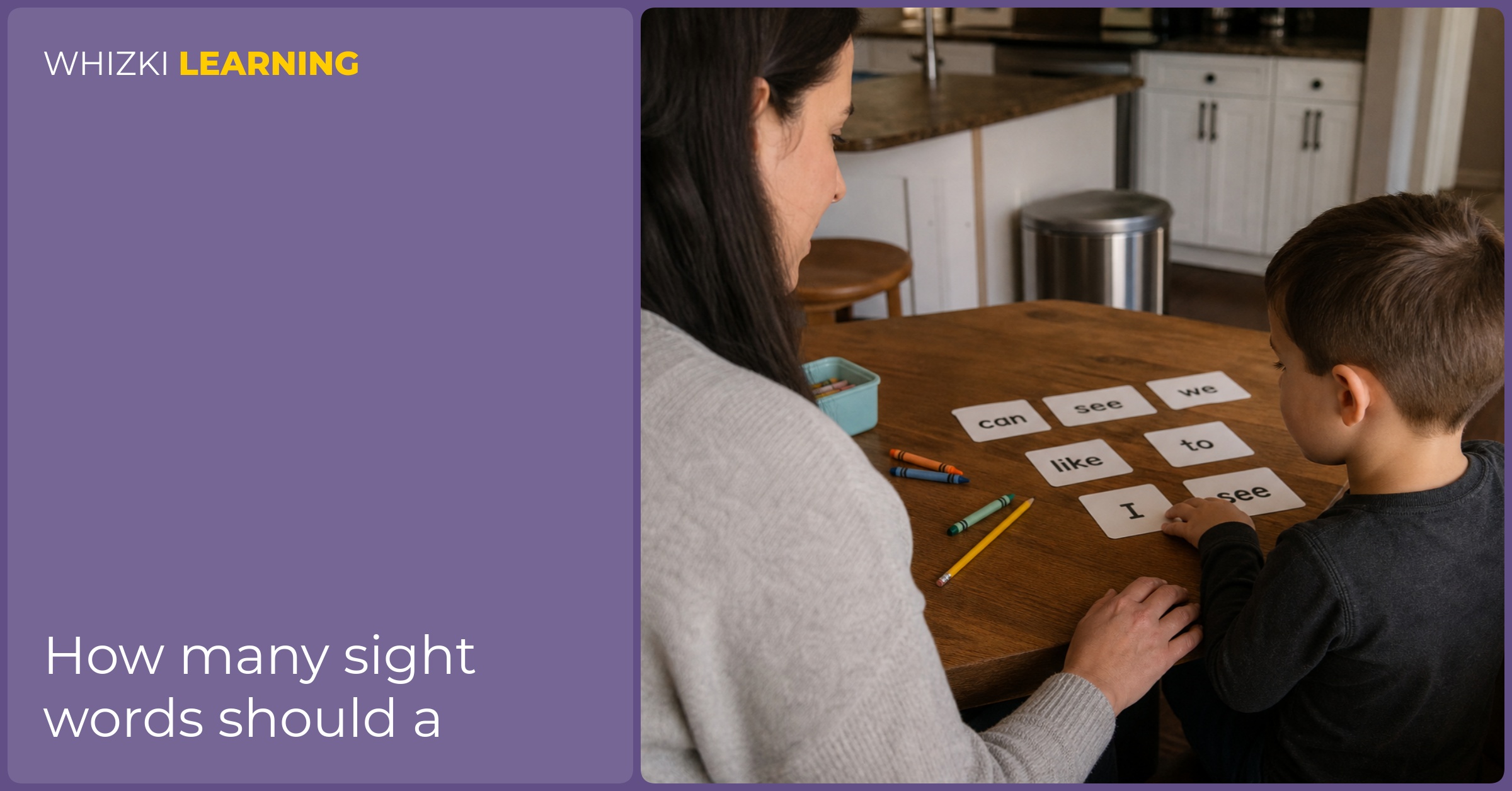
What to do when your child is behind the class list
A child who is behind the class list needs a smaller target, not a bigger lecture. Ask the kindergarten teacher for the five most useful words to practice first, then keep those same words for several days. The Orton-Gillingham routine of see, say, trace, read, and use in a sentence works well because the routine gives the child more than one way to remember the word.
A home practice plan should feel short enough to finish before anyone is worn out. Five minutes after snack often works better than twenty minutes at bedtime. Occupational-therapy basics matter here because a tired hand, wiggly body, or awkward seat can make reading practice look like refusal when the child is really out of gas.
A simple tracking page from our printable library can help families record small wins without turning practice into a scoreboard. Put a check beside a word when the child reads the word in a book, finds the word on a page, or writes the word with help. The goal is useful recognition across real moments, not a one-time performance at the table.
A teacher conversation is worth having when a child is far behind, avoids all print, or cannot remember letter sounds after steady practice. Speech-language pathology practice often looks at hearing, speech sounds, vocabulary, and language comprehension alongside printed word reading. A reading delay can have many causes, and early support is easier when adults share clear observations rather than panic.
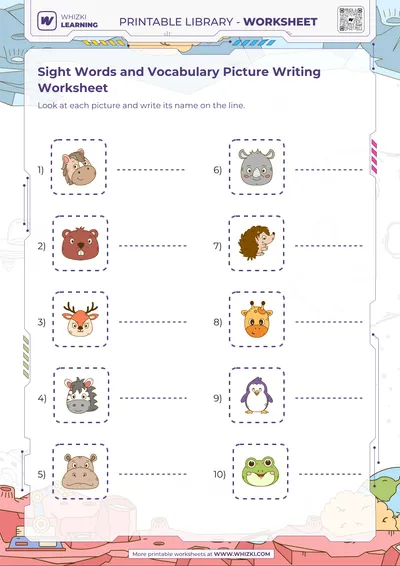
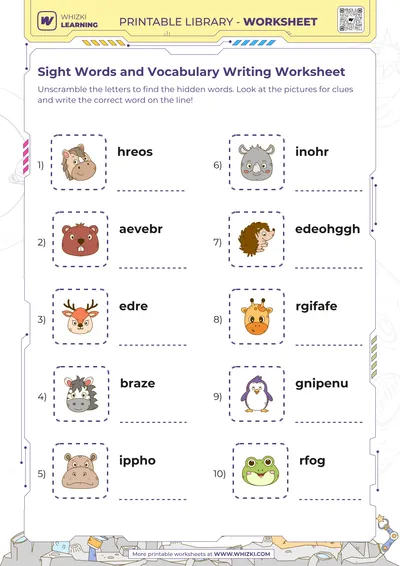
A no-pressure practice sheet can keep the work visible without making the kitchen table feel like a test. For short pencil-and-paper practice, our sight-words printables group simple words with room for tracing, reading, and quick review.
What counts as knowing a sight word
A child knows a sight word when the child can read the word quickly and accurately in more than one place. A word read from a flashcard, a classroom book, and a morning message is more secure than a word guessed from a memorized card order. The Orton-Gillingham lens calls that secure word recognition because the print, sound, and meaning are connected.
A sight word does not have to mean the child never thinks about the word again. Young readers often pause, self-correct, or reread a sentence while the word is becoming automatic. In real classrooms, I count a word as solid when the child reads the word without help on different days and does not rely on a picture clue.
A developmental view from NAEYC also reminds adults that kindergarten reading grows alongside oral language, play, and fine-motor work. A child who acts out stories, notices signs, and writes pretend messages is practicing the same print awareness that supports sight-word learning. Those behaviors deserve attention because reading is bigger than a stack of cards.
A five-minute practice plan that actually fits real life
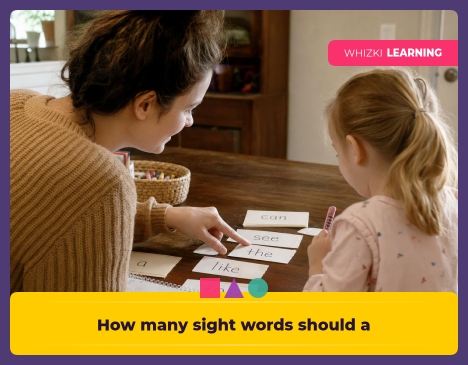
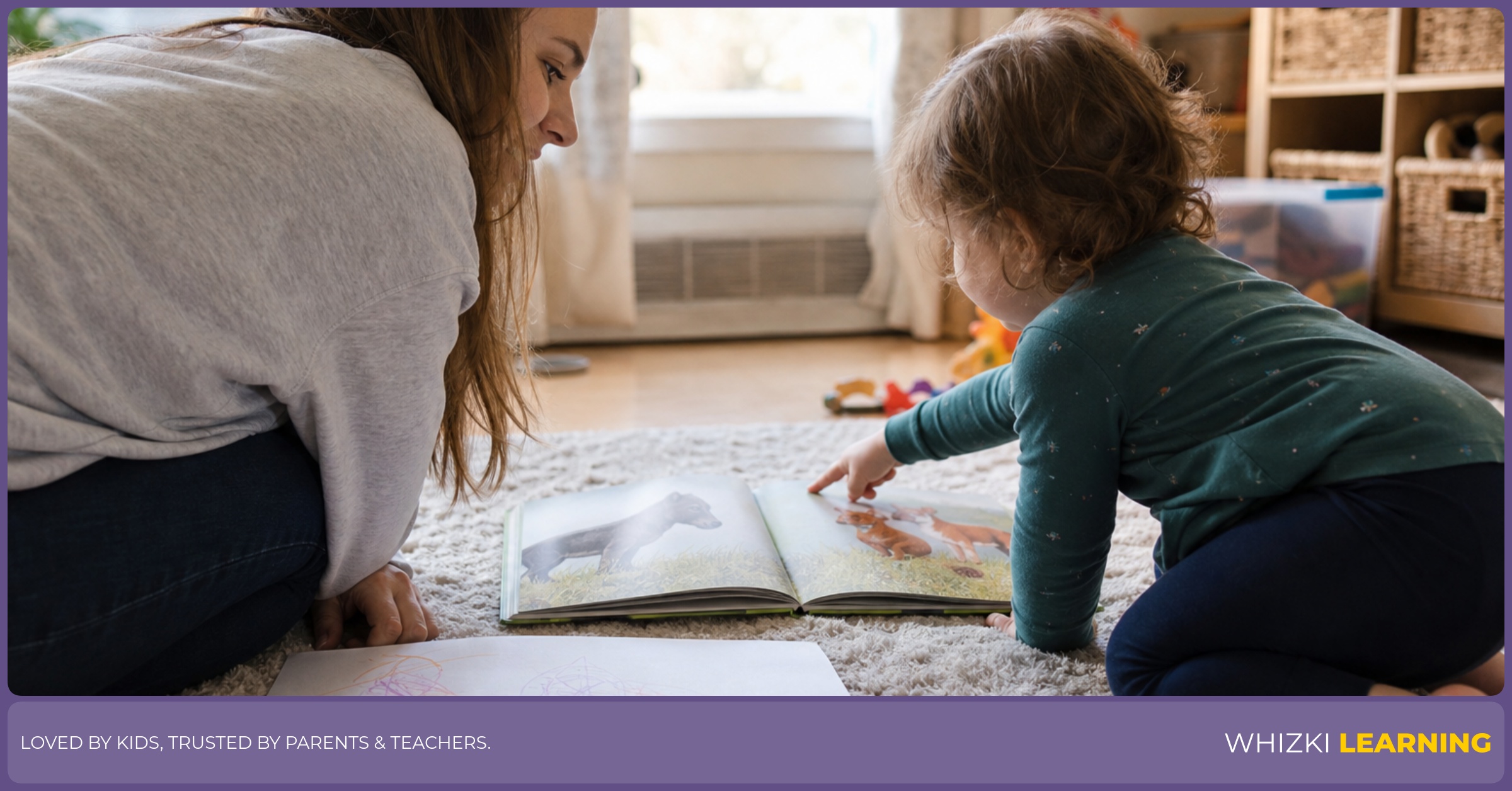
A five-minute sight-word routine should begin with three to five words, not a whole packet. Read each word together, trace the word with a finger, build the word with magnetic letters if available, and find the word in a short book. Montessori and occupational-therapy habits both support hands-on work because movement and touch help young children stay engaged.
A useful routine repeats the same tiny set for several days before adding new words. The child can read the word, say the word in a silly sentence, write the word once, and place the word card in a “known” pile after success in a book. Short success protects confidence and gives the brain enough practice to make recognition faster.
A parent can stop practice before the child melts down because ending well is part of teaching. The next day can begin with one easy word and one almost-known word, which keeps effort in a manageable zone. Calm repetition, not pressure, is the part of sight-word practice that usually moves the needle.
Kindergarten sight words are a long-game skill, not a race, and a typical 25 to 50 word goal leaves room for many normal learning paths. If a steady weekly rhythm would help, come join the weekly newsletter for calm reading ideas you can use at the kitchen table.