If your 4-year-old comes home from preschool beside a classmate who writes a name or counts higher, pause before panic and watch one ordinary routine tonight: dinner talk, pretend play, handwashing, and bedtime cleanup. Four is a lumpy year, and steady growth often shows up in small daily jobs before academic work. A child can look far ahead in one area and very young in another area on the same afternoon.
Reviewed by Whizki Editorial Team, Early Childhood Education Editors.
What matters most at 4
The milestones that matter most at 4 are language, play, self-care, movement, and growing social awareness. NAEYC guidance keeps preschool learning tied to developmentally appropriate practice, which means young children learn through talk, movement, relationships, stories, and hands-on materials. At 4, I look for a child who can share ideas, try a routine with support, and recover from small frustrations with adult help.
Language growth at 4 usually matters more than early reading. A 4-year-old often tells a short story, asks many questions, follows a two-step direction, and uses longer sentences even with grammar bumps. Speech-language pathology practice also treats clear communication as a bigger signal than perfect pronunciation, because some sounds are still developing at this age.
Play is serious evidence of learning at 4. In Reggio-inspired classrooms, teachers watch how a child builds a pretend scene, negotiates a role, solves a block-tower problem, and returns to an idea after a break. For a broader kindergarten view, the readiness skills that matter include independence, listening, curiosity, and classroom participation, not just letters and numbers.
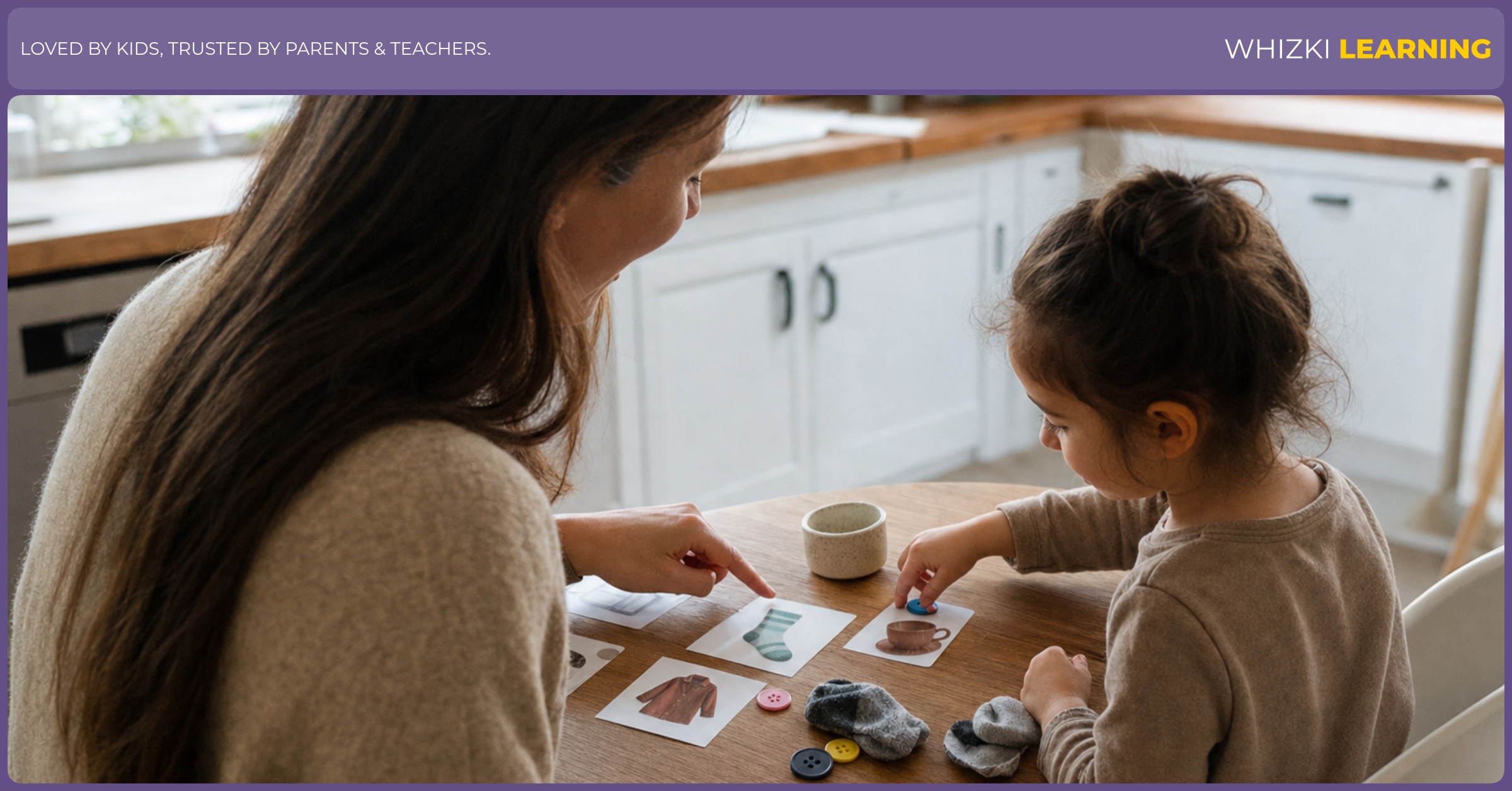
The wide normal range at four
The normal range at 4 is wide because brain, body, language, and temperament do not develop on one neat schedule. Montessori and Reggio observation both remind adults to watch the whole child over time instead of judging one worksheet, one circle-time moment, or one rough morning. A quiet observer may be learning as much as a child who announces every thought out loud.
Reading is not the main job of a 4-year-old. The Orton-Gillingham approach builds reading from sound awareness, oral language, and multisensory practice, so a child who can clap syllables, hear rhymes, enjoy books, and notice beginning sounds is building useful pre-reading ground. A child does not need to decode books in preschool to be on a healthy path.
Body readiness also varies a lot at 4. Occupational-therapy basics look at posture, hand strength, crossing the midline, sensory comfort, and daily tasks before blaming attention or effort. A child who avoids pencil work may need more playdough, tongs, climbing, ripping paper, and big-arm drawing before a pencil feels manageable.
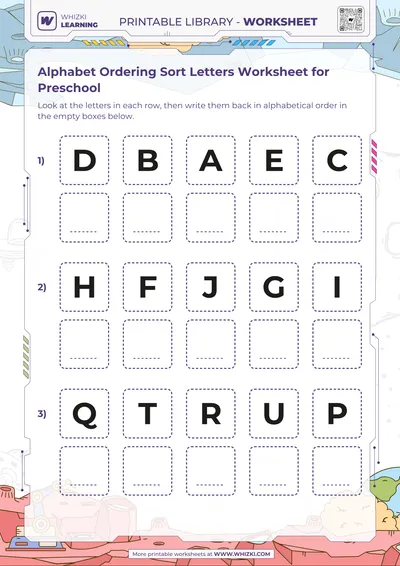
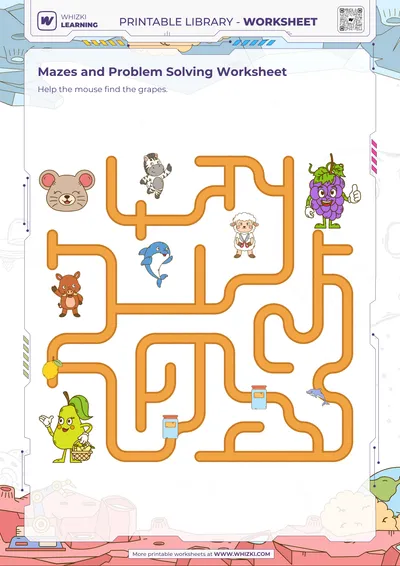
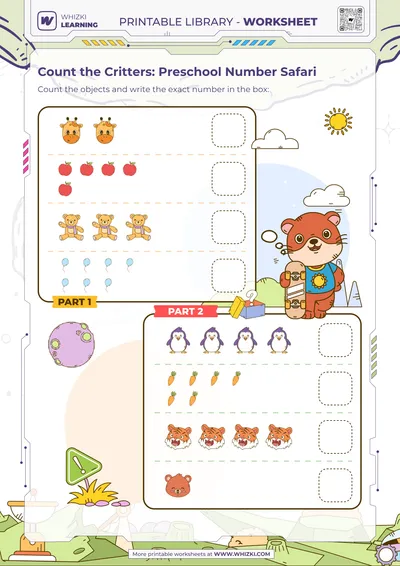
A simple printable can make a home check-in feel playful instead of like a test. Choose one coloring page, sorting page, or tracing page from our printable library, then stop while the activity still feels pleasant.
Why class comparison misleads
The preschool class is a poor measuring stick because a room of 4-year-olds can include nearly a full year of age difference. NAEYC-aligned teachers expect that age gap to show up in pencil grip, stamina, speech clarity, toileting independence, and group confidence. A child with a late birthday may look younger because the child is younger.
Preschool comparison also hides family patterns, sleep, language background, shyness, and past experience with crayons or books. A Reggio teacher would gather many snapshots before making a claim: snack talk, block play, outdoor movement, pretend play, cleanup, and response to comfort. One impressive classmate is not a fair benchmark for another child's full development.
Big feelings can make a capable 4-year-old look behind in a busy classroom. Social and emotional learning gives children words for feelings, practice with waiting, and adult models for repair after a conflict. If frustration or worry is the main concern, the SEL guide for parents can help you sort skill-building from simple misbehavior.
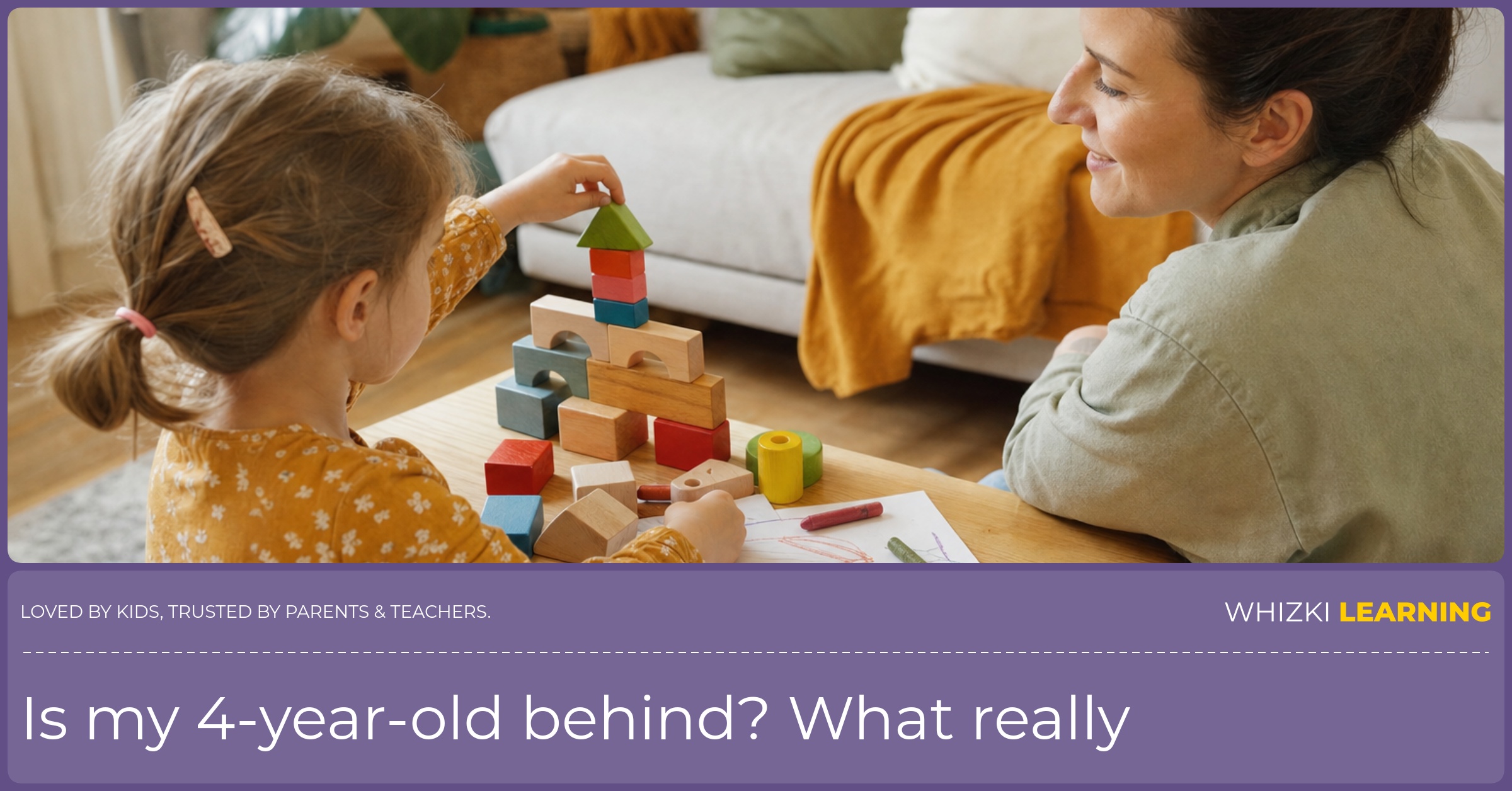
Signs worth a pediatrician check-in
A pediatrician check-in is wise when a 4-year-old is hard for familiar adults to understand most of the time, rarely uses three- or four-word phrases, does not answer simple questions, or loses skills the child once had. Speech-language pathology practice treats loss of communication, very limited speech, and poor understanding of everyday directions as reasons to ask for help. A calm check-in is not overreacting, because early support works best when concerns are named plainly.
A pediatrician can also screen hearing, vision, sleep, growth, and general health when learning feels harder than expected. A child who seems not to listen may be missing parts of speech because of ear fluid, background noise, or hearing differences. A child who avoids books or puzzles may be dealing with vision strain rather than a lack of interest.
An occupational therapy lens is useful when daily tasks are consistently much harder than expected. A check-in makes sense when a child cannot use a spoon without frequent spills, cannot climb stairs with support, avoids many textures so strongly that meals or dressing stall daily, or has very limited hand use compared with other play skills. The pediatrician can help decide whether watchful waiting, a classroom adjustment, a hearing test, a vision exam, or a therapy referral is the next step.
What to do this week
The next step is a 10-minute routine that feels like ordinary family life. Pick one daily anchor, such as breakfast, bath time, the walk to the mailbox, or bedtime books, and add one small skill: a two-step direction, a turn-taking game, a naming game, or a cleanup job. Short, repeatable practice tells you more than a long lesson that ends in tears.
Letter learning should stay playful and sound-based at 4. The Orton-Gillingham tradition starts with hearing and feeling sounds, so say a sound, hunt for an object that begins with that sound, trace a big letter in salt, and move on. A child who is ready for more may copy a name or match letters, while a child who resists may need another month of songs, stories, and finger play.
Self-care and focus grow through real responsibility. Occupational-therapy basics support small jobs that use both hands, such as opening a lunch container, pulling socks over toes, squeezing a sponge, carrying napkins, or peeling a sticker. A preschool teacher would rather see a child try a hard task with help than see a child race through a perfect worksheet with no patience for mistakes.
A 4-year-old is not behind because a classmate can read, write neatly, or sit longer at circle time. For one calm kitchen-table idea in your inbox each week, join the weekly newsletter.