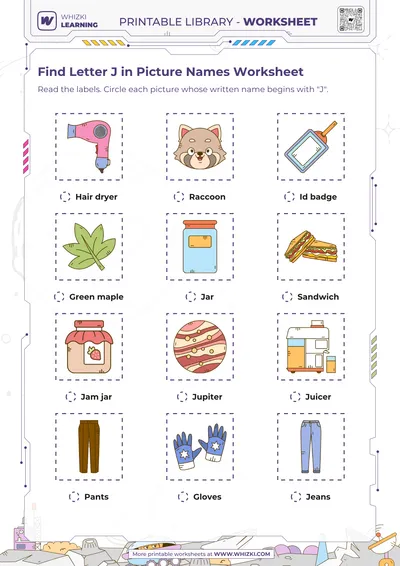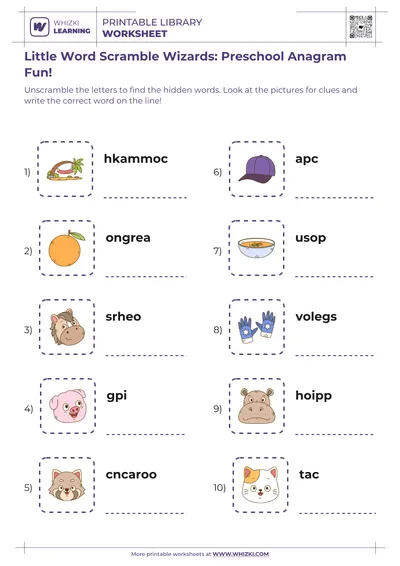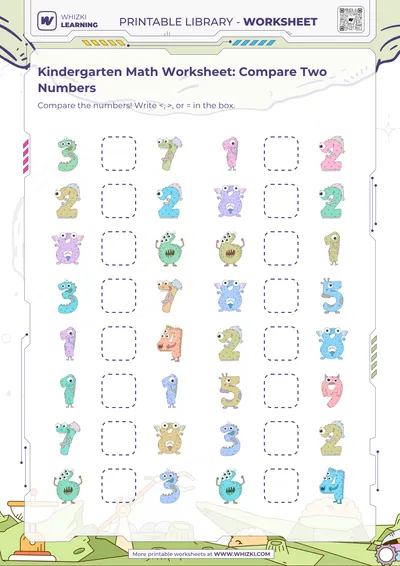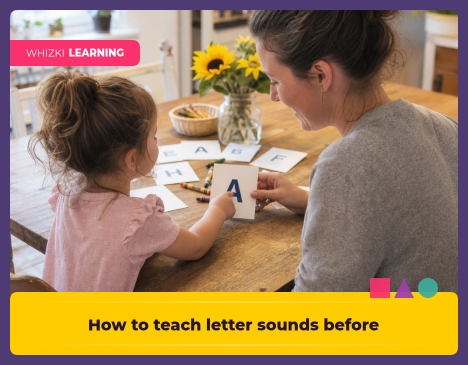
If letter-sound practice keeps turning into "B says buh" at the kitchen table, start today with five calm minutes of mouth-first sound play before showing another worksheet. Young children learn best when the sound feels clear in the mouth, shows up in real objects, and gets repeated without pressure. A small daily routine beats a long lesson that ends with a tired child and a frustrated adult.
Reviewed by Whizki Editorial Team, Early Childhood Education Editors.
Start with pure letter sounds, not extra vowel sounds
The Orton-Gillingham approach starts with clean speech sounds because a child has to hear the sound before the child can connect the sound to print. A pure /b/ sound is a quick lip pop, not "buh," and a pure /m/ sound is a humming mouth sound, not "muh." Extra vowel sounds make blending harder because "buh-a-tuh" does not slide into "bat" smoothly.
The parent cue can stay simple: say the sound, touch the mouth, then let the child copy the mouth movement. A mirror helps a preschooler see lips closing for /p/ or teeth touching the lip for /f/. The adult can praise the mouth action first, because accurate speech movement often comes before perfect letter memory.
Letter names still matter, especially because kindergarten teachers use names during handwriting and alphabet talk. The teaching order can be flexible, and the guide on letter names or sounds first explains how to balance both without turning practice into a quiz. In real teaching, I introduce the sound during the game and say the letter name briefly when the printed letter appears.
Play sound-first games before worksheets
NAEYC guidance reminds early-childhood teachers that play is serious learning for children ages 3 to 7. Sound-first games let a child hear /s/ in sock, soup, and soap before the child has to identify the printed letter S. The game gives the ear a job before the pencil has a job.
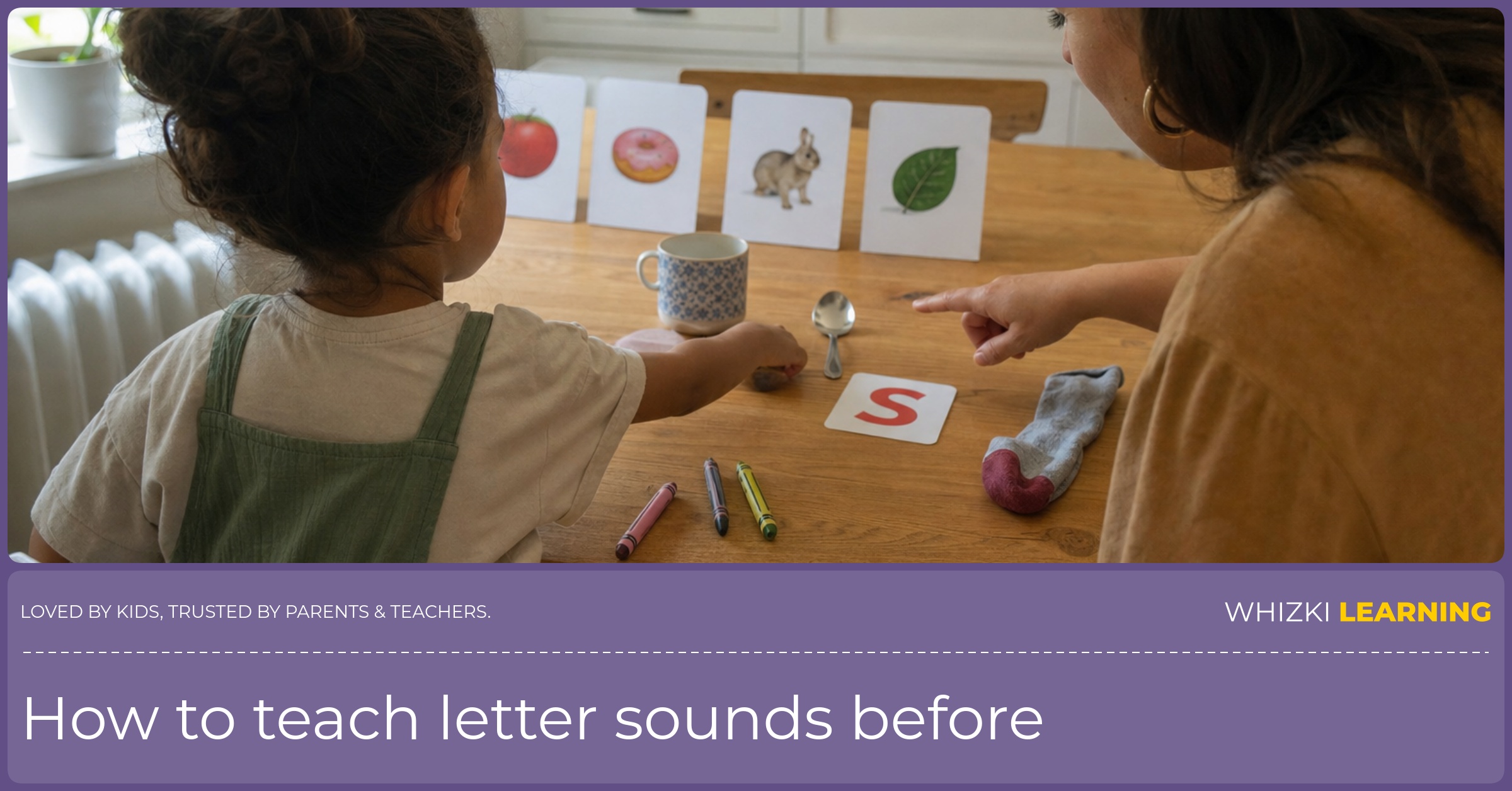
A sound hunt works well at home because the game uses objects already on the counter, couch, or floor. The adult says, "I am hunting for something that starts with /m/," then the child can bring a mug, mitten, or marker. The adult should accept close attempts, model the clean sound again, and keep the pace light.
For more screen-free choices, the collection of 15 letter sound games gives families quick options for the car, bath, snack table, and backyard. A strong game has one sound focus, a few real objects, and a clear finish. A child who leaves the game wanting another turn is getting the right amount of practice.
Use a letter-sound-of-the-day fridge routine
The letter-sound-of-the-day fridge routine works because the refrigerator is already part of family traffic. Reggio-inspired teaching treats the home environment as a teacher, and a visible letter card turns breakfast, shoes, and snack time into tiny review moments. The routine should feel like a reminder, not a school assignment.
The adult chooses one sound, tapes one large letter at the child’s eye level, and names the sound with a clean mouth cue. The child traces the letter with a finger, says the sound three times, and finds one object nearby that starts with the same sound. The whole routine can end before the toast pops.
The letter-sound wall printable gives the fridge routine a tidy home base when loose sticky notes start falling behind the milk. Print a matching page from our printable library, tape the page to the wall or fridge, and let the child point, trace, and say one sound each day.
Occupational-therapy basics help the routine feel easier for small hands. A thick crayon, a vertical surface, and finger tracing can support shoulder stability and hand control without turning the sound routine into handwriting drill. A child who resists pencils may still enjoy tapping, tracing, or matching a real object to the fridge letter.
Pair each sound with alphabet hub pages
Montessori and Reggio classrooms often move from concrete objects to printed symbols, and alphabet pages can support that move when the page follows real sound play. After a child hears /t/ in toy and turtle, the adult can open the alphabet learning hub and connect the sound to the printed letter. The page becomes a record of a sound the child already noticed.
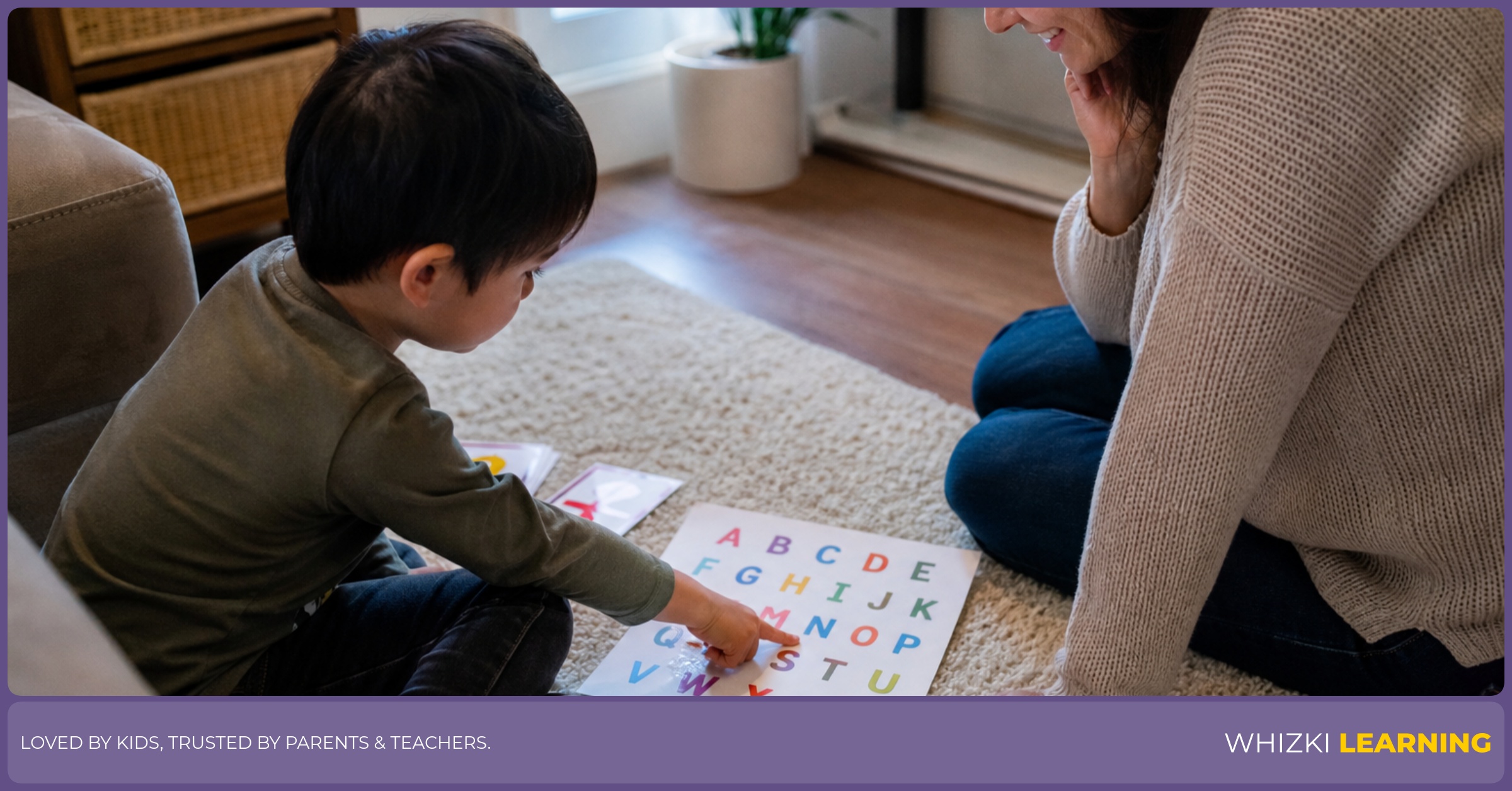
The best alphabet page routine is short and predictable. The child says the sound, traces the letter, names one picture, and closes the page. The adult can save coloring or handwriting for a separate moment so the sound connection stays clear.
An alphabet hub also helps adults avoid random letter jumping. A family can keep one page open for the sound of the day, then revisit the same page after a song, a snack hunt, or a read-aloud. Repeated contact with the same letter builds familiarity without requiring a child to memorize every alphabet fact at once.
Follow a 4-week summer plan before kindergarten
The summer before kindergarten does not need a thick workbook to prepare a child for letter sounds. Orton-Gillingham review cycles favor steady repetition, and speech-language pathology practice favors clear modeling over long correction. Ten playful minutes on most days is enough for many children ages 4 to 6.
Week 1 can focus on hearing beginning sounds in names, foods, toys, and animals. Week 2 can add pure sounds for high-use consonants such as m, s, t, p, b, and f. The adult should use real objects first, then show the matching printed letter after the child hears the sound.
Week 3 can add a fridge sound-of-the-day routine with one alphabet page beside one household object. Week 4 can practice simple blending with two or three sounds the child knows well, such as /m/ /a/ /t/. Blending should stay oral at first, because the mouth can practice the skill before the child has to read a printed word.
The 4-week plan should leave room for travel, visitors, camp, and tired days. A skipped day does not ruin the plan, because young children need many gentle returns to the same sound. A child who knows fewer sounds accurately is in a better place than a child who rushes through the alphabet with muddy sounds.
Help when a child guesses or shuts down
NAEYC guidance and occupational-therapy practice both remind adults to watch the child’s behavior as information. Guessing can mean the sound is too similar, the page is too busy, or the lesson has lasted too long. A teacher or parent can reduce the task to two choices and return to real objects.
A gentle correction sounds like, "That word starts with /s/. Listen to my mouth, /s/ sock." The adult should avoid long explanations after an error because a young child usually needs another clean model, not a speech. A quick reset protects the relationship and keeps the sound practice useful.
A child who consistently cannot hear rhyme, cannot hear first sounds, or becomes very upset with any sound play may need extra support from a kindergarten teacher, pediatrician, or speech-language pathologist. Early help is practical, not scary. A skilled professional can check hearing, speech sound production, language, and attention in a child-friendly way.
Letter sounds grow through small, repeated moments: a clean mouth sound, a real object, a printed letter, and a cheerful stop before practice goes stale. The parent job is not to cover the alphabet in one sitting. The parent job is to help the child hear one sound clearly and meet that sound again tomorrow.