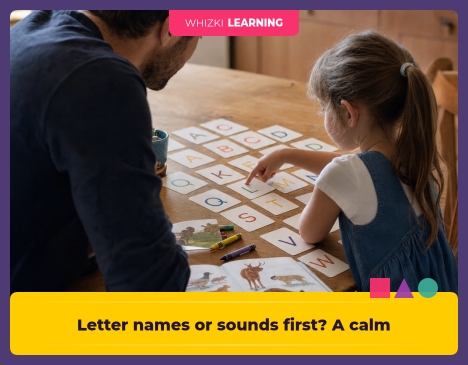
If your child keeps mixing up letter names and letter sounds at the kitchen table, breathe, say the sound first during reading games today, and use the letter name when you need to talk about the symbol. The mix-up is common for ages 3 to 7, especially when adults use name and sound language in the same activity. The goal is not to pick a side forever, the goal is to give each kind of letter knowledge a clear job.
Reviewed by Whizki Editorial Team, Early Childhood Education Editors.
The short answer: sounds read, names explain
The practical default is simple: letter sounds carry reading, and letter names carry talking about letters. During a reading game, ask for /m/ in map before asking for the name em, because the sound helps your child blend the word. During cleanup, handwriting, or alphabet chart work, use the name M because the name labels the shape.
The Orton-Gillingham approach puts speech sounds and letter patterns together in a very direct way, and that practice matches what young readers need when print starts turning into words. In my small-group reading work, a child who can say /s/ /a/ /t/ has a path into sat even when the child cannot yet explain the letter names smoothly. The sound work does the reading job.
Letter names still matter because names help children and adults talk clearly about print. A kindergarten teacher can say, circle lowercase b, and the class knows which symbol to find. For family-friendly letter pages, the alphabet learning hub can keep names, sounds, pictures, and print practice in the same simple place.
What the research camps are really saying
The code-focused research camp says young readers need a strong link between spoken sounds and printed letters. The Orton-Gillingham lineage, structured literacy teaching, and many phonics studies all point in the same classroom direction: children need to hear, say, see, and write the sound-letter match many times. The sound is the bridge from print to a word your child can say.
The letter-name research camp says alphabet naming is a strong early marker because letter names give children a stable label for each symbol. A child who knows the name B often notices that the name contains a clue to /b/, and a child who knows the name M often hears /m/ at the start of em. The name knowledge does not replace phonics, but the name knowledge can support phonics when adults connect the name to the sound.
The language-rich research camp, including NAEYC guidance and Reggio observation, reminds adults that preschool literacy grows through play, talk, books, labels, drawings, songs, and meaningful print. A child who finds the first letter in a family name, dictates a sign for a block building, and listens to rhyme is building useful print awareness. The best answer from real classrooms is not names-only or sounds-only, the best answer is clear purpose for each one.
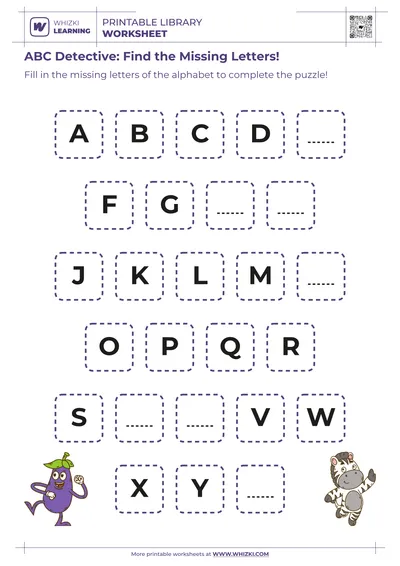
For paper practice, choose one simple alphabet page and repeat the same sound-name routine for several days. A no-pressure printable from our printable library can give your child a pencil path, a picture cue, and a place to say the sound before naming the letter.
Why most U.S. classrooms teach both together
Most U.S. preschool and kindergarten classrooms teach names and sounds together because classroom life requires both kinds of language. A teacher says, find uppercase T, during morning message, then says /t/ during a word-building lesson. NAEYC guidance supports playful, meaningful print exposure rather than isolated drill, so teachers connect the letter name, the sound, the child’s name, and a real word.
State standards and screening tools also push classrooms toward both skills because teachers need shared vocabulary for instruction and assessment. A teacher cannot easily describe letter formation, alphabet order, uppercase matching, or lowercase matching without letter names. A teacher also cannot teach decoding without sounds, so the school day naturally carries both tracks.
Montessori sandpaper letters often lead with the sound while the child traces the shape, and Reggio-inspired classrooms often start with print that matters to the child, such as a name, sign, recipe, or drawing label. Those approaches look different on the shelf, but both approaches give the child a reason to notice print with hands, eyes, ears, and voice. The common thread is purposeful practice, not reciting the alphabet song faster.
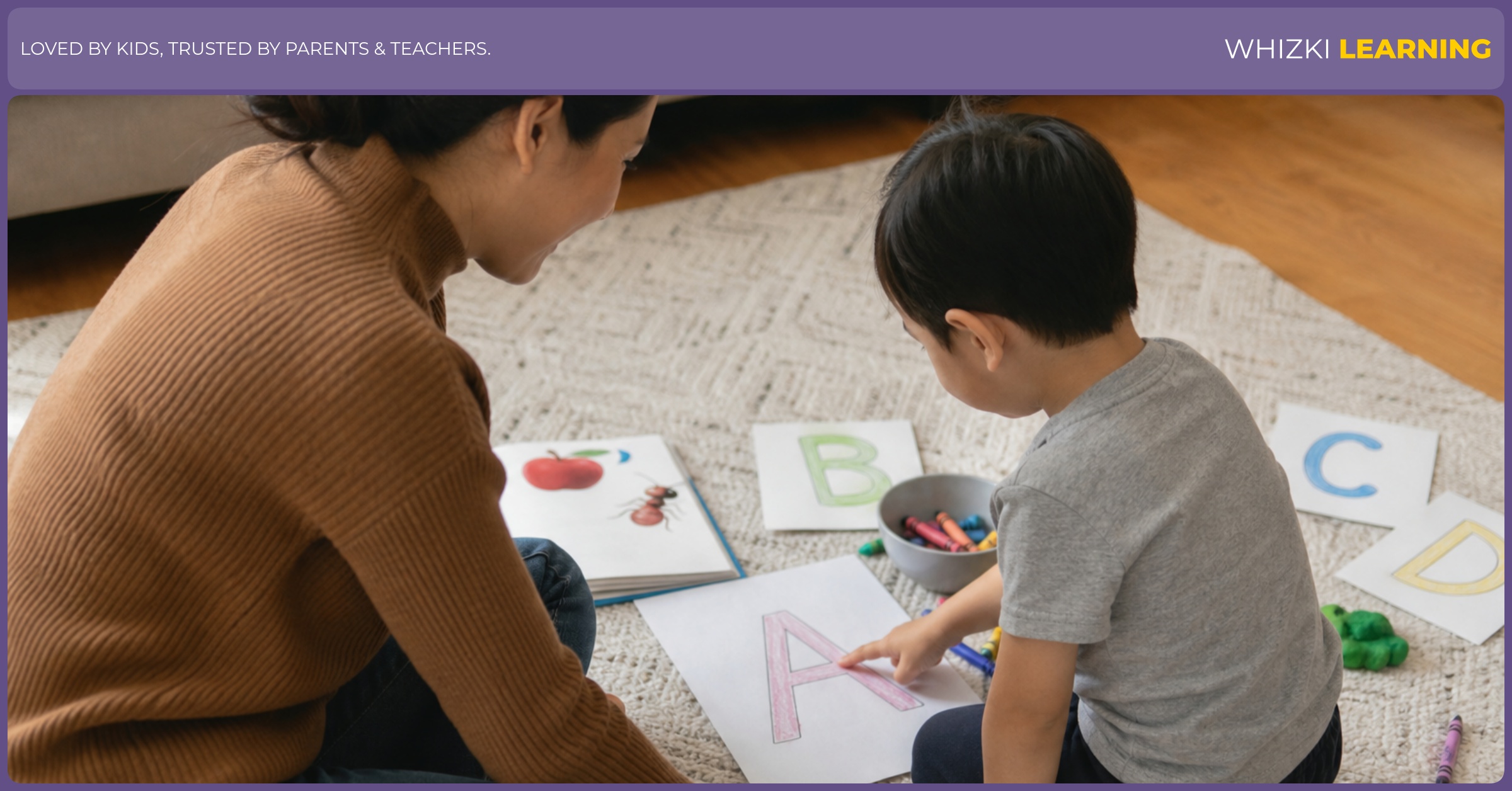
A simple home routine for ages 3 to 7
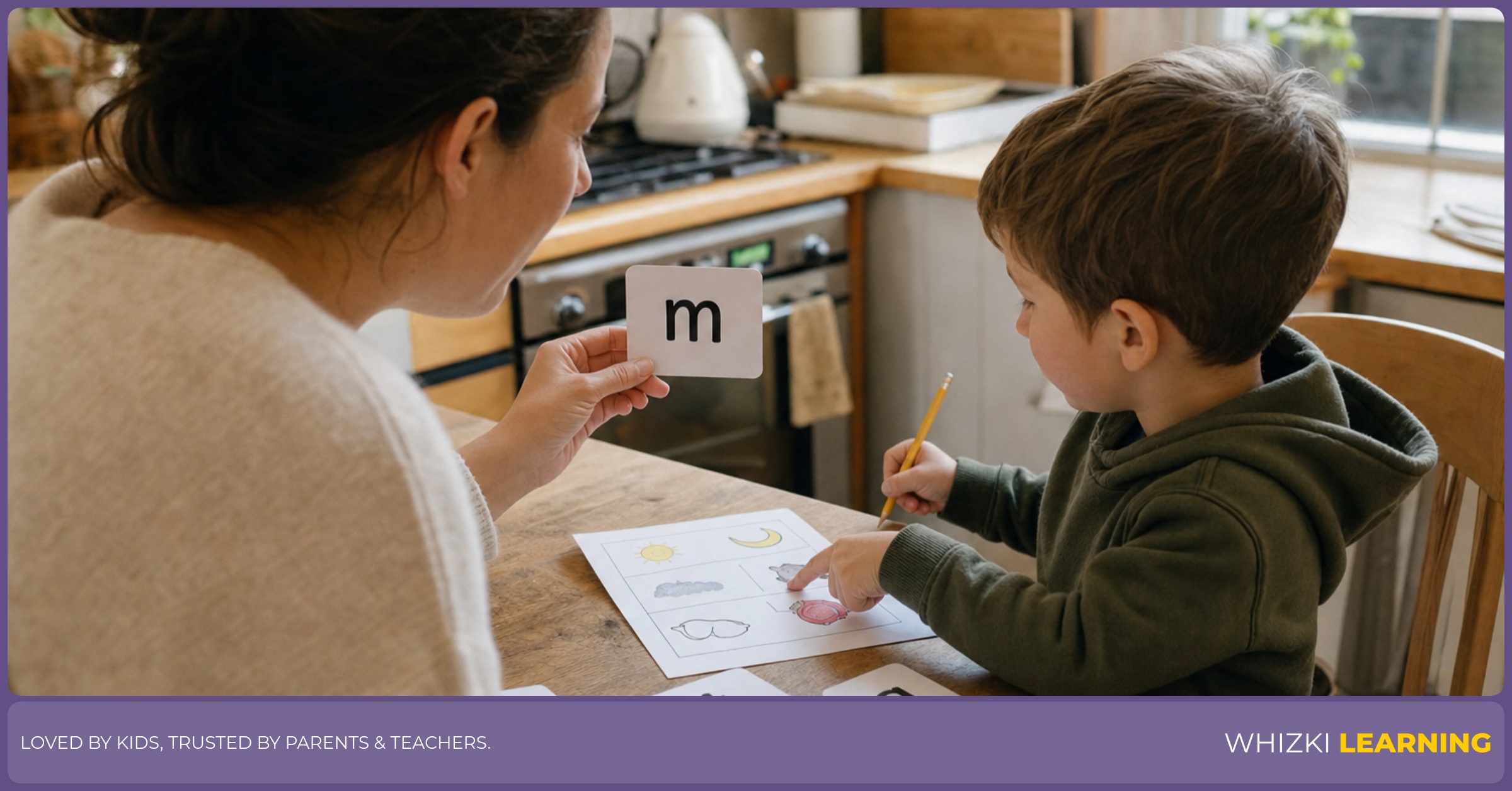
At home, use a two-lane rule: reading lane starts with the sound, and talking-about-letters lane uses the name. In the reading lane, point to M and say, what sound? In the talking lane, say, that letter is M, and M starts your cousin Mia’s name.
The five-minute routine goes in the same order each time: hear the sound, say the sound, find the letter, trace the letter, and read or build one tiny word when your child is ready. For a full parent script, use the simple phonics method for parents and keep the practice short enough for success. A child who wants more can play longer, but a child who is done after five good minutes has still had a solid lesson.
Occupational-therapy basics matter during letter work because young children learn through movement, touch, and body position. A crayon, finger trace, play dough line, sand tray, or sidewalk chalk letter can help the hand remember the shape while the mouth says the sound. A wiggly child often needs heavier paper, a slanted binder, a shorter pencil, or a standing spot at the counter before the brain can focus on print.
What to say during common mix-ups
When your child says bee while trying to read bat, answer with calm correction: that is the letter name B; the reading sound is /b/. Then point to the first letter again and ask for the sound, not the name. The correction stays short because the goal is to move the child back into reading, not to turn one mistake into a lecture.
When your child says /s/ but cannot remember the name ess, praise the reading sound first. Then add the name in a plain sentence: the sound /s/ belongs to the letter S. The child receives the message that the sound solved the reading job and the name helped label the symbol.
Speech-language pathology practice gives a helpful cue: let the mouth show the sound. For /m/, lips close; for /f/, top teeth touch the bottom lip; for /t/, the tongue taps behind the top teeth. A child who cannot make several speech sounds clearly by age 5 or 6 deserves a warm check-in with a speech-language pathologist, because sound production can affect early phonics practice.
When to ease up or ask for help
For ages 3 and 4, alphabet play should feel like a small invitation, not a daily test. NAEYC guidance fits the preschool years well: read aloud, sing, draw, notice signs, and let a few favorite letters appear again and again. A preschooler who knows the first letter in a name and enjoys books is already building useful ground.
For ages 5 to 7, steady sound practice becomes more important because kindergarten and first grade reading ask children to connect print to speech quickly. Orton-Gillingham practice keeps the work explicit and multisensory, which helps a child see the letter, say the sound, tap the sounds, and blend the word. A child does not need a perfect alphabet recital before beginning simple reading practice.
A professional check is wise when a 6- or 7-year-old cannot remember several common letter sounds after consistent practice, avoids looking at print, struggles to hear rhymes, or has ongoing trouble with pencil control. A kindergarten teacher, reading specialist, speech-language pathologist, or occupational therapist can help sort out whether the barrier is sound awareness, vision, language, attention, or hand skill. Early help should feel practical and kind, not scary.
The name-or-sound question does not need to become a nightly argument; give reading time to sounds and give classroom talk to names. Join our weekly newsletter for one small literacy idea you can actually use at the kitchen table each week.