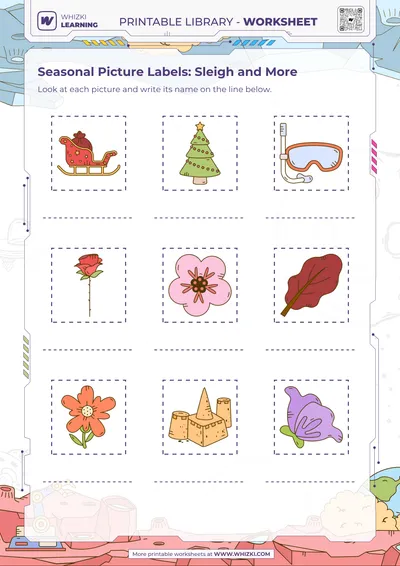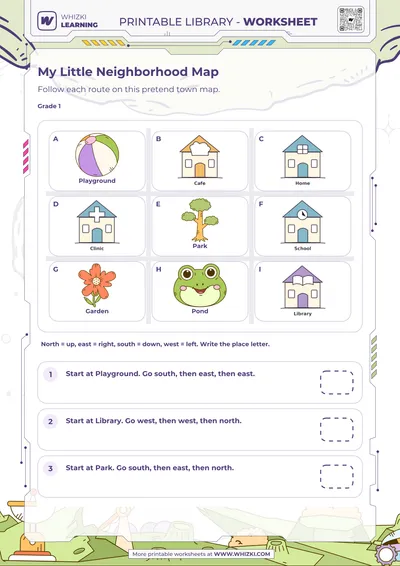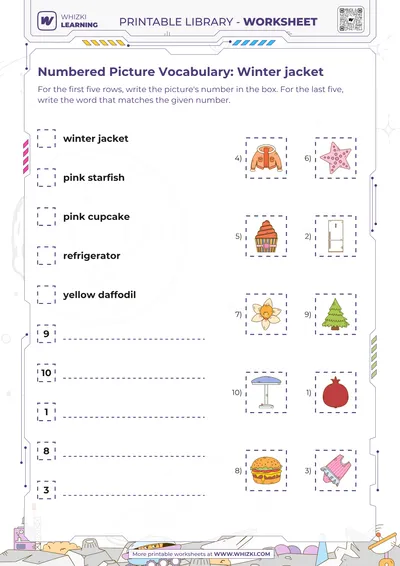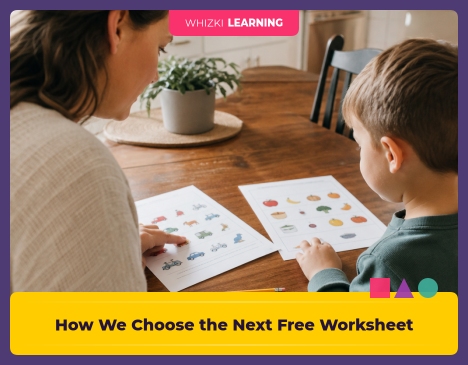
When a child asks for a fresh worksheet right as dinner needs attention, the fastest answer is not a bigger stack; try a two-minute choice today: offer one known-skill page and one just-new page, then watch which page gets careful hands instead of a negotiation. The worksheet queue has the same kind of friction, because a page can look needed before the path, generator, age fit, artwork, and duplicate check are ready. The field note below shows the real order so a parent or teacher can borrow the same calm filter at the table.
Reviewed by Whizki Editorial Team, Early Childhood Education Editors.
What an empty valid path means
The empty valid path is a real address in the learning library that has passed the basic map check, but the page still needs a worksheet file behind the button. In classroom terms, the shelf label exists before the tray is stocked. NAEYC guidance on developmentally appropriate practice keeps the question child-facing: a printable should match the age band, the language demand, and the hands that will use the page.
The production note matters because a blank spot in an audit is not the same as a broken promise to families. A dated gap may still be open, may already be in art review, or may be waiting behind a stronger need. The queue treats the audit as a workbench, not as a public countdown.
The first decision is simple: the next free worksheet must belong to an empty valid path, not to a random idea that sounds cute. The printable library uses categories and paths so a caregiver can find letter, number, tracing, and early reading practice without guessing where the page lives.
The prioritization sequence we use
The first pass looks for an empty valid path because a real route helps families find the page again. The Orton-Gillingham approach shapes the reading side of the decision: sound-symbol work should be explicit, orderly, and easy to revisit. A letter page that supports the /m/ sound with clear mouth-friendly words gets priority over a decorative page with confusing picture choices.
The second pass checks generator coverage because a path may need a template the system can actually build today. A tracing generator, a matching generator, and a picture-word generator do different jobs, so coverage decides whether the page can be made cleanly. The generator check protects parents from a worksheet that looks finished but teaches with crowded boxes or uneven spacing.
The third pass checks age fit and artwork fit for children ages 3 to 7. Occupational-therapy basics guide that review: preschool hands need bigger movements, kindergarten hands can manage shorter pencil paths, and early first-grade hands may handle smaller print when the task stays familiar. The artwork check asks whether the picture is recognizable, calm, and fair to the word on the page.
The last pass rejects near-duplicates because more pages do not always mean better practice. Reggio-style documentation reminds me to look at what the child can do with the material, not how full the folder looks. If two printables ask for the same movement, same word set, and same picture logic, the queue keeps the clearer one and sends the copycat back.
When a family wants choices without hunting through old downloads, the printable library is the easiest place to start. Pick one page for ten quiet minutes, then stop while the child still has a little energy left.
What the hourly filler can and cannot mean
The hourly filler is a production constraint, not a family-facing promise. The queue can add a worksheet during a production window when a valid path, generator coverage, age fit, artwork fit, and duplicate review all line up. Montessori practice has a useful parallel here: prepared materials are placed when the tray is ready, not when an adult wishes the tray were ready.
The audit date can make a gap look permanent or already solved, but the audit date only marks a moment of review. A worksheet might be scheduled, paused for art repair, or replaced by a better fit from the worksheet sets. The dated note should be read as a production snapshot, not as a guarantee about the current state of every path.
The hourly rhythm also prevents rushed filler pages. Speech-language pathology practice values clear, familiar images when a child is connecting a word to a sound or meaning. A page with a vague picture of a yak, for example, can slow the child down for the wrong reason, so the better decision may be to wait.
How artwork and duplicates get reviewed
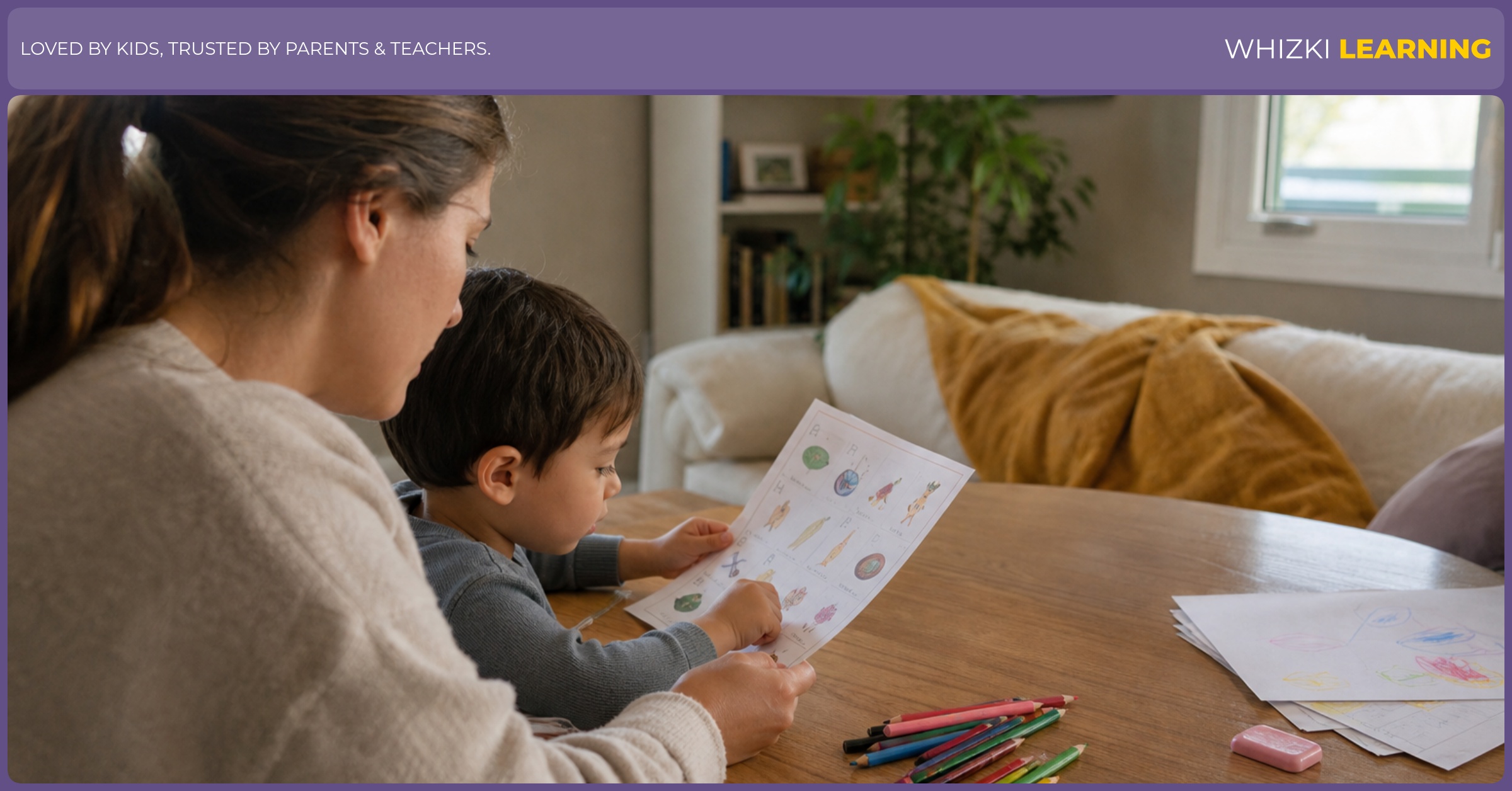
The artwork review starts with the child’s eyes, not the adult’s taste. NAEYC guidance pushes early learning materials toward clarity, respect, and fit for the children in front of us. A cow should look enough like a cow for a 4-year-old to name the picture without needing a grown-up hint.
The duplicate review compares the learning job of the page, not just the file name. An Orton-Gillingham-informed letter page can share a letter with another page, but the second page needs a different purpose, such as hearing the first sound, tracing the capital, or matching the picture to the word. If the new page only repeats the old page with a new border, the new page does not earn the next slot.
The picture-repeat issue has its own history, and the previous field notes guide explains how repeated images changed the review habit. The practical rule is plain: repeated artwork can be fine when repetition supports memory, but repeated artwork is weak when the task claims to be new.
A ten-minute check for home or class
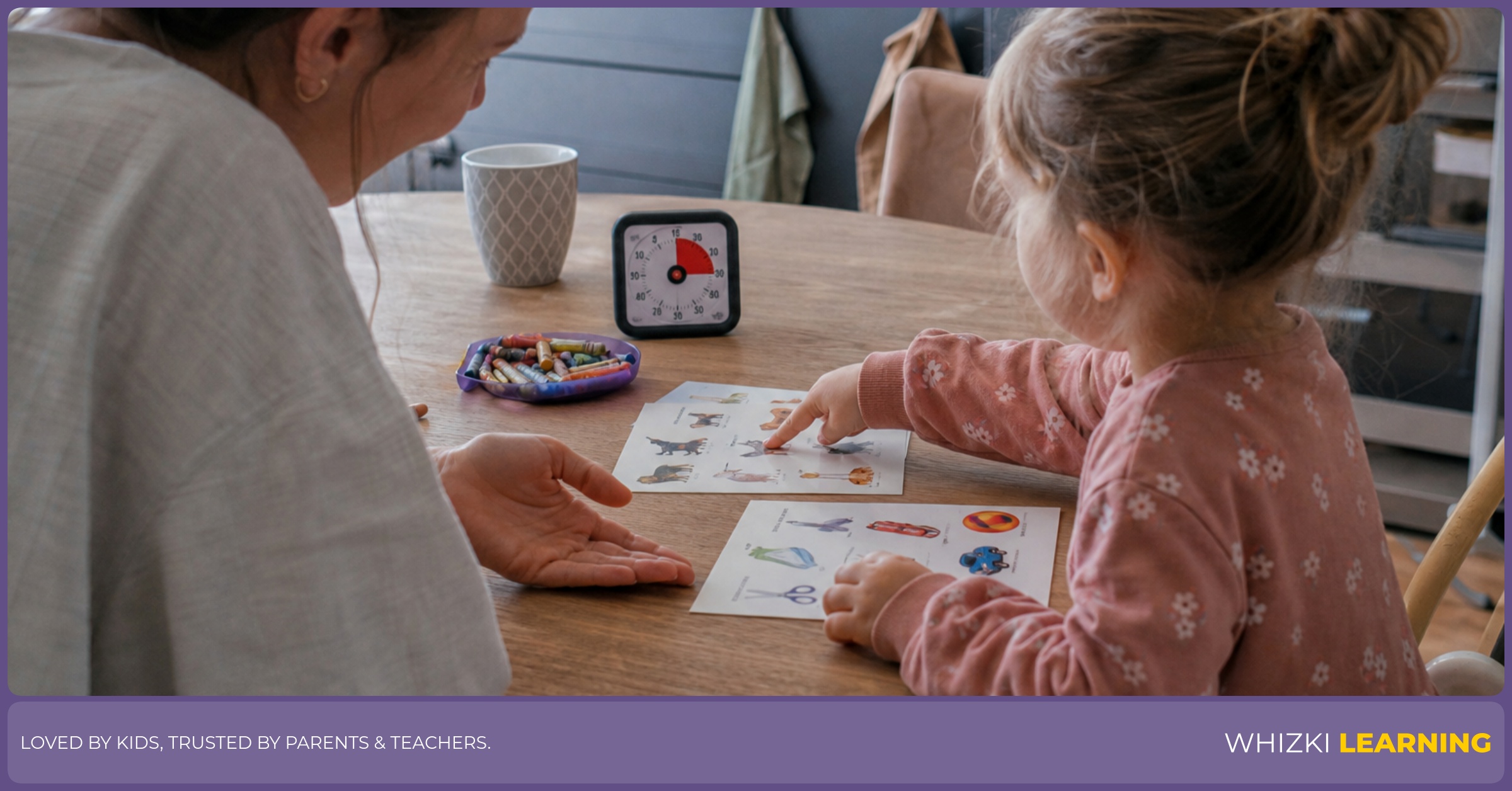
The home check needs one pencil, two crayons, two printable pages, and a kitchen timer set for ten minutes. Reggio observation helps here because the adult watches how the child uses the page before deciding whether the page was good. The adult is not scoring the child; the adult is noticing fit.
The age adjustment keeps the worksheet from turning into a battle. For ages 3 to 4, choose one large-motor page and allow pointing, circling, or coloring instead of perfect pencil lines. For ages 5 to 7, choose one page with a clear skill target and one small challenge, such as naming the beginning sound before coloring the picture.
The documented fact is that the production queue chooses a page only after path, generator, age, art, and duplicate checks. The proposed next step is your ten-minute check: if the child leans in, talks about the picture, and can explain the task after one adult model, the page is probably a fair fit for today. If the child shuts down, guesses wildly, or needs constant rescue, save the page for later and choose an easier one.
The next free worksheet is not chosen by luck, and the hourly filler is not a pledge that every dated audit gap is open or closed. The better promise is quieter: a page should have a real place to live, a generator that can make the page cleanly, artwork a young child can read, and enough difference from nearby pages to be worth printing.