At 5:42 p.m., the tablet may be the only thing standing between dinner prep and a meltdown, so try one small action today: ask, “What job is the screen doing right now?” The answer gives a calmer next step than counting minutes. The screen may be babysitting a hard transition, filling noise, modeling language, or replacing a messy hand skill that needs real materials.
Reviewed by Whizki Editorial Team, Early Childhood Education Editors.
Start with the job, not the timer
The screen job question works because young children ages 3-7 are still learning time, waiting, and body control. NAEYC guidance asks adults to look at the child, the context, and the content, not just the device. A 20-minute show during a fever day and 20 minutes of random clips before preschool are different family routines.
The Reggio habit of observation helps here: watch before fixing. Name the screen job in plain words, such as transition helper, adult work cover, quiet rest, language model, reward, or boredom filler. The named job tells the adult what replacement has to do.
The decision tree starts with one question: “Would the day fall apart if the screen disappeared right now?” A yes means the screen is carrying a real job, so a replacement needs structure, an adult check-in, or a smaller ask. A no means the screen may be a habit, and the first swap can be lighter.
Follow the stopping-difficulty branch
Stopping difficulty is useful information, not proof that the child is spoiled. Occupational-therapy basics remind adults that transitions require body readiness, attention shifting, and a clear next action. A child who melts down after a show may need a stronger ending routine, not a lecture about self-control.
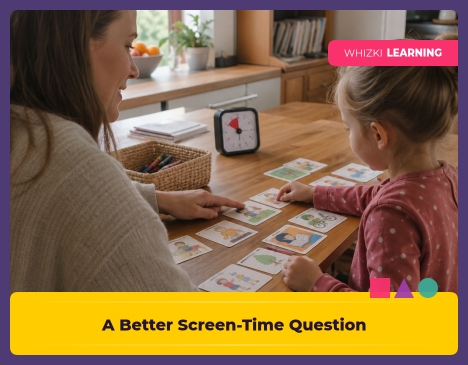
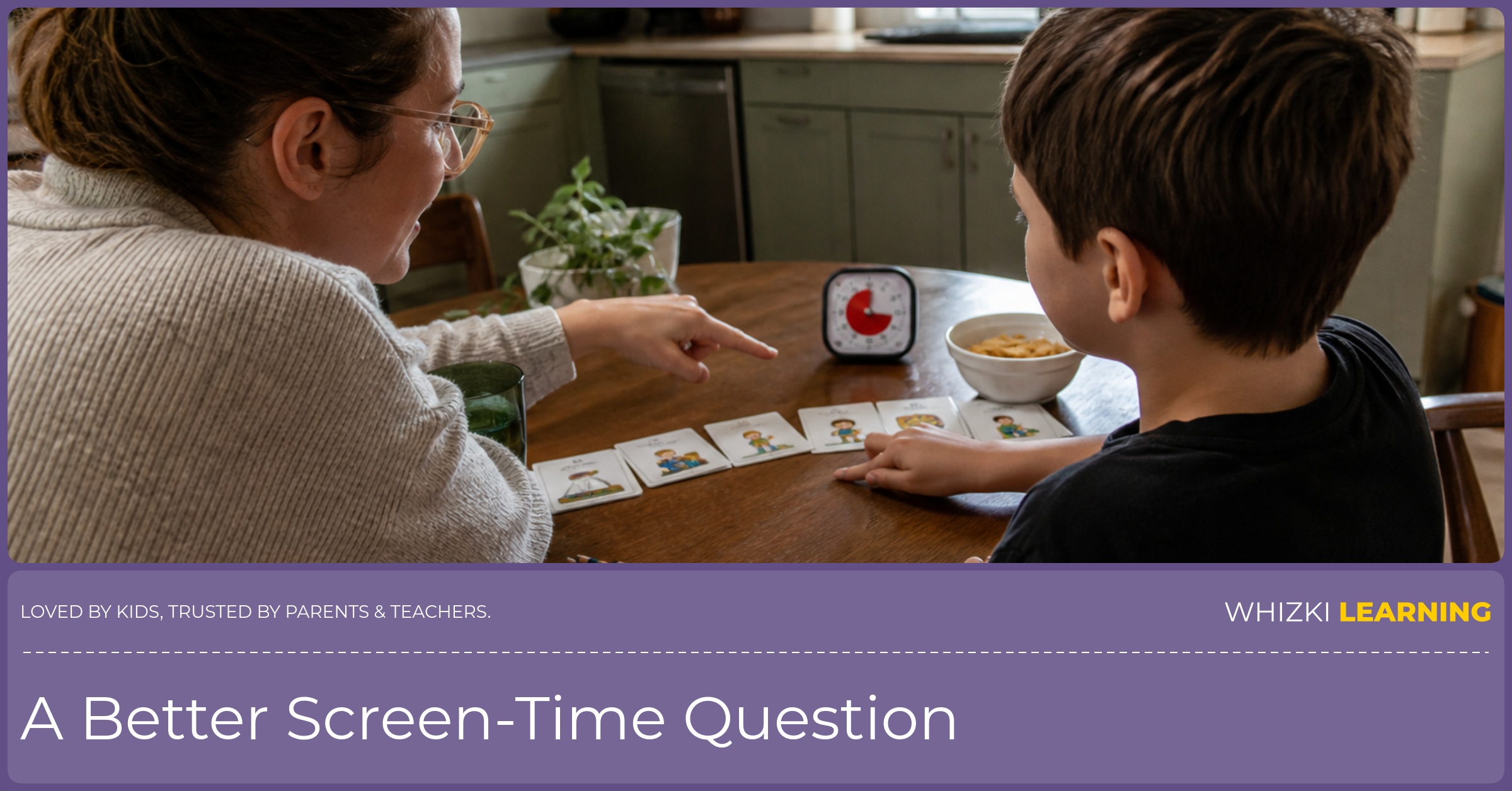
The first branch is simple: if stopping is hard, change the ending before changing the whole screen plan. Give a visible cue, such as a kitchen timer, one closing song, or a picture card that shows “screen, snack, shoes.” The next activity should be concrete, because “go play” is too wide for many preschool and kindergarten brains.
The second branch is joint use. If the child can stop more easily when an adult watches the last two minutes and says, “The puppy found the ball, and now the screen closes,” the screen may need a shared landing. Speech-language pathology practice often uses adult narration to connect words, pictures, and actions, and the same habit can make ending less abrupt.
Check sleep and background media
Sleep is the branch I check before handwriting, behavior charts, or new apps. Pediatric sleep guidance for young children keeps pointing adults back to predictable bedtime routines, dimmer evenings, and fewer stimulating choices close to bed. A screen that seems harmless at 7:15 p.m. may be making pajamas, teeth, and stories harder at 7:45 p.m.
Background media deserves the same careful look. NAEYC and pediatric guidance both warn that adult television, short clips, or constant videos can pull a child’s attention away from play and conversation, even when the child is not “watching.” The family room can feel calm to an adult while the child’s play keeps getting interrupted.
A practical test takes two evenings, not a month. Keep the favorite planned show if the family truly needs the break, but turn off background media during dinner, bath, and book time. Watch for easier conversation, smoother cleanup, or faster sleepiness, and also watch for no change at all because every home has different pressure points.
Keep audio modeling, move hand work to materials
Some screen jobs are worth keeping in a smaller form. The Orton-Gillingham approach values clear sound modeling, mouth attention, and repeated practice, so an audio prompt for /m/, /s/, or a short rhyme can stay. The handwriting, cutting, sorting, and drawing can move back to paper, crayons, child scissors, clothespins, buttons, play dough, and picture cards.
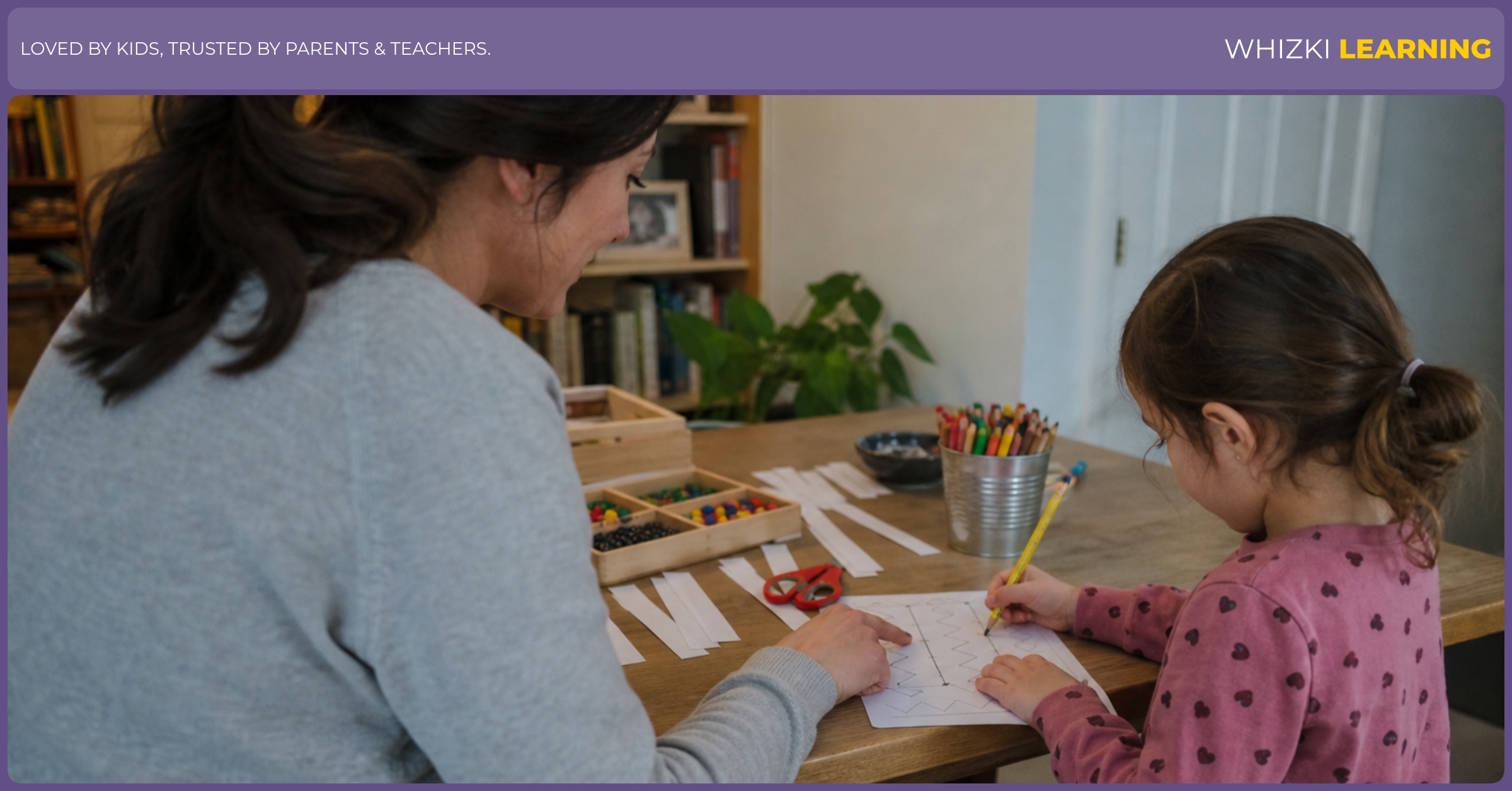
A five-minute example works well at the kitchen table. Play or speak one clear sound model, then ask the child to trace the letter in sand, write the letter with a short crayon, cut three paper strips, sort objects by beginning sound, and draw one silly item that starts with the sound. The audio does the modeling job, while the hands do the learning job.
Age changes matter. A 3-year-old can pinch pom-poms, tear paper, and draw big loops for three minutes, while a 6- or 7-year-old can copy two words, cut on a thick line, sort six picture cards, and add a sentence dictated to an adult. Occupational-therapy heuristics favor short tools, stable seating, feet supported when possible, and a work surface that does not slide.
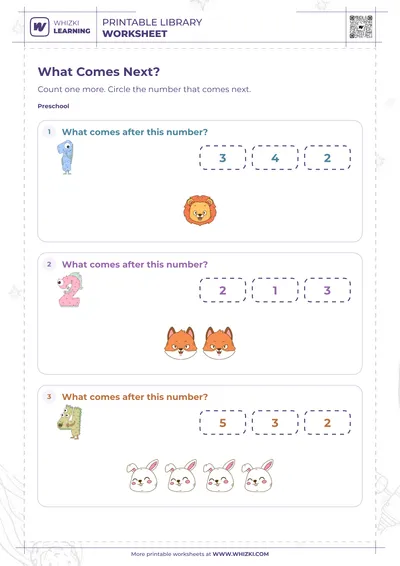
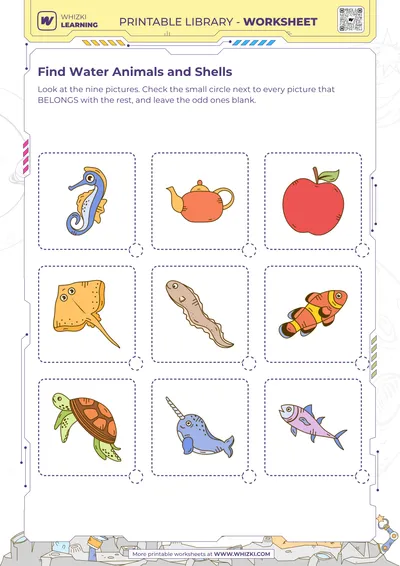
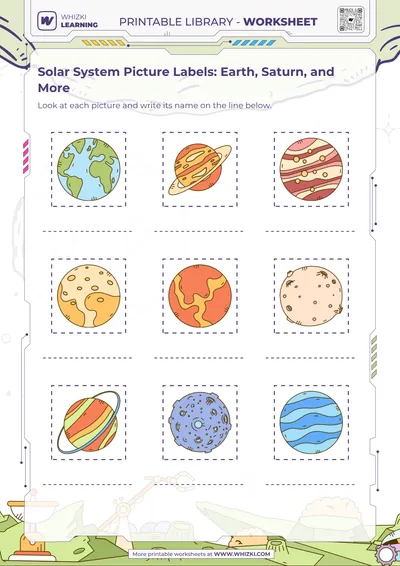
For a low-pressure swap, choose one page from the printable library and pair the page with crayons, scissors, or small household objects. A printable is only a starting point, so the adult can add talk, movement, and real materials around the page.
Use a one-week family screen job plan
A one-week plan keeps the decision tree honest. Montessori and Reggio traditions both ask adults to prepare the environment, then observe the child’s use of the environment. The family plan should be small enough to survive a tired Tuesday.
Choose one screen job to keep, one screen job to shrink, and one screen job to replace. A family might keep a 10-minute audio story during lunch prep, shrink after-dinner cartoons by adding a shared closing routine, and replace background videos during block play with a basket of animals, cups, and fabric scraps. Teachers and homeschoolers can use the same plan for arrival, rest, and cleanup.
The activity being replaced matters most. If the screen replaced adult rest, the replacement must protect adult rest with a safe nearby activity. If the screen replaced fine-motor practice, the replacement should include drawing, cutting, pinching, folding, or sorting with real objects.
For broader activity ideas, the Learning Hub can help adults pick a skill area without turning the whole afternoon into school. If a recent evaluation or high score has made the family routine feel loaded with pressure, the previous parent systems guide may help separate child needs from adult worry.
Honest limits for real homes
Screen routines are family systems, and family systems include work calls, illness, siblings, weather, housing, and adult energy. NAEYC’s developmentally appropriate practice reminds educators and caregivers to fit guidance to the child and the setting. A plan that ignores the dinner hour will not last.
A better screen question should reduce shame, not add another rule to fail. Some days the screen will do a necessary job, and the parent can still protect sleep, reduce background media, and bring back one hands-on material. Small changes count when small changes make the next transition kinder.
Ask for help when screen stopping leads to repeated aggression, sleep loss that does not improve with routine changes, major language concerns, or fine-motor struggles that block daily tasks. A pediatrician, occupational therapist, speech-language pathologist, or early-childhood specialist can help sort the concern without blaming the family. The goal is a routine that works in the home the child actually lives in.
The screen question for tonight is not “Was the number of minutes perfect?” The useful question is “What job did the screen do, and can one small part of that job move to a person, a routine, or a real material tomorrow?”