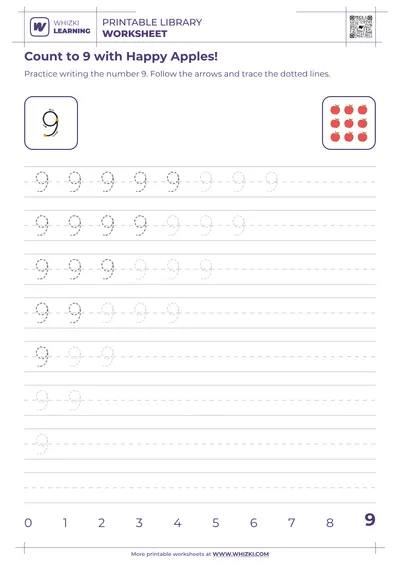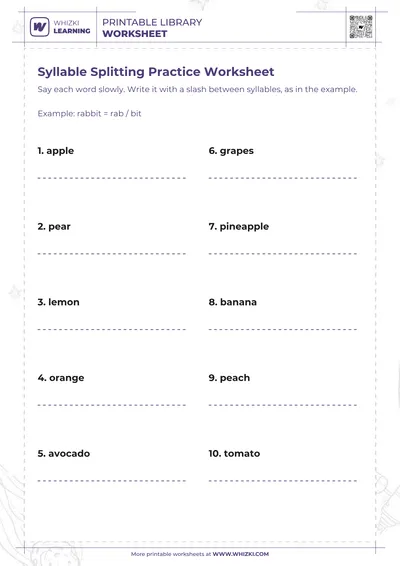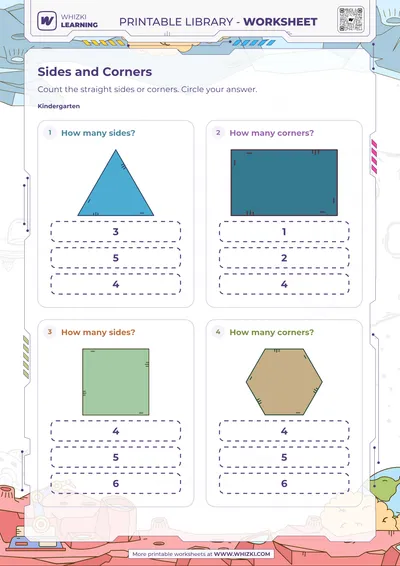
When a child says, “I already did this one,” even though the page is supposed to practice a new skill, the fastest next step is to circle the repeated picture and ask, “What is the job of this page?” Repeated art can make a fresh tracing, matching, or sorting task feel copied at the kitchen table. Parents and teachers are not being picky when the same apple or bear keeps showing up across a pack.
Reviewed by Whizki Editorial Team, Early Childhood Education Editors.
What changed in the pipeline
The premium worksheet pipeline now checks picture choices across a generated pack and reduces same-icon repetition when another correct picture is available. The documented change does not promise a different drawing on every page, because some early skills have a narrow set of clear pictures. The design goal is simple: a page that teaches a new job should look new enough for a young child to notice the new job.
The Orton-Gillingham approach reminds me that young children learn best when the visual cue, sound, movement, and spoken word point toward the same skill. A picture should help a child hear /b/ in bear, count three buttons, or notice a left-to-right path. A repeated picture can steal attention from the skill when the child starts treating the whole page as a rerun.
The pipeline change grew out of a real production constraint, not a claim about perfect art. Random image selection was fast, but random choice can pick the same icon again and again. The newer check adds memory within the pack, so later generated pages avoid a recently used icon when the skill rules still allow a good substitute.
Why repeated art feels copied to young children
A preschool worksheet can feel copied when the dog, apple, or star repeats across activities that ask for different thinking. A child age 3 to 7 often reads the picture before the directions, especially before fluent reading develops. The picture becomes the first clue about whether the page is new, familiar, boring, or worth trying.
NAEYC guidance on developmentally appropriate practice keeps the focus on meaningful, visible differences for young learners. Reggio-inspired observation says the adult should watch what the child notices before deciding what the child understands. A child who points to the same icon and says, “again,” may be noticing the art pattern rather than refusing the learning task.
Occupational-therapy basics also matter here because visual discrimination is work for small eyes and busy bodies. A page with repeated icons can ask the child to ignore a strong visual match while hunting for a weaker skill difference. The earlier previous field notes guide explains a similar print-review habit: look at the page the way a tired child might see the page, not the way the adult planned the page.
Why random selection was not enough
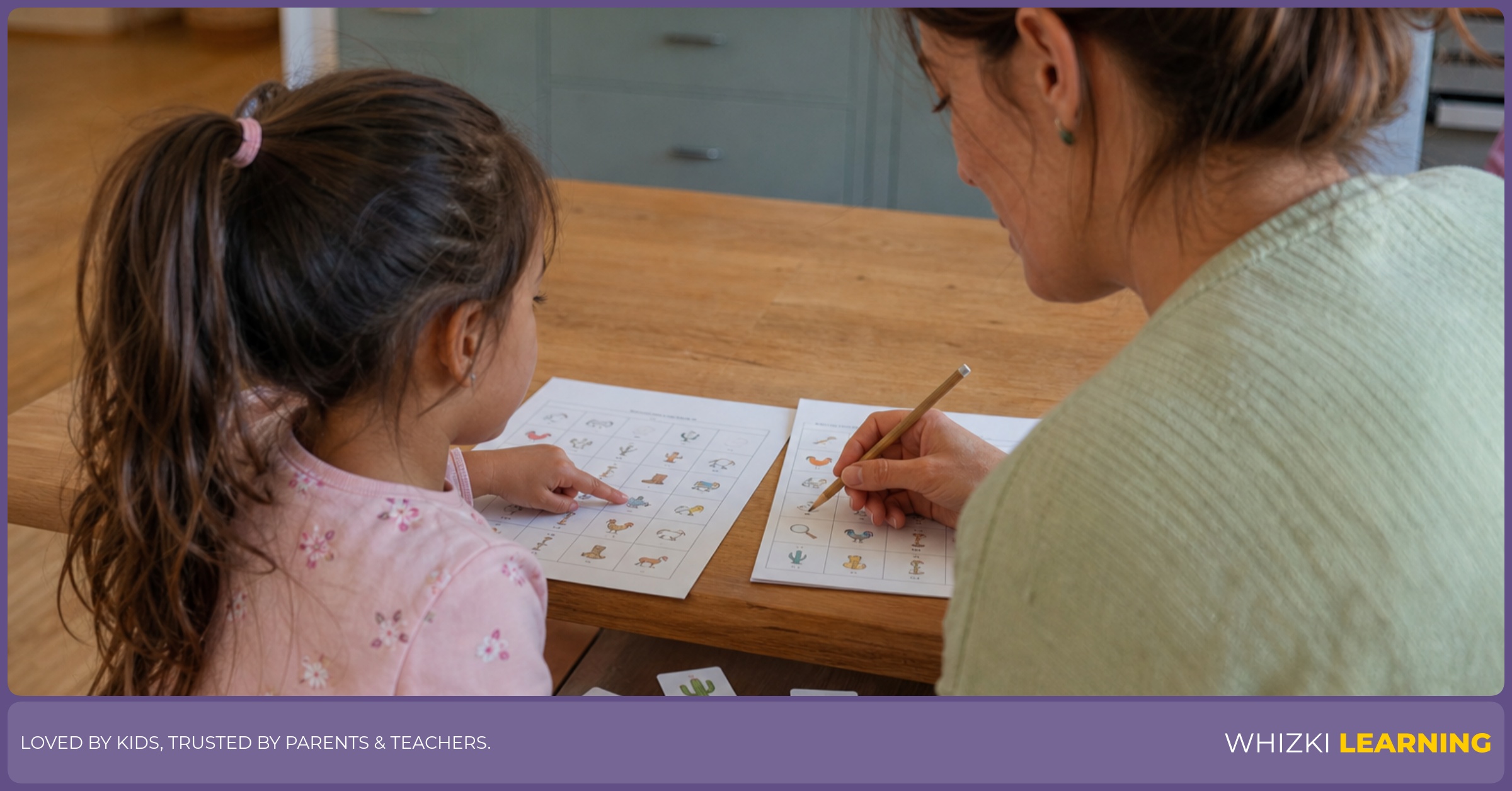
Random selection sounds fair, but random selection does not remember the last page the child saw. A picture bank with ten good icons can still serve the same kite twice in a row. The worksheet may be technically correct, yet the pack can feel repetitive because the young child sees the artwork before the skill.
Montessori and Reggio classrooms both teach adults to prepare the environment with intention, then observe the child’s response. A printable pack is a small prepared environment on paper. The picture sequence needs enough variety to help the child approach matching, tracing, counting, or sound work as a fresh invitation.
Speech-language pathology practice also gives a useful lens because picture choice affects naming, sound cues, and vocabulary load. A clear picture is better than a fancy picture, but the same clear picture across different pages can blur the purpose. The new selection check favors a different clear picture over a repeated clear picture when the choice does not distort the target skill.
What changed, and what did not
The documented change affects future generated packs in the premium pipeline. The change does not rewrite legacy database records that were already stored, because old records need to stay stable for families, teachers, and homeschoolers who return to saved materials. A stored worksheet record is like a printed folder in a classroom cabinet: the record should not quietly change after an adult has planned around the record.
NAEYC-aligned planning values predictable materials for adults as well as children. A kindergarten teacher might have already paired an older printable with a small-group routine, or a homeschool parent might have written notes beside a saved pack. Changing legacy records would create confusion even if the art variety improved.
The printable library may include a mix of older saved materials and newer generated packs, depending on when a printable was made. The honest limit is that a system change can improve future output without making every older page look newly designed. The review habit remains useful because adults still know the child in front of them best.
A five-minute check to try today
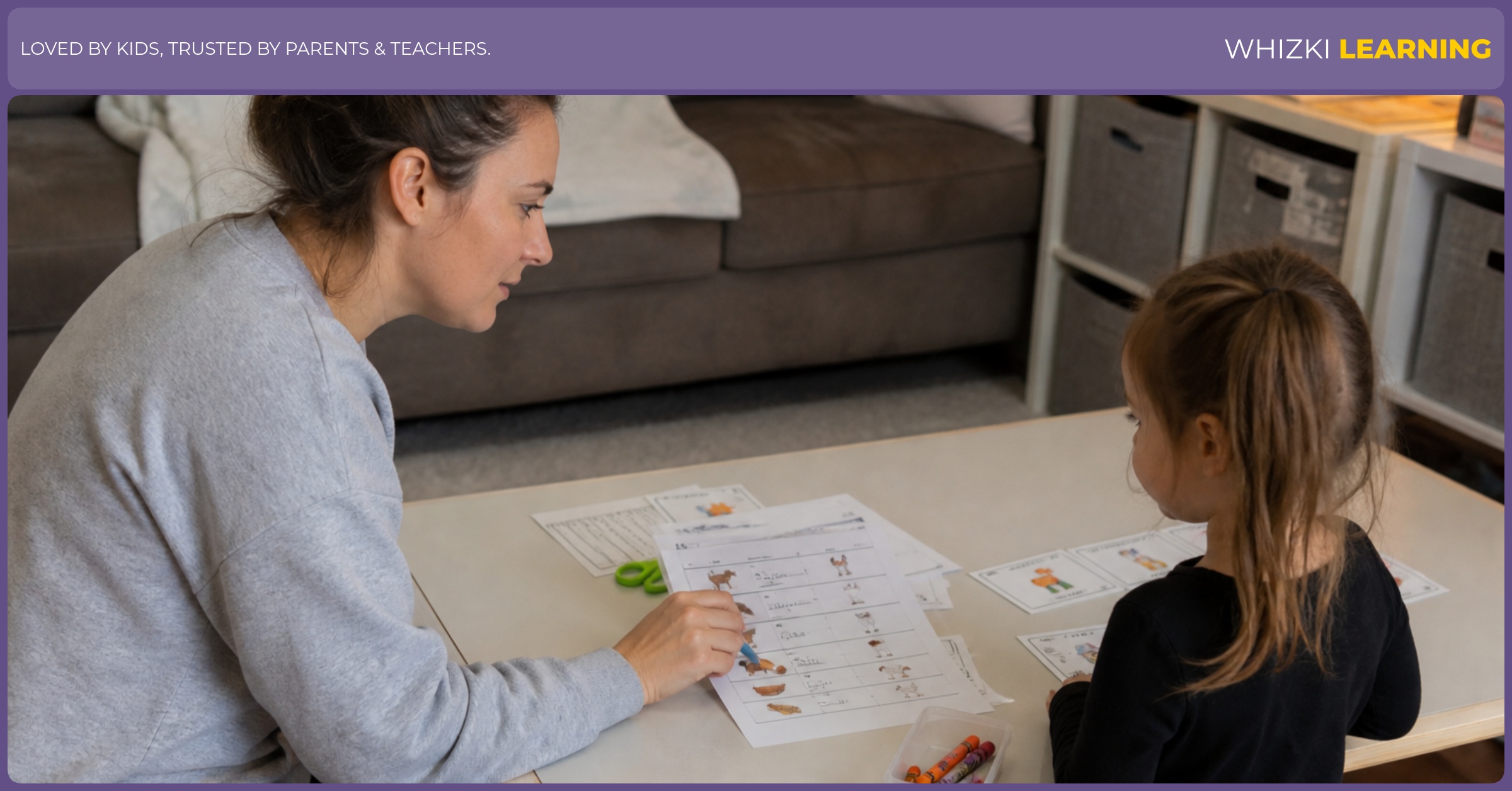
A five-minute picture check can help before a worksheet becomes a battle. Gather two or three pages, a pencil, and one sticky note. Put the pages side by side and ask the child to point to any picture that looks familiar before the adult reads the directions.
The occupational-therapy habit here is to reduce visual confusion before asking for fine-motor effort. For age 3 or 4, the adult can say, “Same picture or different picture?” and stop after one page. For age 5 to 7, the adult can ask, “What is the job on each page?” and mark whether the repeated picture changes the child’s answer.
The Orton-Gillingham habit here is to name the target skill out loud and pair the spoken cue with touch or movement. If the same turtle appears on a tracing page and a beginning-sound page, the adult can say, “This page is for pencil path, and this page is for /t/.” The adult can cover the picture for a moment if the picture keeps pulling the child away from the skill.
For fresh practice, the worksheet set page groups related printable packs for early literacy, numbers, and fine-motor work. A printable pack is a practice tool, so the best fit is still the page that matches today’s child, today’s time, and today’s attention span.
The picture-repeat change is one small design choice with a very practical aim: help distinct skills feel distinct to young children. The next time a worksheet feels stale, the adult can check the art before blaming the child’s effort. A fresh picture will not solve every big feeling, but a clearer page can remove one avoidable friction point.