After school, at the kitchen table, a five-minute letter practice can turn into a lost pencil, a tired child, and an adult wondering whether any practice counted, so choose one tiny skill, write down what actually happens, and look back before planning again. A simple plan-record-review loop keeps home practice, homeschool planning, home education, and small-group classroom support grounded in real moments instead of wishful charts.
Reviewed by Marcus Rivera, M.Ed., Kindergarten Teacher, 12 years.
What the plan-record-review loop does
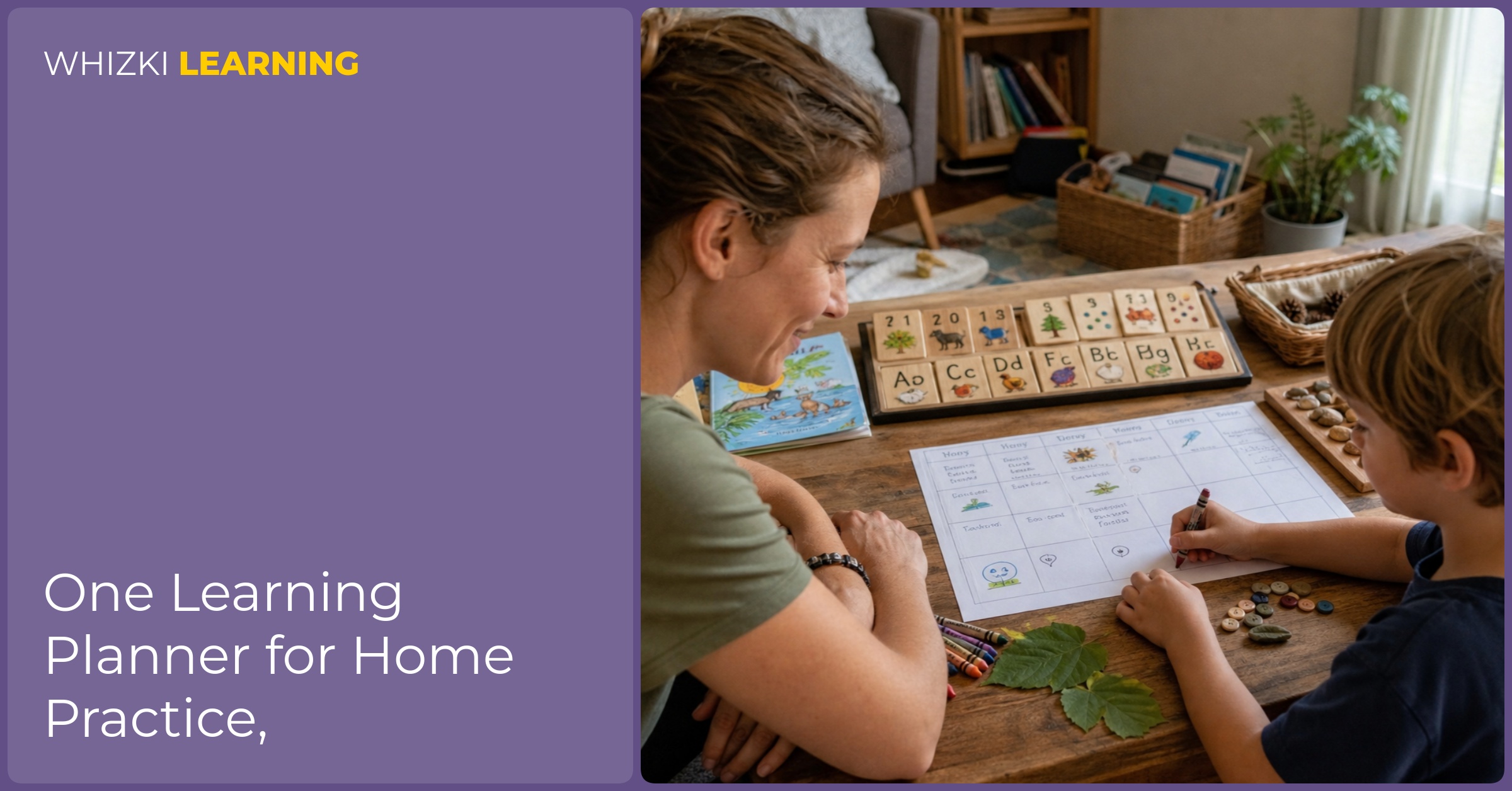
The learning planner has one main job: help the adult choose what to try, record what actually happened, and review the useful record before choosing again. The loop works because early learning is messy, physical, social, and tied to mood, sleep, hunger, and interest.
The adult begins by choosing one small try, such as naming the /m/ sound, counting five snack pieces, tracing a curved line, or retelling one page from a picture book. The adult records the real attempt in plain words, including what helped, what got skipped, and what surprised the child.
NAEYC guidance reminds teachers and families that young children learn through play, relationships, and active practice, so the planner should not turn a preschool or kindergarten day into a checklist race. Reggio-inspired observation also helps adults notice what the child is showing through action, language, drawing, movement, and questions.
The adult manages the planner, and children ages 3 to 7 do not create accounts or sign in. The child role is to play, practice, talk, draw, build, move, and show learning in age-appropriate ways while the adult keeps the note-taking simple.
Scenario one: home practice after school
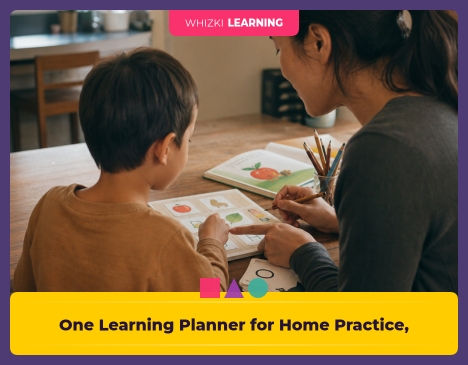
A parent practicing at home after school usually needs a plan that respects low energy, dinner noise, and a child who has already worked hard all day. Home practice is not homeschool, and after-school learning at home works best when the adult chooses a tiny target instead of trying to repeat the whole school day.
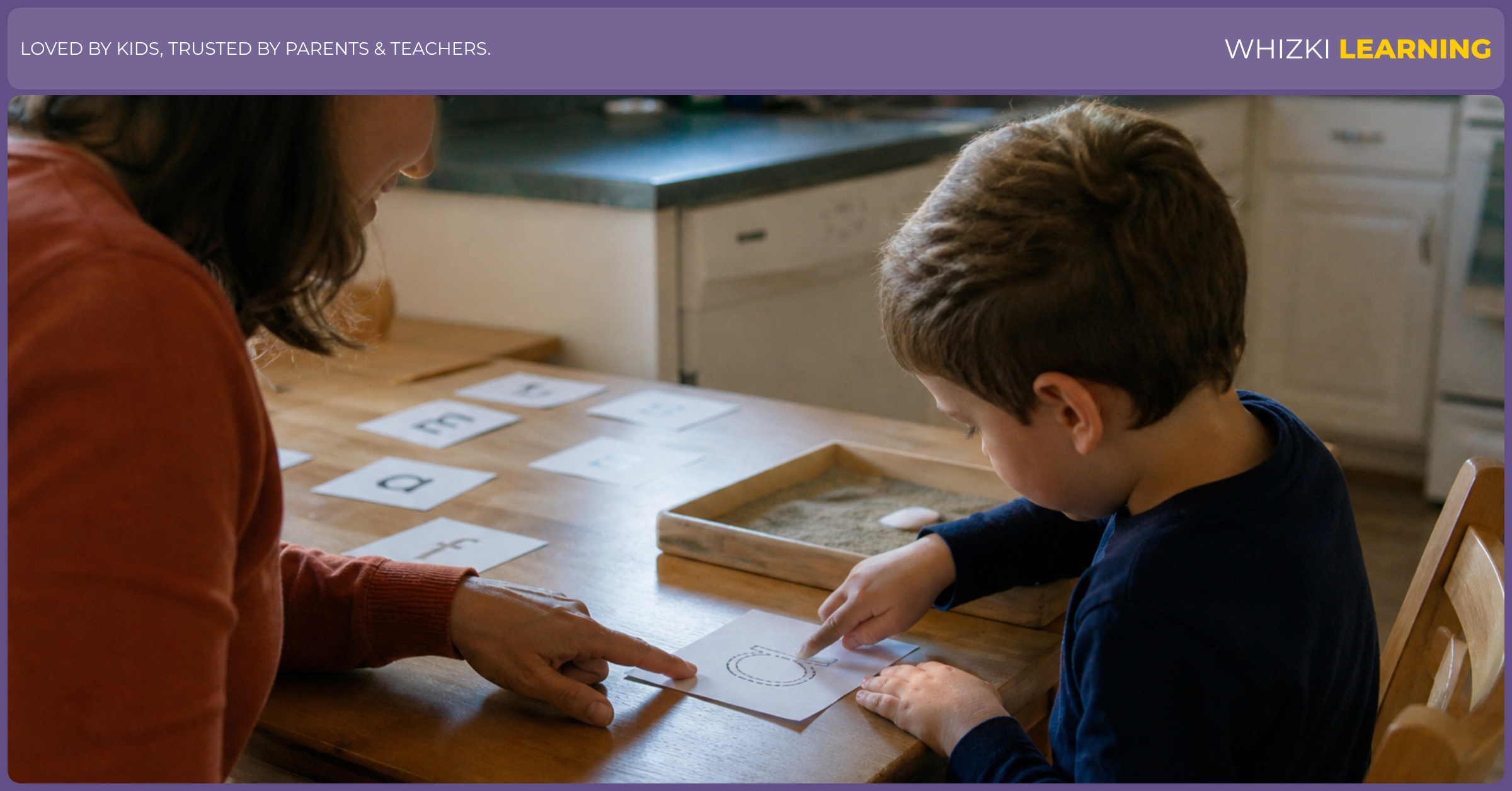
The parent might choose one Orton-Gillingham style sound practice, such as saying /s/, tracing the letter in sand, and finding two objects that begin with the sound. The multisensory part matters because many young children remember better when the mouth, hand, eye, and ear work together.
The parent records what actually happened, such as “The child traced s three times after snack, mixed up s and f, and smiled when the snake toy came out.” The useful record can include the child’s words, the adult prompt, the time of day, and the moment when attention faded.
The parent reviews the note before the next practice and changes the size of the task, the place, or the material. Occupational-therapy basics often point adults toward posture, pencil grip, table height, and movement breaks, so a next step might be standing at the counter, using a thicker crayon, or doing two minutes outside before paper work.
Scenario two: homeschool or home education week
A homeschool family may use the same loop to plan a week, while a family that says home education or learning at home may use the same routine without taking on a label that does not fit. The context changes because the adult is planning more of the learning rhythm, but the loop still stays small enough to be honest.
The adult might choose a few weekly tries, such as clapping syllables during read-aloud, sorting nature objects by color, counting napkins at lunch, and drawing a story map. Montessori and Reggio practice both remind adults to prepare inviting materials and then watch closely before adding more instruction.
The adult records the week as a useful family learning note, including the child’s interests, skipped plans, hard moments, and unexpected wins. The planner record is not official attendance, not a transcript, not proof of compliance, and not legal advice.
The adult reviews the week by asking which activities led to talk, persistence, independence, or better understanding. The next plan can repeat a strong activity, shrink a frustrating activity, or follow a child question, such as turning a backyard snail discovery into drawing, counting, vocabulary, and a library book.
Scenario three: small-group classroom support
A teacher or caregiver supporting a small group has a different challenge because several children bring different skills, language needs, and attention spans to the same table. Classroom support should not pretend to be home education, but the adult can still use choose, record, and review as the basic rhythm.
The teacher might choose one small-group target, such as identifying rhyming words, counting objects to six, naming feelings in a story, or practicing scissor snips on scrap paper. Speech-language pathology practice often uses model, wait, and respond, so the adult can plan a clear model and then leave room for each child’s attempt.
The teacher records brief notes after the group, such as “Ava heard cat and hat, Leo copied the clap pattern, Sam needed a picture choice, and the group stayed with the game for six minutes.” The adult-managed record keeps the focus on instruction and observation, and children do not need accounts or sign-ins.
The teacher reviews the record to decide whether to repeat the activity, change materials, split the group, or send a short practice idea home. NAEYC-aligned classroom practice values developmentally appropriate decisions, so the planner should help the adult respond to children rather than push every child through the same pace.
What changes and what stays consistent
The context changes the adult role, the time available, the number of children, and the kind of note that feels useful. A parent after school may need two lines, a homeschool family may need a weekly view, and a teacher may need quick group notes tied to a classroom routine.
The loop stays consistent: choose what to try, record what actually happened, and review the useful record. Orton-Gillingham practice, Reggio observation, Montessori preparation, occupational-therapy heuristics, and NAEYC guidance all point toward responsive teaching that starts with the child in front of the adult.
The useful record should help the adult make a better next choice, not create pressure or performance theater. For fresh activity ideas without rebuilding every plan, families and teachers can browse the Learning Hub and pick one idea that fits the child, the setting, and the day.
The planner belongs to the adult in every setting, whether the adult is a parent, caregiver, preschool teacher, kindergarten teacher, or home education guide. Children can help choose a book, carry counting bears, draw a response, or ask for a favorite game, but the adult handles planning, notes, and review.
When a paper notebook starts feeling scattered, the Whizki family learning planner gives adults a place to choose the next try, record the real attempt, and review patterns over time. The planner is for adult use, and children do not create accounts or sign in.
A simple planner works best when the adult stays honest about real life. The best note may say “too tired after school,” “counting worked at snack,” or “small group needed picture choices,” because those details tell the adult what to try next.
Start with tomorrow, not the whole year. Choose one skill, record the real attempt in plain language, and review the note before adding anything more.