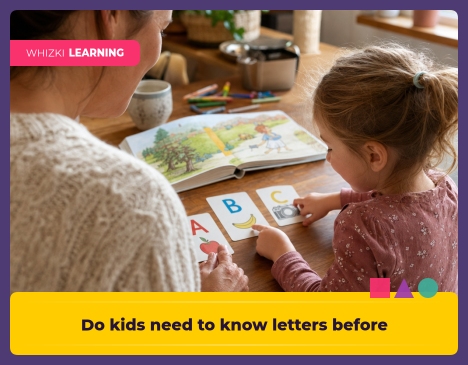
If kindergarten is suddenly two months away and the fridge is covered with camp forms, snack requests, and one guilty alphabet chart, take a breath: your child does not need all 26 letters before school, and tonight's next step is simply to point to the first letter in your child's name and say the sound together.
Reviewed by Whizki Editorial Team, Early Childhood Education Editors.
What kindergarten teachers usually expect
Kindergarten teachers expect a range of letter knowledge, not a room full of children who can all name every uppercase and lowercase letter on the first day. NAEYC guidance reminds early-childhood teachers to meet children where development, language, and prior experience actually are. A teacher may notice which letters a child knows, then plan small-group practice from that starting point.
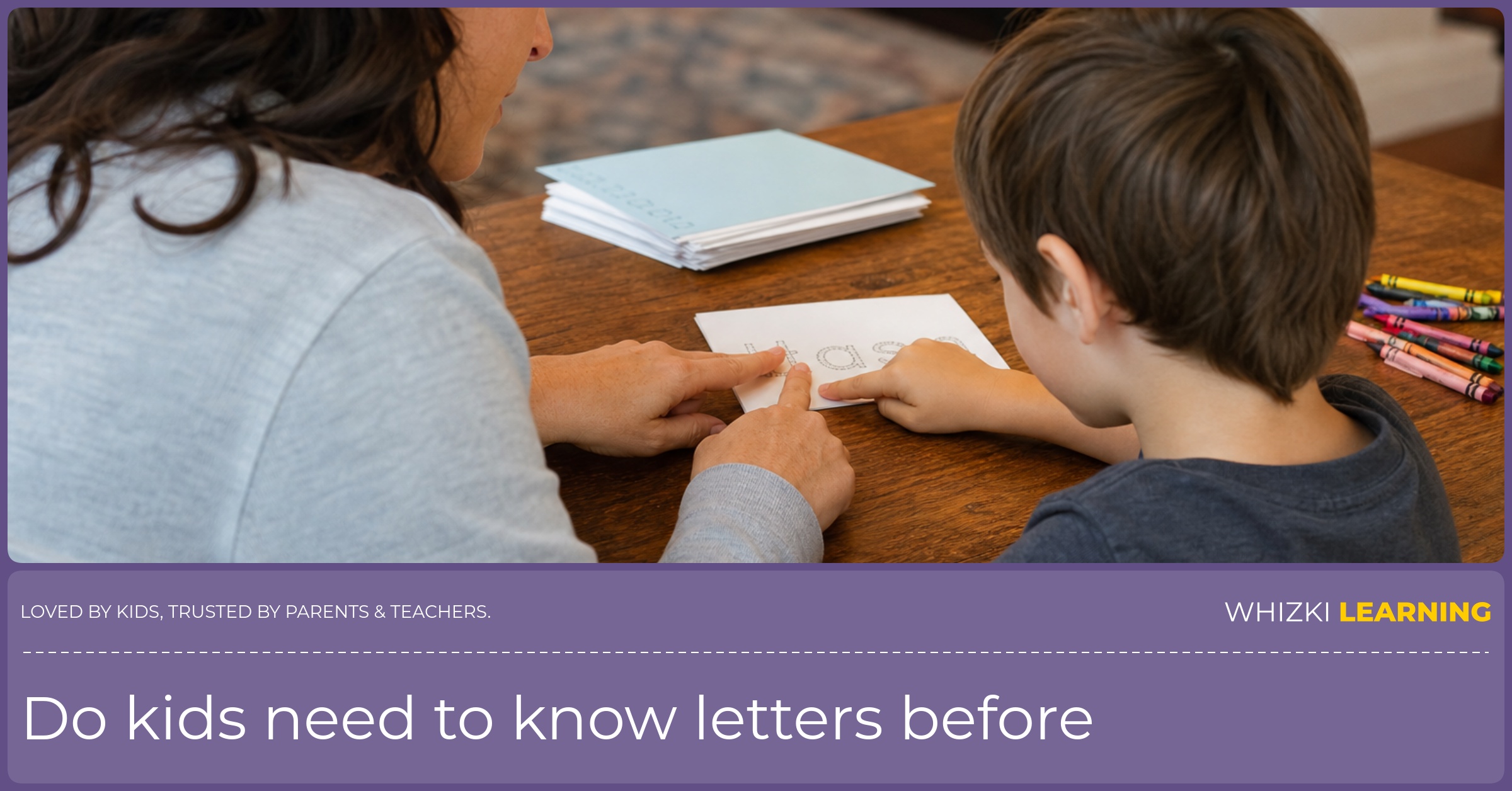
Name letters matter most because a child's name is familiar, emotional, and useful in the classroom. A child who can notice the first letter in a name, find a cubby label, or recognize a friend's name card has a strong beginning. Some letters, especially name letters, are enough for a healthy start.
A child who enters kindergarten knowing only a handful of letters is still very teachable. Kindergarten teachers usually assess letter names, letter sounds, rhyming, counting, pencil grip, and social routines across the first weeks. The first week of kindergarten is not a final exam on the alphabet.
What matters more than knowing all 26 letters
Oral language matters because reading grows from listening, speaking, and playing with sounds. Speech-language pathology practice often starts with hearing words, clapping syllables, noticing rhymes, and answering simple questions before print work gets heavy. A child who can tell a short story about a picture is building a base for later decoding.
Self-care matters because kindergarten days ask children to manage bodies as well as books. Occupational-therapy basics point to zipping, opening lunch containers, washing hands, using the bathroom, and holding a crayon without pain as real school-readiness skills. A child who can ask for help and try again is using important classroom muscles.
Attention matters because kindergarten learning happens in short bursts of listening, moving, waiting, and joining back in. Reggio and Montessori observation both value watching how a child engages with materials, choices, and peers before rushing to a paper score. Parents who want a broader checklist can use the readiness skills that matter most as a calmer guide.
A no-pressure summer letter routine
The Orton-Gillingham approach is a helpful model because young children learn best when eyes, ears, voice, and hands work together. A summer letter moment can be multisensory without becoming a lesson plan. For a clear home base, the alphabet learning hub gives families a place to choose one letter at a time.
A five-minute routine is enough for most children ages 3 to 7. The parent can show the name card, say one letter sound, trace the letter with a finger, hunt for the letter on a cereal box, and stop while the child still feels successful. Short practice protects the child's interest better than a long push.
Summer practice should follow meaning before order. A child named Maya may care about M long before Q, and a child who loves dinosaurs may be ready for D because the sound has a reason. Letter learning sticks when the letter belongs to a person, pet, snack, street sign, or favorite book.
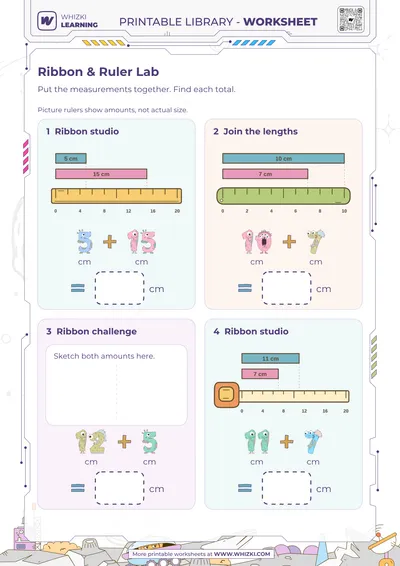
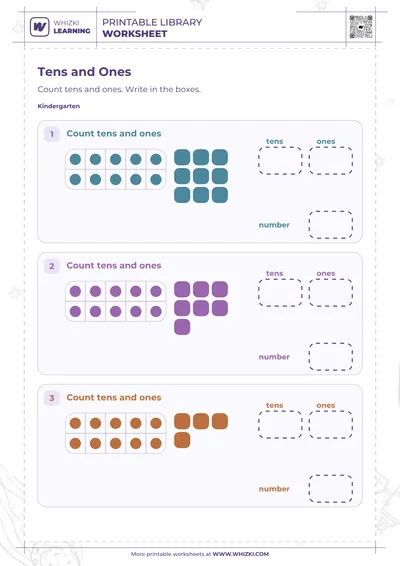
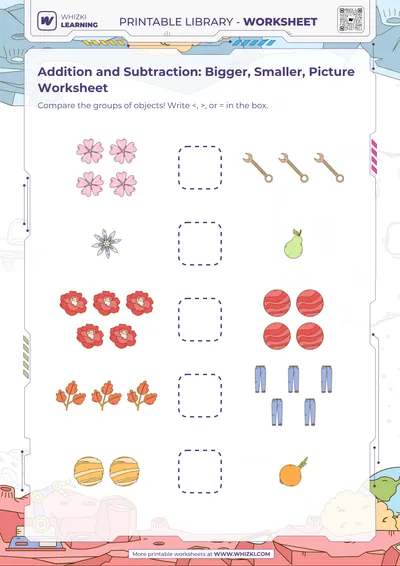
A simple printable can make the five-minute routine easier because the page gives one place for tracing, coloring, and saying the sound. I keep a few choices from our printable library near crayons so practice can stay quick, hands-on, and optional.
When a child resists letter practice
Letter resistance often means the activity is too long, too hard, too still, or too separate from play. NAEYC-aligned practice favors joyful, age-appropriate experiences over pressure, especially for preschoolers and new kindergarteners. A parent can switch from a worksheet to sidewalk chalk, bath letters, play dough, or a book hunt.
Occupational-therapy heuristics can help parents notice whether the hand task is the problem. A child may know the letter sound but dislike writing because the pencil is slippery, the chair is too big, or the page has tiny spaces. Bigger paper, broken crayons, vertical easel work, and finger tracing often reduce the work of the hand.
Speech-language practice can help parents separate letter names from sound awareness. A child may not name B yet but can hear that ball and baby start alike, which is a useful pre-reading skill. A parent should ask a pediatrician, teacher, speech-language pathologist, or occupational therapist when hearing, vision, speech clarity, hand pain, or extreme avoidance keeps showing up across everyday routines.
A simple ready-enough check before school
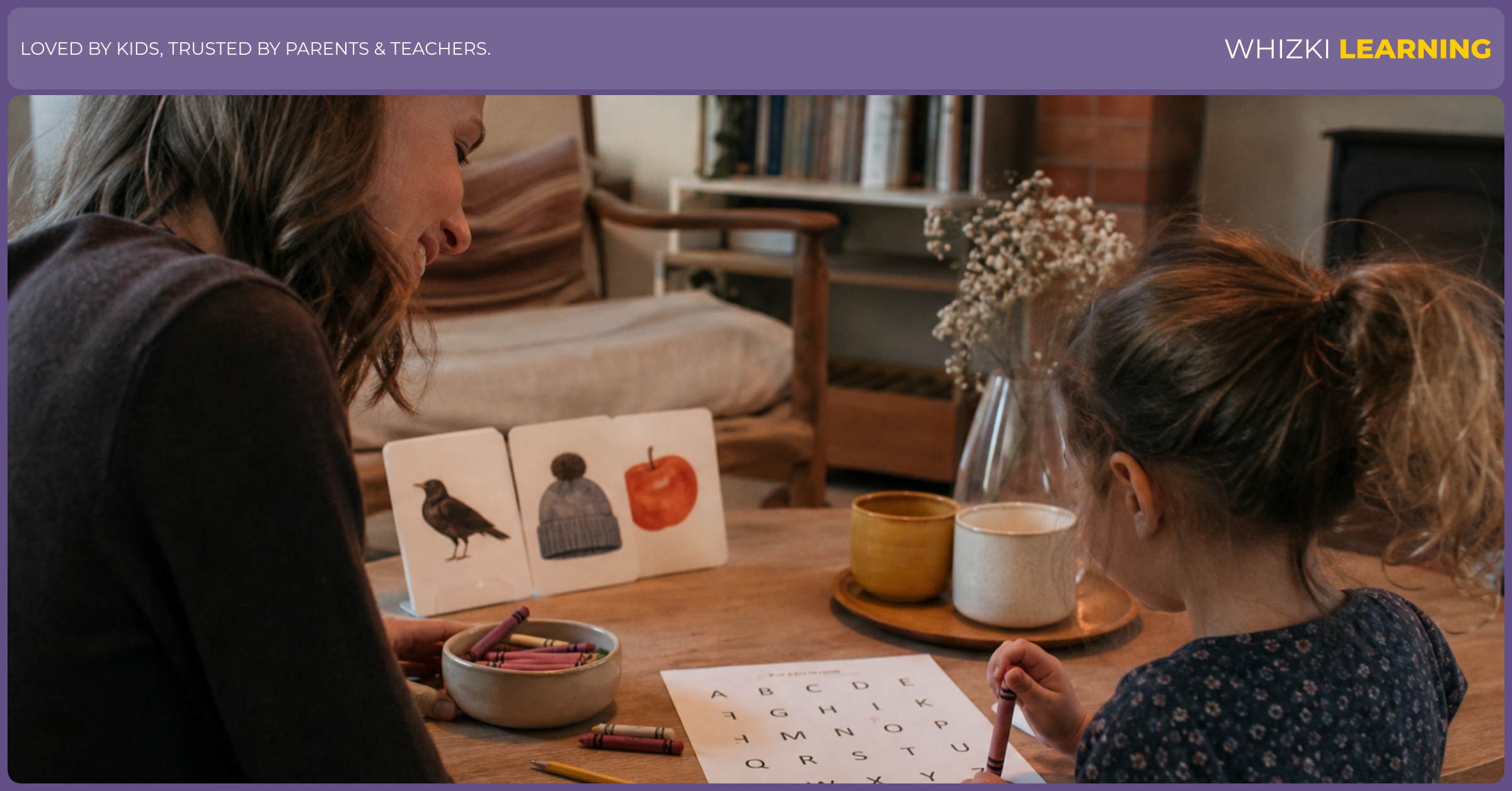
A Reggio-inspired check starts with observation rather than drilling. Watch whether the child notices signs, asks about words, pretends to write, enjoys being read to, or recognizes letters from a name. Those behaviors show print awareness even when the child cannot recite the alphabet song perfectly.
A practical ready-enough check can stay gentle and brief. A child is on a good path when the child can recognize a few meaningful letters, listen to a short book, speak in sentences or phrases, follow a simple direction, manage basic self-care with reminders, and recover from small mistakes with adult support. Kindergarten teachers build from that kind of foundation every year.
Alphabet confidence grows through steady exposure, not panic practice. A parent can read aloud daily, talk during errands, sing rhymes in the car, label a few household items, and let the child sign drawings with any marks the child can make. The goal before kindergarten is curiosity and comfort with print, not perfection.
Kindergarten readiness is a doorway, not a race to finish every letter before August. If you want a gentle note like this each week, join our weekly newsletter.