If preschool sight words have turned into a tiny kitchen-table battle, start with five friendly cards today, read each card once, and stop while the child still feels successful. Preschoolers do best with short, warm practice that feels predictable, because early reading grows from many small wins. The first 40 words below give parents and teachers a simple path without turning a four-year-old into a worksheet machine.
Reviewed by Whizki Editorial Team, Early Childhood Education Editors.
What preschool sight words are
Preschool sight words are high-frequency words that show up again and again in early books, name charts, simple sentences, and classroom labels. A child may learn some words by memory, and a child should still hear the sounds inside words whenever the sounds are regular enough to teach. The goal is quick recognition plus growing phonics sense, not guessing from the first letter.
NAEYC guidance keeps early literacy playful, social, and meaningful for young children, so sight-word practice works best in tiny doses with real reading nearby. The Orton-Gillingham approach also reminds teachers to use eyes, ears, voices, and hands together, especially when a child is still building letter-sound habits. Families who want ready-to-print cards can start with our sight-words printables and keep practice short.
The first 40 preschool sight words in teaching order
The first 40 preschool sight words below follow the Dolch pre-primer core, arranged in a teaching order that starts with short, useful words and then adds action words, color words, and question words. The order is practical for home and preschool because early words can make tiny sentences right away. A child can read a card, point to the word in a book, or build a two-word phrase with magnetic letters.
In Orton-Gillingham lessons, the teacher does not rush a whole stack of cards just because the list exists. The teacher introduces a small set, reviews old words, and watches the child’s mouth, eyes, and hands for signs of real recognition. The first five words can take a full week, and that pace is still good teaching.
- a
- I
- the
- to
- and
- is
- in
- it
- you
- me
- my
- we
- can
- go
- see
- look
- come
- here
- play
- run
- jump
- help
- make
- find
- away
- down
- up
- not
- for
- said
- where
- big
- little
- one
- two
- three
- red
- blue
- yellow
- funny
A two-minute daily routine that actually gets done
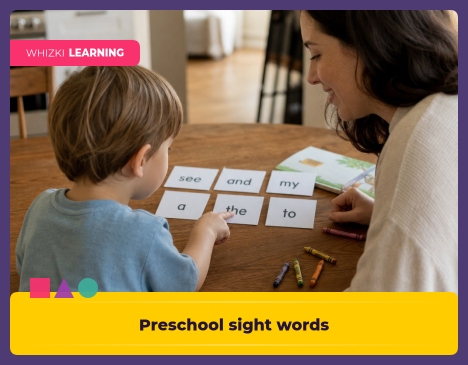
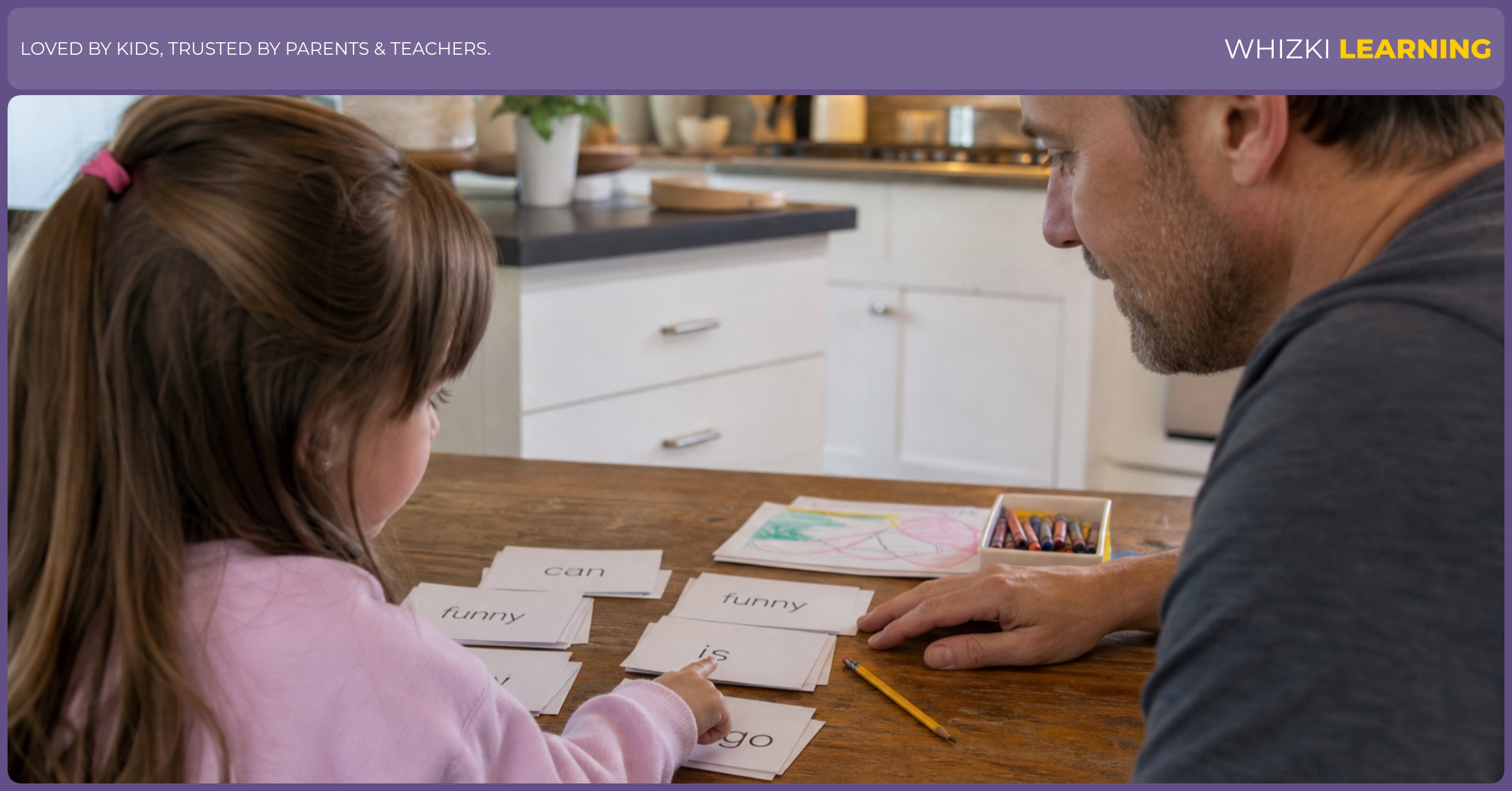
The two-minute sight-word routine starts with five cards, not the full stack. The adult points to the first card, says the word clearly, and asks the child to say the word while touching the card. The adult reads a tiny sentence with one target word, such as “I go,” and the child gets one calm turn to read the same sentence.
Occupational-therapy basics help the routine stay comfortable because young hands and bodies often need movement before focus. The child can tap the word with one finger, trace the word in the air, or place a small block beside each card after reading. Speech-language practice also favors clear modeling, so the adult should say the word before asking for a response when the word is new.
Minute one: review three known cards and two new cards with a steady voice. Minute two: read one tiny phrase, celebrate one real effort, and put the cards away. Printable pages such as daily flashcard pages make the routine easier because the cards are ready before the child sits down.
The premium sight-word worksheet set in our worksheet sets pairs flashcards with tracing, matching, and quick review pages for preschool and kindergarten practice. The complete pack lives in Plus for families who want the whole set in one place.
Flashcard printables without flashcard pressure
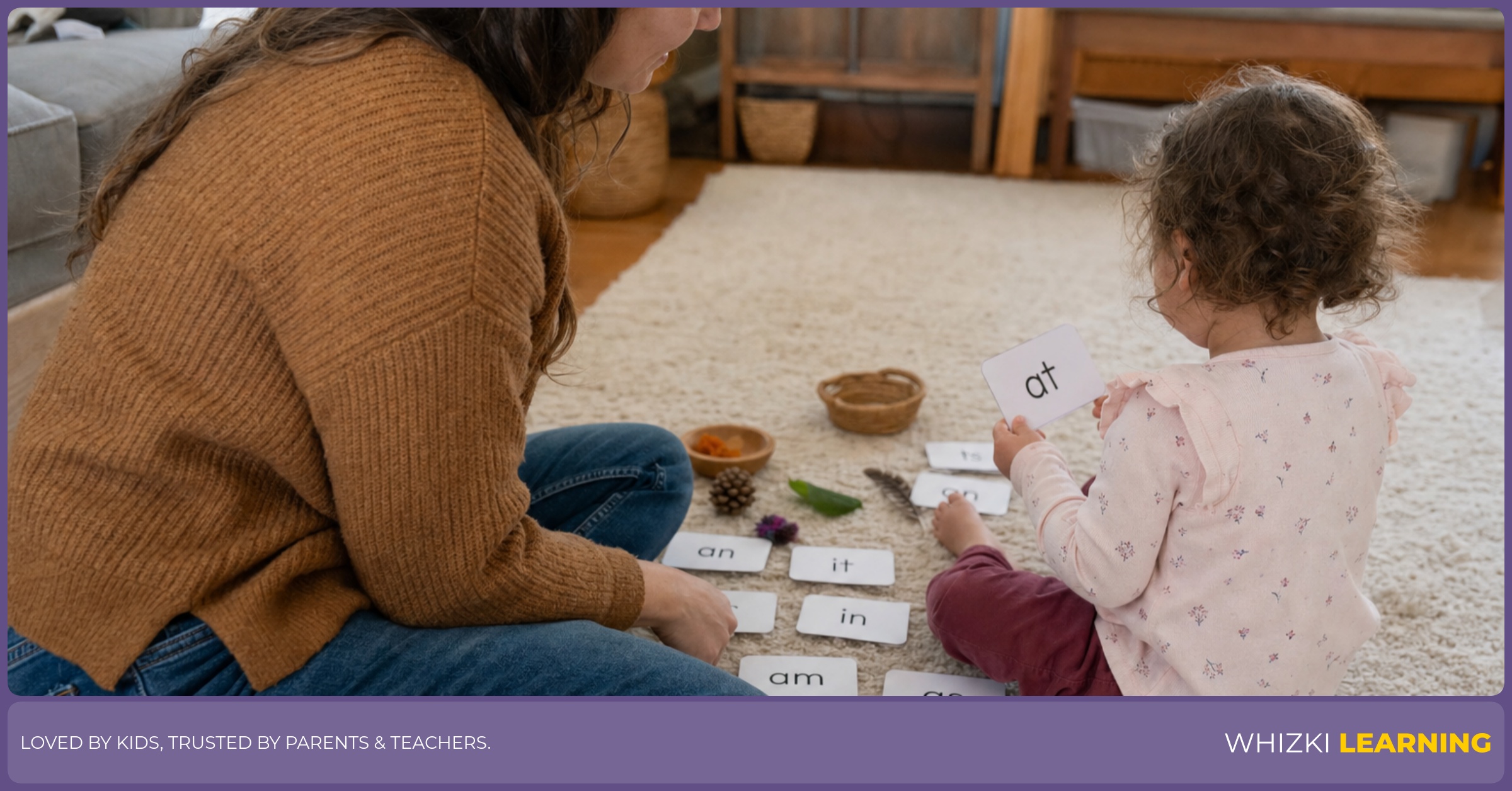
Flashcards work best when the adult treats each card as a reading tool, not a speed test. Reggio-inspired teaching asks adults to observe what the child notices, so the parent can watch whether the child studies the whole word, the first letter, or the picture nearby. Montessori practice also values hands-on control, so the child can choose three cards to read and then place each card in a small basket.
Preschool sight-word printables should be clear, uncluttered, and easy to hold. A good card has one word, enough white space, and a font that does not confuse letters such as lowercase a and g. For off-screen practice, matching and read-color printables let a child touch, sort, mark, and reread the same word in more than one way.
The best flashcard game in my classroom was always the quietest one. The child read a card, hid the card under a small toy, and read the card again when the toy “found” the word. The game gave the child repetition without the adult saying, “Again,” every ten seconds.
When to move on, pause, or ask for help
A child is ready for the next small set when the child reads most current cards across several days, in more than one place, and without heavy prompting. NAEYC guidance supports flexible pacing because young children develop unevenly across language, attention, motor control, and confidence. A child who reads three words happily is building a better foundation than a child who cries through twenty cards.
A pause is wise when the child starts guessing wildly, rubbing eyes, sliding off the chair, or refusing before the routine begins. Occupational-therapy classroom practice often uses a simple body check first, because hunger, fatigue, wiggly muscles, or a poor pencil grip can look like reading resistance. A movement break, a snack, or a switch to floor reading may solve the problem faster than another reminder to focus.
A professional check can help when a five- to seven-year-old has had steady exposure to letters and books but still cannot remember a few common words, hear beginning sounds, or recognize the child’s own name in print. A speech-language pathologist, reading specialist, occupational therapist, or pediatrician can help sort out language, vision, hearing, attention, or motor concerns. Families planning ahead can compare preschool practice with the full kindergarten sight words list when the child is ready for a larger bank of words.
Preschool sight words do not need to take over the day. Five cards, two minutes, one warm adult voice, and plenty of story time will carry most young readers farther than a long drill ever will. Keep the list nearby, use printables when prep time is thin, and let the child end practice feeling like reading is something worth coming back to tomorrow.