If the morning pileup starts with a child arguing over who gets dressed first, try a three-minute ordinal routine today: name the first sock, the second sock, and the last shoe as clothing goes on. Ordinal words are position words, so a real routine gives the words a place to land. A small, calm practice works better than a big lesson when breakfast is waiting and a backpack is missing.
Reviewed by Dr. Anna Klein, EdD, Early Childhood Curriculum Specialist.
Use one real routine, not a lesson
The ordinal routine works best when the child already knows the job, such as getting dressed, setting the table, or lining up toy animals. NAEYC guidance keeps early math close to play and daily life because young children understand new words through familiar action. A parent or teacher can say the position word while the child touches, moves, or places the object.
Ordinal language names place in a sequence, while quantity language names how many. Five socks on the floor is a quantity problem, and the sock nearest the bed is the first sock in a line. The contrast matters because many children will say three when the adult asks third, especially when the room feels busy.
The routine needs four household objects, one steady surface, and about three to five minutes. A dresser top, a placemat, or a carpet square gives the child a clear left-to-right path. Families who want a gentle counting refresher can keep the numbers learning hub nearby, but the live routine should stay short.
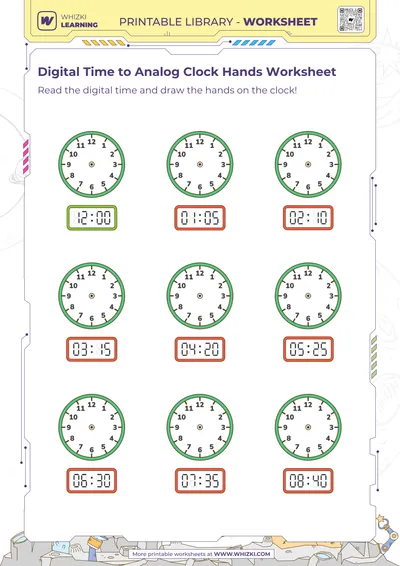
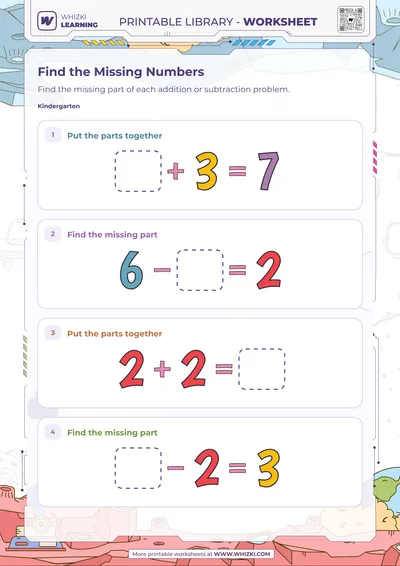
If your child likes a small paper cue, Whizki Learning has number pages and simple printables in the numbers learning hub. A printable can sit near the dresser or table as a reminder, while the real learning still happens through touching, moving, and talking.
Run the five-minute dressed-and-ready routine
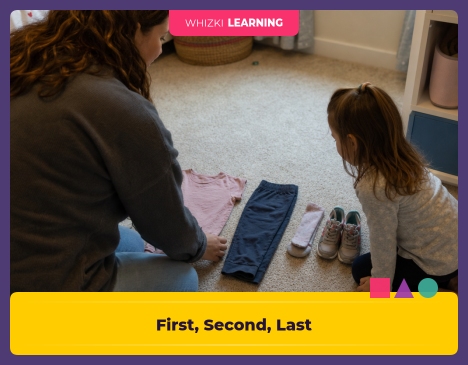
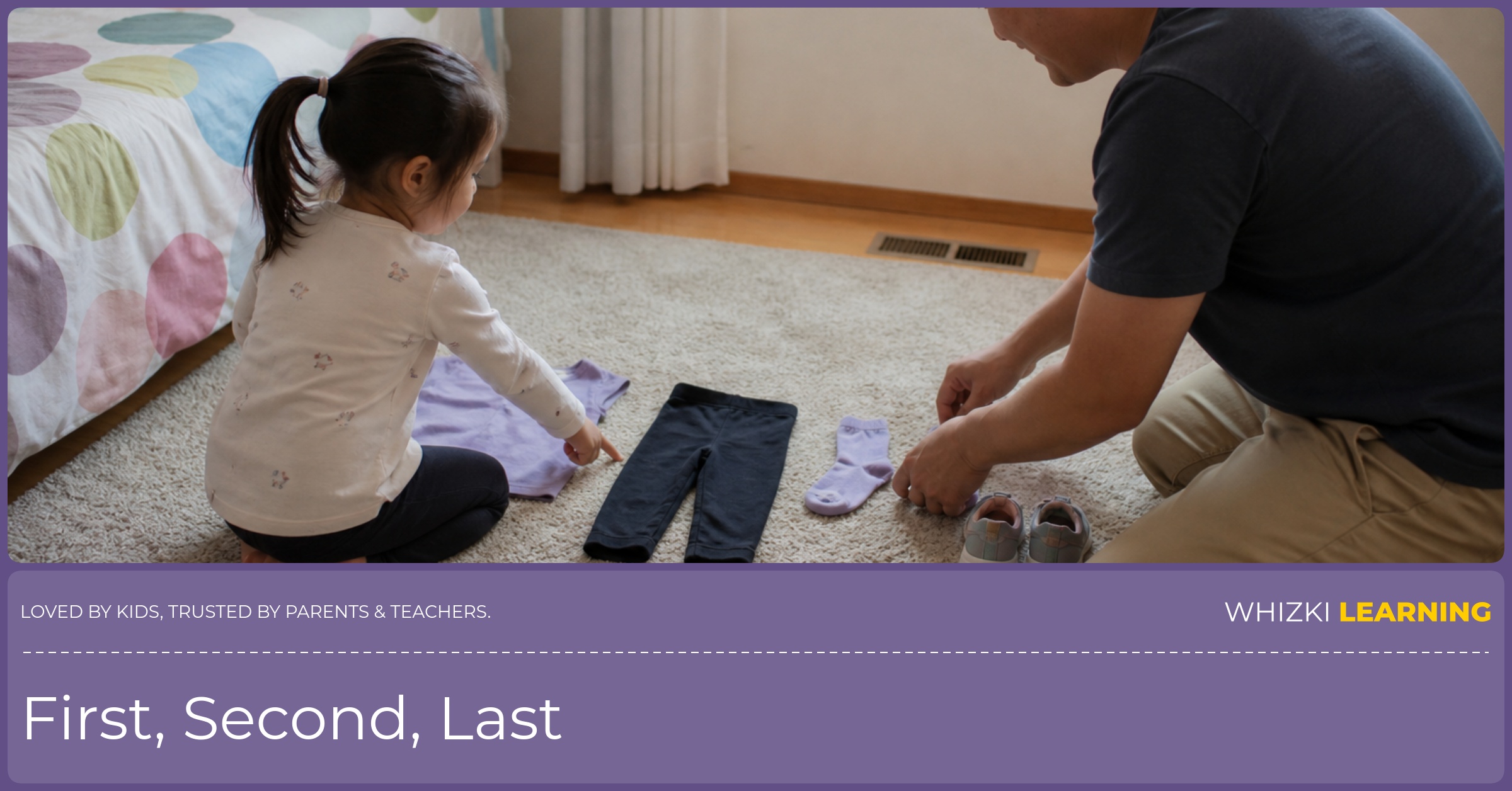
The dressed-and-ready routine starts before the child puts clothing on the body. Place shirt, pants, socks, and shoes in a row from left to right, then touch each item while saying first, second, third, and last. Orton-Gillingham teaching often pairs spoken language with touch and movement, and the same multisensory habit helps position words feel concrete.
The adult can keep the script plain: the shirt is first, the pants are second, the socks are third, and the shoes are last. After the child hears the sequence, the child can dress while the adult narrates one position at a time. The goal is not speed, because the goal is hearing the word while the body does the job.
The contrast with quantity can happen in one quick sentence after the row is built. Say that four clothing items are on the floor, and the socks are third in the row. The child hears how four answers how many, while third answers where.
Add the playful middle-position change
The playful middle-position change turns the routine into a tiny game without adding supplies. Line up five toy animals or five napkins, then point to the middle object and name the middle position. Reggio-inspired observation reminds adults to watch the child’s idea first, so a silly swap can come from the child instead of a script.
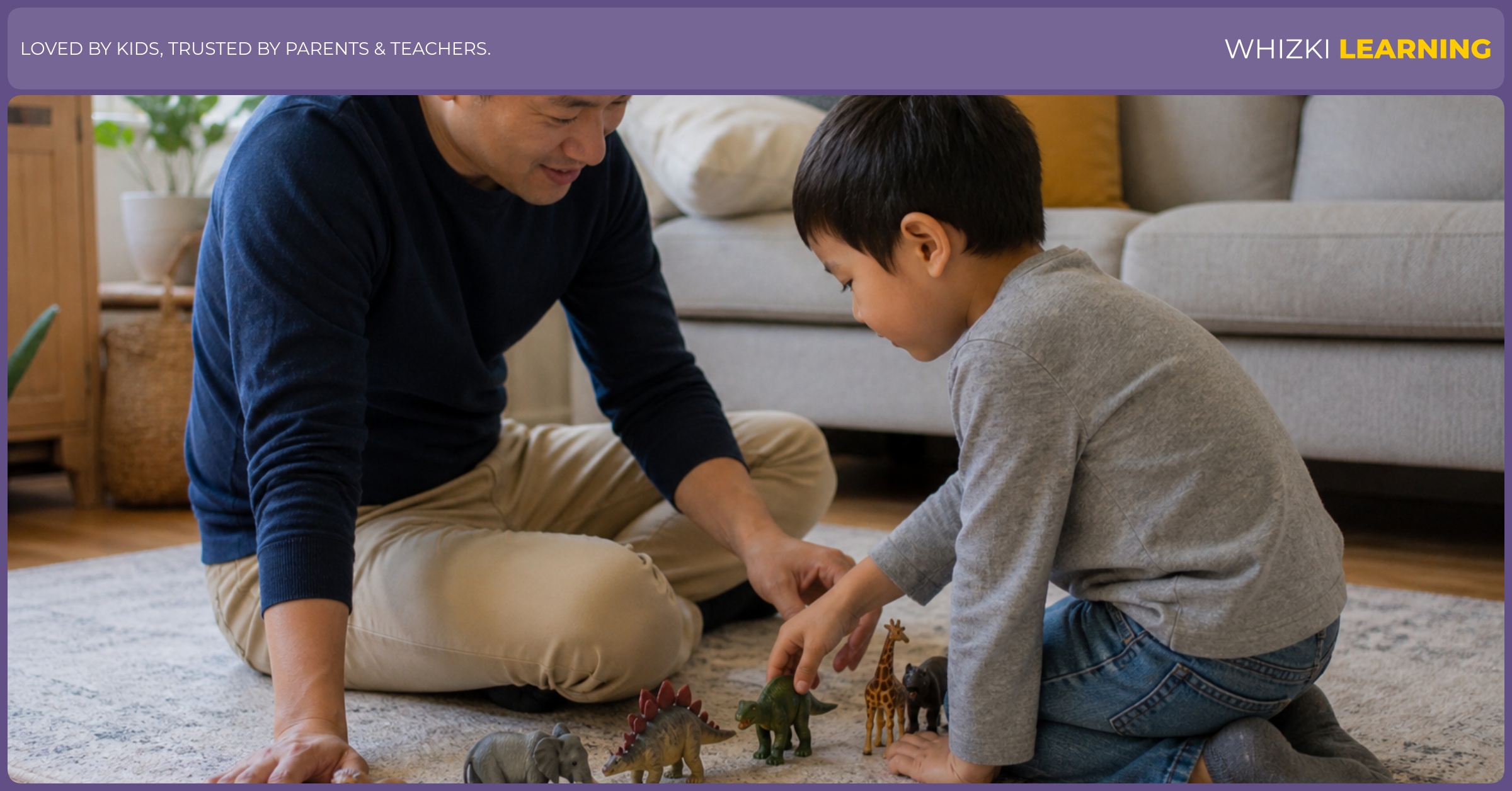
The adult can say that the bear is in the middle, then let the dinosaur jump into the middle spot. Ask what object is in the middle now and whether the dinosaur is third or whether there are three dinosaurs. The question keeps position separate from quantity in a way a preschooler can see.
The middle change also works at the table with forks, cups, or folded napkins. If family math time has already included favorite-choice comparisons, the previous math at home guide can pair nicely with table talk later. The ordinal routine should still stay focused on one line and one change.
Adjust for ages three through seven
The age adjustment should change the number of objects before the adult changes the vocabulary. Occupational-therapy practice often uses a just-right challenge, which means the task should feel possible with a little stretch. For a tired child, the right challenge may be first and last with two shoes.
Children ages three and four usually do well with first, next, and last in a short row. Children ages five and six can handle second, third, and middle with four or five objects. Children age seven can add before, after, and between during a toy lineup, as long as the line stays visible.
The family learning plan can hold the routine so practice does not become another thing to remember at bedtime. A caregiver can jot down dressing on Monday, table-setting on Wednesday, and toys on Friday in the family learning planner. A written note helps adults rotate practice without turning ordinal words into a daily test.
Know the limits and watch the useful signs
The ordinal routine has honest limits, especially during rushed mornings or loud transitions. Speech-language pathology practice values clear, repeated models in meaningful contexts, so a child may need many low-pressure repeats before the words stick. A worksheet can check recognition later, but a worksheet cannot replace hearing and using the words during real movement.
The useful sign is flexible language, not perfect recitation. A child may move the cup to the front and say first, or laugh when the middle toy changes and correct the adult. Those small repairs show that the child is thinking about position rather than chanting a memorized order.
The adult should pause the routine when frustration rises, because ordinal words can wait until the next natural job. A parent or teacher can ask a pediatrician, speech-language pathologist, or occupational therapist for guidance when a child rarely follows simple position directions, seems not to hear everyday language, or loses skills that were once steady. Support should feel practical and specific, not scary.
Ordinal words become easier when the child can see a line, touch each place, and move the middle for fun. Start with one real routine today, keep the count and the position words separate, and stop while the child still feels successful.