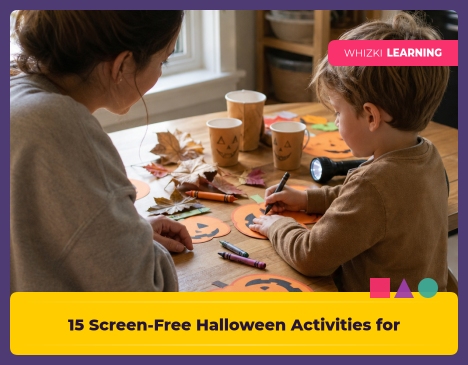
When Halloween energy meets candy talk and screen requests at 5 p.m., put one small tray on the table with paper, crayons, and a flashlight, then choose one activity that can end in 10 minutes. Halloween play does not need a perfect setup, a huge bin of supplies, or a parent with extra patience in reserve. The goal is a short, friendly reset that gives the child something real to touch, move, notice, and talk about.
Reviewed by Whizki Editorial Team, Early Childhood Education Editors.
Set up small screen-free Halloween play
Activity 1: Picture scavenger hunt. The picture scavenger hunt uses a quick page with simple drawings, such as a pumpkin, sock, spoon, leaf, cup, and circle. NAEYC guidance favors play that starts from familiar objects, and the child can point, name, carry, or describe each find without needing to read. Stop after six finds, or invite an older kindergarten child to draw one extra picture for a grown-up to find.
Activity 2: Crayon costume cards. The crayon costume card activity starts with small paper rectangles and a few crayons, then the child adds hats, capes, boots, masks, or silly ears to plain stick figures. Orton-Gillingham teaching often pairs language with hand movement, and the adult can say the first sound in cape, mask, or boot while the child colors. Short crayons work well because occupational therapy basics often use smaller tools to support a more mature pencil grasp.
Activity 3: Cup-stack haunted houses. The cup-stack haunted house activity uses paper cups, sticky notes, or small index cards for doors and windows. Reggio-inspired loose parts play treats ordinary materials as open-ended building pieces, so the child can make a tall tower, a short house, or a row of tiny homes. The cleanup is built into the play because the cups nest together in a few seconds.
Movement and light games for quick resets
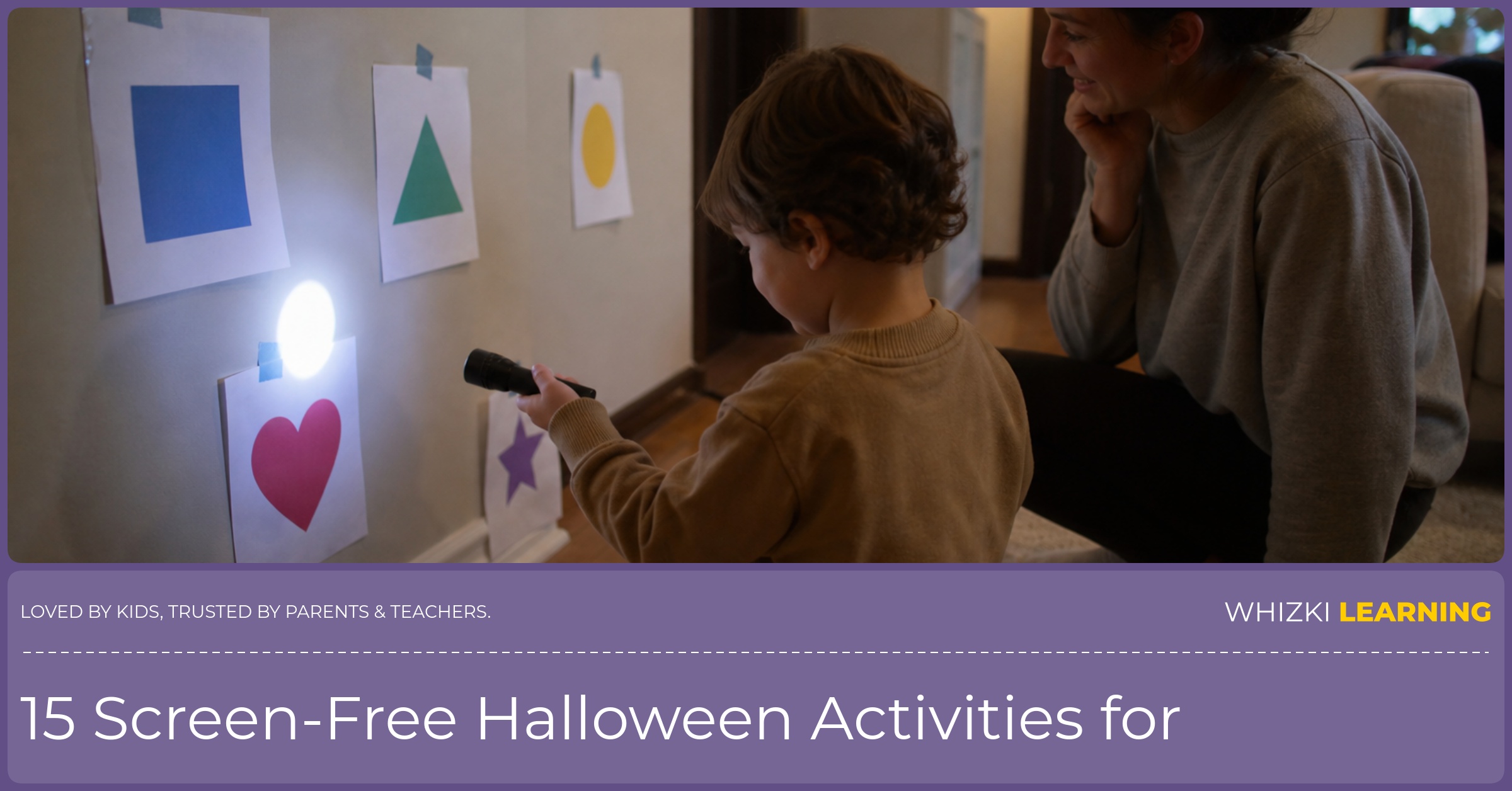
Activity 4: Flashlight shape hunt. The flashlight shape hunt begins with paper circles, squares, triangles, and rectangles taped low on walls or furniture. Occupational therapy basics often start with large visual-motor targets before tiny pencil work, and the child shines the flashlight on a shape while saying the name or matching a crayon drawing. Keep the room bright enough for safe walking, and end the hunt after five shapes if attention is fading.
Activity 5: Monster freeze and creep. The monster freeze movement game needs one grown-up voice and a little floor space. Call out slow creep, tall stretch, tiny tiptoe, pumpkin roll, or quiet freeze, then let the child choose the next move. Heavy-work style movement, used often in occupational therapy routines, can help a busy body get organized without turning the living room into a race track.
Activity 6: Pumpkin path balance walk. The pumpkin path balance walk uses paper pumpkins placed in a line across the floor. Montessori practical-life work values careful movement and self-correction, and the child can step, hop, tiptoe, or carry a cup from one pumpkin to the next. If the path gets too wild, shorten the path to three pumpkins and call the last pumpkin the parking spot.
Nature and pumpkin observation activities
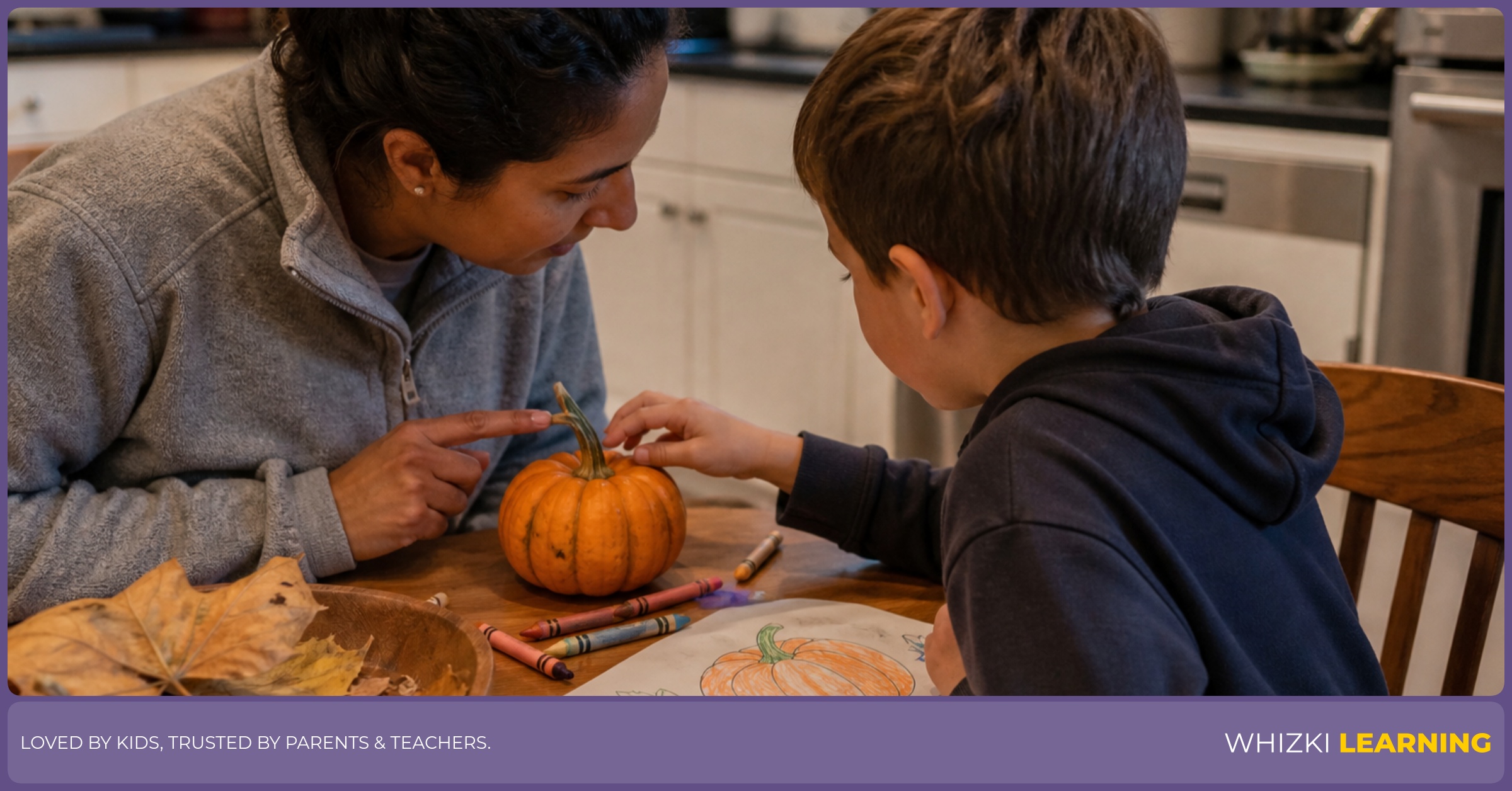
Activity 7: Pumpkin observation tray. The pumpkin observation activity uses one small pumpkin, a crayon, and a folded sheet of paper for look, touch, and draw. Reggio and Montessori observation habits ask children to slow down and notice real details, so the child can trace the stem shape, count grooves, smell the rind, and draw one line seen on the pumpkin. Skip carving for this version, since the best part is careful looking with very little mess.
Activity 8: Leaf creature designs. The leaf creature activity uses dry leaves, paper, and a few crayons to make bats, cats, owls, or invented Halloween friends. The adult can invite the child to arrange leaves first, then draw legs, eyes, wings, or whiskers around the leaf edges. Nature play keeps the material interesting, and the whole design can go into recycling when the short play window is over.
Activity 9: Seed scoop count. The seed scoop count activity uses dry pumpkin seeds, beans, or cereal pieces with two cups and a spoon. Early math practice for ages 3-7 works best when counting is attached to touching, moving, and comparing, so the child can scoop three seeds into one cup and five seeds into another. For toddlers who still mouth objects, swap the seeds for large pom-poms or use the activity only with close adult supervision.
Printable table activities without candy
Activity 10: Halloween picture match mat. The Halloween picture match mat is a printable table activity with paired pictures, such as pumpkin to pumpkin, bat to bat, and leaf to leaf. Matching supports visual discrimination, a skill used later in Orton-Gillingham letter work, because the child must notice what is the same and what is different. If a child wants more pages after one short round, the Halloween worksheet roundup can help a grown-up choose one focused page instead of printing a stack.
Activity 11: Cover-the-pumpkin shape board. The cover-the-pumpkin shape board is a second printable table activity, and the child covers circles, squares, or triangles with small paper scraps, buttons, or crayons. NAEYC guidance supports hands-on learning over long seatwork, so the board should feel like a quick game rather than a worksheet chore. For other seasonal pages kept in one place, the printable library is useful when a family wants one calm table choice.
Activity 12: Three-card spooky story prompt. The story prompt activity uses three drawings or printed pictures, such as a pumpkin, a door, and a friendly ghost. Speech-language pathology practice often builds oral language through beginning, middle, and end retells, and the child can move the cards while telling what happens first, next, and last. Keep the story silly and safe, especially for preschoolers who do not enjoy scary play.
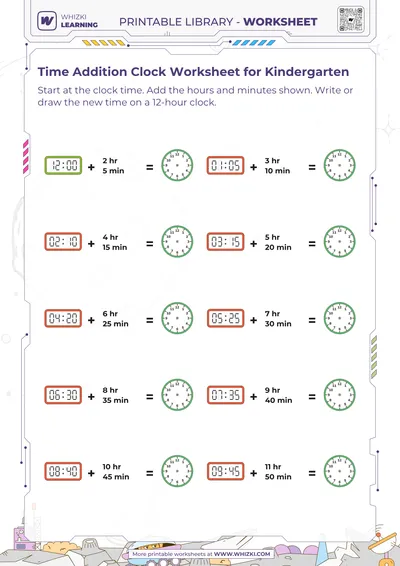
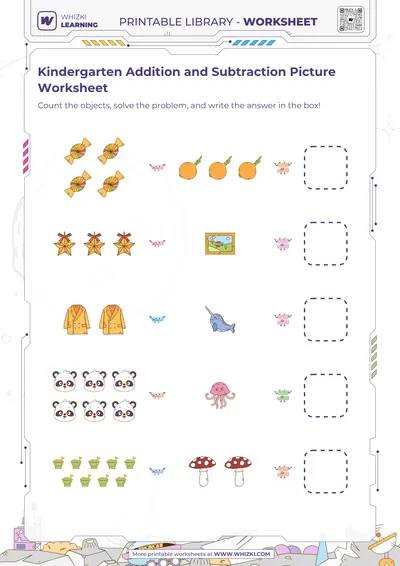
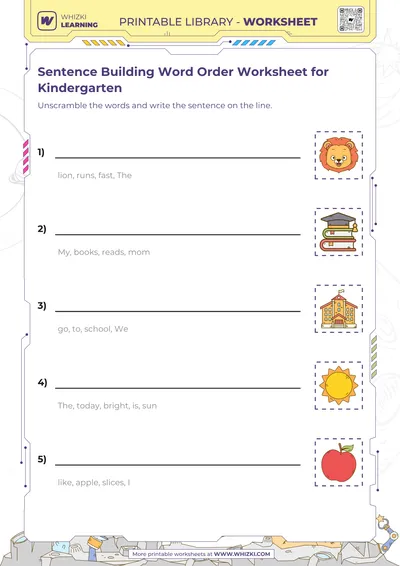
If your kitchen table needs a ready set for Halloween week, a Plus plan opens the complete 12-page pack, the 12-page Halloween Learning Activities Pack, with printable pages for matching, tracing, counting, and picture play. Use the pack as a short table option, not as a full afternoon lesson.
Quiet wrap-up ideas after excitement
Activity 13: Play dough monster faces. The play dough monster face activity uses one small ball of dough plus beads, dry pasta, or cut paper scraps for features. Occupational therapy basics often use rolling, pinching, and pressing to build hand strength, and the child can make one monster face before flattening the dough and starting over. A tray or placemat keeps the crumbs contained.
Activity 14: Cotton-ball ghost race. The cotton-ball ghost race uses a cotton ball, a straw, and two paper cup goals on a table. Speech-language teachers often practice turn-taking language during simple games, so the adult can model my turn, your turn, gentle blow, and goal while the child plays. Use bigger puffs without a straw for children who need a safer option.
Activity 15: Halloween sort-and-park cleanup. The Halloween sort-and-park cleanup turns the last three minutes into a sorting game with crayons in one cup, paper shapes in another cup, and leaves in a small pile. Orton-Gillingham routines value clear categories and repeated language, and the adult can say color words, shape words, and position words while the child cleans. For a reminder that boredom can lead to useful play, read why unstructured screen-free time matters when the house gets quiet after the activity ends.
Screen-free Halloween play works best when the activity is small enough to stop before everyone is tired. Choose one idea, set a timer for 10 or 15 minutes, and let the child leave the table with a little success still in the tank.
No-candy Halloween fun does not have to compete with parties, costumes, or trick-or-treat plans. A flashlight, a pumpkin, a few cups, and a sheet of paper can give ages 3-7 the kind of hands-on practice early childhood teachers use every day.