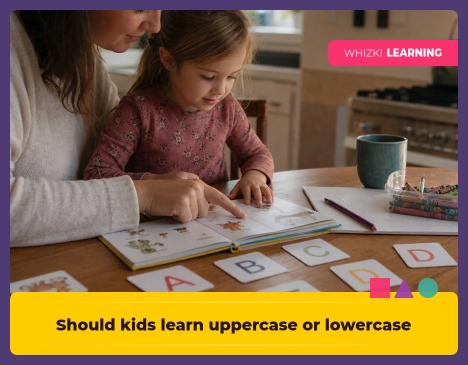
If the uppercase-or-lowercase question has turned letter time into a standoff at your kitchen table, start with your child's name plus a small set of easy uppercase letters today, then pair each uppercase letter with the lowercase partner as soon as the letter feels familiar. Uppercase letters are usually easier for little hands to form, while lowercase letters are what children see most in books. The goal is not choosing one forever, the goal is starting kindly and bridging quickly.
Reviewed by Whizki Editorial Team, Early Childhood Education Editors.
The honest answer parents can trust
The honest answer is that uppercase letters often make the better first handwriting target because capital letters use more big lines, clear corners, and simple starts. Occupational-therapy basics support that order because many 3- to 5-year-old hands control straight strokes before tight curves and small retraces. Lowercase letters still matter right away because lowercase print carries most of the reading load in picture books, classroom labels, and early readers.
The strongest starting point is the child's name, printed the way the child will actually see the name, with a capital first letter and lowercase letters after that when appropriate. The child's name gives letter work a real reason, which fits NAEYC guidance about meaningful early literacy. A child named Mia has a better reason to care about M, i, and a than about a random worksheet row.
The classroom-tested balance is simple: teach the name, introduce a few uppercase letters for confident writing, and show the lowercase partner before the uppercase letter becomes a lonely habit. The Orton-Gillingham approach keeps letter name, sound, mouth feel, and written form connected, so the child learns a useful code instead of a wall chart. For a broader path through names, sounds, and print, the alphabet learning hub gives families a steady place to look.
What preschools often do in real classrooms
Many preschool classrooms begin with name cards, cubby labels, sign-in sheets, and alphabet materials that show both uppercase and lowercase letters. Reggio-inspired teachers often watch which letters children notice in real projects, while Montessori classrooms may use tactile letters to connect the hand, eye, and sound. Good preschool practice usually treats letters as living print in the room, not as a race through twenty-six isolated shapes.
Preschool teachers often start with uppercase writing because capitals are forgiving for developing pencil control. A child can build E, F, L, T, and H with blocks, sticks, play dough, or a fingertip in sand without needing tiny loops. Lowercase letters appear beside the capitals in books and labels so children do not assume reading is all capital print.
Kindergarten teachers often appreciate children who can recognize both forms, even if handwriting is still uneven. NAEYC-aligned instruction keeps practice brief, playful, and connected to real reading and writing. A five-minute name sign-in can teach more than a long page of copied letters when the child is tired or hungry.
A simple sequence for ages 3 to 7
Step one is name recognition and name writing, because the child's name is the most emotionally important word in early literacy. The adult can point to the first capital letter, say the sound when the sound is clear, and trace the shape with a finger. Speech-language practice supports saying the sound cleanly and briefly, such as mmm for M, rather than adding a heavy extra vowel.
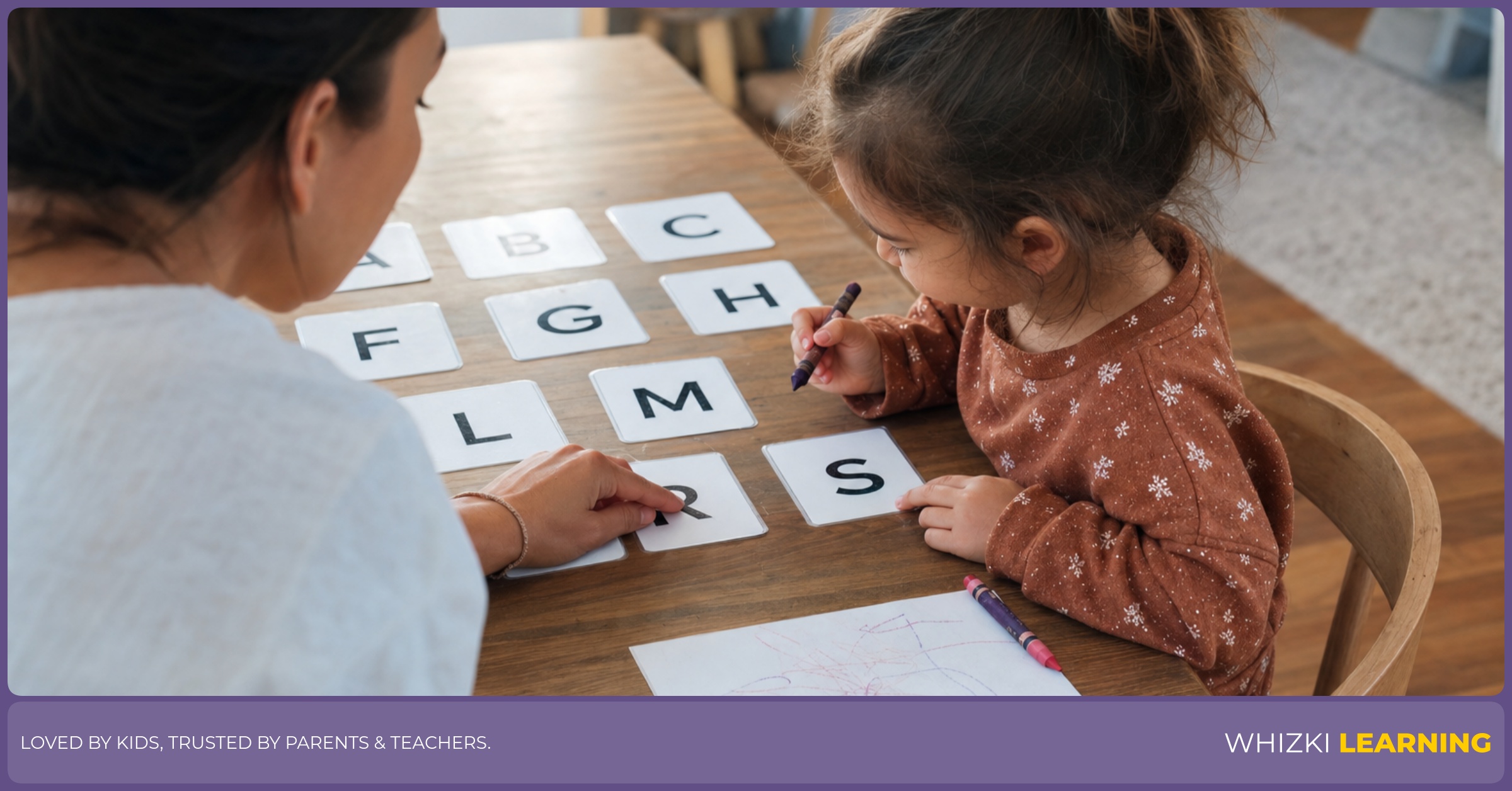
Step two is a small uppercase set with easy strokes, such as L, T, F, E, H, I, O, and X, chosen for clear shapes rather than alphabet order. The Orton-Gillingham tradition favors structured, cumulative practice, so a tiny set used well beats a huge pile of cards used once. The child can build the letters with craft sticks, write the letters in shaving cream, or draw the letters in sidewalk chalk before pencil work.
Step three is the uppercase-to-lowercase bridge, using one pair at a time in meaningful words. The adult can say, "This is M, and this is m; both can say /m/ in Mom." The pair belongs in a book, a pantry label, a birthday card, or a child's drawing caption so the lowercase form has a job.
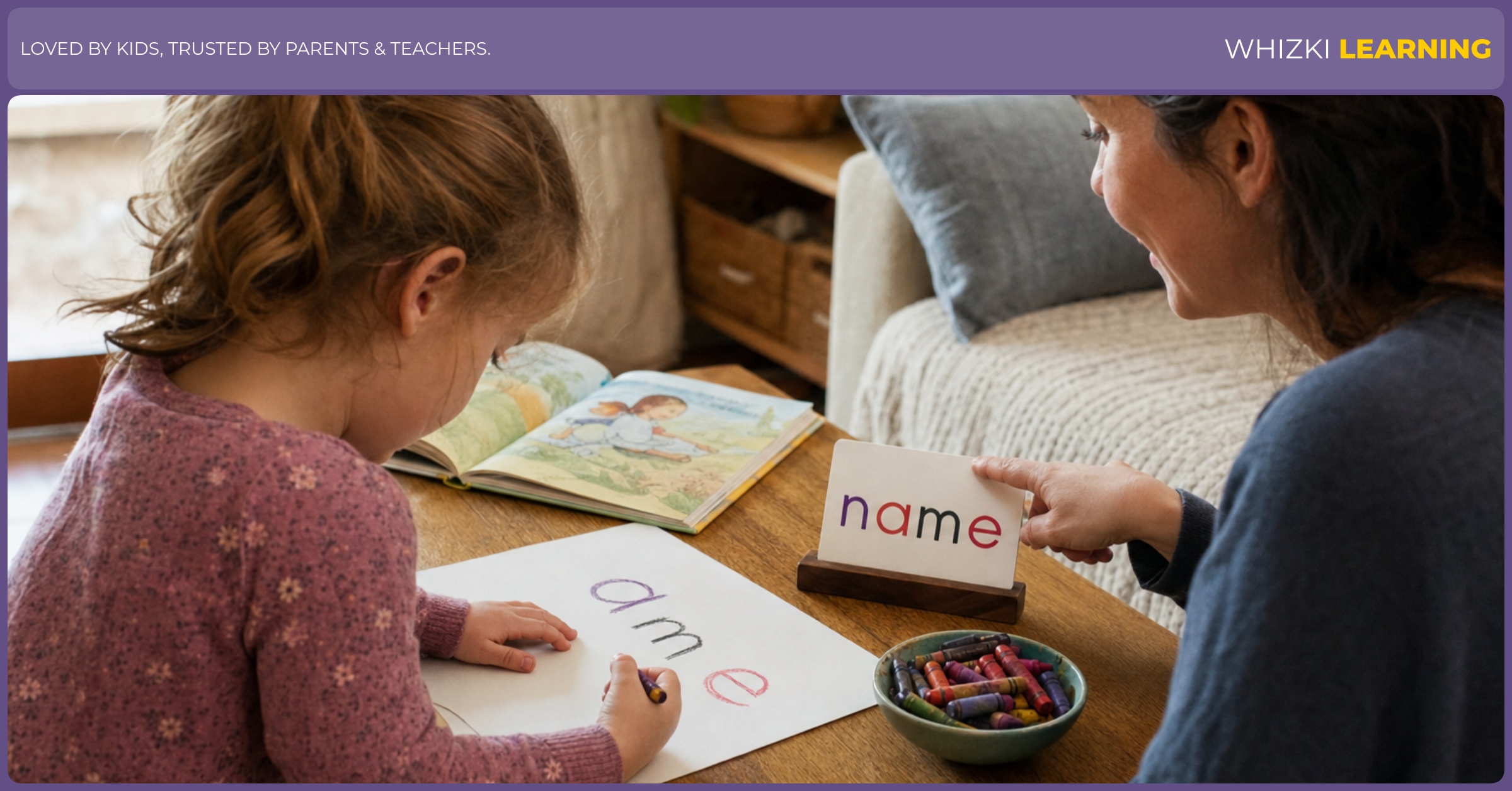
Step four is gentle handwriting practice after the child has seen, touched, built, and named the letter. Occupational-therapy heuristics remind adults to watch the whole body: feet supported, paper steady, crayon short enough for a useful grip, and shoulders relaxed. A wobbly letter made with attention is better practice than a perfect letter made through a battle.
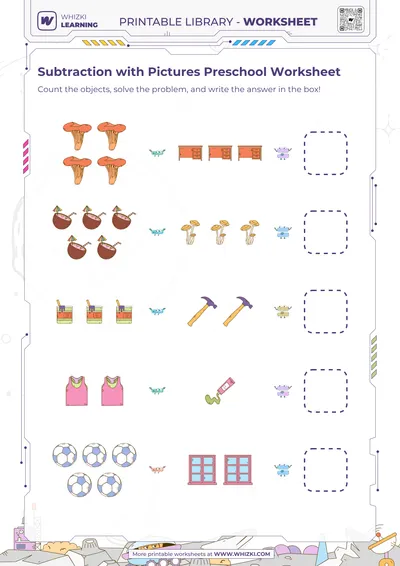
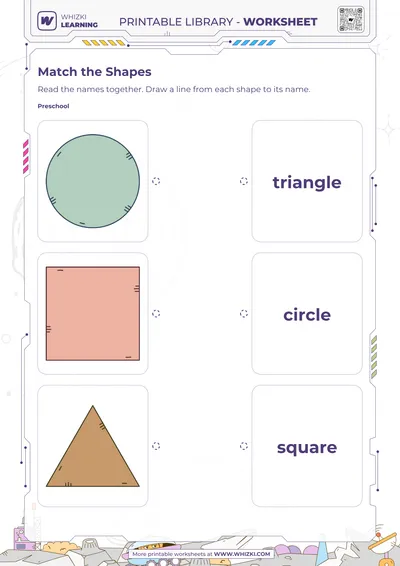
For a no-pressure paper option, the name and alphabet pages in our printable library can sit beside crayons for short practice sessions. Choose one page, stop while the child still has energy, and save the rest for another day.
How to bridge to lowercase fast
The lowercase bridge should start as soon as the child knows a handful of uppercase letters, not after the entire capital alphabet is mastered. In ordinary children's books, lowercase letters appear far more often than capitals, so the reading brain needs frequent contact with a, m, s, t, and the other small forms. Montessori movable-letter work and Orton-Gillingham sound-symbol practice both support linking the form, sound, and word use early.
A good bridge uses matching, sorting, and real print before copywork. The adult might place M beside m, then find both forms on a cereal box, in a picture book, or on a family note. The child learns that uppercase and lowercase letters are partners, not separate alphabets.
Joy matters because a tense child stops noticing details. Short games, silly alliteration, object hunts, and read-aloud pauses keep letter attention warm without turning every page into a quiz. If letter time has become stiff, making letter learning joyful can help reset the tone.
When to adjust the plan
The letter plan should flex when the child is very young, very frustrated, or still building hand strength. Occupational-therapy basics suggest backing up to big-body writing, vertical surfaces, play dough, tweezers, stickers, and short crayons when pencil control looks hard. Fine-motor play is not a detour from handwriting, because finger strength and hand awareness support later letter formation.
Letter reversals can be common from ages 3 to 7, especially with b, d, p, q, and numbers. A kindergarten teacher usually watches whether reversals decrease with instruction, modeling, and repeated exposure to real print. The adult can calmly say the formation cue again rather than treating a reversed letter as failure.
A professional opinion is worth seeking when the child has pain, avoids all drawing and coloring, cannot copy simple lines after many playful chances, or seems unable to hear sound differences in words. A pediatrician, occupational therapist, speech-language pathologist, or school team can help sort motor, vision, language, or attention needs. Early support works best when the adult describes what the child can do and what the child avoids, using clear examples from home or class.
Letter learning does not need a perfect order to be good; letter learning needs a kind adult, a few useful letters, and quick links between uppercase, lowercase, sounds, and real words. If kitchen-table practice is your season right now, join the weekly newsletter for calm ideas that fit real family life.