If your child can sing the alphabet song but freezes when a worksheet asks for letter sounds, stop drilling A to Z today and choose three useful letters from the child’s name. Letter learning feels messy at the kitchen table because singing, naming, forming, and reading letters are four different jobs for a young brain. A calmer start gives a 3- to 7-year-old fewer letters to juggle and more chances to feel successful.
Reviewed by Whizki Editorial Team, Early Childhood Education Editors.
Why A to Z is the hardest order
The A-to-Z order is great for finding a book on a shelf, but the A-to-Z order is a poor first teaching path for reading. Young children often memorize the alphabet song as one long chant, and the chant can hide which letters the child truly recognizes. In NAEYC-aligned early childhood practice, meaningful print and playful repetition usually beat long recitation drills.
The alphabet song also places several similar-sounding names close together, especially l, m, n, o, p. The Reggio habit of observing the child in real activity helps a teacher notice whether the child knows a letter or simply knows the song rhythm. When a child points to a letter in a name, a cereal box, or a favorite book, the letter has a purpose.
Teach name letters first
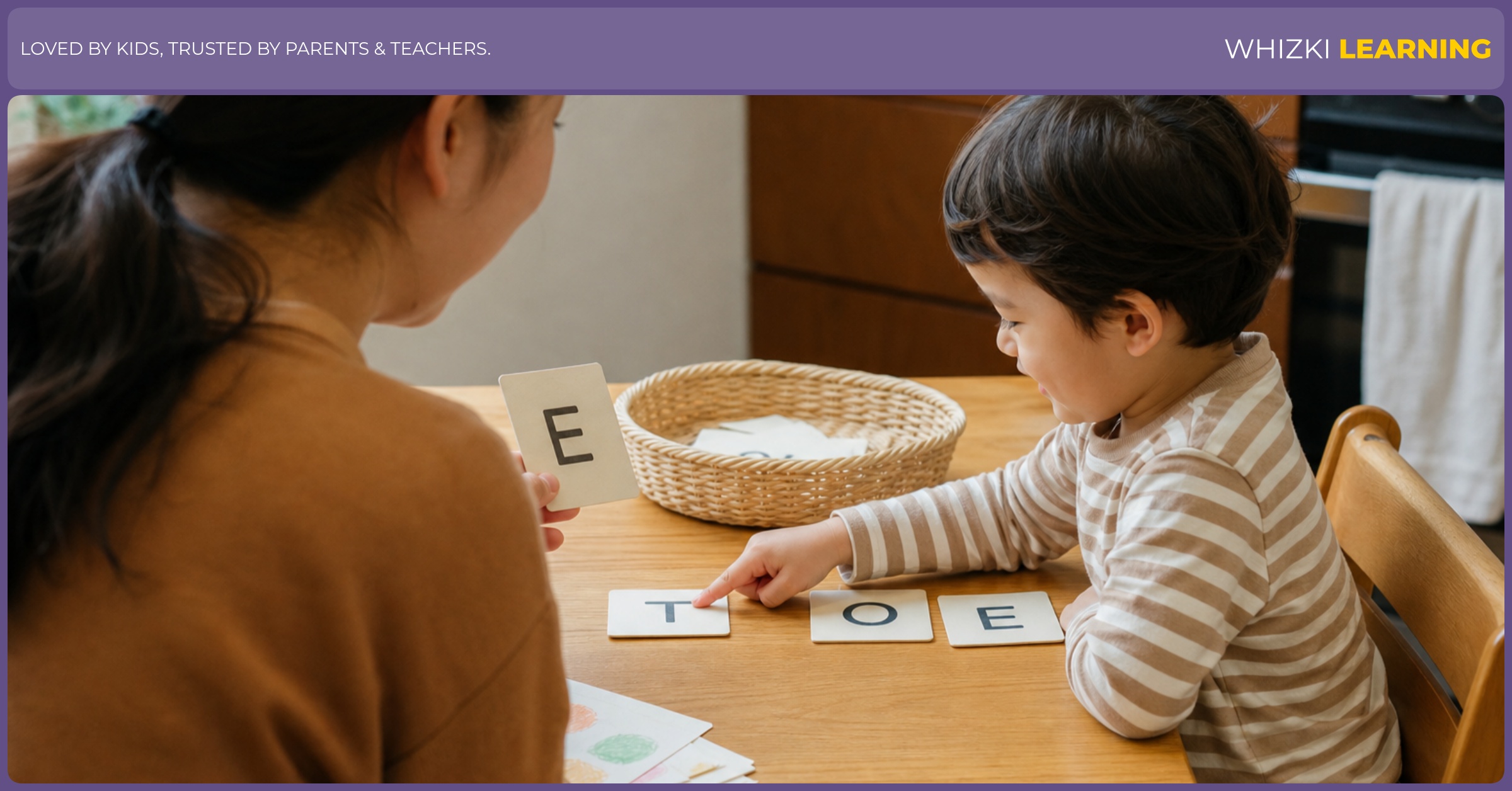
The name-letters-first rule is the easiest place to begin because a child's name already matters. Montessori teachers often start with the child's real world, and a name is about as real as print gets. The first mini-set can be the first letter, one easy-to-hear middle letter, and one letter the child sees often at home.
The name letter lesson should connect three things: the letter name, the letter sound, and the child's mouth movement. Orton-Gillingham teaching uses this kind of multisensory match, with eyes seeing the symbol, ears hearing the sound, and fingers tracing the shape. For example, Sam can trace S in sand, say /s/, and find S on a snack label.
The name letter practice should stay short. A preschooler may handle two letters in a sitting, while a kindergartener may handle four if attention and pencil control are ready. The goal is not to finish the alphabet fast; the goal is to build a small pile of letters the child can actually use.
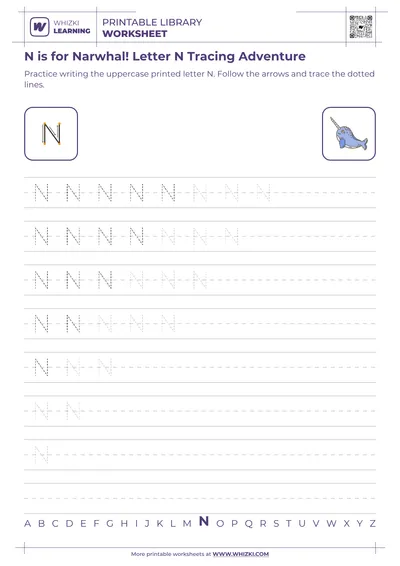
Print the letter-order chart from our printable library and tape the chart where handwriting practice already happens. The chart gives parents and teachers one matching printable for the routine, so letter choice is no longer a nightly argument.
Use a high-frequency, high-contrast sequence
The next letters should make words quickly and look or sound different enough for a beginner. The Orton-Gillingham approach often builds from useful sound patterns, so children can blend early instead of collecting random letter names. The familiar s, a, t, p, i, n sequence works because those letters can make many simple words, including sat, pin, tap, and sit.
The parent-language version is simple: choose letters that do different jobs. A long line of b, d, p, and q asks the child's eyes and hand to sort tiny direction changes before the child has enough practice. Speech-language pathology practice also reminds teachers to listen for sounds the child can hear and say clearly, because a child who cannot hear the difference will not map the sound to print easily.
Printable sequence chart: Start with the child's name letters. Next teach s, a, t, p, i, n. Then teach m, d, c, k, o, g. Then teach h, f, r, b, l, e. Then teach j, u, w, v, z. Save q, x, and y for a slower final pass.
The sequence chart is a teaching order, not a test order. The child can meet capital and lowercase forms together when the forms look alike, such as C and c, but the child may need separate practice for A and a. The broader alphabet learning hub can help families find letter pages when a child needs more practice with one symbol.
How to teach one letter in five minutes
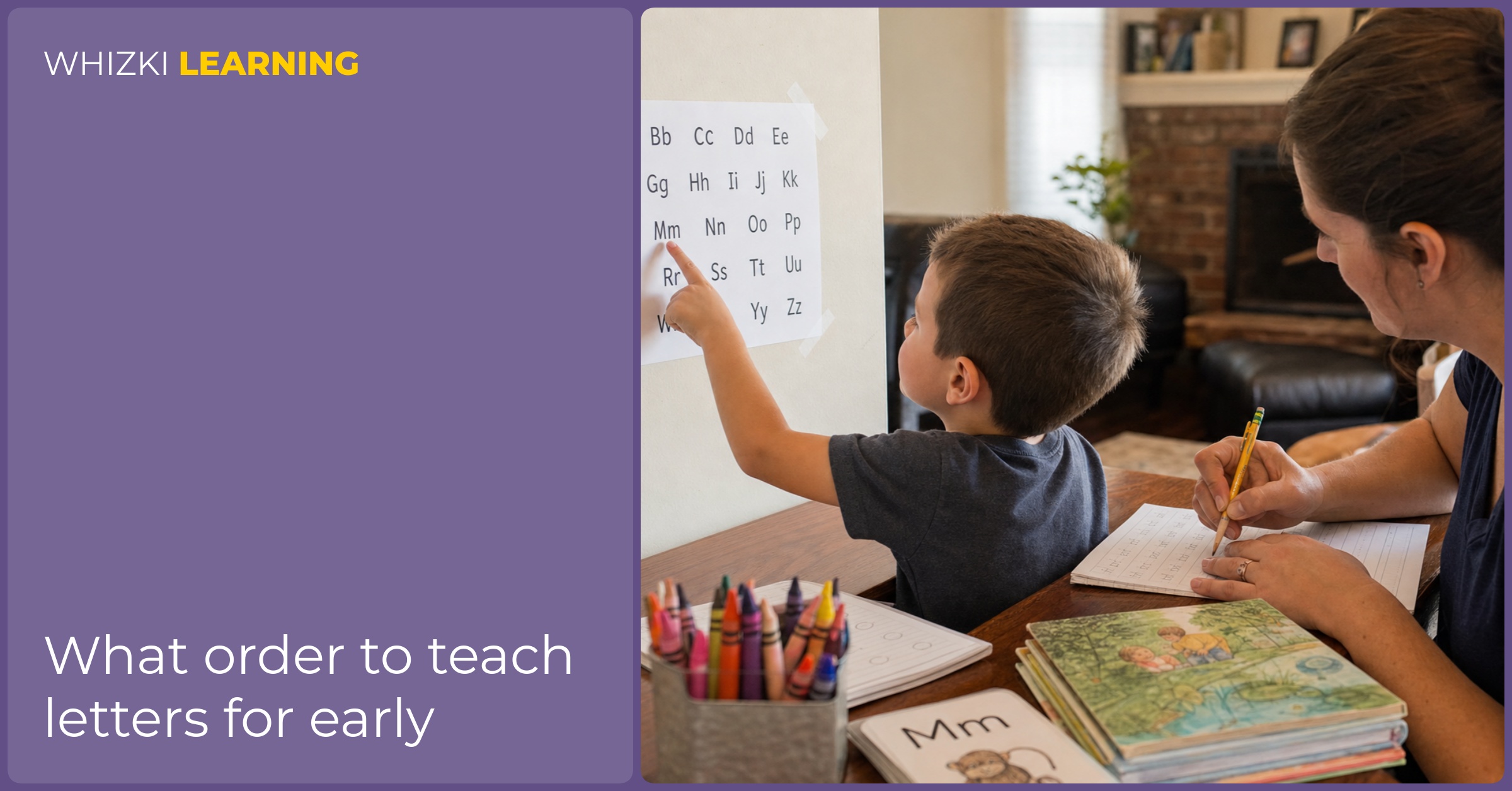
The five-minute letter routine should begin with the sound, not a lecture. An occupational-therapy basic is to watch the body first: feet supported, paper steady, and the writing hand relaxed enough to move. A child who is sliding off a chair or gripping a crayon with white knuckles is working too hard before reading even begins.
The adult can say, "My mouth says /m/ at the start of moon," while the child watches the mouth and touches the lips together. The child can trace the letter with two fingers, build the letter with a shoelace, or write the letter one time with a crayon. The multisensory work gives the brain more than one path back to the sound.
The last step is a tiny read-and-find game. The child can find the target letter in a name card, a simple decodable word, or a page from a favorite picture book. The adult should stop while the child still has energy, because a clean ending makes tomorrow's practice easier.
When to save tricky letters for later
The tricky letters deserve patience, especially q, x, and y. The letter q almost always travels with u in early words, x can say different sounds depending on placement, and y can act like a consonant or a vowel. A speech-language pathologist or reading specialist may slow those letters down so the child hears the job before memorizing a rule.
The letters b, d, p, and q also ask for strong direction sense. Occupational therapy basics call for more large-motor and tactile practice before demanding perfect pencil work, so air writing, play dough, and sand trays are fair tools. If reversals show up in kindergarten, calm practice is usually enough; if reversals block reading progress after steady instruction, ask the child's teacher or a reading specialist for guidance.
The final pass can include q, x, and y after the child has a bank of easier letters. For a gentle walk-through, keep teaching the tricky letters slow and playful. The alphabet does not need to be conquered in one march from A to Z.
The best order to teach letters is personal first, useful second, and tricky last. Start with name letters, move into high-frequency high-contrast sounds, and keep the chart visible so the adult does not have to decide from scratch every day. A small, steady routine will teach more than a big alphabet push that leaves everyone tired.