
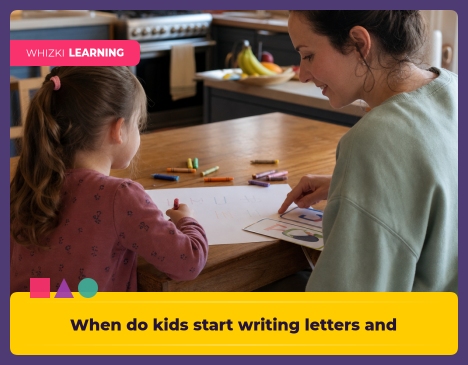
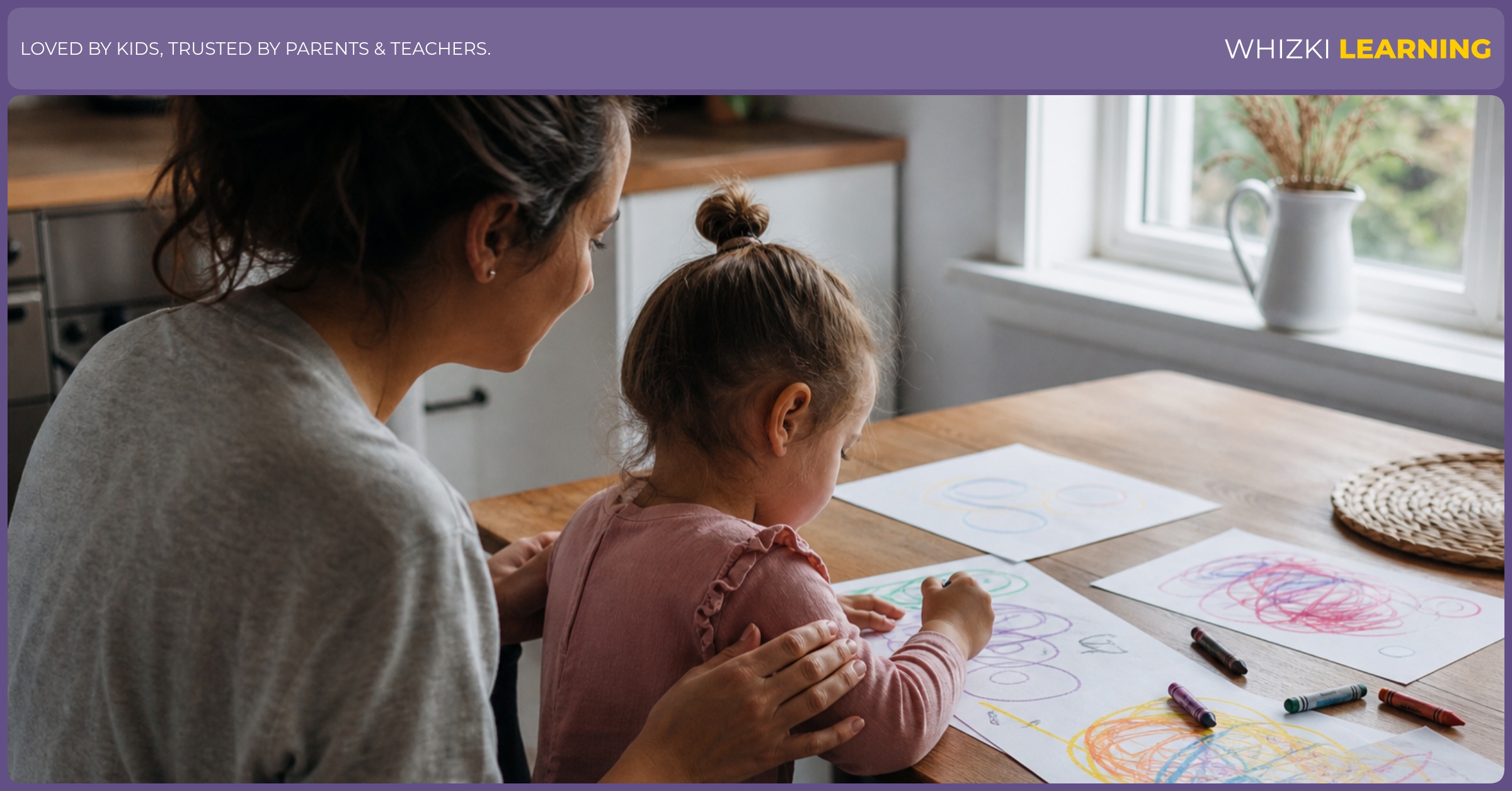
If your 4-year-old can build a couch fort but melts down over one wobbly letter, you are not behind, and the next step is five relaxed minutes of drawing with crayons on plain paper. Writing grows out of shoulder strength, finger control, pretend symbols, and many small tries. The mixed stage can look messy at the kitchen table, even when development is right on track.
Reviewed by Whizki Editorial Team, Early Childhood Education Editors.
The short answer: scribbles count
Children usually start writing long before adults can read the marks. NAEYC guidance treats early marks, pretend writing, and dictated stories as real literacy behaviors because young children are learning that marks can carry meaning.
A child who fills a page with loops, dots, lines, and pretend lists is practicing the same body skills needed for letters. For a fuller age-by-age walk-through, the scribbles-to-letters guide gives the deeper version of that path.
Most children do not move from scribbles to neat names in one clean jump. A child may draw a person, add letter-like shapes, copy one favorite letter, and return to big circular scribbles in the same week.
Ages 2 to 6: the usual writing path
Around age 2, many children make big arm scribbles, dots, and back-and-forth lines. The toddler mark is about motion first, and the page gives the arm and hand a safe place to practice pressure, direction, and stopping.
Around age 3, many children begin naming drawings after the fact, such as calling a swirl a dog or a line a road. Reggio-inspired classrooms honor that story because the child is using drawing as a first written language.
Around ages 4 and 5, many children copy simple shapes, form a few letters, and write some name letters out of order. The Orton-Gillingham approach reminds teachers to connect letter shapes with sound, movement, and speech, so a letter becomes more than a picture to memorize.
By age 6, many children can write their first name, copy short words, and attempt invented spelling for simple messages. NAEYC guidance still expects variation because birthdays, hand strength, vision, language, interest, and practice history all shape the timeline.
Why drawing builds handwriting
Drawing is pre-writing because a child learns to plan a mark before the mark becomes a letter. A Reggio lens treats drawing as thinking on paper, and that view helps adults notice the child’s intention instead of only judging neatness.
Montessori practice often builds writing through hands-on tracing, pinching, pouring, sorting, and shape work before pencil control is expected. The same small muscles that place beads, turn knobs, and peel stickers help a child guide a crayon later.
A good next step is to invite a picture before a letter. Ask the child to draw a road, a house, or a pet, then offer to write the child’s words under the drawing so the child sees speech become print.
Pencil grip and hand strength windows
Pencil grip changes over time, and occupational therapy practice usually looks at function before form. A fisted grip around age 3 can be common, especially when the child is drawing with the whole arm instead of the fingers.
Between ages 4 and 6, many children move toward a more mature grip with the pencil resting near the thumb and first fingers. The exact grip can vary, but the hand should look relaxed enough for the child to make marks without pain, tight shoulders, or quick fatigue.
Hand strength grows through play before handwriting practice. Play dough, tongs, clothespins, stickers, spray bottles, short crayons, and vertical easel drawing all give the fingers useful work without turning every activity into a handwriting lesson.
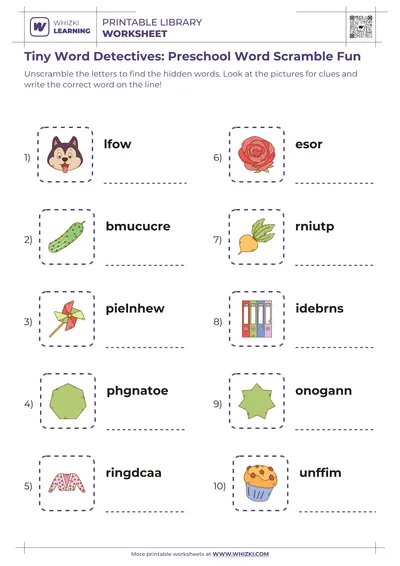
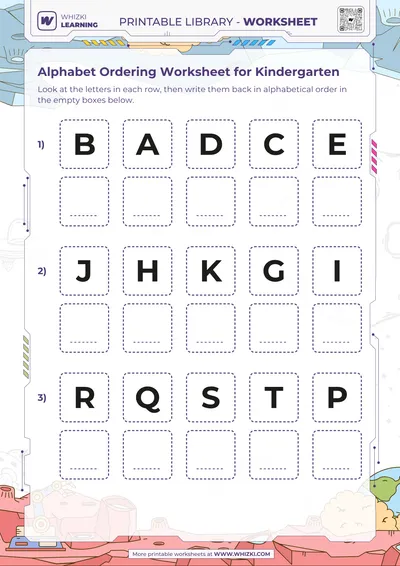
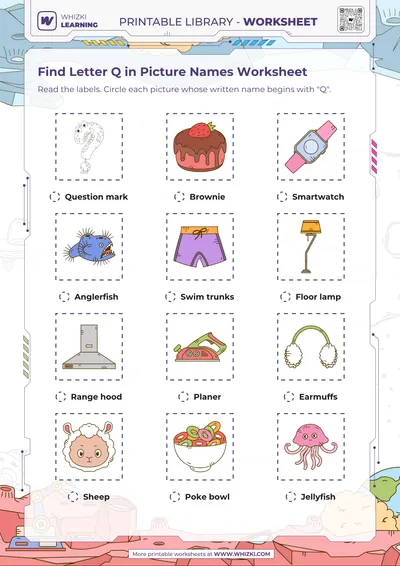
For a no-fuss table activity, choose one page from our printable library and pair the page with crayons or a short pencil. A single tracing, coloring, or drawing page can give a young hand a clear job without turning practice into a worksheet battle.
When name writing clicks
Name writing often comes before other words because a child sees the name on cubbies, art, lunch boxes, and birthday cards. For a focused guide on that milestone, when name writing clicks explains what is typical and what helps.
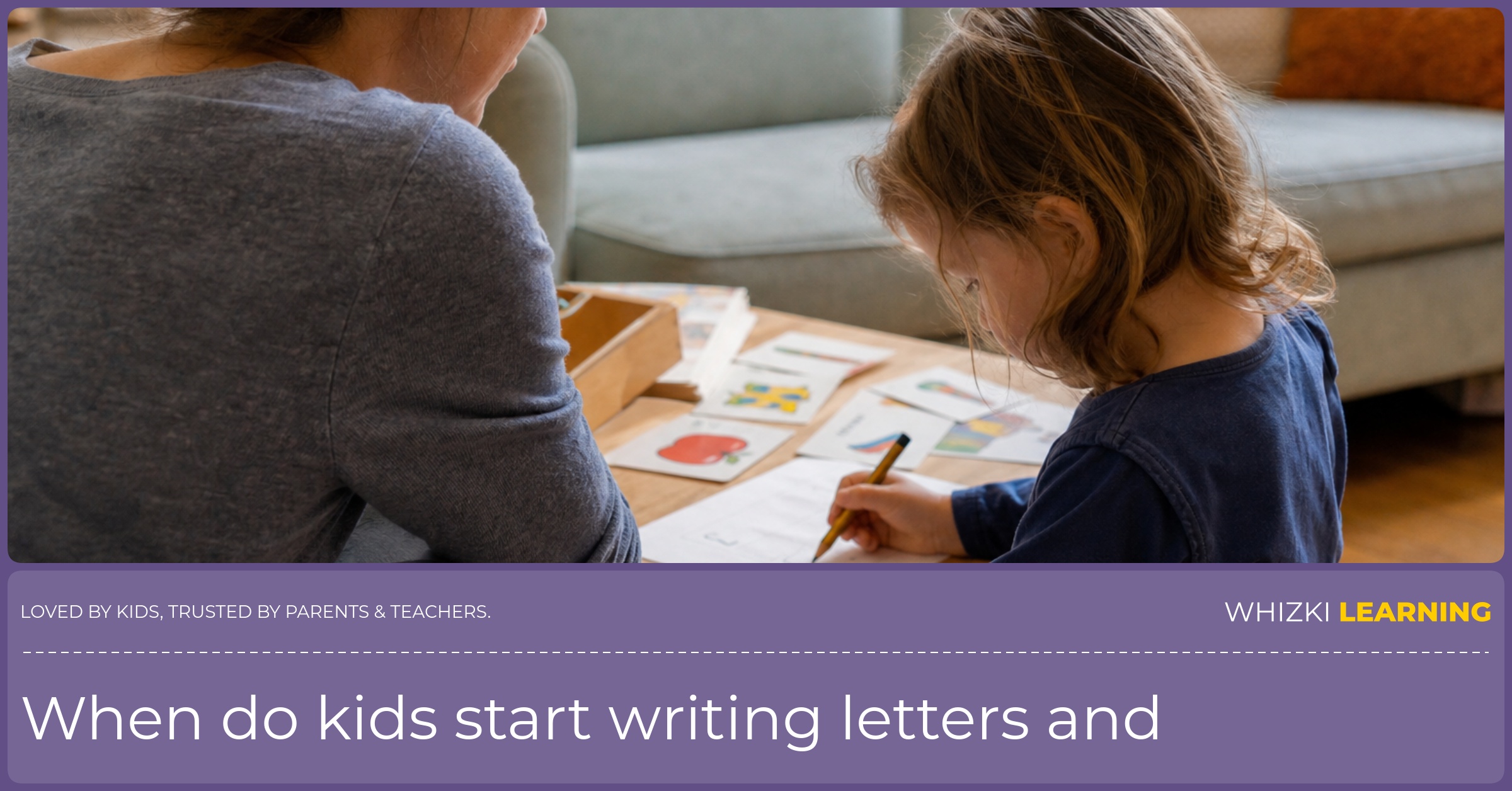
The Orton-Gillingham approach supports name writing when adults say the letter name, trace the shape, and notice the sound in a playful way. A child named Maya, for example, can trace M in sand, build M with sticks, and hear the /m/ sound at the start of the name.
Name practice works best when the model is simple and the session is short. Write the name once, invite the child to try one letter or one whole attempt, then stop while the child still feels willing to return another day.
When to ask for extra help
Extra help is worth asking about when writing causes pain, strong avoidance, very quick fatigue, or no progress across many months of gentle practice. NAEYC guidance supports early problem-solving with families and teachers rather than waiting for frustration to harden.
A kindergarten teacher, pediatrician, or occupational therapist can look at posture, hand strength, vision needs, pencil pressure, and daily classroom demands. The goal is not to label a child over messy letters, but to find the small support that makes writing feel possible.
Home practice should stay short while the adults gather more information. Five cheerful minutes with crayons, play dough, or a name card can teach more than a long session that ends with a child refusing the pencil.
Writing in the early years is a slow hand-and-brain partnership, and your steady lap, patient table, and short practice sessions matter. For more calm, doable ideas each week, join our weekly newsletter.