
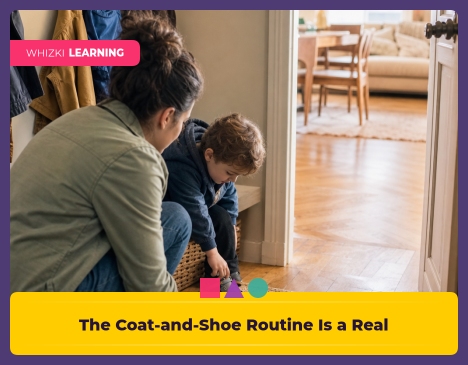
The coat-and-shoe routine can teach order, left-right awareness, fasteners, problem-solving, and cleanup when adults separate practice from leaving time.
Ukrainian workbooks for 1st grade, ages 6 to 7. Reading passages, addition and subtraction, writing prompts, and science observations. Screen-free, printed in the USA, sized for a small fist and a fat pencil.
Ukrainian language workbooks for 1st grade, ages 6-7. Each book supports Cyrillic alphabet practice and bilingual Ukrainian-English support through hands-on tracing, reading, and vocabulary work. Built for families who want language practice to stay simple, printable, and off-screen.
We do not have a workbook in this exact category right now.
Here are a few nearby options that may still fit today's practice.
Fast shipping
Secure Payment
Licensed Teachers
For the planet
Printed in the USA
Helpful guides for parents and teachers, and tips for making learning at home super fun.
The coat-and-shoe routine can teach order, left-right awareness, fasteners, problem-solving, and cleanup when adults separate practice from leaving time.
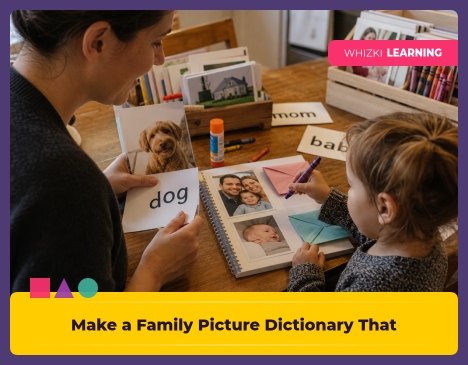
Build a tiny photo dictionary with real household words, family languages, dialect choices, and quick pronunciation support for children ages 3 to 7.
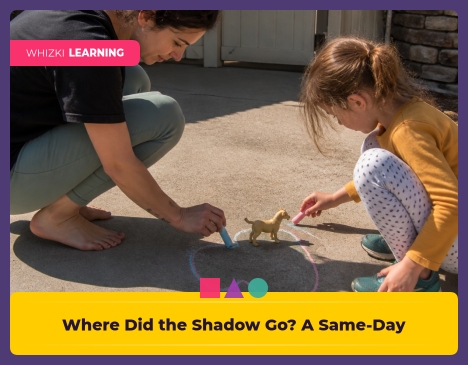
Trace one safe shadow, predict where the next mark will land, and help ages 3 to 7 connect the change to the sun’s apparent movement.
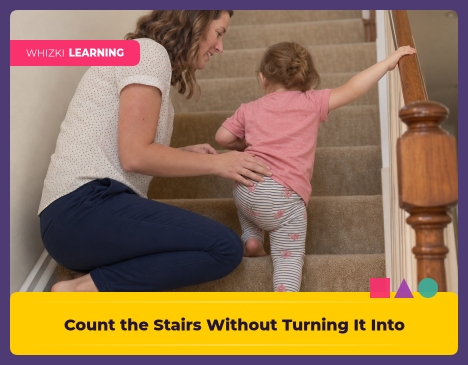
A calm stair-counting routine for ages 3-7, with safety boundaries, questions for going up or down, and a block-stair option for floor play.
 Whizki Learningwhizki.com
Whizki helps parents and teachers turn letters, numbers, and everyday questions into simple learning activities for ages 3–7. Explore free printable worksheets, ready-to-use worksheet sets, and the Family Learning Planner for learning at home or in the classroom. Printed Whizki workbooks are also available separately on Amazon.
