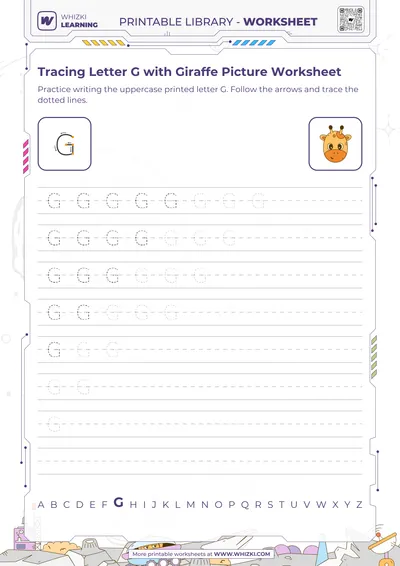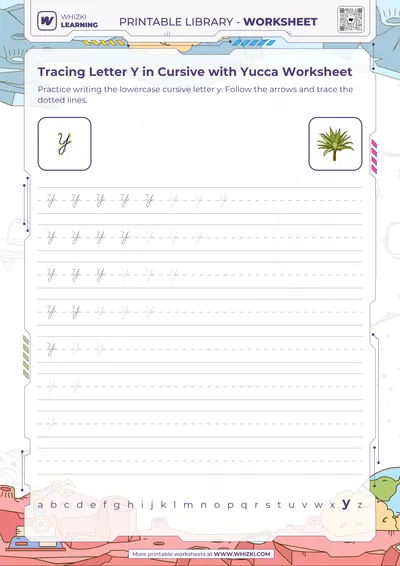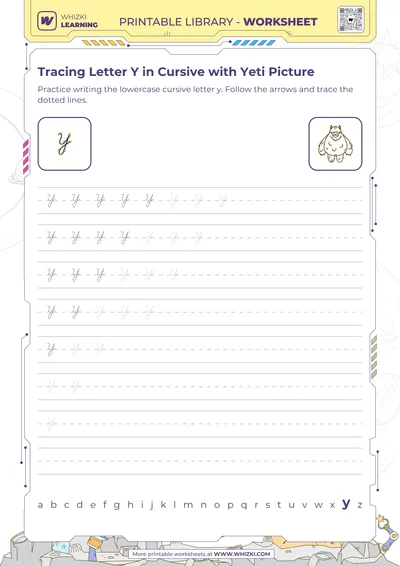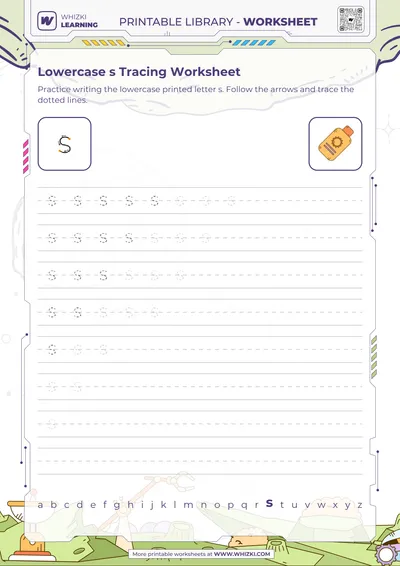


Recognize uppercase X by noticing two diagonal strokes that cross, then locate the same form in the alphabet strip.
Practice the strokes used to form uppercase X, following the model and checking each attempt with adult guidance.
Connect uppercase X with the first written letter in a picture’s name, using adult naming and spelling support when needed.

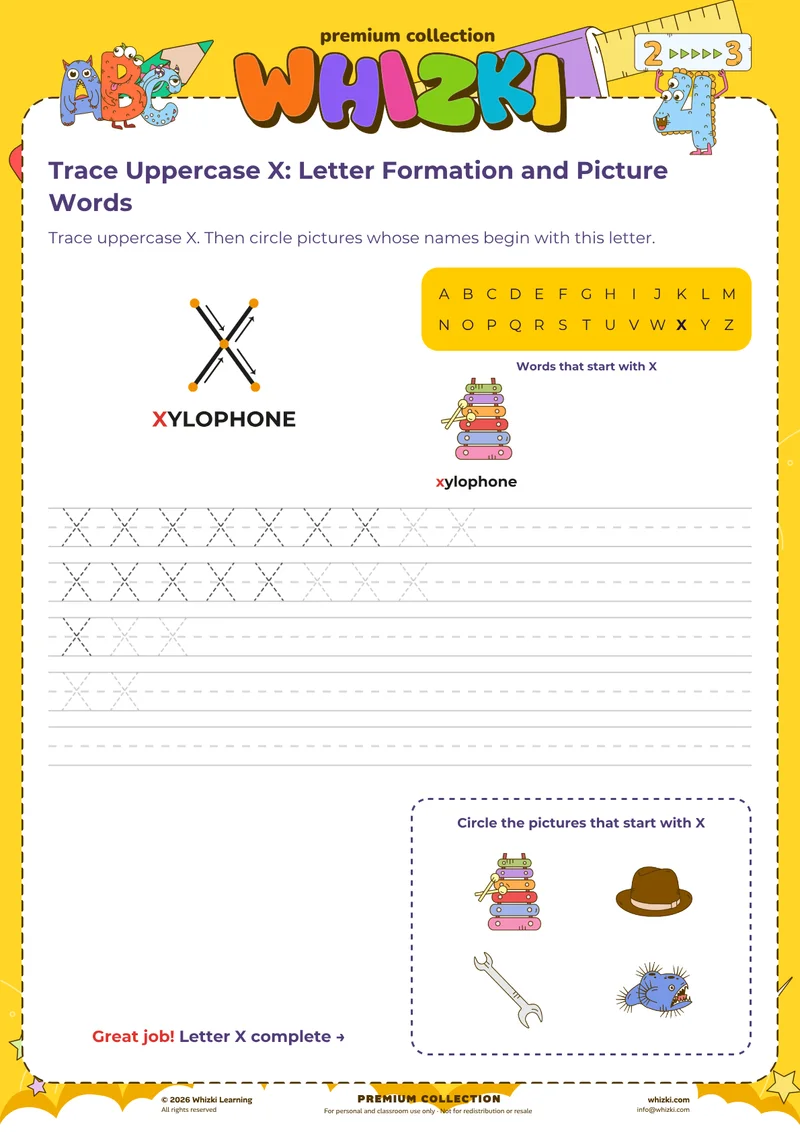
This uppercase X tracing worksheet combines a large formation model, dotted writing rows, and a picture-word activity. The printed model has two diagonal strokes that cross. Find X in the alphabet strip together, then look at the model before beginning a short section of pencil practice. This page focuses on the uppercase form.
Follow the direction cues and model one letter slowly. Help your child notice the crossing point near the middle of the letter, then compare a traced attempt with the example. The practice rows offer gradually less dotted support and room to try the shape again. A few careful attempts can be enough for one sitting; return to the large model whenever the movement becomes uncertain.
In the lower activity, children circle pictures whose written names begin with X. The choices include , and xylophone. Name unfamiliar pictures and show how their names are spelled before asking for a decision. A shared first letter is a spelling clue; it does not mean every example begins with one identical speech sound. Keep attention on the written letter when explaining this particular task.
For more about this letter, visit the letter X reference page. Choose another uppercase model from the Alphabet Starter Pack when your child is ready. As a separate next step, invite your child to write one X on blank paper or find it in a familiar printed name. Keep the adult support focused on the part that needs practice.
Boost your child’s skills with our discounted workbooks. Engaging activities for preschool, kindergarten, and grade 1 - now at special sale prices!


Fast shipping
Secure Payment
Licensed Teachers
For the planet
Printed in the USA
Helpful guides for parents and teachers, and tips for making learning at home super fun.

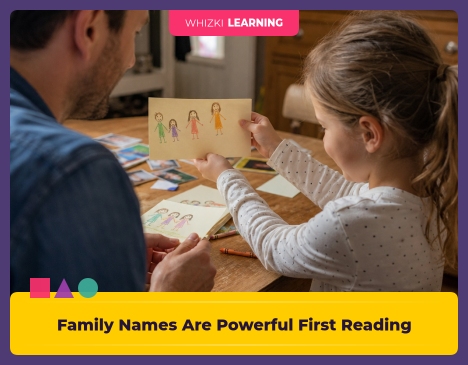
Use place cards, drawings, and photo labels to help children notice letters and sounds in family names while honoring spelling, scripts, and pronunciation.

Turn cardboard, tape, and one rolling object into a quick fair-test investigation for ages 3-7 by changing ramp height or surface, one choice at a time.

Set up a tiny pretend store with three priced objects, paper coins, and a simple receipt so children ages 3 to 7 can count, compare, and choose.

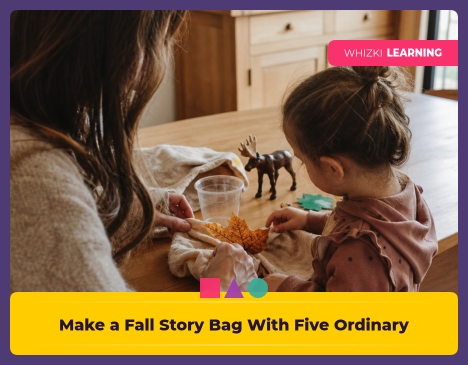
Turn a leaf, scarf, cup, toy, and paper shape into a quick fall storytelling game with age-by-age options for children 3 to 7.
Get exclusive activities, expert tips, and inspiration for a more meaningful, offline family life.