Combine two whole-number addends and record their sum, using the printed numerals as the starting information.
Read an equation from left to right and connect its operation sign with joining amounts or taking an amount away.
Check a sum by reconstructing or recounting the combined groups, explaining the result during an adult-supported discussion.

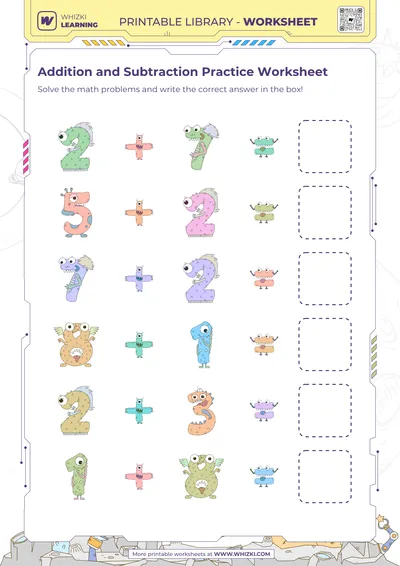
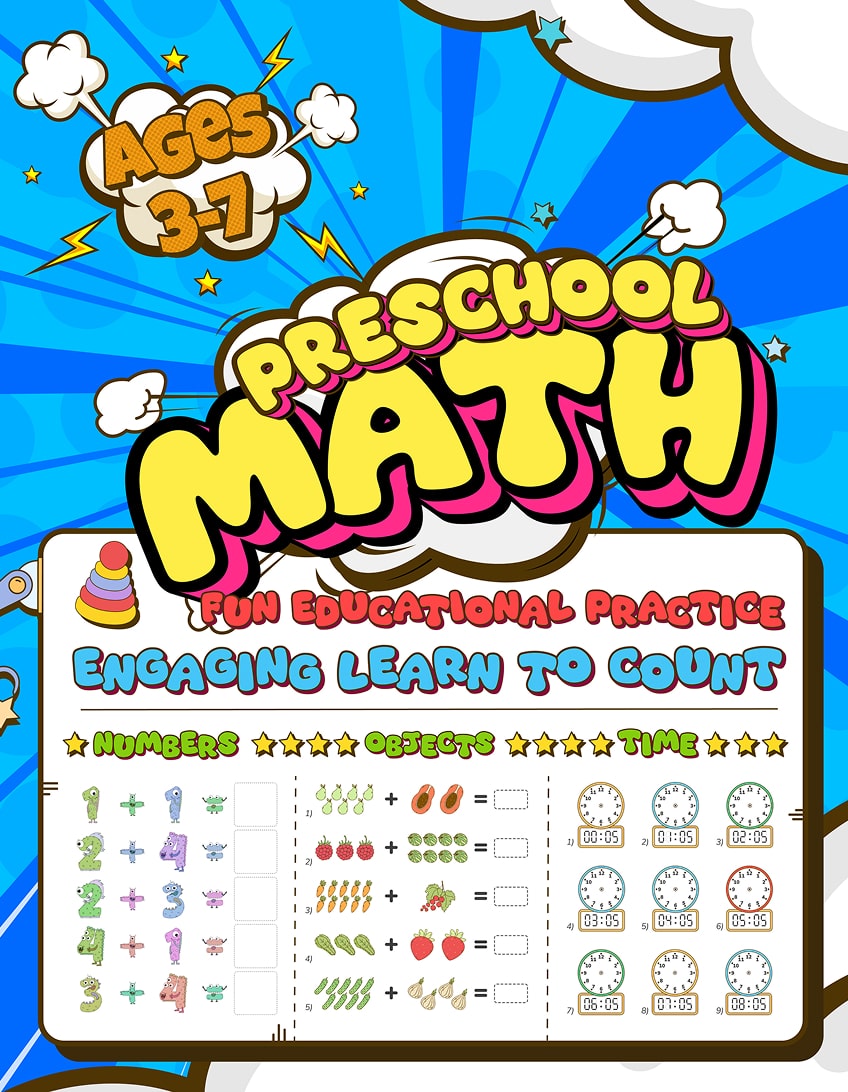
Children can practice explaining an answer as they work through this addition worksheet. The page contains 6 equations and asks them to find each sum. Illustrated numerals present the numbers while the operation signs indicate the calculation or comparison. The largest number in the equations and their answers in this selection is 5; choose the page when that range is comfortable with support.
The first question represents 3 + 1 = 4. Identify the two addends and combine their quantities. A child may count every object at first, then try counting on from a known amount when ready. Read the printed numerals carefully before beginning; their decorative features do not change the values they represent.
Read a completed equation from left to right and ask the child to explain its meaning. Check addition by rebuilding the two groups or recounting the combined quantity. Discuss whether the written result makes sense for the amounts that were joined. Model one example, then give the child time to attempt the next.
For another page at a similar stage, browse the addition and subtraction worksheets. The Addition and Subtraction Pack set offers related formats. Use a few questions during a short home practice session, math center, or supported lesson. Pause when the child needs a new explanation, and return to unfinished questions after revisiting the quantities with a simpler example.

Boost your child’s skills with our discounted workbooks. Engaging activities for preschool, kindergarten, and grade 1 - now at special sale prices!


Fast shipping
Secure Payment
Licensed Teachers
For the planet
Printed in the USA
Helpful guides for parents and teachers, and tips for making learning at home super fun.

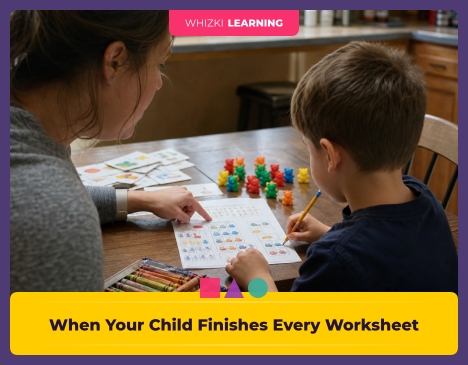
A practical decision tree for checking fast worksheet work, changing the response style, and deciding whether a harder page actually helps ages 3 to 7.

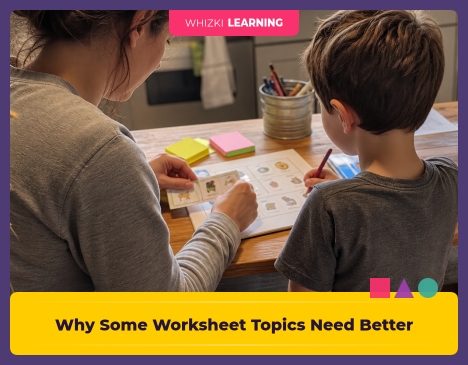
A field note on May audit gaps in early learning worksheets, with a simple home check for spotting when clearer artwork matters more than extra directions.

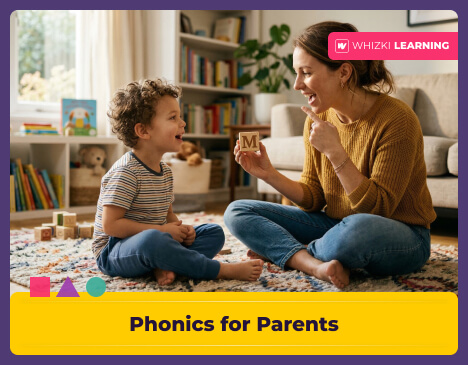
Teaching a child to read often creates immense anxiety for parents, leading to frustrating flashcard memorization. This comprehensive guide details a proven, Montessori-inspired phonics method that prioritizes letter sounds over letter names. Learn how screen-free, hands-on learning activities build essential phonemic awareness and prepare preschoolers for fluent reading without academic pressure.

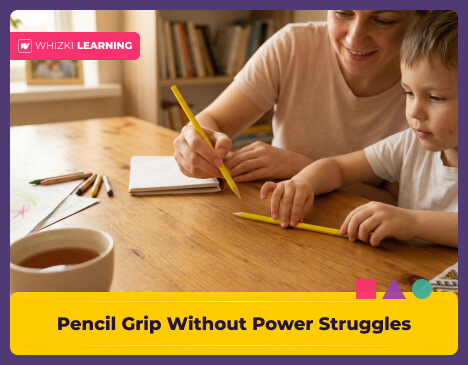
Seeing your child hold a pencil like a dagger can trigger instant panic. But constantly 'correcting' their grip often leads to tears and a hatred of drawing. This How-To guide reveals gentle, occupational therapist-approved tricks-like the 'Broken Crayon' and the 'Pinch and Flip'-to naturally fix pencil grip without the power struggles. Learn why tactile resistance matters and how to set your child up for handwriting success.
Get exclusive activities, expert tips, and inspiration for a more meaningful, offline family life.