Community helpers → Naming familiar workers → Child identifies people who help in a neighborhood using spoken words or pointing.
Community helpers → Connecting jobs to roles → Child explains one simple thing each helper does for the community.
Social studies vocabulary → Using helper words → Child practices saying terms like community, job, help, and neighborhood in context.

Kids can recognize uniforms before they can explain the job, so it helps to slow the page down. Use this community helpers worksheet as a shared talk-and-point activity. Read the prompt together, look closely at the helpers shown, and ask, “What does this person do for the community?”
This page fits a preschool child who is ready to notice people, places, and jobs in a neighborhood. If your 5-year-old guesses quickly, invite a reason: “What do you see that makes you think that?” If they are unsure, give two choices and let them pick, then say the full helper name together.
The practice is simple and concrete. Children name familiar helpers, connect each helper with a role, and use everyday social studies words like help, job, community, and neighborhood. For more practice with the same theme, try this community helpers preschool worksheet next, then use the community helpers picture practice to keep the conversation going without changing topics too fast.
Sit nearby and treat wrong answers as clues, not problems. You might say, “Let’s look again. What tool, vehicle, or clothing do you notice?” After the page is done, take the idea into real life by naming helpers you see on a walk, at the library, near a clinic, or around a fire station.
Boost your child’s skills with our discounted workbooks. Engaging activities for preschool, kindergarten, and grade 1 - now at special sale prices!


Fast shipping
Secure Payment
Licensed Teachers
For the planet
Printed in the USA
Helpful guides for parents and teachers, and tips for making learning at home super fun.

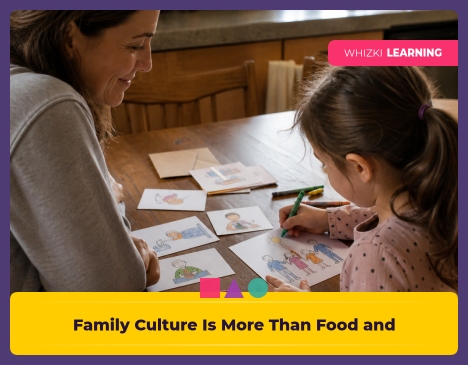
A practical guide for inviting family stories about names, language, music, routines, celebrations, and places without putting children on display.

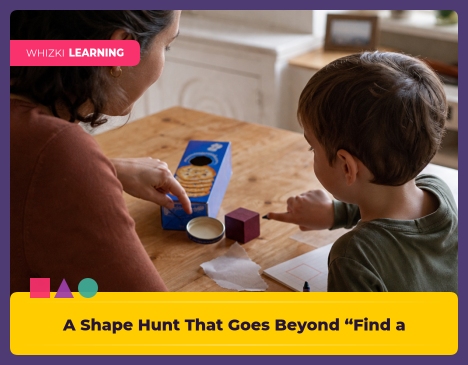
Turn a quick room search into early geometry talk by asking about sides, corners, curves, and shapes inside everyday objects.

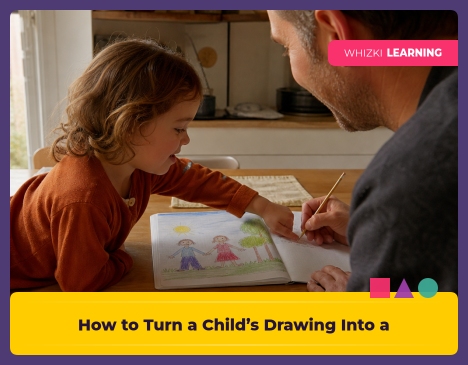
Use a child’s own drawing and spoken words to build a first sentence through adult dictation, shared writing, or optional child writing.

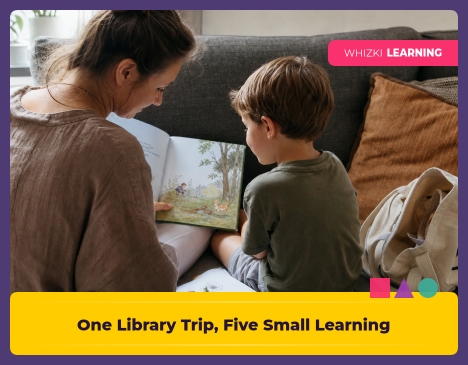
Turn one borrowed book into five short learning moments for ages 3 to 7, with choosing, rereading, drawing, counting, memory, and returning.
Get exclusive activities, expert tips, and inspiration for a more meaningful, offline family life.