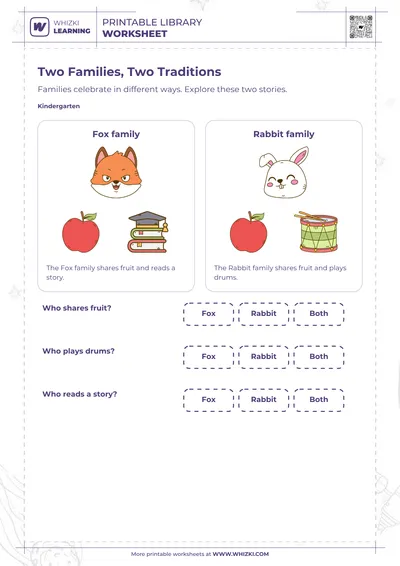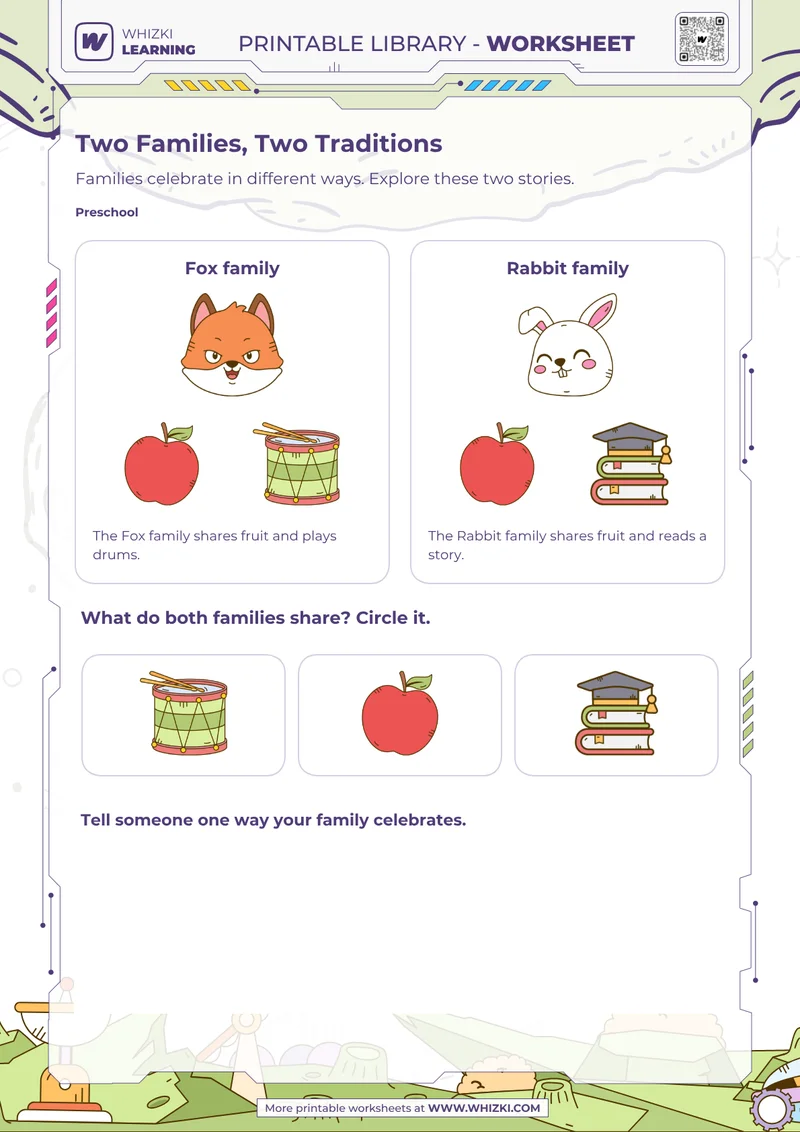


Cultures and Traditions worksheet → Recognizing familiar customs → Helps preschoolers notice celebrations, foods, clothing, routines, and community practices.
Cultures and Traditions worksheet → Comparing everyday family life → Builds simple language for noticing similarities and differences with care.
Cultures and Traditions worksheet → Talking about people respectfully → Supports early social awareness through calm parent-child conversation and hands-on marking.

The Cultures and Traditions worksheet is a preschool social studies printable made for 3-year-olds. The worksheet practices recognizing cultures and traditions through simple, child-friendly prompts that invite children to notice celebrations, foods, clothing, family routines, and community life.
At age 3, children are starting to see that families can do things in different ways. Many three-year-olds get bored fast when a page feels too grown-up, so the worksheet keeps the focus on naming, pointing, talking, and making gentle connections instead of memorizing facts.
Sit beside your child and look at one part of the worksheet at a time. Ask, “What do you notice?” and “Have you seen something like this at home, at school, or in a story?” Let your child color, circle, match, or mark the page while you add a short sentence about respect, kindness, or family traditions.
The worksheet is useful because the page turns a big idea into a small shared conversation. Instead of a generic printable that only keeps hands busy, the Whizki Learning page gives parents and teachers clear openings for real talk about people, places, and the many ways families live.
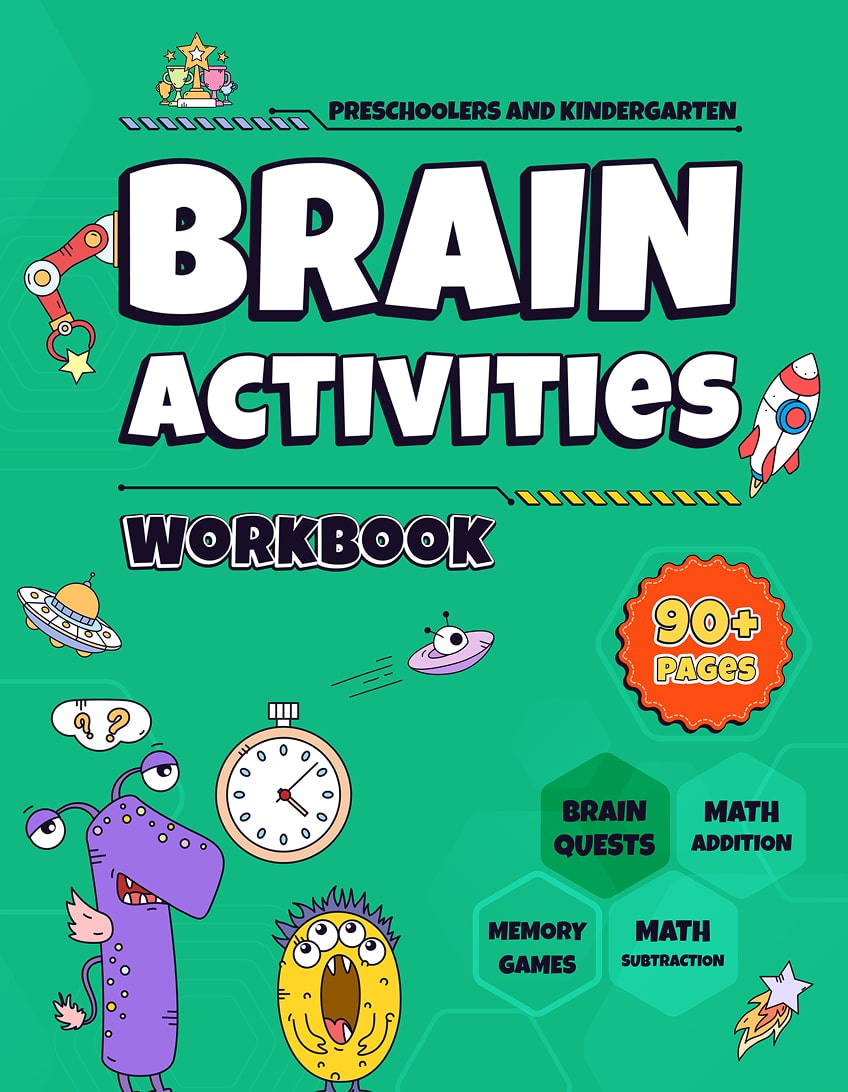
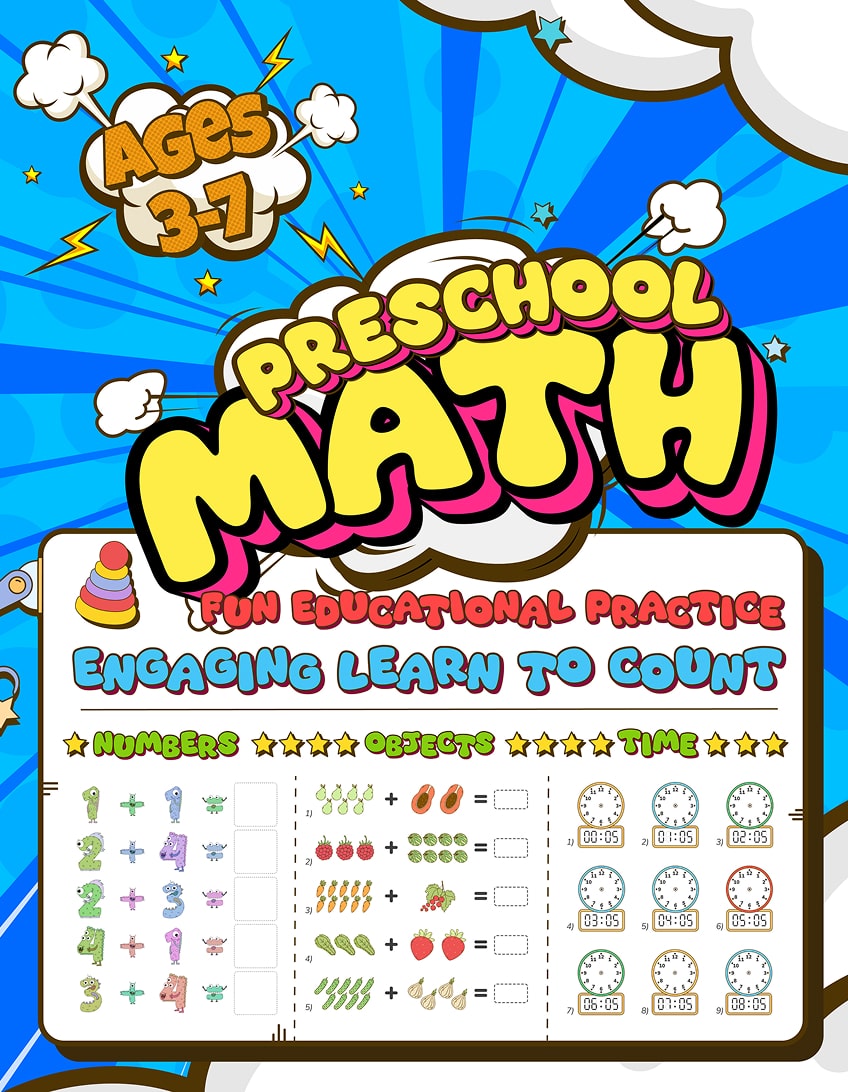
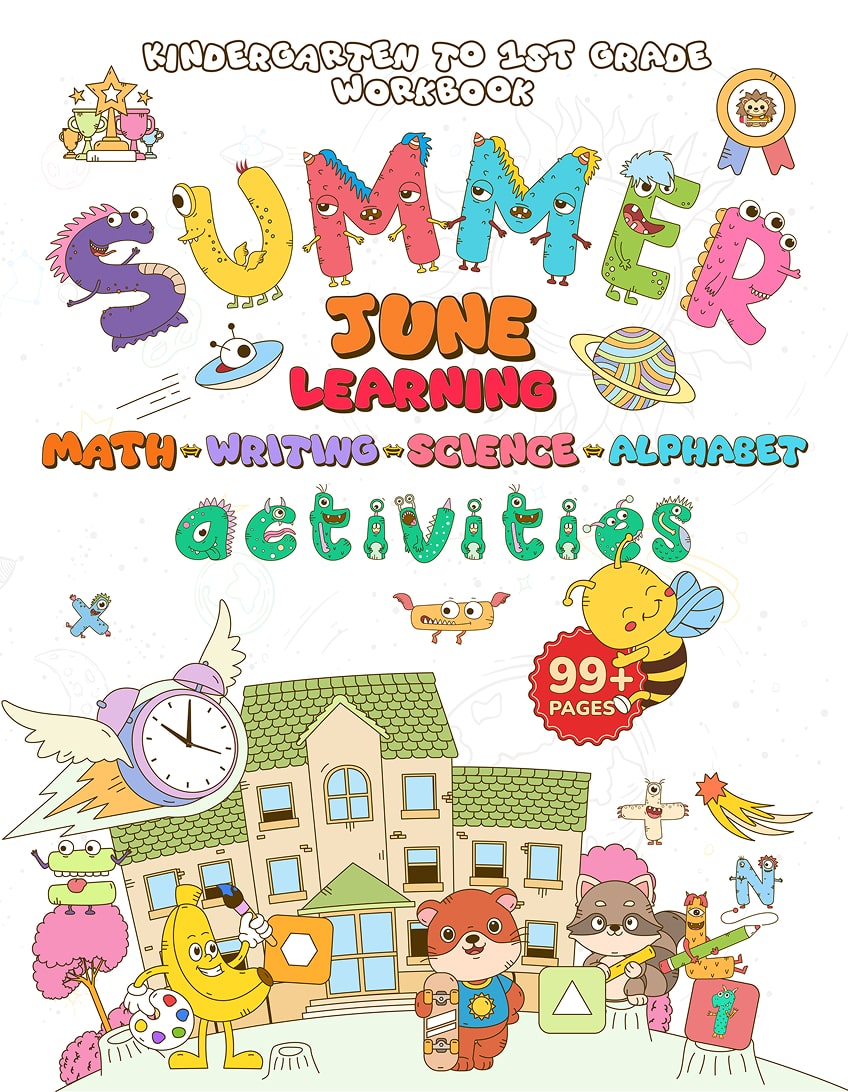
Boost your child’s skills with our discounted workbooks. Engaging activities for preschool, kindergarten, and grade 1 - now at special sale prices!


Fast shipping
Secure Payment
Licensed Teachers
For the planet
Printed in the USA
Helpful guides for parents and teachers, and tips for making learning at home super fun.

A vague school screening notice can leave families guessing, so start with seven plain questions about the test, timing, language, evidence, and next steps.

A field note on the May 2026 move to one shared worksheet generator API, with a simple parent preview for print consistency and handwriting comfort.

A seven-minute apple observation helps children compare color, stem, skin, weight, smell, and a cut surface, then draw what children noticed before any craft begins.

A field note on why Ukrainian-English workbook pages need fresh design choices for letters, examples, space, and language-specific skills.
Get exclusive activities, expert tips, and inspiration for a more meaningful, offline family life.