Cultures and traditions → Observation and naming → Child identifies familiar community practices and uses simple words for respectful comparison.
Cultures and traditions → Listening and speaking → Child shares family examples, hears other possibilities, and builds comfort with differences.
Cultures and traditions → Social awareness → Child connects celebrations, foods, clothing, and greetings to people, places, and everyday routines.

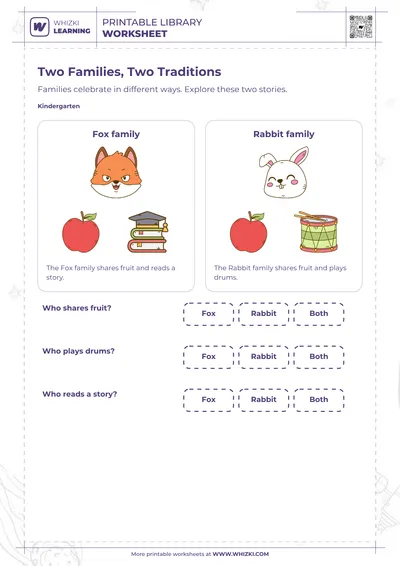
The Cultures and Traditions worksheet is a preschool social studies printable for 4-year-olds. The page practices cultures and traditions by helping children notice that families and communities may celebrate, eat, dress, greet, and gather in different ways.
Four-year-olds can get stuck on new words like culture and tradition, especially when the words feel too big for everyday talk. Learning about traditions at this age helps a child build respectful language, ask kind questions, and see that different families can all have meaningful routines.
Sit beside your child with the worksheet and read each part aloud slowly. Pause often, invite your child to point, name, color, or mark the page, then ask one simple question such as, “What does your family do?” or “Have you seen something like this before?”
The worksheet keeps the activity short, visual, and conversation-based, which helps preschoolers stay with the page without too much explaining. Instead of asking a child to memorize facts, the page gives a parent or teacher a friendly starting point for real talk about people, places, and family life.
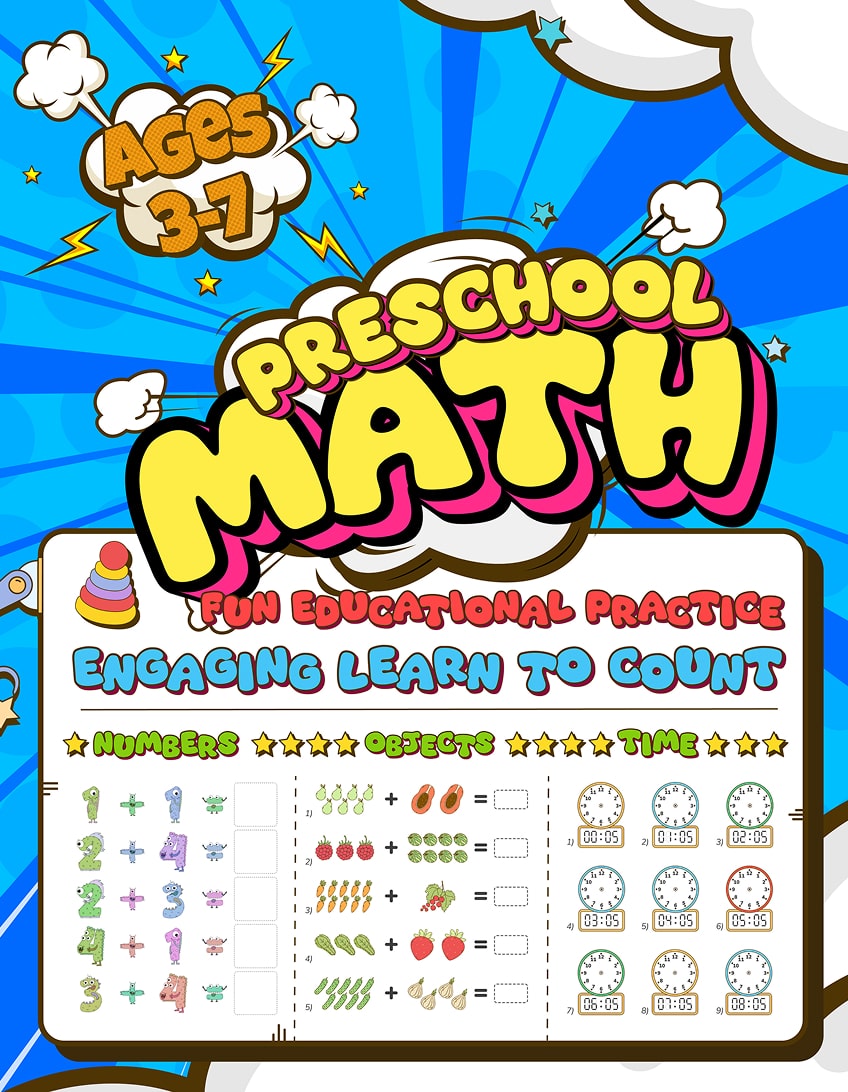
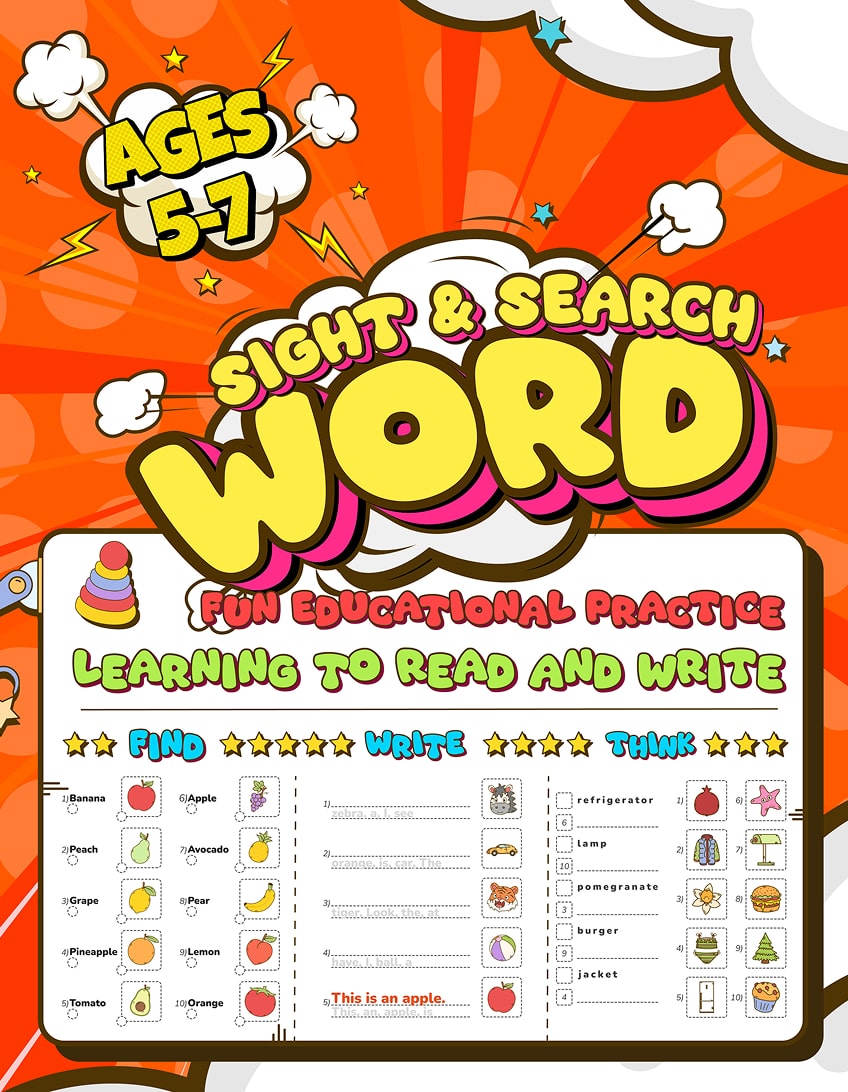
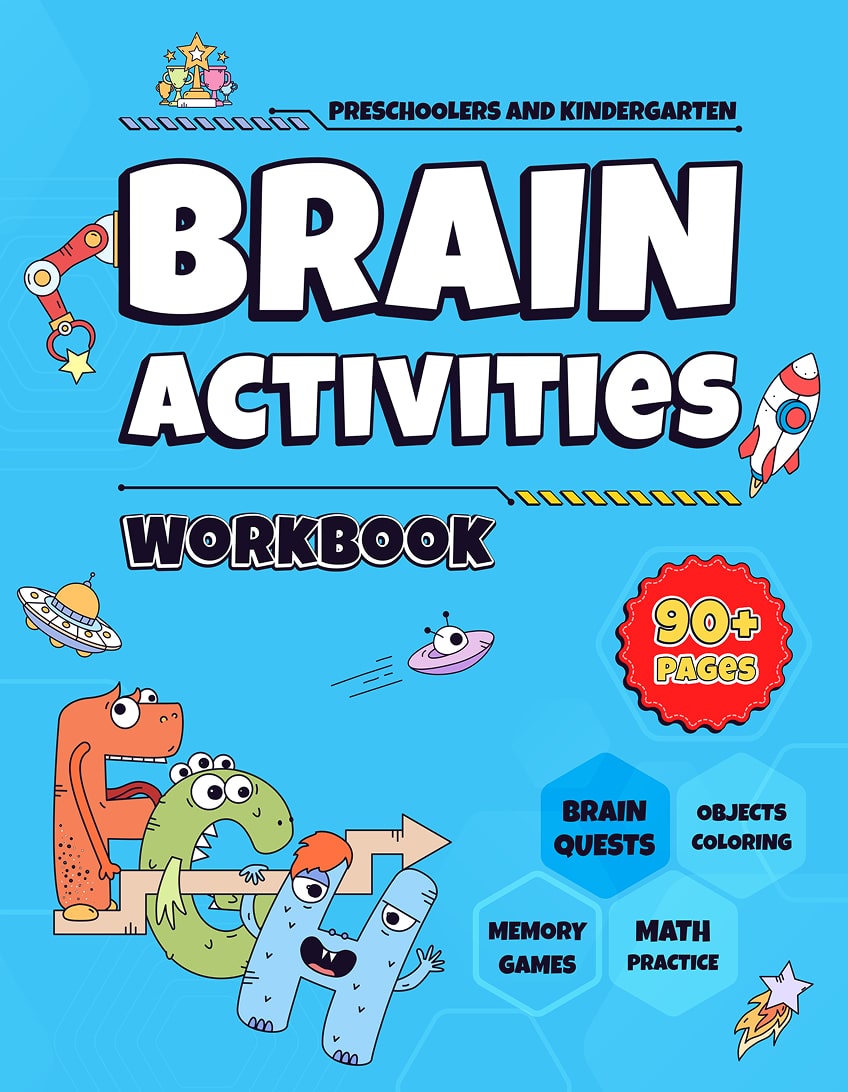
Boost your child’s skills with our discounted workbooks. Engaging activities for preschool, kindergarten, and grade 1 - now at special sale prices!


Fast shipping
Secure Payment
Licensed Teachers
For the planet
Printed in the USA
Helpful guides for parents and teachers, and tips for making learning at home super fun.

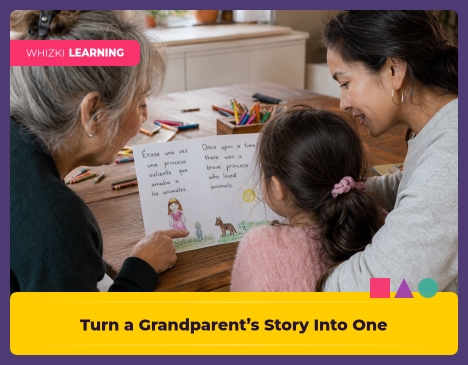
A simple plan for turning one grandparent memory into a bilingual keepsake page with exact words, a child drawing, and clear privacy boundaries.

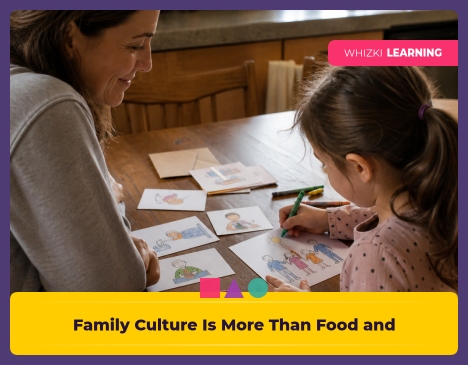
A practical guide for inviting family stories about names, language, music, routines, celebrations, and places without putting children on display.

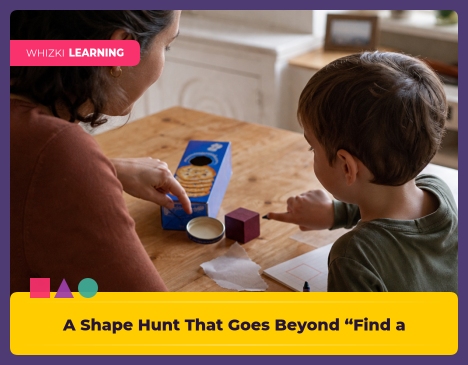
Turn a quick room search into early geometry talk by asking about sides, corners, curves, and shapes inside everyday objects.

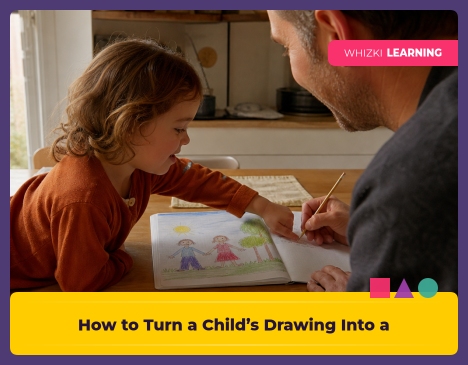
Use a child’s own drawing and spoken words to build a first sentence through adult dictation, shared writing, or optional child writing.
Get exclusive activities, expert tips, and inspiration for a more meaningful, offline family life.