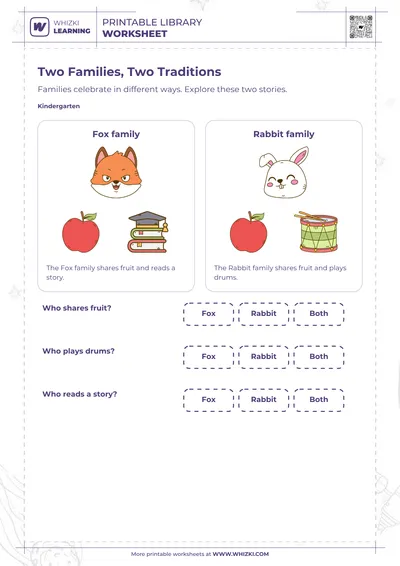
First graders → identify culture and tradition examples on the page → describe that families and groups may do things differently.
First graders → compare two traditions using page clues → say one way they are alike or different.
First graders → answer simple social studies prompts with adult support → connect traditions to people, places, and shared activities.

Six-year-olds can understand “different” long before they can explain culture in big words, and they may still need help slowing down to notice details. This first grade social studies page gives you a simple way to sit together, look at each part, and talk about cultures and traditions in everyday language.
This page is a good fit when a child can listen to a short direction, look for clues on the paper, and answer by pointing, speaking, or writing with help. If the words feel new, start with what they already know: family routines, special days, foods, clothing, music, stories, or ways people gather.
As you work through the page, keep the talk concrete. Ask, “What do you notice?” “Is this like something we do?” and “What is different?” Those small questions help a first grader practice naming examples, comparing details, and connecting a tradition to the people who share it.
If they rush, pause and have them explain one answer before moving on. If they get stuck, offer two choices and let them point first. For more nearby practice, try another first grade cultures and traditions worksheet to keep the topic familiar, then use the broader cultures and traditions worksheet when you want a fresh page for review.
Boost your child’s skills with our discounted workbooks. Engaging activities for preschool, kindergarten, and grade 1 - now at special sale prices!


Fast shipping
Secure Payment
Licensed Teachers
For the planet
Printed in the USA
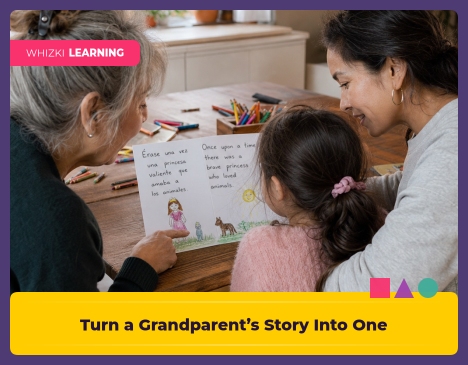
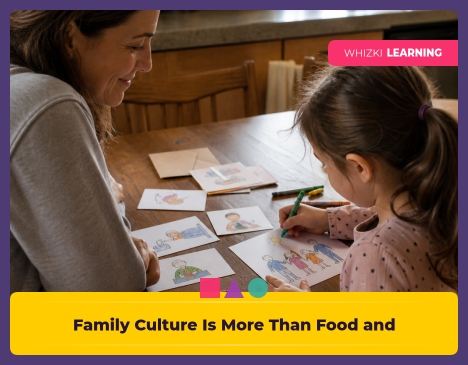
Helpful guides for parents and teachers, and tips for making learning at home super fun.

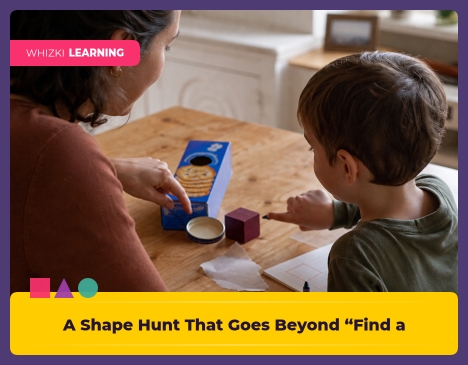
Help young children measure with paper clips before a ruler, using equal units, clear endpoints, and quick fixes for gaps, overlaps, and different answers.

Picture labels can build meaning, first-sound attention, or guessing habits. Use this parent-friendly decision tree to know when to cover or reveal the picture.

A vague school screening notice can leave families guessing, so start with seven plain questions about the test, timing, language, evidence, and next steps.

A field note on the May 2026 move to one shared worksheet generator API, with a simple parent preview for print consistency and handwriting comfort.
Get exclusive activities, expert tips, and inspiration for a more meaningful, offline family life.